Show Related CategoriesCategory

By Wekiva Foliage LLC
FREE Delivery
Tradescantia plants are much loved for their variegated leaves, deep purple color (although there are also green varieties!) and for how extremely easy they are to propagate. Tradescantia. make a lovely, understated statement in outdoor garden beds or planters, and are perhaps even more striking indoors when allowed to trail in hanging baskets. The Tradescantia is a pretty, trailing plant that goes by common names like Wandering Jew, Wandering Dude, Spiderwort, and Inch plant. Tradescantias are native to the Americas from southern Canada down to South America. They like bright, indirect light, moist soil, and high humidity. Tradescantia likes bright, indirect light. They need a good amount of light; if they dont get it, youll notice that their leaf markings begin to fade. Direct sun, however, will scorch their leaves (with the exception being the purple queen variety, which loves full sun). Tradescantia loves moisture. Dont ever let your plant get too dry, especially in winter. To keep soil evenly moist, a regular watering schedule is best. Water until water drains through the bottom of the pot, taking care that your plant wont sit in water.

3 Sizes
By Wekiva Foliage LLC
25" H x 6" W x 6" D
FREE Delivery
A tropical, evergreen fern, it's also called giant sword fern because its sword-shaped fronds can be long, with the entire plant approaching a width. Macho fern needs care typical for most ferns -- partial shade, moist soil and some extra care now and then. They even do well in containers and hanging baskets. The Nephrolepis biserrata Macho fern is a tropical, evergreen plant suitable for United States Department of Agriculture zones 9 but can be grown as an indoor plant and moved out in summer. The gracefully arching, big fronds of a Macho Fern provide a bold and lively display when used to decorate a room. Ferns thrive on humidity, so daily misting in winter months and a gravel and water-filled saucer beneath the pot in warmer months are highly recommended. A superior choice for shade gardens, under large tree canopies, narrow side yards and shaded foundation plantings. An herbaceous perennial.

By Wekiva Foliage LLC
FREE Delivery
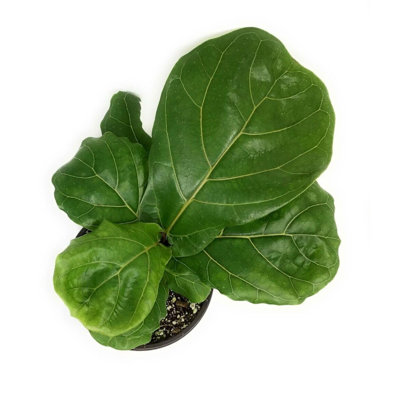
This native to west Africa is grown indoors for it's attractive semi-lobed and oval shaped leaves, which all seem to grow to different sizes. The name fiddle given to this plant comes from its kind of fiddle shaped leaves. This ficus is a slow growing plant that may take up to 10 -15 years to reach full maturity, but after 3 or 4 years of growth it starts to become an attractive tree like ornamental house plant. The leaves have prominent veins through the center and from the center to the edge of the leaves. These leaves have a glossy appearance and grow up to 12 inches long and 5 inches or more wide. These grow well in greenhouses and conservatories because they enjoy high lighting conditions. They're the type of plant that looks great near doorways, hallways, fireplaces and other featured parts of a room, although enough light will need to be provided - wherever they are seated. It is a popular ornamental tree in subtropical and tropical gardens, and is also grown as a houseplant in temperate areas, where it usually stays shorter and fails to flower or fruit. It requires indirect natural light.

By Wekiva Foliage LLC
FREE Delivery
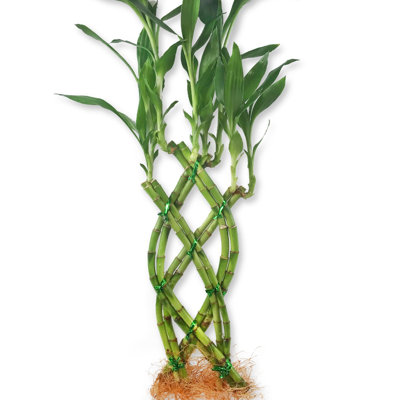
Discover the elegance and charm of the Lucky Indoor Bamboo Plant (Dracaena Sanderiana), a perfect blend of style and simplicity. Renowned for its sleek, spiral stems and lush green leaves, this plant exudes a sense of tranquility and prosperity, making it a popular choice for homes, offices, and gift-giving. Its compact size and versatile nature allow it to thrive in various indoor settings, adding a touch of greenery to any space without overwhelming it. The Lucky Bamboo is celebrated not only for its beauty but also for its low-maintenance requirements, making it ideal for both experienced plant enthusiasts and beginners. This resilient plant is steeped in cultural significance and often associated with good luck and positive energy. Its adaptable nature means it can grow in water or soil, offering flexibility in how its displayed. Whether placed on a desk, shelf, or centerpiece, the Lucky Bamboo brings a sense of harmony and sophistication to your surroundings. Its graceful appearance and enduring vitality make it a timeless addition to any plant collection.

By Wekiva Foliage LLC
FREE Delivery
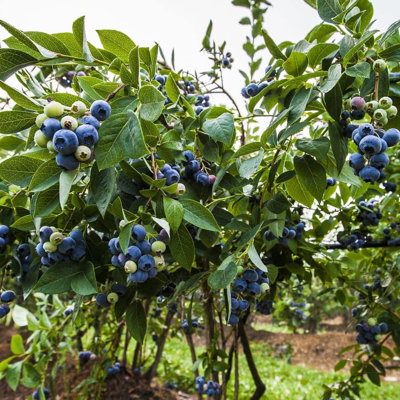
Plump, juicy blueberries arent just delicious. Theyre high in nutrients, antioxidants, fiber, and vitamins. Fortunately, for very little effort, blueberries are easy to growif you have the right soil conditions. A relative of rhododendron and azalea, blueberry bushes arent just a great fruiting plant but also an attractive addition to your overall landscape, offering scarlet fall foliage and creamy-white, bell-shaped spring flowers. There are four types of blueberries: highbush, lowbush, hybrid half-high, and rabbiteye. Blueberries can be planted in spring or also in late fall in all but coldest regions. In Zones 5 and below, its best to wait until early to mid-spring to plant. Select a sunny, sheltered spot. While blueberries are tolerant of shade, better crops are obtained in the sun. At the same time, they should not be exposed to harsh, drying winds.

3 Sizes
By Wekiva Foliage LLC
13" H x 4" W x 4" D
FREE Delivery
It is a tropical tree which makes a fine addition to a South Florida gardener's backyard fruit orchard. A native of the West Indies, it is a small, attractive, fast-growing tree that won't reach much more than 12 feet, although it can be kept clipped back to shrub size. It's leaves are small and evergreen, borne densely on rather brittle branches. The branches of some varieties droop; others are quite upright. The bright pink, five-petaled flowers are small but pretty, with the trees blooming mainly from April through October although some blossoms appear year around. Fruiting is from May to November, but again, a few cherries may be picked now and then throughout the winter. Barbados cherry, or acerola, is a large, bushy shrub or small tree that reaches mature heights of about 12 feet (3.5 m.). This attractive shrub produces thick, bright green leaves. Small, pinkish-lavender flowers bloom from spring to fall, and may pop up year round in warmer climates usually after irrigation or a rainfall. Harvest Barbados cherries when the fruit is fully ripe. Wear gloves, though, because the fuzz on the stems and leaves can irritate the skin, especially when the tree is young.

By Wekiva Foliage LLC
FREE Delivery
This native to west Africa is grown indoors for it's attractive semi-lobed and oval shaped leaves, which all seem to grow to different sizes. The name fiddle given to this plant comes from its kind of fiddle shaped leaves. This ficus is a slow growing plant that may take up to 10 -15 years to reach full maturity, but after 3 or 4 years of growth it starts to become an attractive tree like ornamental house plant. The leaves have prominent veins through the center and from the center to the edge of the leaves. These leaves have a glossy appearance and grow up to 12 inches long and 5 inches or more wide. These grow well in greenhouses and conservatories because they enjoy high lighting conditions. They're the type of plant that looks great near doorways, hallways, fireplaces and other featured parts of a room, although enough light will need to be provided - wherever they are seated. It is a popular ornamental tree in subtropical and tropical gardens, and is also grown as a houseplant in temperate areas, where it usually stays shorter and fails to flower or fruit. It requires indirect natural light.

By Wekiva Foliage LLC
FREE Delivery
Dragon fruit is a fruit with tiny black seeds and vibrant pink skin. Each fruit weighs between 150-600g and is commonly used in fruit salads, smoothies and salads. It has little flavour and its texture closely resembles that of kiwi fruit. To prepare all you to do is to cut the fruit in half and then scoop out the flesh. dragon fruit is native to South America, but youll also found it grown in parts of Indonesia, Taiwan, Southern California and most recently Australia. Dragon fruit grows on cactus plants which love warm, humid climates and needs very little water. They are subtropical plants which need at least six hours of sunlight per day. They will also grow well in a warm and sunny spot indoors. In the right conditions dragon fruit plants grow can grow to be quite tall and will put down aerial roots as they grow so make sure your pot is at least 40cm in diameter. Also, remember that dragon fruit plants are climbers so give them a stake or something else to climb on. Growing dragon fruit outdoors in your garden is a fail-proof way to add colour and personality to your garden. To prepare simply clear the area of any weeds and rocks and make sure that the soil is slightly sandy and acidic, you can always add a bit of extra potting mix to the bed to help make it cacti-proof. When your dragon fruit starts flowering is a good indicator that fruit is on its way. Generally speaking, it will take around four weeks for a dragon fruit to be ready, youll know when it is ripe when its skin turns that vibrant pink. Use a pair of sharp secateurs to cut the fruit off and store it in the fridge for up to two weeks.

By Wekiva Foliage LLC
FREE Delivery
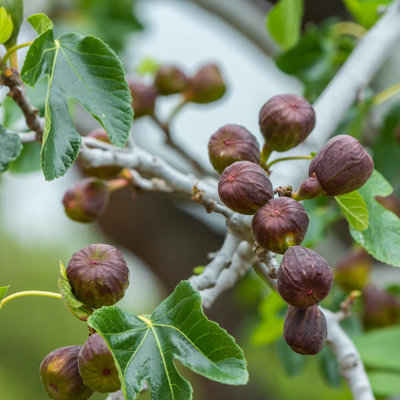
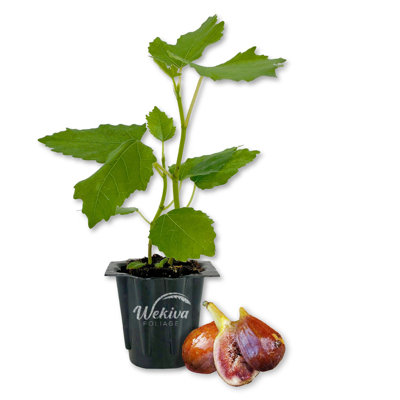
These iconic plants produce delicious fruit with flavors best experienced ripe from the tree. Unlike other fruits, figs ripen entirely on the branch, so planting your own allows you to harvest the freshest fruit. The common fig tree, thriving in warm climates, does not require pollination to bear new fruit. Figs are self-fruitful, so you need only one plant to produce fruit. Mature fig trees can be 10 to 30 feet tall. If you have more room, plant several. Choose early, mid and late-fruiting selections to extend your harvest from summer into early fall. Some figs will produce bonus fruit early in the season, called a breba crop and the main crop. Figs can vary in size, shape, flavor, texture, and harvest time and can be black, green, brown, violet, yellow, or purple. Full sun is essential for an abundant harvest and the sweetest fruit. It's ideal for planting fig trees in an area that receives six to eight hours of direct, daily sunlight. Less sunlight will prevent trees from producing as many figs compared to those planted with adequate light. Fig trees grow in various soil conditions, but slightly acidic and well-drained soils are best. Soil with rich, organic matter helps supplement growth. Regular potting mixes work well for fig trees as long as it retains moisture and is well-aerated. These plants grow well near coastal regions but also tolerate loamy, clay, or sandy conditions. When fruit is developing, it's important to water regularly. Check daily, and pick just as the fruit ripens. During the first year, as plants become established, water regularly and mulch. Once established, figs can be very drought tolerant.

By Wekiva Foliage LLC
FREE Delivery
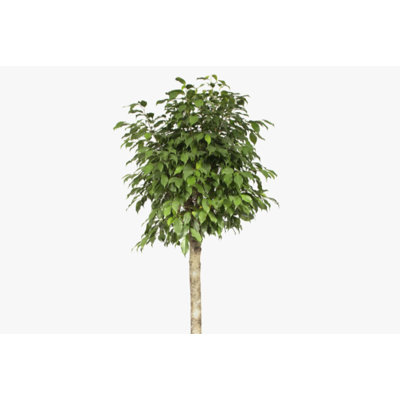
Ficus plants, also known as fig trees, are a genus of about 850 species of woody trees, shrubs, vines, epiphytes, and hemiepiphytes. They are native to tropical regions, but some species can also be found in semi-warm temperate zones. Ficus plants are popular indoor plants because they are easy to grow and offer a variety of options. They can range in size from creeping vines to tall trees. Ficus plants have glossy leaves that come in many colors and patterns. They can survive in various conditions, even though they are a tropical plant.

By Wekiva Foliage LLC
FREE Delivery
The purple waffle plant, also known as red ivy, is a tropical perennial with a prostrate, spreading growth habit and beautiful oval leaves with gray-green tops and purple bottom surfaces. The tiny white flowers that appear in summer are attractive but secondary to the beautiful foliage. The purple waffle plant, also known as red ivy, or metal leaf, is a slow-growing, herbaceous, tropical perennial of the Hemigraphis genus and Acanthaceae family. It is one of the most attractive indoor plants with its purple-tinted and heavily textured leaves. It produces white flowers in summer that perfectly contrast with its dark purple leaves and puckered appearancewhich develops to increase the surface area over each leaf. The purple waffle plant is a low-growing perennial (growing to a height of 6-8 inches) and makes the ideal groundcover for indoor plants, such as Ficus trees and Ti plants. The purple waffle plant does best in partial sun outdoor or in bright indirect light indoors. Direct sun can cause the edges of leaves to scorch or the color to bleach, and the cool metallic sheen of the leaves may also fade in direct sun.

By Wekiva Foliage LLC
FREE Delivery
Dracaena Janet Craig is an interior workhorse, popular for decades, used frequently as a floor plant in interior situations or mass planted in beds. Survives in low light levels, grows best in filtered light. Dracaenas thrive on neglect, grow well in low light, and need very little water. These attractive plants have sword- shaped, leathery, dark green, shiny leaves that are about 3 wide and 2ft. in length. NASA lists the dracaena janet craig as an excellent clean air plant that helps eliminate harmful toxins from the environment. It is a strongly upright plant that tends to drop its lower leaves, exposing the stalk as it ages. This plant should be grown in bright indirect sunlight, but is known to tolerate lower light levels. Dracaenas require even moisture, good soil drainage, and cannot tolerate standing water. It is not particular as to soil type or pH.

FREE Delivery
Lace Fern (Asparagus pyramidalis) brings an airy, architectural presence to indoor displays, sheltered patios, and warm-climate garden settings. Despite its familiar name, it is not a true fern; it belongs to the asparagus family and grows from a durable, perennial base. Upright to gently arching stems carry countless fine, needlelike cladodes that perform the work of leaves, creating tiered plumes with a soft, lacy outline. Fresh growth appears bright green and deepens as it matures, while the plant's narrow profile and feathery texture make an elegant contrast beside broad-leaved companions. It is also known as pyramid asparagus fern, a name inspired by its tapered, tree-like silhouette. Given warmth, bright light, and consistent care, Lace Fern develops into a dense, columnar specimen with branching sprays that become fuller from the base upward. Its growth is generally upright rather than trailing, so it suits floor pots, raised planters, conservatories, and protected borders where its sculptural form can be appreciated. Mature stems may become firmer with age, helping the plant hold its distinctive pyramidal shape, while newer tips retain a delicate appearance and subtle movement. Small, understated flowers may appear on established plants, sometimes followed by decorative berries, but the finely divided greenery remains the main attraction. Adaptable and refined, this evergreen perennial offers lasting color, graceful volume, and an unusual blend of softness and structure without demanding an elaborate routine.

By Wekiva Foliage LLC
FREE Delivery
Indulge in the allure of the Royal Velvet Plant, an exquisite botanical companion that effortlessly weaves elegance, artistry, and the vibrant rhythms of the tropical world into your living space. With a delicate balance of care and admiration, you can transform your home into a haven of lush beauty and natural wonder. Embrace this enchanting creation and cultivate your own living masterpiece.

More Options
By Wekiva Foliage LLC
3 Plants
FREE Delivery
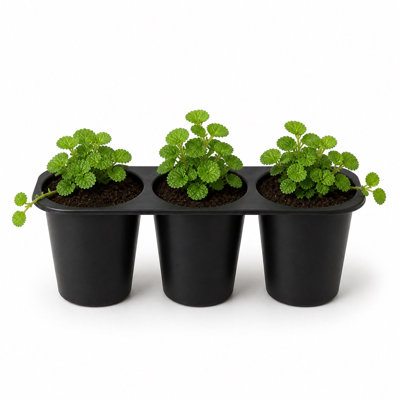
Creeping Charlie Friendship Plant (Pilea nummularifolia) brings a fresh, textural look to shelves, hanging baskets, and tabletop displays. Its small, rounded leaves emerge in lively green and feature deeply quilted surfaces, scalloped edges, and softly sunken veins that catch the light from every angle. Flexible stems spill gracefully over the rim of a container, creating a dense curtain of foliage with an inviting, layered appearance. Although it shares the name Creeping Charlie with an unrelated outdoor groundcover, this tropical species is also commonly called the Friendship Plant and Creeping Pilea. Its compact leaves and trailing form make it especially appealing where space is limited but visual impact matters. Naturally inclined to spread and cascade, Pilea nummularifolia develops branching stems that root readily where they meet a suitable growing medium. Indoors, it remains manageable while gradually filling its pot and extending outward, giving planters a full, finished look. New growth is tender and bright, then matures into richly colored foliage with pronounced texture. The plant's easygoing habit suits both new plant owners and experienced collectors, while its quick establishment makes it rewarding to watch through the growing season. It can be displayed alone as a lush trailing specimen or paired with upright plants for contrast. Warm conditions, steady moisture, and filtered light help preserve its even growth, vivid color, and characteristic rippled leaves.

More Options
By Wekiva Foliage LLC
4 Plants
FREE Delivery
Silver Lady Tree Fern (Blechnum gibbum) brings the serene beauty of a tropical forest into gardens and bright indoor spaces. Its finely divided, glossy green fronds rise in a graceful, symmetrical crown, creating a lush shuttlecock silhouette with refined architectural appeal. New fronds emerge tightly curled before unfurling into feathery blades, adding movement and fresh texture throughout the growing season. Also known as the Dwarf Tree Fern and Silver Lady Fern, this evergreen species offers the dramatic presence of a tree fern in a compact form, making it well suited to patios, sheltered borders, conservatories, and decorative containers. As it matures, the plant develops a slender, upright trunk topped by a dense rosette of arching fronds. It commonly reaches about 3 to 6 feet tall under favorable conditions, while its measured footprint allows it to serve as an elegant focal point without overwhelming nearby plantings. Growth is upright and orderly, with fronds spreading outward from the central crown in balanced layers. The rich green foliage provides year-round visual interest where temperatures remain warm, and its tidy habit works beautifully in tropical, contemporary, or woodland-inspired designs. Native to the South Pacific, this tender fern appreciates warmth, humidity, and protection from harsh conditions. Its combination of compact stature, sculptural form, and delicately textured foliage makes Silver Lady an inviting choice for anyone seeking a polished, tranquil accent with unmistakable tropical character.

By Wekiva Foliage LLC
FREE Delivery
The Fig Tree (Ficus Carica) is a stunning and productive addition to any home garden, offering lush, broad leaves and deliciously sweet fruit. Native to the Mediterranean and western Asia, this deciduous tree is renowned for its resilience and adaptability, thriving in a variety of climates. During the growing season, the fig tree produces attractive green foliage that provides excellent shade, creating a lush and inviting outdoor space. As it matures, it develops a graceful, spreading canopy and distinctive smooth gray bark, enhancing the aesthetic appeal of any landscape. One of the most rewarding aspects of growing a fig tree is its bountiful fruit production. The tree yields plump, teardrop-shaped figs that ripen to shades of deep purple, brown, or green, depending on the variety. The fruit is not only flavorful but also highly versatile, making it a favorite for fresh eating, drying, or culinary use in a variety of dishes. Figs are known for their soft, sweet flesh with subtle floral notes, offering a delightful treat straight from the garden. The fig tree is a fast-growing species that can reach heights of 10 to 30 feet, though it can also be pruned to maintain a more compact size, making it suitable for small gardens or container growing. It thrives in warm, sunny conditions and is well-suited to Mediterranean, subtropical, and temperate climates. With proper care, this tree can provide an abundance of fruit for many years, making it a fantastic investment for both novice and experienced gardeners.

By Wekiva Foliage LLC
FREE Delivery
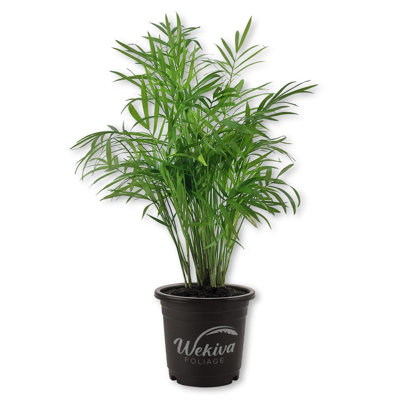
Native to the rainforests of Southern Mexico and Guatemala, the Neanthe Bella Palm (Chamaedorea elegans) or Parlor Palm is known for its air purifying properties and ability to adapt to lower light conditions. Neanthe Bella is an attractive, easy care evergreen, perennial plant and a very popular houseplant. This tabletop palm can also grow outdoors year round in USDA zones 10 through 12. Its commonly known in the trade as the Neanthe bella palm and grown primarily for indoor use in 6 14 inch containers, ranging in height from 18 inches to 3-4 feet tall. Direct sunlight can scorch the leaves of the Neanthe Bella Palm, so place this little beauty in a spot out of direct light. While it is tolerant of lower light conditions, you may notice leggy growth as a result, so a spot where it will receive bright indirect light a few feet removed from a southern, western, or eastern facing window is ideal. Neanthe Bella Palms prefer soil that is lightly moist, with a slight period of drought between waterings. Water when the top 1 - 2 inches of the soil are dry, likely every 7 - 10 days. Too much moisture in the soil can cause root rot, while too little can lead to brown and crispy leaves.

By Wekiva Foliage LLC
FREE Delivery
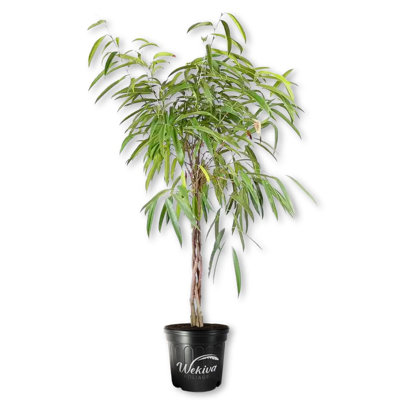
The ficus Alii, or Amstel King as it is sometimes called, is a large plant that originally came from Asia, Malaysia, and India. It was first grown commercially in Hawaii where it got the Hawaiian name alii which means king. Although a ficus Alii is closely related to the ficus Benjamina, the Alii variety is much more tolerant and forgiving. The long, narrow leaves are naturally glossy and taper to a point. As this ficus tree grows, it may drop its lower leaves revealing a bare woody trunk, giving this tree a palm-like appearance. Care is easier than for many of its relatives. You'll find it's less temperamental than F. benjamina, that drops its leaves when it doesn't get what it wants. However, leaf drop is possible with 'Alii' if it doesn't get enough light and regular waterings. The Ficus alii braid image that you can see here got its name from its braided trunks. Its long slender dark green leaves provides an oriental look. This appeal makes it an extremely attractive plant that is appealing both to the interior plantscape industry and to the home market. Moreover, it is believed to have the ability to purify the air. Growth tips are pronounced pink to red that beautifully contrasts against its broad, longer, wider, banana-shaped glossy leaves.

By Wekiva Foliage LLC
FREE Delivery
Tradescantia plants are much loved for their variegated leaves, deep purple color (although there are also green varieties!) and for how extremely easy they are to propagate. Tradescantia. make a lovely, understated statement in outdoor garden beds or planters, and are perhaps even more striking indoors when allowed to trail in hanging baskets. The Tradescantia is a pretty, trailing plant that goes by common names like Wandering Jew, Wandering Dude, Spiderwort, and Inch plant. Tradescantias are native to the Americas from southern Canada down to South America. They like bright, indirect light, moist soil, and high humidity. Tradescantia likes bright, indirect light. They need a good amount of light; if they dont get it, youll notice that their leaf markings begin to fade. Direct sun, however, will scorch their leaves (with the exception being the purple queen variety, which loves full sun).

By Wekiva Foliage LLC
FREE Delivery
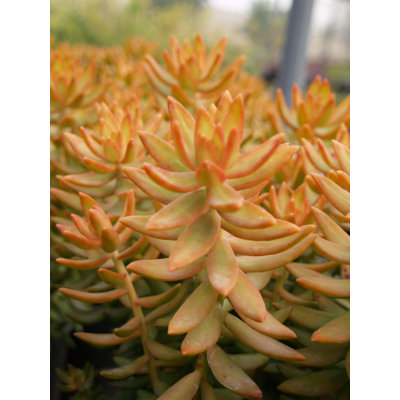
The Copper Sedum (Sedum nussbaumerianum) is a vibrant and unique succulent that stands out with its copper-toned, rosette-shaped leaves. Known for its ability to thrive in a variety of environments, this succulent is an excellent choice for indoor and outdoor gardens alike. Its distinctive copper hue becomes more intense when exposed to full sunlight, making it a visually striking addition to any collection. This hardy plant is easy to care for, with minimal watering needs and a tolerance for drought, making it an ideal choice for both beginners and experienced gardeners. The Copper Sedum can grow up to 8 inches tall and 24 inches wide, spreading over time to form a dense mat of foliage that adds texture and color to your garden. Its small, star-shaped flowers bloom in spring, adding an extra layer of charm to this already captivating plant. Whether placed in a decorative pot, used as ground cover, or incorporated into a rock garden, the Copper Sedum is sure to impress with its stunning colors and resilience.

By Wekiva Foliage LLC
FREE Delivery
Dracaena Janet Craig is an interior workhorse, popular for decades, used frequently as a floor plant in interior situations or mass planted in beds. Survives in low light levels, grows best in filtered light. Dracaenas thrive on neglect, grow well in low light, and need very little water. These attractive plants have sword- shaped, leathery, dark green, shiny leaves that are about 3 wide and 2ft. in length. NASA lists the dracaena janet craig as an excellent clean air plant that helps eliminate harmful toxins from the environment. It is a strongly upright plant that tends to drop its lower leaves, exposing the stalk as it ages. This plant should be grown in bright indirect sunlight, but is known to tolerate lower light levels. Dracaenas require even moisture, good soil drainage, and cannot tolerate standing water. It is not particular as to soil type or pH.

By Wekiva Foliage LLC
FREE Delivery
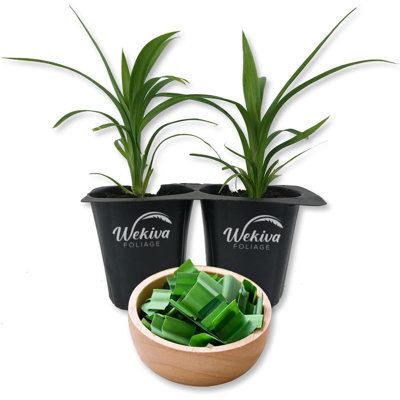
Also known as Screwpine Plant, immerse yourself in the sensory journey as the Pandan Plant releases a subtle, sweet aroma, reminiscent of a tropical breeze. Perfect for creating a calming and refreshing ambiance, this houseplant effortlessly transforms your home into a haven of tranquility. Cultivate your own edible oasis and elevate your cooking to new heights with the Pandan Plant. Explore the rich culinary traditions of the tropics right in your kitchen, and impress your guests with the exotic flavors of pandan-infused delights. Delight your loved ones with a gift that keeps on giving—the Pandan Plant. With its aesthetic appeal, culinary potential, and air-purifying qualities, this botanical wonder is a unique and enduring expression of your care and consideration.

By Wekiva Foliage LLC
FREE Delivery
The Ficus family includes a large number of species including the rubber plant (Ficus elastica), weeping fig (Ficus benjamina) and fiddle-leaf fig (Ficus lyrata). Ficus grown as houseplants are much smaller than their outdoor counterparts, which grow in U.S. Department of Agriculture plant hardiness zones 10 through 12. Most ficus grown indoors are woody tree-like plants with single or multi-stemmed trunks. Plant the ficus in a well-draining potting mix. Purchase a loamy soil with added vermiculite or perlite for drainage, or mix your own. Use 3 parts loam 1 part peat and 1 part sand for a well-draining mixture. Plant in a deep pot with drainage holes so the water can run out. Place the ficus near a window in a room that gets bright light in the summer with more moderate light in the winter. Water weekly during the summer with room-temperature water. Add water until it drains from the bottom of the pot. Discard the excess water if it flows into a container. Adjust the watering for your particular plant. Allow the soil to dry slightly between waterings. If the leaves turn yellow and begin to drop, you may need to increase or decrease the amount of water. Check the root ball. If the roots are soggy water the plant less often. If they are dry, increase watering. Humidity and light levels affect the amount of water needed. Ficus are sensitive to changes in their environment. They react to these changes by dropping leaves. The leaves turn yellow and fall off. If you have just moved your ficus to a new location, expect leaf drop. The leaves will grow back when the plant adjusts.

By Wekiva Foliage LLC
FREE Delivery
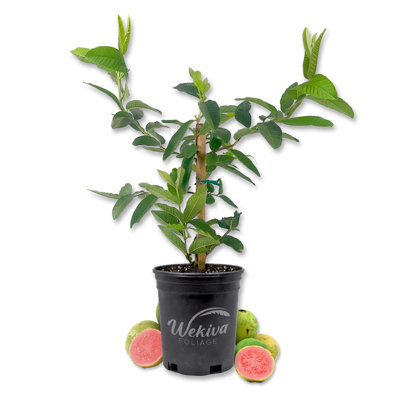
Transport yourself to a tropical paradise with our luscious Guava Tree (Psidium guajava)! Bursting with exotic flavor and sweet, juicy goodness, it's the ultimate addition to your garden oasis. Elevate your space and indulge in the taste of sunshine today!

By Wekiva Foliage LLC
FREE Delivery
Ficus plants, also known as fig trees, are a genus of about 850 species of woody trees, shrubs, vines, epiphytes, and hemiepiphytes. They are native to tropical regions, but some species can also be found in semi-warm temperate zones. Ficus plants are popular indoor plants because they are easy to grow and offer a variety of options. They can range in size from creeping vines to tall trees. Ficus plants have glossy leaves that come in many colors and patterns. They can survive in various conditions, even though they are a tropical plant.

By Wekiva Foliage LLC
FREE Delivery
This native to west Africa is grown indoors for it's attractive semi-lobed and oval shaped leaves, which all seem to grow to different sizes. The name fiddle given to this plant comes from its kind of fiddle shaped leaves. This ficus is a slow growing plant that may take up to 10 -15 years to reach full maturity, but after 3 or 4 years of growth it starts to become an attractive tree like ornamental house plant. The leaves have prominent veins through the center and from the center to the edge of the leaves. These leaves have a glossy appearance and grow up to 12 inches long and 5 inches or more wide. These grow well in greenhouses and conservatories because they enjoy high lighting conditions. They're the type of plant that looks great near doorways, hallways, fireplaces and other featured parts of a room, although enough light will need to be provided - wherever they are seated. It is a popular ornamental tree in subtropical and tropical gardens, and is also grown as a houseplant in temperate areas, where it usually stays shorter and fails to flower or fruit. It requires indirect natural light.

2 Sizes
By Wekiva Foliage LLC
13" H x 4" W x 4" D
FREE Delivery
Philodendrons are tropical plants native to Central and South America. These evergreen perennials belong to the Araceae familythe same family as pothos plants. There are hundreds of philodendron species, each with its own unique cultivars. The most common philodendron plants produce long vines or stems adorned with thick, waxy, dark green leaves. They can be planted indoors year-round and are fast growers. Depending on the species of philodendron and the size of the container they're planted in, they can grow anywhere from one to six feet long and equally wide. Philodendrons are also a great plant choice to purify the air in your home. Theyre best planted in the spring, but houseplants typically can be started with success at any time of year. This species typically grows best in partial sunlight. Philodendrons need sun, but they would naturally receive dappled light under a tropical canopy rather than direct light. Indoors, set them up by a window that gets bright, indirect light. Philodendrons like loose potting soil thats rich in organic matter. The soil must have good drainage. For container plants, its recommended to replace your philodendrons soil every couple of years or so. These plants are sensitive to salts that accumulate in the soil via watering, which can cause leaf browning and yellowing. The temperature tolerance of philodendrons varies based on the species. In general, they should not be exposed to temperatures below 55 degrees Fahrenheit. Indoors protect them from cool drafts, such as those from an air-conditioning vent.

By Wekiva Foliage LLC
FREE Delivery
Plump, juicy blueberries arent just delicious. Theyre high in nutrients, antioxidants, fiber, and vitamins. Fortunately, for very little effort, blueberries are easy to growif you have the right soil conditions. A relative of rhododendron and azalea, blueberry bushes arent just a great fruiting plant but also an attractive addition to your overall landscape, offering scarlet fall foliage and creamy-white, bell-shaped spring flowers. There are four types of blueberries: highbush, lowbush, hybrid half-high, and rabbiteye. Blueberries can be planted in spring or also in late fall in all but coldest regions. In Zones 5 and below, its best to wait until early to mid-spring to plant.

By Wekiva Foliage LLC
FREE Delivery
The Ernest Augusts Palm (Chamaedorea ernesti-augustii) is a unique and elegant tropical palm prized for its compact size and striking foliage. Native to the lush understories of Central America, this rare palm is an excellent choice for indoor cultivation or shaded garden settings. Unlike traditional feather palms, the Ernest Augusts Palm features broad, paddle-shaped leaves with a deep, glossy green hue, adding a distinctive, sophisticated touch to any space. Its upright growth habit and moderate height make it a versatile option for small gardens, patios, or interior spaces where a refined tropical aesthetic is desired. This palm typically reaches a mature height of 3-5 feet, making it ideal for container planting or as an understory accent in a tropical landscape. Its slow to moderate growth rate ensures that it remains manageable, requiring minimal maintenance while still delivering an eye-catching presence. The Ernest Augusts Palm thrives in shaded conditions and adapts well to indoor environments, making it a favorite among houseplant enthusiasts and collectors alike. With its compact stature, lush appearance, and adaptability, this palm is a sophisticated yet easy-care addition to any plant collection.

By Wekiva Foliage LLC
FREE Delivery
As native North American fruiting shrubs that can typically be harvested from June to August, blackberries are primed to grow in your yard with little extra maintenance. All you need to grow summer blackberries for your pies, jams, and smoothies is a spot with full sun and a good supply of soil amendments such as compost or leaf mold. As members of the Rosaceae family, the cultivation of blackberries resembles that of rose bushes. Fortunately, blackberries are closer to wild roses in their ease of care than they are to a hybrid tea rose. Blackberries require plenty of moisture, especially when growing and ripening. Ensure plants receive one inch of water per week and more in hot temperatures. Pick only berries that are fully black. Mature berries are plump yet firm, a deep black color, and pull freely from the plant without a yank. Berries do no ripen after being picked. Select a site that receives full sun for the best berry yields.

By Wekiva Foliage LLC
FREE Delivery
Cherry trees generally start bearing fruit in their fourth year; dwarf trees bear fruit a year earlier. One mature, standard-size tart or sweet cherry tree will produce 30 to 50 quarts of cherries each year; a dwarf tree, about 10 to 15 quarts. Plant cherry trees in early spring or late fall (when the ground is soft and has a higher moisture content) in a sunny site with good air circulation and deep, well-drained soil. Apply mulch and water well. After flowering in a fruiting year, youll need to drape trees with wildlife-safe netting to protect the fruit from birds. Plant in a sunny site with good air circulation; avoid planting near trees or buildings that shade. For cherry trees, however, they can mostly survive for weeks without water. However, keep in mind that the soil dries up faster when it is hot or windy. Maintain the soil by using a soaker hose around the tree for deep watering. Organic mulch can also help maintain soil moisture. Keep your tree healthy and fruitful by balancing the top growth of your tree through pruning. Pruning is the process of cutting away dead branches or stems. This is also important to keep the shape of your beautiful cherry tree.

By Wekiva Foliage LLC
FREE Delivery
Easily grown as an indoor plant, Dracaena 'Florida Beauty' tolerates a wide range of indoor temperatures. For best results, place in bright indirect light locations protected from direct sun and drafts. Tolerates low light, but foliage loses best color in too much shade. Dracaena surculosa is a small plant that can be grown in a bottle garden, though it is tolerant of drier indoors conditions. The bamboo-like canes, is very hardy and accepts both heavy pruning and neglect. Remove discolored leaves to keep it tidy. Give them an occasional shower on their foliage to remove dust. A trim along old stems is recommended to rejuvenate growth. Prune erect stems when there are one too many at various desired heights (new growth will readily emerge at cut levels) for a lovely aesthetic and ornamental display. Dracena requires bright but not direct light and the leaves will brown or drop if the light is too high or low. Keep the soil moist during the regular growing season and cut back in the winter. Do not over pot as it likes to be snug in its pot. Does best if provided with humidity as misting or sitting on a pebble tray with water. Given a bit of help, any window can meet the light requirements of 'Florida Beauty.' If you're willing to move the plant as seasonal changes affect the sun's strength, south-, west- or east-facing windows perform admirably.

By Wekiva Foliage LLC
FREE Delivery
This briefly deciduous tree reaches 15 to 20 feet in height and has a fairly open canopy. Branching is often sparse allowing turf and other sun loving plants to grow beneath the canopy. The dark green, palmately compound, five-inch-long leaves are joined in late winter or early spring by the showy, trumpet-shaped blooms, appearing in dense, rose-pink to purple, terminal panicles. Trees will have a better form if trained to a single trunk and staked until they are six to eight feet tall, at which time they can be allowed to grow naturally. Its showy, trumpet-shape blooms unfurl in dense, rose-pink to purple clusters. This tree tends to have a shrubby habit when it is young. Train it to a single trunk by removing suckers and staking it while it is young. When it reaches 6-8 feet tall, it can be allowed to grow naturally. Purple Tabebuia should be grown in full sun on almost any well-drained soil but trees respond especially well to rich soil. Established trees are highly drought-tolerant. Need well-drained soil; respond well to regular fertilizing. All are useful as color accents and as stand-alone flowering trees for display. Larger types are excellent as street or park plantings; smaller species make beautiful patio trees or container plants.

By Wekiva Foliage LLC
FREE Delivery
Ginger Root (Zingiber officinale), also known as common ginger, is a herbaceous perennial native to Asia, where it is grown commercially. The edible part of the plant is the fat, knobbly, underground rhizome, and it is one of the most popular spices used worldwide. Although the shoots can produce flowers, they aren't considered ornamentally significant, and container plants rarely bloom. If you live in a hot region of North America, you may be able to grow ginger root outdoors, or you can grow it in containers and move them indoors when temperatures cool. It isn't all that fast-growing and takes around eight to 10 months from planting in the early spring to when the rhizome is ready to harvest. To grow ginger root outdoors, you need hot, humid conditions and nutrient-rich soil. Crop rotation will also help increase the chances of a bountiful and healthy harvest. If you can't guarantee tropical-type outdoor temperatures, it would be best to grow your ginger root in containers, and you can transfer them indoors when the colder temperatures hit. Ginger root does best in full sun or partial shade. In southern regions that experience intense heat, filtered sunlight is best.

By Wekiva Foliage LLC
FREE Delivery
The Jewel Orchid Plant (Ludisia discolor), often called the Jewel Orchid or Velvet Orchid, is a striking terrestrial orchid admired primarily for its foliage rather than its flowers. Unlike many orchids grown for large blooms, this species captivates with deep green to nearly black leaves highlighted by shimmering pink to silver pinstriped veins that create a luminous, jewel-like appearance. The velvety texture of the foliage adds depth and elegance, making it a standout choice for shelves, tabletops, terrariums, and indoor plant collections. Its compact growth habit and rich coloration provide year-round visual appeal, bringing a sophisticated tropical accent to interior spaces without requiring excessive room to thrive. Native to forest floors in Southeast Asia, Ludisia discolor grows along creeping stems that gradually form attractive clusters of foliage. As the plant matures, it develops a spreading habit that can create a lush, layered display. During its blooming season, slender flower spikes emerge above the foliage carrying numerous small white blossoms that contrast beautifully against the dark leaves. The combination of ornamental foliage and delicate blooms makes this species uniquely appealing among orchids. Its manageable size, distinctive leaf patterns, and graceful growth habit have made it a favorite among collectors and beginners alike. Whether displayed alone or incorporated into a mixed plant arrangement, the Jewel Orchid offers exceptional texture, color, and visual interest while maintaining a refined and elegant presence throughout the year.

By Wekiva Foliage LLC
FREE Delivery
While this is a fairly tropical plant, it does well in some parts of the United States and can be grown successfully in Florida, Louisiana, Mississippi, and parts of California, wherever there is a moist, warm environment. The bat flower requires warm temperatures but prefers a shady location. Plant it where it receives indirect light, on the north side of a house, preferably in a setting with additional tropical understory plants. Bat flower needs a rich, well-drained soil with plenty of organic matter. Amending soil with peat moss, pine bark, and compost may prove necessary to increase drainage. For container growing, use a rich potting medium with 50 percent soil, 40 percent amendments and 10 percent perlite for good drainage. After planting, keep the soil moist and water consistently. Bat flowers should not be allowed to dry out for too long, but make sure the planting location has good drainage. Because bat flowers are semi-tropical plants, they do not tolerate cold temperatures. If the temperature goes below 55 degrees Fahrenheit, bat flowers can die. They are happiest when the temperature is between 70 and 80 degrees Fahrenheit.

By Wekiva Foliage LLC
FREE Delivery
Raspberries are a shrub belonging to the Rosaceae family, in the genus Rubus. Not only are raspberries perfect for picking and eating straight off the stem, but theyre also wonderful in jams, pies and tarts, or smoothies and drinks. Plus, fresh raspberries are an excellent source of vitamin-C. Raspberries grow best in a sunny location, but unlike many fruits, will also grow successfully in a partially-shaded spot. However: the more sun, the more fruit! The planting site should have rich and well-drained soil, great air circulation, and shelter from wind. Avoid a wet area, as well as a windy spot, as raspberries do not like to stand in water nor totally dry out. Water one inch per week from spring until after harvest. Regular watering is better than infrequent deep soaking. Keep your raspberry bushes tidy by digging up any suckers or canes that grow well away from the rows; if you dont dig them up, theyll draw nutrients away and youll have less berries next year.

By Wekiva Foliage LLC
FREE Delivery
The Mango Tree (Mangifera indica) is a fast-growing tropical fruit tree prized for its lush foliage, fragrant blossoms, and delicious fruit. Known for its glossy, evergreen leaves and broad canopy, this tree adds both visual appeal and practical value to any landscape. When mature, mango trees can reach heights of 30 to 100 feet depending on variety and growing conditions, although container-grown or grafted types remain more compact. Each spring or early summer, the tree produces small, cream-colored flower clusters that eventually yield one of the worlds most sought-after tropical fruits. Mangoes range in flavor from rich and spicy to sweet and citrusy, and typically ripen during the warmest months of the year. This heat-loving tree thrives in subtropical to tropical climates and adapts well to both ground planting and large containers in warmer zones. Ideal for home gardeners seeking a reliable, productive fruit tree, the Mango Tree offers not only flavorful harvests but also ornamental value, with its dense crown, long leaves, and striking seasonal growth. With the right placement and care, it can become a centerpiece of your edible landscape, orchard, or patio garden. A rewarding tree for growers who appreciate beauty and bounty in one. The Orange Sherbet mango tree is a premium variety that has quickly gained popularity among mango enthusiasts for its extraordinary flavor, vibrant color, and manageable growth habit. Developed in Florida, this cultivar is closely related to the Lemon Zest mango and shares a similarly explosive taste experience but with its own unique tropical twist. The tree is moderately vigorous and responds well to pruning, making it ideal for home growers with limited space or those looking to maintain a smaller, more manageable canopy. It produces medium-sized fruit with smooth, golden-orange skin that may develop a slight blush as it ripens. The flesh inside is deep orange, fiberless, and incredibly juicy, offering a creamy texture that enhances its dessert-like appeal. True to its name, the flavor is reminiscent of orange sherbetsweet, tangy, and citrus-forward with undertones of tropical candy and floral notes. It delivers a vibrant and refreshing flavor profile that stands out even among top-tier mangoes. Ripening mid-season, the Orange Sherbet mango tree is also valued for its excellent disease resistance and strong production. For those seeking a truly exceptional mango variety with an unforgettable taste, the Orange Sherbet is a standout choice.

By Wekiva Foliage LLC
FREE Delivery
The Starfruit Tree, also known as Averrhoa Carambola, is a highly productive and visually captivating tropical fruit tree admired for its unique, star-shaped fruit. Native to Southeast Asia, this tree is celebrated for its compact form, lush foliage, and year-round ornamental appeal. Its glossy, pinnate leaves close up at night or when disturbed, adding an interactive dimension to its beauty. When mature, the tree produces an abundance of golden-yellow fruit with waxy skin and crisp, juicy flesh. The fruits signature star shape appears when sliced, making it a striking addition to fruit salads and culinary presentations. Starfruit offers a mildly sweet and tangy flavor, and trees often bear fruit multiple times per year under the right conditions. The Starfruit Tree is ideal for tropical and subtropical regions and also adapts well to large containers for patio growing. Its manageable size, paired with its exotic appearance and fruiting capability, makes it a favorite among home gardeners and tropical fruit enthusiasts alike.

By Wekiva Foliage LLC
FREE Delivery
The Mango Tree (Mangifera indica) is a fast-growing tropical fruit tree prized for its lush foliage, fragrant blossoms, and delicious fruit. Known for its glossy, evergreen leaves and broad canopy, this tree adds both visual appeal and practical value to any landscape. When mature, mango trees can reach heights of 30 to 100 feet depending on variety and growing conditions, although container-grown or grafted types remain more compact. Each spring or early summer, the tree produces small, cream-colored flower clusters that eventually yield one of the worlds most sought-after tropical fruits. Mangoes range in flavor from rich and spicy to sweet and citrusy, and typically ripen during the warmest months of the year. This heat-loving tree thrives in subtropical to tropical climates and adapts well to both ground planting and large containers in warmer zones. Ideal for home gardeners seeking a reliable, productive fruit tree, the Mango Tree offers not only flavorful harvests but also ornamental value, with its dense crown, long leaves, and striking seasonal growth. With the right placement and care, it can become a centerpiece of your edible landscape, orchard, or patio garden. A rewarding tree for growers who appreciate beauty and bounty in one.

By Wekiva Foliage LLC
FREE Delivery
Plump, juicy blueberries arent just delicious. Theyre high in nutrients, antioxidants, fiber, and vitamins. Fortunately, for very little effort, blueberries are easy to growif you have the right soil conditions. A relative of rhododendron and azalea, blueberry bushes arent just a great fruiting plant but also an attractive addition to your overall landscape, offering scarlet fall foliage and creamy-white, bell-shaped spring flowers. There are four types of blueberries: highbush, lowbush, hybrid half-high, and rabbiteye. Blueberries can be planted in spring or also in late fall in all but coldest regions. In Zones 5 and below, its best to wait until early to mid-spring to plant.

By Wekiva Foliage LLC
FREE Delivery
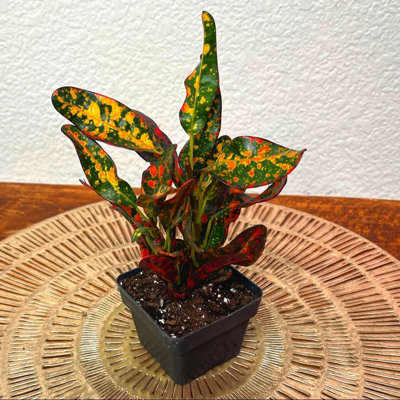
Crotons require a large amount of sunlight to develop the pronounced coloring that is characteristic of this plant's foliage. In the shade or semi-shade they tend to develop a large amount of green color and consequently they should be relocated to a sunny location in order to obtain maximum foliage color. You cant miss this plant, as it has some of the boldest and brightest foliage around. Speckled with golden spots, Crotons add a tropical touch to your home. These exotic plants have a reputation for being high-maintenance due to their tropical nature, but once established they are relatively low maintenance. Crotons like warm weather, and they tend to grow best in an environment that is around 70 degrees Fahrenheit. Temperatures below 60 degrees Fahrenheit or chilly drafts of air can cause the plant to lose its leaves, and it is possible that it may even die. Crotons have some of the boldest and brightest foliage around. Often vividly marked with bright yellow, orange, and red, these exotic plants have a reputation for being high-maintenance due to their tropical nature, but once they acclimate to their new home, theyre quite low-care. These gorgeous shrubs can jazz up an all-green landscape or work well with flowering shrubs or other plants prized for their bright foliage like the Ti plant.

More Options
By Wekiva Foliage LLC
2 Plants
FREE Delivery
The Tractor Seat Plant (Farfugium japonicum) is a striking foliage perennial prized for its large, glossy leaves that resemble the shape of old-fashioned tractor seats. Native to coastal regions of East Asia, this distinctive plant forms dense clumps of bold greenery that instantly create a lush, tropical appearance in shaded landscapes and decorative containers. Each rounded leaf emerges on sturdy stems and develops a smooth, polished surface that reflects light beautifully, giving the plant a vibrant and refined presence throughout the growing season. Its dramatic foliage provides strong visual contrast against finer-textured plants, making it a favorite choice for gardeners seeking bold leaf shapes and architectural interest. As the plant matures, it develops a tidy, mounding habit that gradually expands outward while maintaining an organized appearance. Farfugium japonicum is especially valued for its ability to bring texture and dimension to shaded garden beds, woodland settings, courtyards, and patio displays. In addition to its impressive foliage, mature specimens may produce cheerful yellow daisy-like blooms held above the leaves during the cooler months, adding seasonal color without overshadowing the plant’s foliage display. Its substantial leaves, dependable growth habit, and elegant form make it a standout feature wherever it is planted. Whether used as a focal point in containers or incorporated into larger landscape designs, the Tractor Seat Plant delivers year-round visual appeal through its combination of bold foliage, graceful structure, and unmistakable tropical character.

By Wekiva Foliage LLC
FREE Delivery
The 'Prolific' Kiwi Fruit Tree (Actinidia deliciosa) is a vigorous, fast-growing deciduous vine prized for its attractive foliage and abundant yields of delicious, fuzzy brown fruit. This variety is aptly named for its ability to produce large crops of flavorful kiwis when grown under proper conditions and with a compatible pollinator nearby. The fruits have a sweet-tart flavor and vibrant green flesh, making them a refreshing treat straight from the vine. The plant features lush, broad, heart-shaped leaves that provide ornamental value throughout the growing season. 'Prolific' kiwi vines can be trained on arbors, trellises, or fences, offering both beauty and bounty to the garden. This variety is best suited for temperate climates with warm summers and mild winters and can thrive in USDA Zones 79. With the right structural support and consistent care, the 'Prolific' kiwi vine becomes a standout addition to edible landscapes or backyard orchards. It's not only productive but also attractive, turning any sunny space into a vibrant, fruitful oasis. Ideal for gardeners seeking both ornamental charm and homegrown fruit, this variety rewards patience with bountiful harvests in just a few years after planting.

By Wekiva Foliage LLC
FREE Delivery
Dracaena Janet Craig is an interior workhorse, popular for decades, used frequently as a floor plant in interior situations or mass planted in beds. Survives in low light levels, grows best in filtered light. Dracaenas thrive on neglect, grow well in low light, and need very little water. These attractive plants have sword- shaped, leathery, dark green, shiny leaves that are about 3 wide and 2ft. in length. NASA lists the dracaena janet craig as an excellent clean air plant that helps eliminate harmful toxins from the environment. It is a strongly upright plant that tends to drop its lower leaves, exposing the stalk as it ages. This plant should be grown in bright indirect sunlight, but is known to tolerate lower light levels. Dracaenas require even moisture, good soil drainage, and cannot tolerate standing water. It is not particular as to soil type or pH.

By Wekiva Foliage LLC
FREE Delivery
The Croton Batik is a striking tropical plant admired for its bold, painterly foliage that makes a dramatic statement in any indoor or patio setting. Each leaf appears hand-painted, showcasing intricate patterns of green, yellow, cream, and red veining. These vibrant colors intensify as the plant matures, especially in bright light, making it a favorite among plant collectors and interior decorators alike. The Batik variety is known for its narrower, elongated leaves and its energetic visual contrast that adds a dynamic burst of life to any space. With its upright growth habit and richly variegated foliage, this croton offers year-round visual appeal. Ideal for bright indoor spaces or shaded outdoor patios, the Croton Batik performs best when given stable conditions and consistent care. It thrives in warm environments and appreciates moderate humidity, mimicking its native tropical habitat. Though bold in appearance, the plant itself is low-maintenance when its basic needs are met. With time, it can grow into a compact shrub-like form, developing a thick cluster of vivid foliage. Whether displayed as a centerpiece or among a collection of tropicals, the Croton Batik brings a unique, artful presence to any home or garden.

By Wekiva Foliage LLC
FREE Delivery
Ficus plants, also known as fig trees, are a genus of about 850 species of woody trees, shrubs, vines, epiphytes, and hemiepiphytes. They are native to tropical regions, but some species can also be found in semi-warm temperate zones. Ficus plants are popular indoor plants because they are easy to grow and offer a variety of options. They can range in size from creeping vines to tall trees. Ficus plants have glossy leaves that come in many colors and patterns. They can survive in various conditions, even though they are a tropical plant.