Show Related CategoriesCategory
to:Â
Succulent
Bamboo
Money Tree
Flowering
Palm
Dracaena
Philodendron
Fern
Pothos
382 Items

By Costa Farms
Rated 4.5 out of 5 stars.465 total votes
Get it by Thu, Jul 23
|
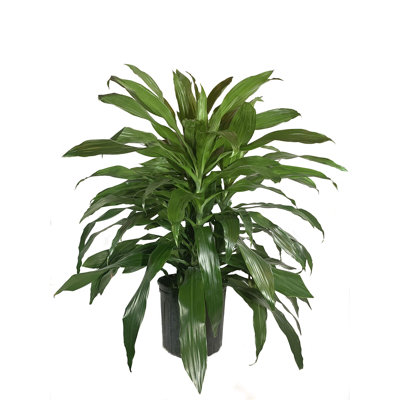
Easy-to-grow houseplant features rich green fronds that add instant life and beauty to any room. The fiddle leaf fig features large, fiddle-shaped leaves creating an instant designer impact and adding life to a brightly lit room at home, on a lightly shaded porch, or in the office. It grows best near a sunny window. The fiddle leaf fig is like a living sculpture: Set a fiddle leaf fig into a room and it will become an instant focal point. The tall, leafy shape of this plant is like a living piece of art. Fiddle leaf fig requires bright indirect light and is like regular watering. It needs the right spot in your home to shine. A great plant for homes and offices! Fiddle leaf fig is an ideal houseplant for any home, apartment, or office with the right light. Its lush form and green fronds make this houseplant a great gift. Fiddle leaf fig adds exotic allure to indoor décor: This houseplant is great for living rooms, dens, bedrooms, bathrooms, and kitchens.
Very beautiful plant. Love it. However, sad part is the bamboo stick broke and was broken when opening the box.. Torianne. Thu Jun 04 2026

By Costa Farms
Rated 4.3 out of 5 stars.230 total votes
Get it by Thu, Jul 23
|
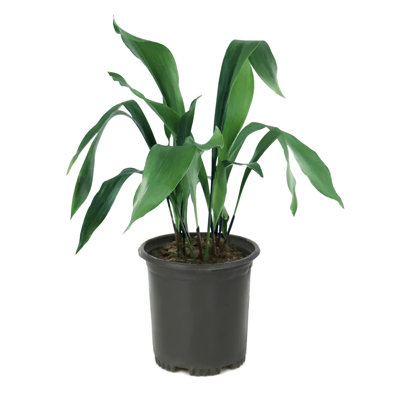
The Mass Cane is a classic indoor plant that combines strong structure with lush, tropical foliage, making it a staple in home and office décor. Its sturdy canes and broad green leaves create a balanced, grounded look that works well in a variety of interior styles. Perfect for living rooms, offices, or entryways, it adds height and greenery without overwhelming the space. Ideal for beginners and experienced plant owners alike, it offers dependable beauty with minimal effort.
Not the greatest. I died after a few months. Using artificial ones now. Josephine. Las Vegas, NV. Wed Jun 03 2026

By Costa Farms
Rated 4.5 out of 5 stars.99 total votes
Get it by Thu, Jul 23
|
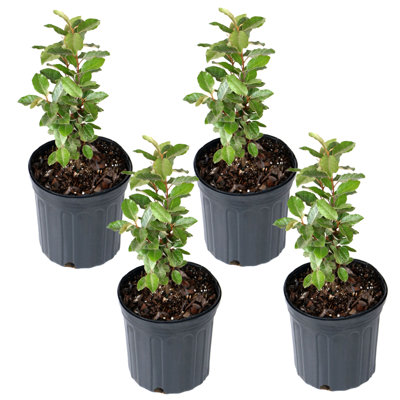
Add timeless structure and elegance to your space with this 3-ball Eugenia Topiary, a classic statement plant designed to elevate patios, entryways, and garden settings. Featuring neatly trimmed spheres of dense, glossy green foliage, this sculpted topiary brings a refined, polished look that complements both modern and traditional decor. Its upright form creates vertical interest, making it ideal for framing doorways or enhancing outdoor containers. Eugenia is prized for its small, vibrant leaves and naturally dense growth habit, allowing it to maintain its sculpted shape with minimal effort. Its rich green foliage adds a clean, sophisticated touch while providing year-round visual appeal in warm climates. Perfect for patios, porches, balconies, and garden spaces, this versatile topiary can also be placed indoors in bright light. Its structured design and lush greenery create an inviting, upscale atmosphere in any setting.
Just what I wanted for my front porch.. Lee. St. Petersburg, FL. Wed May 06 2026

By Wekiva Foliage LLC
FREE Delivery
|
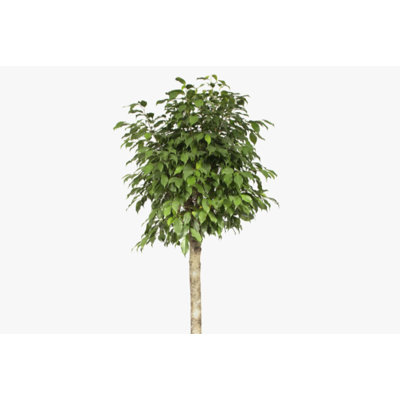
An evergreen shrub or tree with drooping branches, the leaves are alternate, simple, long-tipped, and glossy. The flowers and fruits are enclosed in a fleshy sac that turns from green to orange-red to red and then purplish black. Ficus benjaminia is a very popular houseplant because of its tolerance of poor growing conditions. It performs best in bright sunny locations but will also survive in shade. It is very sensitive to light so if the plant is moved, expect it to drop leaves and produce new ones that are accustomed to the new light conditions. Water regularly to keep soil from completely drying out. The plant does not require misting. It is intolerant to cold and should be kept away from drafts. It has been shown to effectively remove indoor air pollutants. Ficus benjamina, commonly called weeping fig, is native from India to northern Australia. It is a broadleaf evergreen tree that grows to 50 tall. It is widely grown in the tropics as an ornamental tree or hedge. Trunks are sometimes braided for ornamental interest. Glossy, pointed, oval to elliptic leaves (to 4 long). Twigs arch gracefully. Stems have milky sap. This tree rarely flowers or fruits indoors. Even if flowers were produced, fruit production would still be unlikely in large part because of the absence of the necessary pollinating wasps.

By Wekiva Foliage LLC
FREE Delivery
|
A low-branching, bushy tree originating in Central America, Annona muricata is known as soursop in English and guanabana in El Salvador and other Spanish-speaking countries. The soursop tree, which can grow from 25 to 30 feet tall, produces an oval-shaped fruit with tender yellow-green skin and white, juicy flesh often made into drinks, sherbet, preserves and sweets. Grown in a variety of countries, including Mexico, the West Indies, northern South America, China, Australia and Africa, soursop prefers a tropical climate and cannot survive a frost, often suffering damage at 30 degrees Fahrenheit and dying at 26 degrees Fahrenheit. U.S. Department of Agriculture plant hardiness zones 10 and 11 in rich, well-drained soil with 5 to 6.5 pH suit this warm-weather plant best. Water soursop plants often enough to keep the soil moist, but not wet, during hot weather. When the weather turns cool in the winter, reduce water intake. Soursop plants tolerate drought well, but can develop pest problems if kept too wet.

By Wekiva Foliage LLC
FREE Delivery
|
This beautiful variety is actually a random mutation of the variety Hilo Girl. Its a compact, upright plant perfect for filling in a narrow space or used in a patio planter. The foliage has a natural glossy sheen that enhances the light and dark green striped leaves. May be grown indoors during winter if placed in a bright location. Hawaiian Sunshine (Dracaena Hawaiian Sunshine) is a green dracaena (D. deremensis) cultivar that was developed from the Lisa (D. Lisa) cultivar. The plant is characterized by dark green, downward facing leaves that are marked with clean, bold chartreuse variegation. It is notable for its strong, consistent color and durability as a house plant. Like other Dracaena plants, Hawaiian Sunshine is fairly low maintenance and adaptable. Hawaiian Sunshine is grown easily as a houseplant, accepting a variety of lighting conditions. Bright, indirect light is ideal, though Hawaiian Sunshine will tolerate dimmer light. Dracaenas prefer daytime house temperatures between 60 and 70 degrees Fahrenheit, and nighttime temperatures that are about 10 degrees cooler. These tropical plants can grow outdoors only in frost-free conditions. Any climate zones lower than U.S. Department of Agriculture plant hardiness zones 10B and 11 probably will be too cold for Hawaiian Sunshine.

By Wekiva Foliage LLC
FREE Delivery
|
One of the most colorful Dracaena varieties available. The red tinted foliage adds a decorative accent to any room. May be grown outdoors during frost-free weather. Use it as a potted plant, in the garden, or mixed with colorful annual plants in a large patio planter. Its easy to care for, requiring little light or water, and is quite hardy in most temperatures. The Madagascar Dragon Tree is characterized by long, narrow leaves that are extremely spiky. The foliage is generally dark green with edges that are adorned with a reddish purple and can grow up to 16 inches in length. As the tree grows, it will naturally lose its lowest leaves leaving tufts of leaves atop a bare woody cane. Marginata is the coolest looking variety. It grows slower than the other varieties, but has a much more vibrant red pink coloration. Dragon trees do best in partial shade. This means that if youre growing indoors, you should have it on a north-facing windowsill, near one facing east or west, and further away from one facing south. You will know youre giving the plant too much light if the leaves burn. On the flip side, youll know you arent giving it enough light when the accent colors on the leaves start to fade.

By Wekiva Foliage LLC
FREE Delivery
|
Introduce the elegance of nature to your home with the Marble Queen Pothos (Epipremnum Aureum 'Marble Queen'). This exquisite indoor plant features stunning variegated leaves with a beautiful blend of green and creamy white, making it a standout addition to any indoor space. Known for its hardy nature and low maintenance requirements, this hanging basket plant is perfect for both novice and experienced plant enthusiasts.

By Wekiva Foliage LLC
FREE Delivery
|
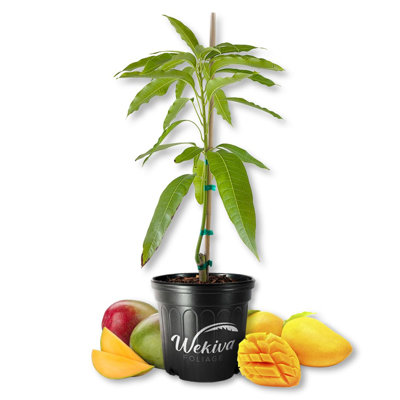
The Mango Tree (Mangifera indica) is a fast-growing tropical fruit tree prized for its lush foliage, fragrant blossoms, and delicious fruit. Known for its glossy, evergreen leaves and broad canopy, this tree adds both visual appeal and practical value to any landscape. When mature, mango trees can reach heights of 30 to 100 feet depending on variety and growing conditions, although container-grown or grafted types remain more compact. Each spring or early summer, the tree produces small, cream-colored flower clusters that eventually yield one of the worlds most sought-after tropical fruits. Mangoes range in flavor from rich and spicy to sweet and citrusy, and typically ripen during the warmest months of the year. This heat-loving tree thrives in subtropical to tropical climates and adapts well to both ground planting and large containers in warmer zones. Ideal for home gardeners seeking a reliable, productive fruit tree, the Mango Tree offers not only flavorful harvests but also ornamental value, with its dense crown, long leaves, and striking seasonal growth. With the right placement and care, it can become a centerpiece of your edible landscape, orchard, or patio garden. A rewarding tree for growers who appreciate beauty and bounty in one.The 'Keo Savoy' mango tree is a beloved Cambodian variety renowned for its crisp texture, mild sweetness, and versatility for both fresh eating and culinary use. Unlike many traditional mango varieties, Keo Savoy mangoes are often enjoyed while still firm and green, offering a refreshing and crunchy bite with a clean, mildly sweet flavor that makes them popular in Southeast Asian cuisine. The tree itself is moderately vigorous with an upright, open canopy, making it easy to manage in both large garden spaces and smaller tropical yards. Its fruits are medium to large in size, oval-shaped, and ripen to a pale green or light yellow color depending on when they are harvested. When eaten ripe, the flesh becomes softer and juicier, delivering a slightly sweeter profile, but many prefer to enjoy it while still crisp for its unique texture and balance of sweet and tangy notes. This dual-purpose nature makes the Keo Savoy mango especially unique among mango trees. It ripens mid to late season and is known for its long shelf life, even when harvested green. For growers looking for a refreshing, crunchy, and mildly sweet mango with cultural and culinary versatility, the Keo Savoy is an outstanding choice.

By Wekiva Foliage LLC
FREE Delivery
|
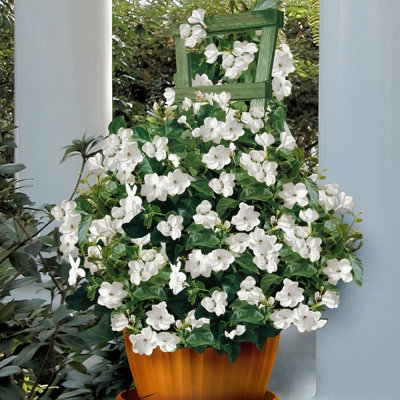
Mandevilla, also known as rocktrumpet, is a genus of flowering vines that grow in tropical and subtropical climates. The five-petal flowers are often showy and fragrant, typically coming in shades of pink, red, and white, occasionally with yellow throats. They generally bloom in summer and can stretch into fall, though in warm climates they can bloom year-round. Some species within the genus have smaller, more plentiful blooms while others have fewer, larger blooms. Their foliage is usually a glossy green. Within their USDA growing zones, mandevilla plants can be grown as perennials; gardeners outside of their zones often like to grow them as annuals, especially in containers. These fast-growing vines should be planted in mid-to-late spring once the temperature is reliably warm and the risk of frost has passed. Mandevilla plants are fairly easy to care for as long as you get their growing conditions right. The vines thrive in lots of light, warmth, and moisture, so plan to water yours whenever the soil begins to dry out, and feed your plant during the growing season. If you wish to promote a bushier growth habit on these vines, pinch back the stems in early spring. If you let them naturally grow as vines, its a good idea to provide them with a trellis or other structure they can climb around. The vines also look great in hanging baskets.

3 Sizes
By Wekiva Foliage LLC
40" H x 10" W x 10" D
FREE Delivery
|
It is a tropical tree which makes a fine addition to a South Florida gardener's backyard fruit orchard. A native of the West Indies, it is a small, attractive, fast-growing tree that won't reach much more than 12 feet, although it can be kept clipped back to shrub size. It's leaves are small and evergreen, borne densely on rather brittle branches. The branches of some varieties droop; others are quite upright. The bright pink, five-petaled flowers are small but pretty, with the trees blooming mainly from April through October although some blossoms appear year around. Fruiting is from May to November, but again, a few cherries may be picked now and then throughout the winter. Barbados cherry, or acerola, is a large, bushy shrub or small tree that reaches mature heights of about 12 feet (3.5 m.). This attractive shrub produces thick, bright green leaves. Small, pinkish-lavender flowers bloom from spring to fall, and may pop up year round in warmer climates usually after irrigation or a rainfall. Harvest Barbados cherries when the fruit is fully ripe. Wear gloves, though, because the fuzz on the stems and leaves can irritate the skin, especially when the tree is young.

By Wekiva Foliage LLC
FREE Delivery
|
The Pencil Cactus (Euphorbia tirucalli) also commonly called milk bush due to its thick, white sap is native to semi-arid tropical regions of Africa and India. In the wild, the Pencil Cactus can grow up to 30 feet tall and well over 6 feet indoors. This stem succulent is not a true cactus and photosynthesizes in its stems, not through the small leaves that appear at the end of its new growth (which are inconsequential to the plants health). The plants have slender, slightly toothed stems without any foliage growth. The name derives from the branches, which are about the diameter of a pencil. When new branches sprout, the end of the branch can be tinted slightly pink and tiny leaves may appear. These leaves will disappear once the branch matures. The pencil cactus needs high levels of light and moderately low moisture. It is an excellent houseplant and provides an interesting silhouette.

By Wekiva Foliage LLC
FREE Delivery
|
If you are lucky enough to live in USDA hardiness zones 8 to 11, you can grow a banana plant (Musa spp.) outdoors and let it get as large and spread as wide as the space you have in your garden. But if you're hankering for a tropical environment and live in a colder zone, you can still grow this stunning specimen indoors in a container. Most types of bananas plants prefer to grow in full sun, meaning at least six hours of direct sunlight on most days. However, some varieties can scorch easily and will do better in partial shade. These plants love organically rich, deep soil with good drainage and a slightly acidic soil pH. They typically have poor tolerance for salt in the soil. Banana trees are tropical and originate in rainforests, so they need a lot of water and plenty of moisture in the air. They do best when planted in groups fairly close together, as this helps to retain moisture in the leaves. Water regularly to make sure the soil stays evenly moist but not soggy. Avoid overwatering, which can cause root rot. These plants thrive in warm, humid conditions, but they don't like temperature extremes. Even the hardy, cold-tolerant banana tree species prefer consistent temperatures ranging between 75 and 95 degrees Fahrenheit.

By Wekiva Foliage LLC
FREE Delivery
|
Dracaena fragrans, commonly known as corn plant, is a popular, durable, easy-to-grow indoor houseplant that is native to tropical Africa. Although it may soar to 20 tall or more in its native habitat, it more often is seen in the 4-6 tall range as a container plant in the U.S. Rosettes of evergreen, parallel-veined, sword-shaped, bright green leaves typically grow to 2 long and 3 wide indoors in containers, but may reach 3 long in outdoor locations. Over time, plants lose their lower leaves revealing bare stems. Fragrant, tiny, white-yellow flowers in round heads appear in terminal panicles. Flowers may be followed by red berries. Flowers and berries rarely appear on indoor plants, however. Limelight features bright, glossy yellow-green leaves which mature to a light lime green. Slow growth rate. Typically thrives in low light interior settings. Matures to 15 tall when grown in the ground outdoors but to a smaller 6 tall when grown indoors in a container. This plant should be grown in bright indirect sunlight, but is known to tolerate lower light levels. Dracaenas require even moisture, good soil drainage, and cannot tolerate standing water. Allow soils to dry slightly between waterings, but never allow the soils to totally dry out. Plants tolerate a wide range of indoor temperatures, but are best grown in temperatures of 60-75 degrees F. Plant containers may be placed outdoors in summer but should always be brought back indoors in early fall before outdoor temperatures begin to dip below 50 degrees F. This is a frost-free tropical perennial.

By Wekiva Foliage LLC
FREE Delivery
|
Discover the beauty of the Licuala Peltata Palm Tree, a stunning variety of palm that adds elegance and tropical charm to any indoor or outdoor space. This attractive palm is characterized by its large, round, lush green leaves that fan out from the center of the plant, creating an umbrella-like canopy. Whether you're a seasoned plant enthusiast or just starting your collection, the Licuala Peltata Palm Tree is an excellent choice for your home or office. This low-maintenance palm is easy to care for and will thrive in a range of environments, including low to bright indirect light, moderate to high humidity, and well-draining soil. If you're looking for a unique and beautiful addition to your indoor space, the Licuala Peltata Palm Tree is an excellent option. This plant is a popular variety among indoor plant enthusiasts and is perfect for creating a tropical oasis in your home or office. This palm is also a great choice for those looking for a lower maintenance option compared to other popular indoor palms like the Areca or Fishtail Palm. When it comes to caring for your Licuala Peltata Palm Tree, regular watering is essential to keep the soil evenly moist. Be sure to avoid over-watering or letting the soil dry out completely, as this can harm the roots and lead to yellowing of the leaves. In addition, this palm will benefit from regular misting to increase humidity and keep the leaves looking healthy and vibrant. With its lush green leaves, the Licuala Peltata Palm Tree makes a beautiful and tropical statement in any indoor or outdoor space. This plant is easy to care for and will provide years of enjoyment with the right amount of light, water, and humidity. Whether you're looking to spruce up your home or office, or add a touch of tropical beauty to your garden, the Licuala Peltata Palm Tree is the perfect choice.

By Wekiva Foliage LLC
FREE Delivery
|
Dracaena Lisa is a very widely used indoor floor plant. Its dark green leaves and stems are its defining characteristics. Unlike the very similar Janet Craig, Lisa has much thicker stalks that can be solid green or blended green and tan. Lisa's foliage (in comparison to JC's) is more narrow, compact, shorter in length, and stands more upright. Lisa is very easy to keep healthy, and is highly tolerant to many indoor lighting conditions, including lower light. Like most Dracaenas, it is slow growing, so it can maintain its size and shape for some time without much maintenance. It can tolerate low light (not no light) conditions much better than other interior Dracaena varieties like Mass Cane, Compacta, Marginata, Warnekii, and Rikki. Lisa can also tolerate low light much better than most other houseplants. If placed in a low light area, much care must be taken when watering. Over-watering can happen very easily in low light since a plant's productivity slows as its light decreases. Since Lisa operates on the slow side anyway, the plant can become nearly dormant in low light. Moisture soil or lava moisture should be carefully checked before watering. It can survive well in high light but has the tendency to lose its deep green color. High light conditions will increase the amount of water it will need and can also increase growth and the development of mealy bug.

By Wekiva Foliage LLC
FREE Delivery
|
This strain of the Cavendish banana will actually produce fruit at a manageable height of just 3 or less. The bananas will appear often after one year. Container grown bananas can be wintered over in a sunroom, an above freezing garage or cellar. Banana plants grown in a garden can be dug and lifted out of the ground before winter and stored in an above freezing area. The plant will have yellow leaves but the trunk and some of the roots will be alive waiting for the next growing season. This is one way to grow bananas in the north. This method also helps to contain their size so they are manageable. Often Dwarf Banana plants are found growing in parts of Asia for mass cultivation and they are sometimes grown as tall specimen plants in gardens at the back of borders to add a touch of the tropics. These Dwarfs can still easily reach 6ft 2m, so with this in mind a young new plant will live happily on a window ledge for a few years at most but that's it, afterwards the space will have run out and you will need somewhere bigger. They grow quickly when it's warm, rewarding you with one new leaf every week or so, they look truly stunning and unique all the time, adding a tropical interest to any area. If allowed to reach its statuesque proportions, it will dominate in a graceful balanced way that very few houseplants can ever match.

By Wekiva Foliage LLC
FREE Delivery
|
The bluestem palmetto has a trunk that, in Florida, rarely emerges from the ground and rarely produces side shoots. Sabal minor is reported to have reached 18 feet tall in Texas. The dark green, costapalmate leaves vary in size depending on the age of the plant but may reach a length of 5 feet. The fan-shaped leaves of the bluestem palmetto are palmately lobed and segmented with the segments split to 23 their length. Bluestem palmetto will perform quite well as a specimen in a small garden. Its large leaves and small size make it stand out in the company of other plants. It is also impressive when massed as a tall ground cover. Plant shrubs 4 to 6 feet apart to establish a dense ground cover. Sabal minor is valued for its hardiness and tropical appearance. It must have a full-sun to partial-shade position in the landscape. The plant is adaptable to many soil types as long as they are well-drained, and it is drought tolerant. These palms will even grow well on relatively shallow soils.

By Wekiva Foliage LLC
FREE Delivery
|
The Mango Tree (Mangifera indica) is a fast-growing tropical fruit tree prized for its lush foliage, fragrant blossoms, and delicious fruit. Known for its glossy, evergreen leaves and broad canopy, this tree adds both visual appeal and practical value to any landscape. When mature, mango trees can reach heights of 30 to 100 feet depending on variety and growing conditions, although container-grown or grafted types remain more compact. Each spring or early summer, the tree produces small, cream-colored flower clusters that eventually yield one of the worlds most sought-after tropical fruits. Mangoes range in flavor from rich and spicy to sweet and citrusy, and typically ripen during the warmest months of the year. This heat-loving tree thrives in subtropical to tropical climates and adapts well to both ground planting and large containers in warmer zones. Ideal for home gardeners seeking a reliable, productive fruit tree, the Mango Tree offers not only flavorful harvests but also ornamental value, with its dense crown, long leaves, and striking seasonal growth. With the right placement and care, it can become a centerpiece of your edible landscape, orchard, or patio garden. A rewarding tree for growers who appreciate beauty and bounty in one.The 'Cotton Candy' mango tree is a highly coveted modern variety developed in Florida, celebrated for its exceptionally sweet, candy-like flavor that lives up to its playful name. This variety is a standout for home growers and collectors who seek unique and intensely flavorful mangoes. The tree is moderately vigorous and forms a dense, rounded canopy that performs well in tropical and subtropical climates. It produces medium to large fruit with smooth, yellow skin that may take on a soft blush as it ripens. The flesh inside is bright orange, completely fiberless, and incredibly juicy, providing a melt-in-your-mouth texture that enhances its dessert appeal. The defining feature of the Cotton Candy mango is its incredibly high sugar content, delivering a taste that strongly resembles spun sugar or carnival-style cotton candy, with undertones of tropical fruit. It typically ripens mid to late season, extending the mango harvest well into summer. Though not widely available, the Cotton Candy mango is gaining a reputation for being one of the sweetest mango varieties in existence. Its extraordinary flavor and smooth, creamy flesh make it a must-have for mango lovers who appreciate indulgent, memorable fruit.

By Wekiva Foliage LLC
FREE Delivery
|
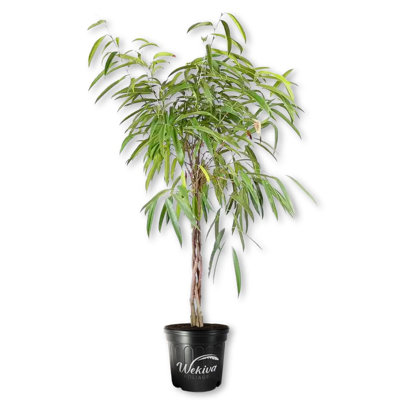
The ficus Alii, or Amstel King as it is sometimes called, is a large plant that originally came from Asia, Malaysia, and India. It was first grown commercially in Hawaii where it got the Hawaiian name alii which means king. Although a ficus Alii is closely related to the ficus Benjamina, the Alii variety is much more tolerant and forgiving. The long, narrow leaves are naturally glossy and taper to a point. As this ficus tree grows, it may drop its lower leaves revealing a bare woody trunk, giving this tree a palm-like appearance. Care is easier than for many of its relatives. You'll find it's less temperamental than F. benjamina, that drops its leaves when it doesn't get what it wants. However, leaf drop is possible with 'Alii' if it doesn't get enough light and regular waterings. The Ficus alii braid image that you can see here got its name from its braided trunks. Its long slender dark green leaves provides an oriental look. This appeal makes it an extremely attractive plant that is appealing both to the interior plantscape industry and to the home market. Moreover, it is believed to have the ability to purify the air. Growth tips are pronounced pink to red that beautifully contrasts against its broad, longer, wider, banana-shaped glossy leaves.

By Wekiva Foliage LLC
FREE Delivery
|
Handsome, sturdy specimen with exceptionally straight trunk topped by glossy, feathery fronds. Great vertical effect for large gardens. Useful for park and street plantings. Evergreen. With its crinkled fronds, Queen is among the most graceful of the palms. This stately landscape palm grows more frost tolerant as it ages, but won't stand up to a hard or prolonged freeze. A good candidate for oceanfront landscapes and larger homesites inland, provided there are few gusts of hot wind to tatter its fronds. The best and most adaptable candidate for tropical, semitropical and postmodern landscapes. Although it casts little shade, this palm makes a fine street tree. Grow as a single specimen or in clusters of three to five. Follow a regular watering schedule during the first growing season to establish a deep, extensive root system. Watering can be reduced after establishment. Feed with a general purpose fertilizer before new growth begins in spring.

2 Sizes
By Wekiva Foliage LLC
40" H x 10" W x 10" D
FREE Delivery
|
Trumpet trees are loved for their dazzling display of blossoms that burst forth ahead of their leaves in spring. Traditionally known as Tabebuia, some of these trees are now recognized with a different botanical name. The common name refers to the elongated flowers that resemble a trumpet. Handroanthus chrysanthus (formerly Tabebuia chrysotricha), is commonly called golden trumpet tree. This fast growing tree is great for Central and South Florida. Reaching a height of 25 to 35 feet tall with a spread of 25 to 35 feet, H. chrysanthus has brilliant yellow flowers that bloom in the spring just after the foliage drops away. These trees are relatively easy to grow and it seems that everyone wants one when they are flowering. This deciduous tree is native to South and Central America, and has been introduced to the Caribbean islands, United States, Kenya, and India. It grows best in warm and moist climates when in full sun. Sometimes evergreen but most often deciduous, golden trumpet tree has four-inch-long silvery leaves with tan, fuzzy undersides. These leaves drop for a short period in April to May, and it is at this time that the trees put on their heaviest flowering display, the trumpet-shaped, bright yellow blossoms appearing in clusters. Some trees produce a small number of flowers sporadically throughout the warm season. The eight-inch-long seeds which follow are brown, hairy, and persist on the tree through the winter.

By Wekiva Foliage LLC
FREE Delivery
|
Introduce a touch of tropical elegance to your indoor space with the Sweetheart Philodendron Hanging Basket. Known scientifically as Philodendron Cordatum, this lush and versatile plant features heart-shaped, glossy green leaves that cascade gracefully from its hanging basket, creating a stunning visual effect. Perfect for any plant lover, this philodendron thrives in various indoor environments, adding a vibrant and refreshing element to your home decor. Enhance your indoor garden with the Sweetheart Philodendron Hanging Basket, a perfect blend of beauty and ease. Order now to bring a piece of tropical paradise into your home!

2 Sizes
By Wekiva Foliage LLC
40" H x 10" W x 10" D
FREE Delivery
|
Adenium desert rose plants are perfect specimens for the intrepid or novice gardener. These East African and Arabian natives are wonderful in the interior container garden or as warm climate additions to the patio display. Caring for desert rose plants requires a full sun location and well-drained soil. Properly mimicking their native regional conditions will garner plenty of rose-like blooms on an architectural marvel of a plant. Desert rose is a low-maintenance succulent that produces dozens of trumpet-shaped flowers in shades of pink, rose, or white in the summer. Like many succulents, it needs conditions that are bright, warm, and dry. Desert rose (Adenium obesum) and its many hybrids are often seen in retail garden centers. Flowers average and may be single, double, or even triple. To maintain the profuse flowering, the plants must six hours or more of bright light each day. Desert rose makes a dramatic specimen for a deck or patio but since it's sensitive to temperatures below 40 degrees, its usually grown in containers that can be brought inside for winter. South Florida gardeners can grow this as a small shrub.

By Wekiva Foliage LLC
FREE Delivery
|
The Starfruit Tree, also known as Averrhoa Carambola, is a highly productive and visually captivating tropical fruit tree admired for its unique, star-shaped fruit. Native to Southeast Asia, this tree is celebrated for its compact form, lush foliage, and year-round ornamental appeal. Its glossy, pinnate leaves close up at night or when disturbed, adding an interactive dimension to its beauty. When mature, the tree produces an abundance of golden-yellow fruit with waxy skin and crisp, juicy flesh. The fruits signature star shape appears when sliced, making it a striking addition to fruit salads and culinary presentations. Starfruit offers a mildly sweet and tangy flavor, and trees often bear fruit multiple times per year under the right conditions. The Starfruit Tree is ideal for tropical and subtropical regions and also adapts well to large containers for patio growing. Its manageable size, paired with its exotic appearance and fruiting capability, makes it a favorite among home gardeners and tropical fruit enthusiasts alike.

By Wekiva Foliage LLC
FREE Delivery
|
Dracaena Rikki (Dracaena deremenis Rikki) is a relatively new type of dracaena recognized by arching, deep green leaves, each marked with a yellow stripe running lengthwise down the center of the leaves. Dracaena Rikki is a fast-growing plant that reaches heights of 8 to 12 feet at maturity. This tough, low-maintenance plant is suitable for planting outdoors in the warmer climates of U.S. Department of Agriculture plant hardiness zones 10b through 11. Dracaena Rikki is a relatively new cultivar belonging to the deremensis species of dracaena. Deremensis is less common than other dracaena species, which include Dracaena marginata, a purple and green plant also known as dragon tree; Dracaena fragrans, commonly known as corn plant; or Dracaena godseffiana, a small, gold-flecked plant known as Gold Dust. Dracaena deremensis cultivars include not only Rikki, but also Janet Craig, Warneckii and Compacta. Dracaena Rikki prefers a shaded area or dark corner of the garden, as low light brings out the bright colors of the leaves. Too much intense sunlight may result in leaves with a scorched, dry, streaky appearance. Water the plant deeply to saturate the root zone, and then allow the top of the soil to dry slightly before watering again, as soggy soil smothers the roots and causes rot. Dracaena Rikki is a good plant for indoors with low or moderate light. If the yellow markings on the leaves begin to fade, move the plant into slightly brighter light but avoid direct, intense sunlight. Dracaena performs best with moderate amounts of water. To water dracaena, water the plant deeply and then allow the soil to drain thoroughly. Allow the top 2 inches of potting mixture to dry before the next watering.

By Wekiva Foliage LLC
Rated 1 out of 5 stars.1 total vote
FREE Delivery
|
Transform your backyard into a fruitful oasis with our majestic Mulberry Trees. Experience the joy of harvesting succulent, sweet berries straight from your own garden. Hardy, easy to care for, and bursting with flavor indulge in nature's bounty with every luscious bite.
What an absolute joke. Beyond disappointed. Leandra. Tucson, AZ. Tue Jan 27 2026

By Wekiva Foliage LLC
FREE Delivery
|
A cashew tree (Anacardium occidentale) is an evergreen tree and nut tree belonging to the Anacardiaceae family. It is native to northeastern Brazil and southeastern Venezuela in South America. The fruit of the cashew tree (known in Central America as maran) grows from the flowers pedicels. Cashew fruits are commonly called cashew apples and are commonly used in jams and jellies, though they are technically an accessory fruit rather than a true fruit. Mature trees also produce cashew seeds, which are actually the trees distinctive cashew nuts. The cashew nut is high in calcium, vitamin C, and carbohydrates. Cashew nuts belong to the same family as the pistachio nut and are useful for making creamy nut butter. Grow your cashew tree in a warm climate. Cashew trees grow best in USDA hardiness zones ten and eleven. Provide at least six hours of daily direct sunlight for maximum growth of these fruit trees. Cashew trees that get too much shade tend to produce fewer cashew seeds.

By Wekiva Foliage LLC
FREE Delivery
|
The Suriname Cherry Tree, scientifically known as Eugenia uniflora, is a tropical evergreen native to South America. Recognized for its vibrant, cherry-like fruits, this tree brings a burst of color to any garden or landscape. With its dense, glossy foliage and charming ornamental presence, it serves as both a functional and decorative addition to your home or garden. The tree produces small, aromatic flowers that develop into the distinctive fruits, which ripen into shades of red, purple, or black, depending on the variety. These fruits are not only edible but also prized for their sweet and slightly tart flavor. The tree itself has a bushy growth habit, typically reaching heights of 10 to 15 feet, with a compact structure that makes it suitable for smaller spaces or container gardening. Suriname Cherry Trees thrive in full sunlight, making them a perfect choice for bright garden corners. Their fast-growing nature ensures they can quickly establish themselves, offering shade and visual interest throughout the year. Known for their hardiness, these trees are easy to maintain, making them an excellent choice for novice gardeners. Additionally, their dense foliage offers a natural privacy barrier, making them ideal for hedges or as standalone specimens in your garden.

By Wekiva Foliage LLC
FREE Delivery
|
The Mango Tree (Mangifera indica) is a fast-growing tropical fruit tree prized for its lush foliage, fragrant blossoms, and delicious fruit. Known for its glossy, evergreen leaves and broad canopy, this tree adds both visual appeal and practical value to any landscape. When mature, mango trees can reach heights of 30 to 100 feet depending on variety and growing conditions, although container-grown or grafted types remain more compact. Each spring or early summer, the tree produces small, cream-colored flower clusters that eventually yield one of the worlds most sought-after tropical fruits. Mangoes range in flavor from rich and spicy to sweet and citrusy, and typically ripen during the warmest months of the year. This heat-loving tree thrives in subtropical to tropical climates and adapts well to both ground planting and large containers in warmer zones. Ideal for home gardeners seeking a reliable, productive fruit tree, the Mango Tree offers not only flavorful harvests but also ornamental value, with its dense crown, long leaves, and striking seasonal growth. With the right placement and care, it can become a centerpiece of your edible landscape, orchard, or patio garden. A rewarding tree for growers who appreciate beauty and bounty in one.The 'Carrie' mango tree is a highly regarded Florida variety known for its exceptional flavor, compact size, and early fruiting. This tree is especially popular among home gardeners and collectors who appreciate bold, complex taste in a manageable growing package. The Carrie mango tree is semi-dwarf and naturally bushy, making it an excellent option for small yards or container planting. It is also precocious, often producing fruit in just a few years. The fruit itself is small to medium-sized, oval in shape, and typically ripens to a solid yellow with minimal blush. What truly sets Carrie apart is its intensely rich and spicy flavor profile, which includes strong tropical and resinous notes balanced by a smooth, sweet finish. The flesh is completely fiberless, soft, and juicy, providing a melt-in-your-mouth texture that mango enthusiasts love. Carrie mangoes ripen early in the season, giving growers an early taste of the harvest and a reliable crop year after year. Because of its bold flavor, compact form, and early yield, the Carrie mango tree remains a favorite for those who want a flavorful mango with a big personality in a small space.

By Wekiva Foliage LLC
FREE Delivery
|
It would be hard to find a more morphologically diverse species in the palm kingdom. This gorgeous palm varies from a profusely suckering red crownshafted plant with maroon leaves, to a single trunked orange version with green leaves, and everything in between. It has been reported that there is substantial color variation depending on elevation, with the more colorful plants coming from higher elevations. Observations, at least in cultivation, indicate the maroon variety suckers more readily than the orange form. Clumping individuals will attain widths up to 15 ft4.5m and heights of 20-25 ft6-8m. This palm will often times exhibit distinct arial or stilt roots emerging from the 3-4in7-10cm. diameter trunks. These palms are monoeceious with small yelloworange flowers emerging from beneath the crownshaft that bear orange to dark red ovoid fruit similar to Areca catechu. Although tropical in nature, this palm appears able to withstand periodic low temperatures, but will eventually succumb to persistent coolness, often times only surviving until January in the So. California winter. It could probably survive close to nightime freezing, if the days remained on the warm side, as is often the case in parts of Florida. They prefer a sheltered, consistently moist and humid location, with more shade in less humid environments. A rich well draining soil would appear to be the best. It fruits profusely at a young age, and the seeds volunteer easily. The rate of growth can be surprisingly quick when given suitable growing conditions. Cold Hardiness Zone: 10a.

By Wekiva Foliage LLC
FREE Delivery
|
Growing a mango tree is best suited to tropical and subtropical hardiness zones where temperatures do not fall below 40 degrees Fahrenheit. Although it can be tricky to grow, a mango tree can make an interesting specimen when grown in a large pot outdoors or indoors. In the right conditions, this tree forms a dense canopy of long oblong green leaves and rewards you with flowers in December through March; the fruit comes three to five months later. Mango trees planted in the garden are more likely to fruit than potted trees, but small varieties suitable for containers, such as a dwarf spotted mango, are capable of fruiting if they receive enough sunlight. Mango trees grown in a garden or potted on an outdoor deck or patio usually fare somewhat better. Saplings should be planted in spring; in the garden, it's important to plant during a cool season. A mango tree will require plenty of light and warmth to keep it happy. This tree reacts very badly to temperatures below 40 degrees Fahrenheit and will drop fruit if it gets too cold. Indoors, it can be hard to provide the plant with enough light to thrive. Young mango tree seedlings require bright light but not direct sunlight. Once the tree starts to grow and mature, it requires as much sunlight as possible, which may mean a potted tree needs to move outdoors. The mango tree needs at least six hours of sun per day and preferably eight to ten hours.

By Wekiva Foliage LLC
FREE Delivery
|
The Ficus family includes a large number of species including the rubber plant (Ficus elastica), weeping fig (Ficus benjamina) and fiddle-leaf fig (Ficus lyrata). Ficus grown as houseplants are much smaller than their outdoor counterparts, which grow in U.S. Department of Agriculture plant hardiness zones 10 through 12. Most ficus grown indoors are woody tree-like plants with single or multi-stemmed trunks. Plant the ficus in a well-draining potting mix. Purchase a loamy soil with added vermiculite or perlite for drainage, or mix your own. Use 3 parts loam 1 part peat and 1 part sand for a well-draining mixture. Plant in a deep pot with drainage holes so the water can run out. Place the ficus near a window in a room that gets bright light in the summer with more moderate light in the winter. Water weekly during the summer with room-temperature water. Add water until it drains from the bottom of the pot. Discard the excess water if it flows into a container. Adjust the watering for your particular plant. Allow the soil to dry slightly between waterings. If the leaves turn yellow and begin to drop, you may need to increase or decrease the amount of water. Check the root ball. If the roots are soggy water the plant less often. If they are dry, increase watering. Humidity and light levels affect the amount of water needed. Ficus are sensitive to changes in their environment. They react to these changes by dropping leaves. The leaves turn yellow and fall off. If you have just moved your ficus to a new location, expect leaf drop. The leaves will grow back when the plant adjusts.

By Wekiva Foliage LLC
FREE Delivery
|
The Mango Tree (Mangifera indica) is a fast-growing tropical fruit tree prized for its lush foliage, fragrant blossoms, and delicious fruit. Known for its glossy, evergreen leaves and broad canopy, this tree adds both visual appeal and practical value to any landscape. When mature, mango trees can reach heights of 30 to 100 feet depending on variety and growing conditions, although container-grown or grafted types remain more compact. Each spring or early summer, the tree produces small, cream-colored flower clusters that eventually yield one of the worlds most sought-after tropical fruits. Mangoes range in flavor from rich and spicy to sweet and citrusy, and typically ripen during the warmest months of the year. This heat-loving tree thrives in subtropical to tropical climates and adapts well to both ground planting and large containers in warmer zones. Ideal for home gardeners seeking a reliable, productive fruit tree, the Mango Tree offers not only flavorful harvests but also ornamental value, with its dense crown, long leaves, and striking seasonal growth. With the right placement and care, it can become a centerpiece of your edible landscape, orchard, or patio garden. A rewarding tree for growers who appreciate beauty and bounty in one.

By Wekiva Foliage LLC
FREE Delivery
|
The Dwarf Sugar Palm (Arenga englerii) is an elegant and slow-growing palm, prized for its compact size and lush, tropical appearance. Native to Southeast Asia, this unique palm features graceful, arching fronds with finely divided leaflets that create a soft, feathery texture. Unlike its larger relatives, the Dwarf Sugar Palm maintains a manageable size, making it an excellent choice for small gardens, patios, or indoor spaces. Its slender, clumping growth habit allows it to form attractive clusters, adding depth and visual interest to any setting. The dark green, glossy foliage contrasts beautifully with its fibrous, ringed trunks, creating a striking yet refined look. Over time, mature plants may develop small, ornamental fruit, further enhancing their appeal. This palm thrives in warm, humid conditions and is well-suited for both outdoor landscapes and indoor container gardening. It adapts well to partial shade, making it ideal for understory plantings or spaces with filtered sunlight. Whether used as an accent plant, a natural privacy screen, or a feature in tropical garden designs, the Dwarf Sugar Palm brings a touch of exotic charm with minimal maintenance.

By Wekiva Foliage LLC
FREE Delivery
|
The Parfyanka Pomegranate Tree is a highly prized fruiting variety known for its exceptional flavor, vibrant fruit, and ornamental beauty. Originating from Central Asia and adapted for warmer climates, this deciduous shrub or small tree produces medium to large fruits with a deep red skin and soft seeds that are unusually sweet with a hint of tartness. The Parfyanka is especially notable for its low acidity, making it one of the most palatable pomegranates for fresh eating. In spring and early summer, the tree is adorned with bright orange-red tubular flowers that attract pollinators and hint at the abundant fruit to follow in late summer or fall. Its attractive, glossy green foliage adds visual appeal throughout the growing season, and its moderate growth habit makes it suitable for both garden planting and large containers. With proper care and a sunny location, the Parfyanka Pomegranate Tree can become a long-lived and productive centerpiece in any edible landscape. It is self-fertile, drought-tolerant once established, and thrives in warm climates with long summers.

By Wekiva Foliage LLC
FREE Delivery
|
Bring the taste of the tropics to your home garden with the Avocado Tree (Persea americana), a fast-growing, evergreen fruit tree prized for its rich, creamy fruit and lush, tropical appearance. Known for its glossy, deep green foliage and upright growth habit, the avocado tree adds year-round greenery and can be grown in the ground in warm climates or in large containers in cooler regions. With proper care, this tree will reward you with buttery avocados perfect for slicing, mashing, or adding to a variety of recipes. The tree typically develops a broad canopy and sturdy trunk, maturing into a beautiful landscape specimen. While it may take several seasons to produce fruit, the wait is well worth it. Avocados thrive in warm, frost-free climates, but they can also be grown indoors or in greenhouses where temperature and light can be controlled. A self-fertile variety will bear fruit on its own, though planting multiple trees can often increase yield. Whether you're an experienced gardener or just starting out, the Avocado Tree offers an enjoyable and rewarding growing experience for those who appreciate fresh, homegrown fruit and a tropical aesthetic in their outdoor space. The Hall Avocado Tree is a vigorous, late-season variety prized for its exceptionally smooth, glossy green skin and its ability to produce large, high-quality fruit. Originating in Florida, the Hall avocado is well-suited to USDA Zones 911 and thrives in warm, humid environments with good drainage. This tree exhibits strong, upright growth and typically matures at heights of 20 to 30 feet, forming a full, symmetrical canopy that adds tropical appeal to any garden or orchard. The fruit of the Hall variety is notable for its elongated, pear-like shape and substantial size, often weighing over a pound. Its skin remains green when ripe and is relatively thick and durable, helping to extend its shelf life and resist minor handling damage. Hall avocados are harvested in late fall through early winter, offering a valuable harvest window when many other varieties have finished. The pale green flesh inside is rich and buttery, with a dense, creamy texture and minimal fiber. Although not as widely planted as commercial varieties like Hass, Hall is appreciated for its consistent yields, large fruit size, and excellent eating quality. It is a Type A flowering variety, making it suitable for pairing with B-type cultivars to increase cross-pollination and overall fruit production. Ideal for home growers and Florida avocado enthusiasts, the Hall variety delivers dependable performance, attractive fruit, and a satisfying flavor profile.

By Wekiva Foliage LLC
FREE Delivery
|
The Golden Pothos, also known as Epipremnum Aureum or Devil's Ivy, is a striking indoor plant celebrated for its vibrant green and yellow variegated leaves. This versatile and hardy plant is perfect for both novice and experienced plant enthusiasts, making it a popular choice for home and office decor. Its lush, trailing vines can add a touch of nature to any space, whether displayed on a shelf, hanging planter, or trained to climb a support.

By Wekiva Foliage LLC
FREE Delivery
|
This vigorous, showy vine shines with bright, magenta-red, petal-like bracts. Creates a fine cover for patios or arbors, and is a dramatic groundcover for banks when allowed to ramble unsupported. Drought tolerant when established. Evergreen in frost-free climates; provides superb warm season color in colder winter areas. The Bougainvillea variety Barbara Karst is a marriage of toughness and beauty. Not only does Barbara Karst handle desert heat well, it has been noted as hardy down to 25F. From spring, all the way through summer, the relatively inconspicuous blossoms of Barbara Karst are surrounded by bracts of such a bright magenta-red color that they almost look unreal, though in light shade the bracts will take on a more earthly violet cast. Plant in full sun to bring out the bright color of the bracts, if planted in more shade the color will dull to a reddish-blue. It requires very little irrigation along the coast once established.

By Wekiva Foliage LLC
FREE Delivery
|
This native to west Africa is grown indoors for it's attractive semi-lobed and oval shaped leaves, which all seem to grow to different sizes. The name fiddle given to this plant comes from its kind of fiddle shaped leaves. This ficus is a slow growing plant that may take up to 10 -15 years to reach full maturity, but after 3 or 4 years of growth it starts to become an attractive tree like ornamental house plant. The leaves have prominent veins through the center and from the center to the edge of the leaves. These leaves have a glossy appearance and grow up to 12 inches long and 5 inches or more wide. These grow well in greenhouses and conservatories because they enjoy high lighting conditions. They're the type of plant that looks great near doorways, hallways, fireplaces and other featured parts of a room, although enough light will need to be provided - wherever they are seated. It is a popular ornamental tree in subtropical and tropical gardens, and is also grown as a houseplant in temperate areas, where it usually stays shorter and fails to flower or fruit. It requires indirect natural light.

By Wekiva Foliage LLC
FREE Delivery
|
The Mango Tree (Mangifera indica) is a fast-growing tropical fruit tree prized for its lush foliage, fragrant blossoms, and delicious fruit. Known for its glossy, evergreen leaves and broad canopy, this tree adds both visual appeal and practical value to any landscape. When mature, mango trees can reach heights of 30 to 100 feet depending on variety and growing conditions, although container-grown or grafted types remain more compact. Each spring or early summer, the tree produces small, cream-colored flower clusters that eventually yield one of the worlds most sought-after tropical fruits. Mangoes range in flavor from rich and spicy to sweet and citrusy, and typically ripen during the warmest months of the year. This heat-loving tree thrives in subtropical to tropical climates and adapts well to both ground planting and large containers in warmer zones. Ideal for home gardeners seeking a reliable, productive fruit tree, the Mango Tree offers not only flavorful harvests but also ornamental value, with its dense crown, long leaves, and striking seasonal growth. With the right placement and care, it can become a centerpiece of your edible landscape, orchard, or patio garden. A rewarding tree for growers who appreciate beauty and bounty in one. The Glenn mango tree is a beloved Florida variety known for its excellent fruit quality, compact growth habit, and consistent productionmaking it a top choice for home growers and small landscapes. This semi-dwarf tree typically reaches a manageable height of 10 to 20 feet, making it ideal for backyard planting or container cultivation. It is highly ornamental, with dense green foliage and a symmetrical canopy that adds tropical charm to any space. The Glenn mango produces medium-sized, oval fruits that ripen to a golden yellow with a soft pink to red blush when exposed to full sun. Inside, the flesh is a rich, deep orange color that is completely fiberless, offering a smooth and buttery texture. The flavor of Glenn mangoes is mild, sweet, and fruity with a subtle hint of citrus and peach, often described as clean and refreshing. Unlike many other mangoes, the Glenn is known for having a less resinous taste, making it especially appealing to those who prefer a gentler, more universally pleasing flavor. It ripens early in the season, typically from late spring to early summer, providing one of the first mango harvests of the year. Easy to grow, productive, and delicious, the Glenn mango tree is a dependable and rewarding addition to any tropical fruit collection.

By Wekiva Foliage LLC
FREE Delivery
|
Dracaena Janet Craig is an interior workhorse, popular for decades, used frequently as a floor plant in interior situations or mass planted in beds. Survives in low light levels, grows best in filtered light. Dracaenas thrive on neglect, grow well in low light, and need very little water. These attractive plants have sword- shaped, leathery, dark green, shiny leaves that are about 3 wide and 2ft. in length. NASA lists the dracaena janet craig as an excellent clean air plant that helps eliminate harmful toxins from the environment. It is a strongly upright plant that tends to drop its lower leaves, exposing the stalk as it ages. This plant should be grown in bright indirect sunlight, but is known to tolerate lower light levels. Dracaenas require even moisture, good soil drainage, and cannot tolerate standing water. It is not particular as to soil type or pH.

By Wekiva Foliage LLC
FREE Delivery
|
This beautiful and stately palm is probably Australia's most attractive Livistona. It has moderately costapalmate, glossy, bright green fan leaves in a spherical, moderately dense crown. The leaf segments are lax and deeply divided and give the leaves a slightly weeping appearance. The ringed trunks can reach up to 25 or 30 m (80 to 100 ft.) in height. L. nitida grows in the mountains of southern Queensland to an altitude of about 1000 m (3300 ft.), and, in cultivation, is fast growing, tolerant of drought and quite heavy freezes, and easy to maintain. Zone: 8A-11 Typical Height: 40-50ft

By Wekiva Foliage LLC
FREE Delivery
|
The Mango Tree (Mangifera indica) is a fast-growing tropical fruit tree prized for its lush foliage, fragrant blossoms, and delicious fruit. Known for its glossy, evergreen leaves and broad canopy, this tree adds both visual appeal and practical value to any landscape. When mature, mango trees can reach heights of 30 to 100 feet depending on variety and growing conditions, although container-grown or grafted types remain more compact. Each spring or early summer, the tree produces small, cream-colored flower clusters that eventually yield one of the worlds most sought-after tropical fruits. Mangoes range in flavor from rich and spicy to sweet and citrusy, and typically ripen during the warmest months of the year. This heat-loving tree thrives in subtropical to tropical climates and adapts well to both ground planting and large containers in warmer zones. Ideal for home gardeners seeking a reliable, productive fruit tree, the Mango Tree offers not only flavorful harvests but also ornamental value, with its dense crown, long leaves, and striking seasonal growth. With the right placement and care, it can become a centerpiece of your edible landscape, orchard, or patio garden. A rewarding tree for growers who appreciate beauty and bounty in one.The Cac mango tree, originally from Vietnam, is an increasingly popular variety known for its outstanding flavor, attractive fruit, and manageable tree size. This semi-dwarf cultivar is especially well-suited for home growers and collectors seeking a unique mango that delivers both ornamental beauty and exceptional taste. The tree produces medium to large fruits with a vibrant yellow-orange skin that may display a subtle red blush when grown in full sun. Inside, the flesh is deep orange, fiberless, and exceptionally juicy. One of the most distinctive qualities of the Cac mango is its complex flavor profilesweet and rich with floral undertones and a slight hint of citrus that lingers pleasantly on the palate. It is often described as having a tropical candy-like taste, which makes it a favorite among those who have tried it. The Cac tree is also known for its disease tolerance and productive nature, typically bearing fruit mid to late season, depending on the climate. Its compact form, consistent yield, and delectable fruit make it an excellent choice for tropical and subtropical gardens or container cultivation in warmer zones. With the Cac mango tree, growers can enjoy a truly gourmet fruit right from their own backyard.

By Wekiva Foliage LLC
FREE Delivery
|
The Jackfruit Tree (Artocarpus heterophyllus) is a majestic tropical fruit tree prized for its extraordinary size, lush foliage, and unique, sweet-smelling fruit. Native to South and Southeast Asia, this tree has gained popularity in tropical and subtropical regions for both its ornamental appeal and generous fruit production. When mature, the jackfruit tree can reach heights of 30 to 70 feet with a broad canopy that offers abundant shade. Its large, glossy green leaves remain evergreen year-round, creating a lush and tropical appearance in any landscape. The tree produces massive, oblong fruitsthe largest tree-borne fruit in the worldsometimes weighing over 50 pounds each. The flesh inside is golden-yellow, aromatic, and sweet with a texture that makes it a versatile culinary favorite for both fresh consumption and cooked dishes. Jackfruit trees are long-lived, with strong growth habits and productivity that can span decades when properly cared for. Given the right conditions, these trees thrive and reward growers with generous harvests, making them a valuable addition to edible gardens, food forests, and tropical landscapes. Adaptable to various soil types and relatively easy to maintain, the Jackfruit Tree is ideal for anyone seeking a rewarding and exotic fruiting specimen.

2 Sizes
By Wekiva Foliage LLC
40" H x 10" W x 10" D
FREE Delivery
|
This palm's name is often used for several different palms but all have the distinct look of bamboo. These chamadoreas grow slowly with a clustering, spreading habit. It produces short elegant fronds and attractive, upright stalks which look like thin bamboo canes. This decorative palm is rightfully very popular as both an indoor and outside plant, growing well directly in the soil, in outdoor container pots, and inside homes. This plant loves shade, lots of water, and can tolerate fairly low temperatures, making it an ideal plant for many environments, including homes, offices, malls, and sheltered areas of gardens. The bamboo palm is an especially good choice for a houseplant, not only because it is very attractive and quite undemanding in terms of care, but also because it rates highly on NASAs list of air purifying plants. These plants were found to filter harmful toxins from the air, such as formaldehyde, resulting in cleaner and healthier air to breathe.

By Wekiva Foliage LLC
FREE Delivery
|
The Mango Tree (Mangifera indica) is a fast-growing tropical fruit tree prized for its lush foliage, fragrant blossoms, and delicious fruit. Known for its glossy, evergreen leaves and broad canopy, this tree adds both visual appeal and practical value to any landscape. When mature, mango trees can reach heights of 30 to 100 feet depending on variety and growing conditions, although container-grown or grafted types remain more compact. Each spring or early summer, the tree produces small, cream-colored flower clusters that eventually yield one of the worlds most sought-after tropical fruits. Mangoes range in flavor from rich and spicy to sweet and citrusy, and typically ripen during the warmest months of the year. This heat-loving tree thrives in subtropical to tropical climates and adapts well to both ground planting and large containers in warmer zones. Ideal for home gardeners seeking a reliable, productive fruit tree, the Mango Tree offers not only flavorful harvests but also ornamental value, with its dense crown, long leaves, and striking seasonal growth. With the right placement and care, it can become a centerpiece of your edible landscape, orchard, or patio garden. A rewarding tree for growers who appreciate beauty and bounty in one.

By Wekiva Foliage LLC
FREE Delivery
|
The roebellini palm (Phoenix roebelenii) offers a miniature palm choice growing to a maximum of 12 feet. Preferring warmer climates in U.S. Department of Agriculture hardiness zones 9 through 11, the robellini palm does require some care regarding its soil nutrient structure and watering needs. Pygmy date palms, whether grown indoors or outdoors, like consistently moist soils, but they should never be left in standing water. This makes watering a maintenance task that requires regular observation of the soil. To maintain a neat appearance and to promote healthy leaves, pygmy date palms require regular rinsing of the foliage. Rinse with a fine spray of lukewarm water either in the shower, or place your palm outside during summer rains. This rinsing keeps common pests such as scale, thrips and mites under control, and it also removes fertilizer salts that may damage the foliage. Fertilize the palm with balanced fertilizer, preferably specialized for palms. Potassium and magnesium are specific nutrients that cause leaf dieback if they are not available readily in the soil.