Show Related CategoriesCategory
to:Â
Flowering
Succulent
Pothos
Money Tree
Prayer Plant
Bamboo
Palm
Ivy
Dracaena

FREE Delivery
Lace Fern (Asparagus pyramidalis) brings an airy, architectural presence to indoor displays, sheltered patios, and warm-climate garden settings. Despite its familiar name, it is not a true fern; it belongs to the asparagus family and grows from a durable, perennial base. Upright to gently arching stems carry countless fine, needlelike cladodes that perform the work of leaves, creating tiered plumes with a soft, lacy outline. Fresh growth appears bright green and deepens as it matures, while the plant's narrow profile and feathery texture make an elegant contrast beside broad-leaved companions. It is also known as pyramid asparagus fern, a name inspired by its tapered, tree-like silhouette. Given warmth, bright light, and consistent care, Lace Fern develops into a dense, columnar specimen with branching sprays that become fuller from the base upward. Its growth is generally upright rather than trailing, so it suits floor pots, raised planters, conservatories, and protected borders where its sculptural form can be appreciated. Mature stems may become firmer with age, helping the plant hold its distinctive pyramidal shape, while newer tips retain a delicate appearance and subtle movement. Small, understated flowers may appear on established plants, sometimes followed by decorative berries, but the finely divided greenery remains the main attraction. Adaptable and refined, this evergreen perennial offers lasting color, graceful volume, and an unusual blend of softness and structure without demanding an elaborate routine.

By Wekiva Foliage LLC
FREE Delivery
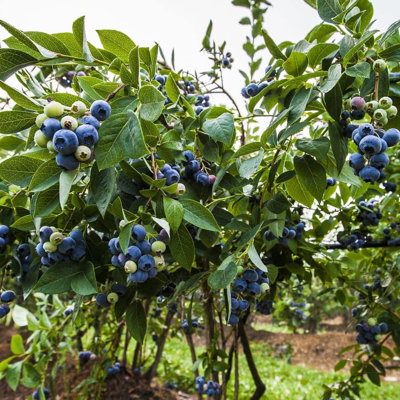
Plump, juicy blueberries arent just delicious. Theyre high in nutrients, antioxidants, fiber, and vitamins. Fortunately, for very little effort, blueberries are easy to growif you have the right soil conditions. A relative of rhododendron and azalea, blueberry bushes arent just a great fruiting plant but also an attractive addition to your overall landscape, offering scarlet fall foliage and creamy-white, bell-shaped spring flowers. There are four types of blueberries: highbush, lowbush, hybrid half-high, and rabbiteye. Blueberries can be planted in spring or also in late fall in all but coldest regions. In Zones 5 and below, its best to wait until early to mid-spring to plant. Select a sunny, sheltered spot. While blueberries are tolerant of shade, better crops are obtained in the sun. At the same time, they should not be exposed to harsh, drying winds.

By Wekiva Foliage LLC
Rated 1 out of 5 stars.1 total vote
FREE Delivery
Spathiphyllum is an easy care, low light houseplant. It also removes many toxins from indoor air including formaldehyde and ammonia. Peace Lily is a herbaceous perennial typically grown as a houseplant. It is popular as a specimen or accent in interior groupings for its deep-green glossy foliage and white blooms that are intermittent in medium lighting and long-lasting. The plant has no specific bloom time, but flowers freely and tolerates heavy shade. The Peace Lily does best indoors in moist, but not soggy, soil. You should allow the soil to dry between waterings, but not wilt, which causes the leaves to yellow. Spathiphyllum grow very well with sub-irrigation and also do well in lower light situations, but prefer bright filtered light. Do not place the plant in direct sun. Fertilize Spathiphyllum at one quarter of the recommended strength.
too expensive for the height and the appearance , nursery garden sells it half the price and taller. Maria Josephina. US. Sat Sep 12 2026

By Wekiva Foliage LLC
FREE Delivery
The Jewel Orchid Plant (Ludisia discolor), often called the Jewel Orchid or Velvet Orchid, is a striking terrestrial orchid admired primarily for its foliage rather than its flowers. Unlike many orchids grown for large blooms, this species captivates with deep green to nearly black leaves highlighted by shimmering pink to silver pinstriped veins that create a luminous, jewel-like appearance. The velvety texture of the foliage adds depth and elegance, making it a standout choice for shelves, tabletops, terrariums, and indoor plant collections. Its compact growth habit and rich coloration provide year-round visual appeal, bringing a sophisticated tropical accent to interior spaces without requiring excessive room to thrive. Native to forest floors in Southeast Asia, Ludisia discolor grows along creeping stems that gradually form attractive clusters of foliage. As the plant matures, it develops a spreading habit that can create a lush, layered display. During its blooming season, slender flower spikes emerge above the foliage carrying numerous small white blossoms that contrast beautifully against the dark leaves. The combination of ornamental foliage and delicate blooms makes this species uniquely appealing among orchids. Its manageable size, distinctive leaf patterns, and graceful growth habit have made it a favorite among collectors and beginners alike. Whether displayed alone or incorporated into a mixed plant arrangement, the Jewel Orchid offers exceptional texture, color, and visual interest while maintaining a refined and elegant presence throughout the year.

By Wekiva Foliage LLC
FREE Delivery
Tradescantia plants are much loved for their variegated leaves, deep purple color (although there are also green varieties!) and for how extremely easy they are to propagate. Tradescantia. make a lovely, understated statement in outdoor garden beds or planters, and are perhaps even more striking indoors when allowed to trail in hanging baskets. The Tradescantia is a pretty, trailing plant that goes by common names like Wandering Jew, Wandering Dude, Spiderwort, and Inch plant. Tradescantias are native to the Americas from southern Canada down to South America. They like bright, indirect light, moist soil, and high humidity. Tradescantia likes bright, indirect light. They need a good amount of light; if they dont get it, youll notice that their leaf markings begin to fade. Direct sun, however, will scorch their leaves (with the exception being the purple queen variety, which loves full sun). Tradescantia loves moisture. Dont ever let your plant get too dry, especially in winter. To keep soil evenly moist, a regular watering schedule is best. Water until water drains through the bottom of the pot, taking care that your plant wont sit in water.

More Options
By Wekiva Foliage LLC
3 Plants
FREE Delivery
The magnificent Bloodleaf Plant, botanically classified as Iresine Brilliantissima and commonly known as the Beefsteak Plant, is a spectacular foliage specimen celebrated for its vibrant color. This remarkable plant features rounded leaves painted in intense shades of deep crimson, rich magenta, and brilliant ruby red, all punctuated by striking hot-pink veining that radiates from the center of each leaf. Growing in an upright, bushy, and densely branched habit, this showstopping ornamental cultivar creates an immediate visual focal point. Its highly reflective, glossy leaf surfaces capture natural light beautifully, creating a luminous glow that instantly brightens up quiet corners, patio displays, or mixed indoor plant arrangements. For decorators looking to introduce a bold, dramatic splash of color that contrasts elegantly with traditional green foliage, this plant represents the absolute pinnacle of vivid botanical beauty. Beyond its spectacular aesthetics, this vigorous grower is highly valued for its versatility and adaptable nature in various home settings. It transitions seamlessly from a striking indoor tabletop accent to a gorgeous outdoor container specimen during warmer seasons, bringing a luxurious feeling to patios and balconies. The plant responds exceptionally well to regular pruning, which encourages a much fuller, more compact shape. As it matures, it maintains a robust, upright structure, making it an excellent choice for decorators who want high visual impact with straightforward care routines. Placing this radiant specimen in your space guarantees a dynamic display of texture and warmth, elevating your home decor with its sophisticated jewel tones and lush growth.

By Wekiva Foliage LLC
FREE Delivery
Plump, juicy blueberries arent just delicious. Theyre high in nutrients, antioxidants, fiber, and vitamins. Fortunately, for very little effort, blueberries are easy to growif you have the right soil conditions. A relative of rhododendron and azalea, blueberry bushes arent just a great fruiting plant but also an attractive addition to your overall landscape, offering scarlet fall foliage and creamy-white, bell-shaped spring flowers. There are four types of blueberries: highbush, lowbush, hybrid half-high, and rabbiteye. Blueberries can be planted in spring or also in late fall in all but coldest regions. In Zones 5 and below, its best to wait until early to mid-spring to plant.

By Wekiva Foliage LLC
FREE Delivery
Discover the elegance and charm of the Lucky Indoor Bamboo Plant (Dracaena Sanderiana), a perfect blend of style and simplicity. Renowned for its sleek, spiral stems and lush green leaves, this plant exudes a sense of tranquility and prosperity, making it a popular choice for homes, offices, and gift-giving. Its compact size and versatile nature allow it to thrive in various indoor settings, adding a touch of greenery to any space without overwhelming it. The Lucky Bamboo is celebrated not only for its beauty but also for its low-maintenance requirements, making it ideal for both experienced plant enthusiasts and beginners. This resilient plant is steeped in cultural significance and often associated with good luck and positive energy. Its adaptable nature means it can grow in water or soil, offering flexibility in how its displayed. Whether placed on a desk, shelf, or centerpiece, the Lucky Bamboo brings a sense of harmony and sophistication to your surroundings. Its graceful appearance and enduring vitality make it a timeless addition to any plant collection.

By Wekiva Foliage LLC
FREE Delivery
Peperomia plants belong to a wonderful genus of tropical plants native to Mexico, South America, and the Caribbean. With more than 1,000 known species, these hearty plants boast thick, fleshy leaves that contribute to their drought tolerance and vigor. The Peperomia plant is a smart choice for beginner houseplant enthusiasts. Not only are they forgiving plants that tolerate some benign neglect, but also the spectacular variety of colors and textures available within the species means that you can amass an interesting collection of plants for every style and space, all of which require the same care. You should water a peperomia plant once the top 1-2 inches of the soil dries completely and then water the plant thoroughly. In their native tropical environment, peperomia get plenty of humidity, so for the healthiest plant, youll want to replicate that at home. If you live in an arid climate, you can use a humidifier or pebble tray to boost the humidity level. However, peperomia are fairly forgiving plants, and yours may do just fine in drier air. Peperomia plants will do best in bright, indirect sunlight. An east or west facing window sill is ideal for them at most times of the year. The only thing to watch for is to ensure they dont get excessive direct sunlight during the summer months, as this can cause leaf scorching.

More Options
By Wekiva Foliage LLC
1 Plant
FREE Delivery
The Kalanchoe Teddy Plant (Kalanchoe tomentosa 'Teddy') is a captivating succulent prized for its exceptionally soft, velvety foliage and compact growth habit. Often referred to as Teddy Bear Plant or Teddy Kalanchoe, this charming variety features thick, plush leaves covered in fine silvery hairs that create a fuzzy texture reminiscent of a favorite stuffed toy. Each leaf is accented with rich chocolate-brown margins and markings, producing a striking contrast against the pale green to silvery background. The combination of texture and color gives this plant a distinctive appearance that stands out among other succulents. Its sculptural form develops into attractive clusters of upright stems topped with densely packed foliage, creating a full and balanced presentation suitable for windowsills, desks, shelves, and decorative containers. As the plant matures, it gradually develops a branching structure that enhances its visual appeal while maintaining a manageable size. The foliage remains the primary attraction throughout the year, offering consistent interest without demanding extensive attention. Kalanchoe Teddy adapts well to container cultivation and is appreciated by collectors for its unique tactile qualities and ornamental character. Its compact nature makes it an excellent choice for small spaces, while its unusual leaf texture provides a refreshing contrast to smooth-leaved houseplants and succulents. Whether displayed alone or incorporated into a mixed succulent arrangement, this variety delivers year-round visual interest through its plush foliage, distinctive coloration, and charming teddy bear-like appearance that inspires its popular name.

By Wekiva Foliage LLC
Rated 2 out of 5 stars.2 total votes
FREE Delivery
The Pencil Cactus (Euphorbia tirucalli) also commonly called milk bush due to its thick, white sap is native to semi-arid tropical regions of Africa and India. In the wild, the Pencil Cactus can grow up to 30 feet tall and well over 6 feet indoors. This stem succulent is not a true cactus and photosynthesizes in its stems, not through the small leaves that appear at the end of its new growth (which are inconsequential to the plants health). The plants have slender, slightly toothed stems without any foliage growth. The name derives from the branches, which are about the diameter of a pencil. When new branches sprout, the end of the branch can be tinted slightly pink and tiny leaves may appear. These leaves will disappear once the branch matures. The pencil cactus needs high levels of light and moderately low moisture. It is an excellent houseplant and provides an interesting silhouette.
This pencil cactus arrived very stressed out with a lot of weird yellow growth and Sapir dehydrated it is alive, but I’m going to have to repot it immediately and the potting soil is like cement so yes I got a life planned, but it’s going to have to go into hospice for a while. Anne. Tulsa, OK. Thu Apr 16 2026

FREE Delivery
With its clouds of finely divided foliage and graceful, arching stems, Plumosa Fern brings a light, lace-like texture to indoor displays, shaded patios, and warm-climate garden beds. Despite its familiar name, Asparagus setaceus is not a true fern; it is an evergreen member of the asparagus family. The plant is also sold as asparagus fern, lace fern, climbing asparagus, and ferny asparagus. Its slender green stems carry flattened sprays of delicate cladodes—tiny, needle-like structures that function as leaves—creating a soft appearance while retaining a resilient character. Young growth rises in airy plumes, then lengthens into elegant, trailing or climbing stems that weave naturally through neighboring supports. In a container, Plumosa Fern forms a full, feathery mound before sending out longer shoots, making it equally appealing in a tabletop pot, hanging basket, or raised planter. In favorable conditions, mature stems can extend several feet and use small hooked structures to gain purchase, so a trellis or other support can highlight the plant's climbing habit. Fine white flowers may appear on established specimens, followed by small berries that deepen in color as they mature, adding subtle seasonal interest. The bright green foliage pairs beautifully with broad-leaved tropical plants and lends refined contrast to modern or traditional décor. Adaptable and visually distinctive, this plant rewards consistent care with dense, dimensional growth and a quietly dramatic silhouette that remains attractive throughout the year.

By Wekiva Foliage LLC
FREE Delivery
Indulge your senses with the enchanting Julia Child Rose Bush. With luscious yellow blooms and a captivating licorice scent, it brings the essence of luxury to your garden. Easy-care and elegantly compact, it's a must-have for every rose lover's collection.

By Wekiva Foliage LLC
FREE Delivery
The Blue Oil Fern, botanically known as Microsorum thailandicum, is a striking tropical fern prized for its unusual metallic foliage and elegant growth habit. Often referred to as the Blue Fern or Iridescent Fern, this captivating species displays elongated, leathery fronds that shimmer with shades of deep blue, teal, and silver depending on lighting conditions. The glossy surface of each frond creates an almost metallic appearance, making it one of the most visually distinctive foliage plants available. Native to humid tropical regions of Southeast Asia, this fern develops from creeping rhizomes and forms a graceful clump of arching foliage that adds texture and color contrast to indoor plant collections. Its unique coloration remains attractive year-round, creating a dramatic focal point among green-leaved houseplants and tropical displays. Unlike many ferns that produce finely divided fronds, the Blue Oil Fern features smooth, strap-shaped leaves with a substantial texture and a naturally polished appearance. Its moderate growth rate allows it to maintain a tidy form while gradually expanding into a fuller specimen over time. The plant thrives in warm, humid conditions where its remarkable blue sheen becomes most pronounced. Whether displayed on a shelf, tabletop, plant stand, or within a curated tropical collection, this fern delivers a refined and uncommon aesthetic that appeals to collectors and casual plant enthusiasts alike. Its architectural foliage, compact growth habit, and rare coloration make it a memorable addition to indoor spaces, bringing a sophisticated tropical presence without requiring constant pruning or extensive upkeep.

3 Sizes
By Wekiva Foliage LLC
25" H x 6" W x 6" D
FREE Delivery
A tropical, evergreen fern, it's also called giant sword fern because its sword-shaped fronds can be long, with the entire plant approaching a width. Macho fern needs care typical for most ferns -- partial shade, moist soil and some extra care now and then. They even do well in containers and hanging baskets. The Nephrolepis biserrata Macho fern is a tropical, evergreen plant suitable for United States Department of Agriculture zones 9 but can be grown as an indoor plant and moved out in summer. The gracefully arching, big fronds of a Macho Fern provide a bold and lively display when used to decorate a room. Ferns thrive on humidity, so daily misting in winter months and a gravel and water-filled saucer beneath the pot in warmer months are highly recommended. A superior choice for shade gardens, under large tree canopies, narrow side yards and shaded foundation plantings. An herbaceous perennial.

By Wekiva Foliage LLC
FREE Delivery
Ficus plants, also known as fig trees, are a genus of about 850 species of woody trees, shrubs, vines, epiphytes, and hemiepiphytes. They are native to tropical regions, but some species can also be found in semi-warm temperate zones. Ficus plants are popular indoor plants because they are easy to grow and offer a variety of options. They can range in size from creeping vines to tall trees. Ficus plants have glossy leaves that come in many colors and patterns. They can survive in various conditions, even though they are a tropical plant.

By Wekiva Foliage LLC
FREE Delivery
Ficus plants, also known as fig trees, are a genus of about 850 species of woody trees, shrubs, vines, epiphytes, and hemiepiphytes. They are native to tropical regions, but some species can also be found in semi-warm temperate zones. Ficus plants are popular indoor plants because they are easy to grow and offer a variety of options. They can range in size from creeping vines to tall trees. Ficus plants have glossy leaves that come in many colors and patterns. They can survive in various conditions, even though they are a tropical plant.

By Wekiva Foliage LLC
FREE Delivery
Asplenium antiquum is an evergreen fern, 23 ft. (6090 cm). It has bright green, arching blades with a pointed end and a strong midrib. The Birds Nest Fern is characterized by ripple-edged fronds that grow out of a nest-like crown. They do well in low-medium light, watered weekly. This houseplant is pet-friendly! Plant in a shaded position ensuring the crown of the fern is above the soil line. The growing medium needs to be well drained to allow for plenty of air movement around the roots and avoid wet feet. Remove old fronds to keep plants looking fresh and avoid disease. Mulch and water regularly until the plant is established, usually around 12 weeks. Ferns thrive in humid conditions, provide frequent watering and misting during the warmer months and less during winter. Let the soil dry out a little between watering. Apply a liquid based fertiliser every 4 weeks during the warmer months, take care to dilute your solution to at least half the recommended dose to avoid burn. Shade loving foliage plant suited to ferneries rock gardens, or attach to the fork of a tree. Leslie has a slender upright shape and heavily divided leaf ends like curly parsley, on mature leaves.

By Wekiva Foliage LLC
FREE Delivery
Ficus plants, also known as fig trees, are a genus of about 850 species of woody trees, shrubs, vines, epiphytes, and hemiepiphytes. They are native to tropical regions, but some species can also be found in semi-warm temperate zones. Ficus plants are popular indoor plants because they are easy to grow and offer a variety of options. They can range in size from creeping vines to tall trees. Ficus plants have glossy leaves that come in many colors and patterns. They can survive in various conditions, even though they are a tropical plant.

4 Colors
By Wekiva Foliage LLC
Yellow
FREE Delivery
The Puff Euphorbia Cactus (Grafted Euphorbia trigona) is a striking ornamental succulent admired for its colorful, rounded crown and distinctive upright form. Often referred to as a grafted moon cactus or puff cactus, this eye-catching variety combines a sturdy green base with a vibrant top that may display shades of yellow, orange, pink, or red. The globe-shaped upper section features prominent ridges and tiny clusters that create a textured, sculptural appearance, while the tall stem beneath provides strong visual contrast. Compact and highly decorative, this unusual plant makes an excellent accent for windowsills, desktops, shelves, and mixed succulent displays where its vivid coloration immediately draws attention. Slow to moderate in development, the Puff Euphorbia Cactus maintains a tidy silhouette and requires very little upkeep, making it an appealing choice for collectors and casual growers alike. Its grafted structure creates a fascinating two-part appearance that sets it apart from conventional cactus varieties. The colorful crown remains rounded and prominent while the green lower stem provides support and height, resulting in a balanced and architectural presentation. Whether displayed individually or grouped with other succulents, this variety delivers year-round color and texture without becoming overly large. Its compact size, distinctive shape, and bold tones make the Puff Euphorbia Cactus a memorable addition to contemporary décor, container arrangements, and plant collections seeking something truly unique and visually captivating.

By Wekiva Foliage LLC
FREE Delivery
These iconic plants produce delicious fruit with flavors best experienced ripe from the tree. Unlike other fruits, figs ripen entirely on the branch, so planting your own allows you to harvest the freshest fruit. The common fig tree, thriving in warm climates, does not require pollination to bear new fruit. Figs are self-fruitful, so you need only one plant to produce fruit. Mature fig trees can be 10 to 30 feet tall. If you have more room, plant several. Choose early, mid and late-fruiting selections to extend your harvest from summer into early fall. Some figs will produce bonus fruit early in the season, called a breba crop and the main crop. Figs can vary in size, shape, flavor, texture, and harvest time and can be black, green, brown, violet, yellow, or purple. Full sun is essential for an abundant harvest and the sweetest fruit. It's ideal for planting fig trees in an area that receives six to eight hours of direct, daily sunlight. Less sunlight will prevent trees from producing as many figs compared to those planted with adequate light. Fig trees grow in various soil conditions, but slightly acidic and well-drained soils are best. Soil with rich, organic matter helps supplement growth. Regular potting mixes work well for fig trees as long as it retains moisture and is well-aerated. These plants grow well near coastal regions but also tolerate loamy, clay, or sandy conditions. When fruit is developing, it's important to water regularly. Check daily, and pick just as the fruit ripens. During the first year, as plants become established, water regularly and mulch. Once established, figs can be very drought tolerant.

More Options
By Wekiva Foliage LLC
2 Plants
FREE Delivery
The Tractor Seat Plant (Farfugium japonicum) is a striking foliage perennial prized for its large, glossy leaves that resemble the shape of old-fashioned tractor seats. Native to coastal regions of East Asia, this distinctive plant forms dense clumps of bold greenery that instantly create a lush, tropical appearance in shaded landscapes and decorative containers. Each rounded leaf emerges on sturdy stems and develops a smooth, polished surface that reflects light beautifully, giving the plant a vibrant and refined presence throughout the growing season. Its dramatic foliage provides strong visual contrast against finer-textured plants, making it a favorite choice for gardeners seeking bold leaf shapes and architectural interest. As the plant matures, it develops a tidy, mounding habit that gradually expands outward while maintaining an organized appearance. Farfugium japonicum is especially valued for its ability to bring texture and dimension to shaded garden beds, woodland settings, courtyards, and patio displays. In addition to its impressive foliage, mature specimens may produce cheerful yellow daisy-like blooms held above the leaves during the cooler months, adding seasonal color without overshadowing the plant’s foliage display. Its substantial leaves, dependable growth habit, and elegant form make it a standout feature wherever it is planted. Whether used as a focal point in containers or incorporated into larger landscape designs, the Tractor Seat Plant delivers year-round visual appeal through its combination of bold foliage, graceful structure, and unmistakable tropical character.

By Wekiva Foliage LLC
FREE Delivery
Mass cane (Dracaena fragrans Massangeana or Dracaena fragrans) is also known as corn plant and is one of several popular varieties of Dracaena, including Dracaena lisa, Dracaena marginata, and Dracaena compacta. It has stalky stems and long, green leaves with light-yellowlight-green stripes running through them. It is an easy-to-grow houseplant that requires little maintenance (and even puts up with neglect), making it a great choice for beginners. Although originally from Africa, the mass cane is popular throughout many homes and offices in the U.S. and the U.K. because it is a low-maintenance beauty. For those who are lucky enough, the corn plant may even produce clusters of fragrant white flowers, though this is very rare. Growing the dracaena as indoor plants using different cane lengths, with each cane having sprouted a new head or heads of foliage, makes Dracaena fragrans excellent as a tall indoor specimen. Like all plants, the corn plant produces oxygen and makes the air in your home healthier for all of your family. However, the corn plant is especially good for improving air quality, as it also absorbs toxins. The NASA Clean Air Study found that Dracaena plants remove toxic substances from the air, including formaldehyde, xylene, benzene, and trichloroethylene The corn plant is slow growing, so it does not need frequent pruning or maintenance. The slow growth also means it will act as an ornament in your home, happily filling a space where it can remain for some time without becoming too big for the area.

FREE Delivery
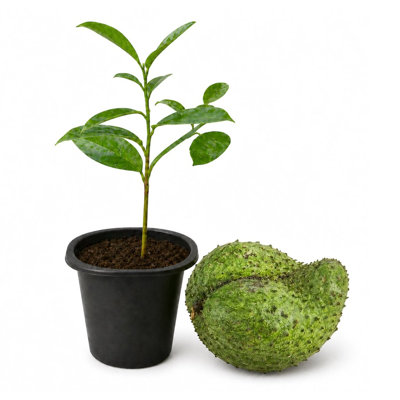
Soursop Tree (Annona muricata) brings a distinctly tropical presence to warm-climate gardens, patios, and edible landscapes. Also known as graviola, guanabana, Brazilian pawpaw, and prickly custard apple, this evergreen fruit tree develops a naturally upright yet spreading silhouette with a rounded, leafy crown. Its smooth, gray-brown trunk supports low, branching limbs dressed in glossy, deep-green leaves that are lighter beneath. The foliage is oval to oblong, pleasantly aromatic when brushed, and arranged to give the canopy a lush, polished appearance. Mature trees commonly reach 15 to 30 feet in favorable ground conditions, while container-grown specimens remain more compact and manageable. The tree’s unusual flowers emerge directly from older branches, the trunk, or short woody stems, displaying thick, fleshy lobes in muted yellow-green tones. These blooms may be followed by large, heart-shaped fruits with soft, curved spines across a rich green surface. As the fruit matures, its interior develops creamy white pulp surrounding dark seeds, offering a striking contrast to the textured rind. Soursop grows with a steady, tropical rhythm, producing fresh flushes of foliage during warm weather and responding best to consistent warmth, humidity, and shelter from cold winds. Whether planted as a productive focal point or cultivated in a roomy container, its sculptural fruit, lustrous leaves, and uncommon flowering habit make Annona muricata an engaging addition to a warm, protected setting.

More Options
By Wekiva Foliage LLC
4 Plants
FREE Delivery
Silver Lady Tree Fern (Blechnum gibbum) brings the serene beauty of a tropical forest into gardens and bright indoor spaces. Its finely divided, glossy green fronds rise in a graceful, symmetrical crown, creating a lush shuttlecock silhouette with refined architectural appeal. New fronds emerge tightly curled before unfurling into feathery blades, adding movement and fresh texture throughout the growing season. Also known as the Dwarf Tree Fern and Silver Lady Fern, this evergreen species offers the dramatic presence of a tree fern in a compact form, making it well suited to patios, sheltered borders, conservatories, and decorative containers. As it matures, the plant develops a slender, upright trunk topped by a dense rosette of arching fronds. It commonly reaches about 3 to 6 feet tall under favorable conditions, while its measured footprint allows it to serve as an elegant focal point without overwhelming nearby plantings. Growth is upright and orderly, with fronds spreading outward from the central crown in balanced layers. The rich green foliage provides year-round visual interest where temperatures remain warm, and its tidy habit works beautifully in tropical, contemporary, or woodland-inspired designs. Native to the South Pacific, this tender fern appreciates warmth, humidity, and protection from harsh conditions. Its combination of compact stature, sculptural form, and delicately textured foliage makes Silver Lady an inviting choice for anyone seeking a polished, tranquil accent with unmistakable tropical character.

More Options
By Wekiva Foliage LLC
4 Plants
FREE Delivery
Creeping Wire Vine (Muehlenbeckia axillaris) is a low, spreading evergreen to semi-evergreen plant prized for its intricate network of wiry, dark stems and tiny, rounded leaves. Also known as Mattress Vine, Creeping Muehlenbeckia, and Wire Vine, it forms a dense, finely textured mat that slips gracefully between stones, trails over walls, or softens the edges of containers. The glossy green foliage may develop bronze or copper tones in cool weather, giving the plant subtle seasonal interest without diminishing its refined appearance. Small, pale green to creamy flowers can appear among the leaves, followed on established plants by translucent white fruits with contrasting dark seeds. Naturally compact and ground-hugging, this New Zealand native spreads outward through flexible stems that root where conditions suit them, creating an attractive mat while generally remaining only a few inches tall. Its adaptable habit makes it equally appealing as a groundcover, rock-garden accent, pathway edging, or cascading companion in mixed planters. Once settled, it combines a delicate look with a notably resilient character and tolerates light foot traffic, making it useful around stepping stones. The closely woven stems also help fill visual gaps, while its small-scale foliage pairs easily with bold leaves, flowering perennials, and architectural plants. In colder regions, some foliage may thin or change color during winter, then refresh as warmer conditions return.

By Wekiva Foliage LLC
FREE Delivery
Blackberry plants are fruiting shrubs. They belong to the genus Rubus in the rose family Rosaceae. Blackberry bushes produce fruits called blackberries. Much like their close cousin the raspberry, blackberries contain high levels of antioxidants, including vitamin C, vitamin K, potassium, and dietary fiber. They contain very little overall fat and zero saturated fat. They contain a small amount of protein, but most of their calories come in the form of carbohydrates. As members of the Rosaceae family, the cultivation of blackberries resembles that of rose bushes. Fortunately, blackberries are closer to wild roses in their ease of care than they are to a hybrid tea rose. Blackberries will tolerate many growing conditions. Sites with full sun are best for productive blackberry bushes. Some afternoon shade is tolerated, especially in areas with hot summers. Careful site selection will ensure a long life for your blackberries, which usually live for about a decade with proper care. The ideal soil is slightly acidic with good drainage; these plants do not do well in clay soil. An elevated site or raised beds will not only help drainage but will also prevent late spring frosts from damaging flower buds. Blackberries need moderate amounts of water, around 1 inch per week provided either by rainfall or from ground-level irrigation. Blackberries do not fare well in wet soils.

By Wekiva Foliage LLC
FREE Delivery
The Bird's Nest Snake Plant, botanically known as Sansevieria Trifasciata Hahnii, or Golden Hahnii, is a compact and visually appealing houseplant, perfect for adding a touch of greenery to any indoor space. This dwarf variety of the popular snake plant forms a tight rosette of short, broad leaves that are rich green with distinctive horizontal variegation. The plant typically reaches a height of 6-8 inches, making it an excellent choice for desks, shelves, and small living areas.

More Options
By Wekiva Foliage LLC
3 Plants
FREE Delivery
The Red Valentine Aglaonema (Aglaonema commutatum), often called Chinese Evergreen, is a vibrant tropical foliage plant celebrated for its striking blend of deep green and rich red tones. Broad, lance-shaped leaves are edged and veined with rosy hues that intensify as the plant matures, creating a bold, eye-catching display. Its compact, upright growth habit makes it an excellent choice for tabletops, desks, or decorative containers, adding a refined yet lively presence to indoor spaces. Known for its adaptability and steady growth, the Red Valentine Aglaonema is well-suited for a wide range of indoor environments. It maintains a neat, bushy form with minimal shaping, making it a dependable option for both new plant owners and experienced collectors. This variety stands out for its consistent coloration and ability to retain its ornamental appeal over time, making it a popular selection for homes, offices, and shaded patios where a pop of color is desired without high maintenance demands.

2 Sizes
By Wekiva Foliage LLC
13" H x 4" W x 4" D
FREE Delivery
This strain of the Cavendish banana will actually produce fruit at a manageable height of just 3 or less. The bananas will appear often after one year. Container grown bananas can be wintered over in a sunroom, an above freezing garage or cellar. Banana plants grown in a garden can be dug and lifted out of the ground before winter and stored in an above freezing area. The plant will have yellow leaves but the trunk and some of the roots will be alive waiting for the next growing season. This is one way to grow bananas in the north. This method also helps to contain their size so they are manageable. Often Dwarf Banana plants are found growing in parts of Asia for mass cultivation and they are sometimes grown as tall specimen plants in gardens at the back of borders to add a touch of the tropics. These Dwarfs can still easily reach 6ft 2m, so with this in mind a young new plant will live happily on a window ledge for a few years at most but that's it, afterwards the space will have run out and you will need somewhere bigger. They grow quickly when it's warm, rewarding you with one new leaf every week or so, they look truly stunning and unique all the time, adding a tropical interest to any area. If allowed to reach its statuesque proportions, it will dominate in a graceful balanced way that very few houseplants can ever match.

By Wekiva Foliage LLC
FREE Delivery
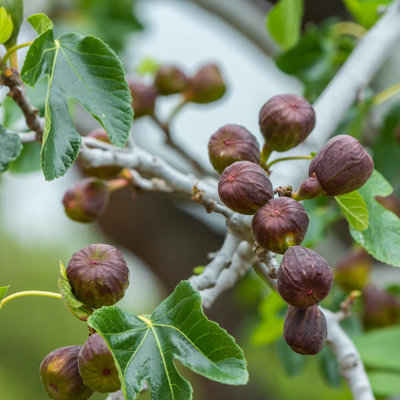
Plump, juicy blueberries arent just delicious. Theyre high in nutrients, antioxidants, fiber, and vitamins. Fortunately, for very little effort, blueberries are easy to growif you have the right soil conditions. A relative of rhododendron and azalea, blueberry bushes arent just a great fruiting plant but also an attractive addition to your overall landscape, offering scarlet fall foliage and creamy-white, bell-shaped spring flowers. There are four types of blueberries: highbush, lowbush, hybrid half-high, and rabbiteye. Blueberries can be planted in spring or also in late fall in all but coldest regions. In Zones 5 and below, its best to wait until early to mid-spring to plant.

By Wekiva Foliage LLC
FREE Delivery
This native to west Africa is grown indoors for it's attractive semi-lobed and oval shaped leaves, which all seem to grow to different sizes. The name fiddle given to this plant comes from its kind of fiddle shaped leaves. This ficus is a slow growing plant that may take up to 10 -15 years to reach full maturity, but after 3 or 4 years of growth it starts to become an attractive tree like ornamental house plant. The leaves have prominent veins through the center and from the center to the edge of the leaves. These leaves have a glossy appearance and grow up to 12 inches long and 5 inches or more wide. These grow well in greenhouses and conservatories because they enjoy high lighting conditions. They're the type of plant that looks great near doorways, hallways, fireplaces and other featured parts of a room, although enough light will need to be provided - wherever they are seated. It is a popular ornamental tree in subtropical and tropical gardens, and is also grown as a houseplant in temperate areas, where it usually stays shorter and fails to flower or fruit. It requires indirect natural light.

By Wekiva Foliage LLC
FREE Delivery
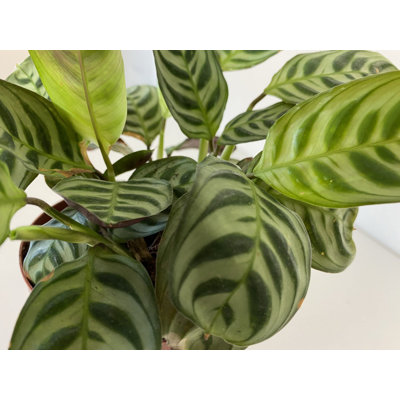
Calatheas are beautiful house plants grown for their stunning foliage. The top sides of the leaves look as if they have been painted with beautiful brushstrokes they're often intricately patterned, in many shades of green. The undersides of the leaves are often burgundy red. This striking foliage has earned calatheas several nicknames, including the peacock plant, cathedral window plant, zebra plant and rattlesnake plant. Calatheas are also sometimes called the prayer plant as they are closely related to the maranta plant, also known as the prayer plant. However unlike marantas, they do not close their leaves up at night. Many calathea varieties have recently been moved into the genus Goeppertia, so you may now find them being sold under this name. The light requirements make this plant an attractive choice for lower-light homes, but please note: These plants do poorly in direct sun, which can bleach the leaves. Place your prayer plant in a part of a room that receives low to bright indirect light. As a rule, the darker the foliagesuch as with the calathea ornatathe lower the light requirements. Like all houseplants, calathea enjoy filtered or dechlorinated water and can be a little more demanding than other houseplants. Simply fill your watering can and leave it overnight to dissipate the chlorine. If there are other chemicals in your tap water, try using filtered or distilled water instead. Prayer plants enjoy a humid environment, but many varieties can handle lower levels of humidity. Ideally, they prefer a humidity level of 50 percent or more, with more sensitive varieties requiring higher humidity levelsaround 60 percent.

By Wekiva Foliage LLC
FREE Delivery
Indulge in the allure of the Royal Velvet Plant, an exquisite botanical companion that effortlessly weaves elegance, artistry, and the vibrant rhythms of the tropical world into your living space. With a delicate balance of care and admiration, you can transform your home into a haven of lush beauty and natural wonder. Embrace this enchanting creation and cultivate your own living masterpiece.

By Wekiva Foliage LLC
FREE Delivery
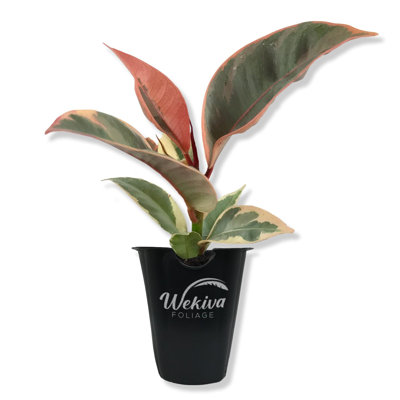
The Swiss cheese plant, Monstera adansonii, gets its name from its large, heart-shaped leaves, and as the plant ages, the leaves develop holes (called fenestration) that makes the leaves resemble Swiss cheese. Swiss cheese plant is a tropical perennial plant native to Central and South American that is typically grown as a houseplant. Swiss cheese plant is very easy to grow. It loves to climb, so provide a stake, moss stick, or trellis that it can clink to. A climbing Monstera adansonii produces larger leaves. The Swiss cheese plant is a tropical ornamental that has aerial roots growing downwards from the stem. The roots brace against the ground or against any available support, giving Swiss cheese plant a vine-like tendency to climb if they have support. Without support, they tend to sprawl or trail.

By Wekiva Foliage LLC
FREE Delivery
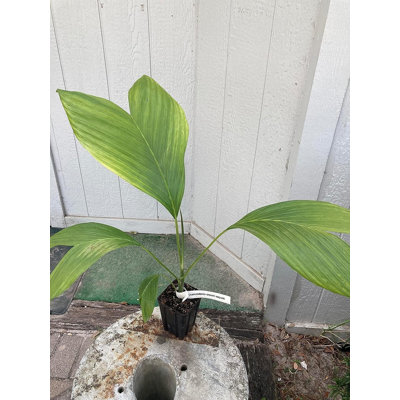
Plump, juicy blueberries arent just delicious. Theyre high in nutrients, antioxidants, fiber, and vitamins. Fortunately, for very little effort, blueberries are easy to growif you have the right soil conditions. A relative of rhododendron and azalea, blueberry bushes arent just a great fruiting plant but also an attractive addition to your overall landscape, offering scarlet fall foliage and creamy-white, bell-shaped spring flowers. There are four types of blueberries: highbush, lowbush, hybrid half-high, and rabbiteye. Blueberries can be planted in spring or also in late fall in all but coldest regions. In Zones 5 and below, its best to wait until early to mid-spring to plant. Select a sunny, sheltered spot. While blueberries are tolerant of shade, better crops are obtained in the sun. At the same time, they should not be exposed to harsh, drying winds.

By Wekiva Foliage LLC
FREE Delivery
A stunning indoor plant with an impressive foliage display. The glossy, reddish to pink variegated oval leaves grow inside a sheath which grows larger as the new leaf develops. When the leaf matures it will unfurl, dropping the sheath off the plant. A wonderful houseplant that is simple to care for. lace your Ruby Rubber Tree in a room that gets a medium amount of natural light or near a window with a sheer curtain for filtered sunlight. Rotate the plant occasionally to encourage even growth. The Ruby Rubber Tree will grow well in medium, indirect light, but needs some bright light to keep her variegated leaves. Water when the top part of soil has dried out. Water evenly so that the soil is damp, not soggy. When watering, water the plant with fresh, lukewarm water generously and evenly from above, then tip out any excess water. Mist or wipe down the leaves with a damp cloth to promote shiny foliage. Reduce watering during the cold season. Does well at room temperature between 60F - 77F. Cold temperatures should be avoided.

By Wekiva Foliage LLC
FREE Delivery
Native to the rainforests of Southern Mexico and Guatemala, the Neanthe Bella Palm (Chamaedorea elegans) or Parlor Palm is known for its air purifying properties and ability to adapt to lower light conditions. Neanthe Bella is an attractive, easy care evergreen, perennial plant and a very popular houseplant. This tabletop palm can also grow outdoors year round in USDA zones 10 through 12. Its commonly known in the trade as the Neanthe bella palm and grown primarily for indoor use in 6 14 inch containers, ranging in height from 18 inches to 3-4 feet tall. Direct sunlight can scorch the leaves of the Neanthe Bella Palm, so place this little beauty in a spot out of direct light. While it is tolerant of lower light conditions, you may notice leggy growth as a result, so a spot where it will receive bright indirect light a few feet removed from a southern, western, or eastern facing window is ideal. Neanthe Bella Palms prefer soil that is lightly moist, with a slight period of drought between waterings. Water when the top 1 - 2 inches of the soil are dry, likely every 7 - 10 days. Too much moisture in the soil can cause root rot, while too little can lead to brown and crispy leaves.

By Wekiva Foliage LLC
FREE Delivery
Yucca rostrata, known commonly as Adam's Yucca, Beaked Blue Yucca, Beaked Yucca, Big Bend Yucca, Nordstrom's Yucca, Silver Yucca is a trunk-forming yucca that is native to the Big Bend region of West Texas, Chihuahua and Coahuila, where it grows in desert conditions, where sandy soil and distinct daytime and nighttime temperatures reign. This tree-like yucca is an extremely ornamental, slow-growing evergreen, with a perfectly symmetrical pom-pom-like form. Its form includes hundreds of 2 foot long leaves. The leaves have sharp points and are an attractive pale blue-green color. The rosette of leaves sits at the top of the trunk. The trunk is covered with the remains of old leaves which are soft fibers. Beautiful yellow-orange stalks appear at the top of the plant in late spring. The stalks have clusters of white flowers. This tree-like plant has leaves that are soft, unlike other varieties of yucca, making this a less dangerous plant. One of the hardiest trunk-forming yuccas, it tolerates cold up to zone 5. While full sun is ideal, it tolerates part shade so long as it gets at least three hours of sun. The common name 'Big Bend Yucca' arises from this species being found in its natural habitat of the Big Bend are of the Rio Grand River. Big bend yucca needs to grow in full sun for best results. Place it in a well-lit spot in your backyard. As a winter hardy plant, its suited to USDA Zones 5 through 11. While this yucca tolerates heat with no issues, it will need protection in times with consistent temperatures below -10F (-23C).

By Wekiva Foliage LLC
FREE Delivery
The purple waffle plant, also known as red ivy, is a tropical perennial with a prostrate, spreading growth habit and beautiful oval leaves with gray-green tops and purple bottom surfaces. The tiny white flowers that appear in summer are attractive but secondary to the beautiful foliage. The purple waffle plant, also known as red ivy, or metal leaf, is a slow-growing, herbaceous, tropical perennial of the Hemigraphis genus and Acanthaceae family. It is one of the most attractive indoor plants with its purple-tinted and heavily textured leaves. It produces white flowers in summer that perfectly contrast with its dark purple leaves and puckered appearancewhich develops to increase the surface area over each leaf. The purple waffle plant is a low-growing perennial (growing to a height of 6-8 inches) and makes the ideal groundcover for indoor plants, such as Ficus trees and Ti plants. The purple waffle plant does best in partial sun outdoor or in bright indirect light indoors. Direct sun can cause the edges of leaves to scorch or the color to bleach, and the cool metallic sheen of the leaves may also fade in direct sun.

By Wekiva Foliage LLC
FREE Delivery
This vigorous, showy vine shines with bright, magenta-red, petal-like bracts. Creates a fine cover for patios or arbors, and is a dramatic groundcover for banks when allowed to ramble unsupported. Drought tolerant when established. Evergreen in frost-free climates; provides superb warm season color in colder winter areas. The Bougainvillea variety Barbara Karst is a marriage of toughness and beauty. Not only does Barbara Karst handle desert heat well, it has been noted as hardy down to 25F. From spring, all the way through summer, the relatively inconspicuous blossoms of Barbara Karst are surrounded by bracts of such a bright magenta-red color that they almost look unreal, though in light shade the bracts will take on a more earthly violet cast. Plant in full sun to bring out the bright color of the bracts, if planted in more shade the color will dull to a reddish-blue. It requires very little irrigation along the coast once established.

By Wekiva Foliage LLC
FREE Delivery
The roebellini palm (Phoenix roebelenii) offers a miniature palm choice growing to a maximum of 12 feet. Preferring warmer climates in U.S. Department of Agriculture hardiness zones 9 through 11, the robellini palm does require some care regarding its soil nutrient structure and watering needs. Pygmy date palms, whether grown indoors or outdoors, like consistently moist soils, but they should never be left in standing water. This makes watering a maintenance task that requires regular observation of the soil. To maintain a neat appearance and to promote healthy leaves, pygmy date palms require regular rinsing of the foliage. Rinse with a fine spray of lukewarm water either in the shower, or place your palm outside during summer rains. This rinsing keeps common pests such as scale, thrips and mites under control, and it also removes fertilizer salts that may damage the foliage. Fertilize the palm with balanced fertilizer, preferably specialized for palms. Potassium and magnesium are specific nutrients that cause leaf dieback if they are not available readily in the soil. Repeat the fertilizing treatment so that the palm has three applications within one year for a mature tree. Younger trees, such as seedlings, require fertilizing once a month.

By Wekiva Foliage LLC
FREE Delivery
Burgundy rubber plant (Ficus elastica Burgundy), a man-made cultivar, develops large leaves, 8 to 12 inches long and 4 inches wide, with a burgundy tint and a red midrib. In frost-free climates, this plant reaches 40-feet tall when planted in the ground in U.S. Department of Agriculture plant hardiness zones 10 and 11. In cooler climates, the Burgundy rubber plant grows as a houseplant. Locate the Burgundy rubber plant in the brightest light available. Direct sunlight produces the darkest burgundy color on the leaves. This plant tolerates low indoor light, but the leaves fade to a light green color. They can grow to impressive heights within a few years, especially if you put the plants outside during the summer. Keeping the plants in small pots will restrict their growth, if you want to keep them smaller. This plant needs watering only when the soil becomes dry. Pour water into the top of the plant pot, and let it run out the bottom to soak the roots. Do not splash the leaves since this will cause stains. Burgundy rubber plants do not like waterlogged roots. During the winter, cut the watering schedule back to only every couple of weeks.

By Wekiva Foliage LLC
FREE Delivery
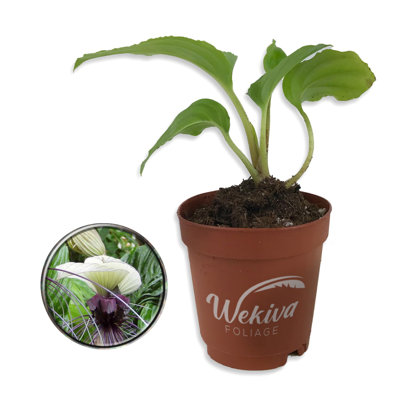
While this is a fairly tropical plant, it does well in some parts of the United States and can be grown successfully in Florida, Louisiana, Mississippi, and parts of California, wherever there is a moist, warm environment. The bat flower requires warm temperatures but prefers a shady location. Plant it where it receives indirect light, on the north side of a house, preferably in a setting with additional tropical understory plants. Bat flower needs a rich, well-drained soil with plenty of organic matter. Amending soil with peat moss, pine bark, and compost may prove necessary to increase drainage. For container growing, use a rich potting medium with 50 percent soil, 40 percent amendments and 10 percent perlite for good drainage. After planting, keep the soil moist and water consistently. Bat flowers should not be allowed to dry out for too long, but make sure the planting location has good drainage. Because bat flowers are semi-tropical plants, they do not tolerate cold temperatures. If the temperature goes below 55 degrees Fahrenheit, bat flowers can die. They are happiest when the temperature is between 70 and 80 degrees Fahrenheit.

By Wekiva Foliage LLC
FREE Delivery
These iconic plants produce delicious fruit with flavors best experienced ripe from the tree. Unlike other fruits, figs ripen entirely on the branch, so planting your own allows you to harvest the freshest fruit. The common fig tree, thriving in warm climates, does not require pollination to bear new fruit. Figs are self-fruitful, so you need only one plant to produce fruit. Mature fig trees can be 10 to 30 feet tall. If you have more room, plant several. Choose early, mid and late-fruiting selections to extend your harvest from summer into early fall. Some figs will produce bonus fruit early in the season, called a breba crop and the main crop. Figs can vary in size, shape, flavor, texture, and harvest time and can be black, green, brown, violet, yellow, or purple. Full sun is essential for an abundant harvest and the sweetest fruit. It's ideal for planting fig trees in an area that receives six to eight hours of direct, daily sunlight. Less sunlight will prevent trees from producing as many figs compared to those planted with adequate light. Fig trees grow in various soil conditions, but slightly acidic and well-drained soils are best. Soil with rich, organic matter helps supplement growth. Regular potting mixes work well for fig trees as long as it retains moisture and is well-aerated. These plants grow well near coastal regions but also tolerate loamy, clay, or sandy conditions. When fruit is developing, it's important to water regularly. Check daily, and pick just as the fruit ripens. During the first year, as plants become established, water regularly and mulch. Once established, figs can be very drought tolerant.

By Wekiva Foliage LLC
FREE Delivery
Blackberry plants are fruiting shrubs. They belong to the genus Rubus in the rose family Rosaceae. Blackberry bushes produce fruits called blackberries. Much like their close cousin the raspberry, blackberries contain high levels of antioxidants, including vitamin C, vitamin K, potassium, and dietary fiber. They contain very little overall fat and zero saturated fat. They contain a small amount of protein, but most of their calories come in the form of carbohydrates. As members of the Rosaceae family, the cultivation of blackberries resembles that of rose bushes. Fortunately, blackberries are closer to wild roses in their ease of care than they are to a hybrid tea rose. Blackberries will tolerate many growing conditions. Sites with full sun are best for productive blackberry bushes. Some afternoon shade is tolerated, especially in areas with hot summers. Careful site selection will ensure a long life for your blackberries, which usually live for about a decade with proper care. The ideal soil is slightly acidic with good drainage; these plants do not do well in clay soil. An elevated site or raised beds will not only help drainage but will also prevent late spring frosts from damaging flower buds. Blackberries need moderate amounts of water, around 1 inch per week provided either by rainfall or from ground-level irrigation. Blackberries do not fare well in wet soils.

More Options
By Wekiva Foliage LLC
3 Plants
FREE Delivery
Creeping Charlie Friendship Plant (Pilea nummularifolia) brings a fresh, textural look to shelves, hanging baskets, and tabletop displays. Its small, rounded leaves emerge in lively green and feature deeply quilted surfaces, scalloped edges, and softly sunken veins that catch the light from every angle. Flexible stems spill gracefully over the rim of a container, creating a dense curtain of foliage with an inviting, layered appearance. Although it shares the name Creeping Charlie with an unrelated outdoor groundcover, this tropical species is also commonly called the Friendship Plant and Creeping Pilea. Its compact leaves and trailing form make it especially appealing where space is limited but visual impact matters. Naturally inclined to spread and cascade, Pilea nummularifolia develops branching stems that root readily where they meet a suitable growing medium. Indoors, it remains manageable while gradually filling its pot and extending outward, giving planters a full, finished look. New growth is tender and bright, then matures into richly colored foliage with pronounced texture. The plant's easygoing habit suits both new plant owners and experienced collectors, while its quick establishment makes it rewarding to watch through the growing season. It can be displayed alone as a lush trailing specimen or paired with upright plants for contrast. Warm conditions, steady moisture, and filtered light help preserve its even growth, vivid color, and characteristic rippled leaves.

By Wekiva Foliage LLC
FREE Delivery
Dracaena fragrans, commonly known as corn plant, is a popular, durable, easy-to-grow indoor houseplant that is native to tropical Africa. Although it may soar to 20 tall or more in its native habitat, it more often is seen in the 4-6 tall range as a container plant in the U.S. Rosettes of evergreen, parallel-veined, sword-shaped, bright green leaves typically grow to 2 long and 3 wide indoors in containers, but may reach 3 long in outdoor locations. Over time, plants lose their lower leaves revealing bare stems. Fragrant, tiny, white-yellow flowers in round heads appear in terminal panicles. Flowers may be followed by red berries. Flowers and berries rarely appear on indoor plants, however. Limelight features bright, glossy yellow-green leaves which mature to a light lime green. Slow growth rate. Typically thrives in low light interior settings. Matures to 15 tall when grown in the ground outdoors but to a smaller 6 tall when grown indoors in a container. This plant should be grown in bright indirect sunlight, but is known to tolerate lower light levels. Dracaenas require even moisture, good soil drainage, and cannot tolerate standing water. Allow soils to dry slightly between waterings, but never allow the soils to totally dry out. Plants tolerate a wide range of indoor temperatures, but are best grown in temperatures of 60-75 degrees F. Plant containers may be placed outdoors in summer but should always be brought back indoors in early fall before outdoor temperatures begin to dip below 50 degrees F. This is a frost-free tropical perennial.