What Is a Saucepan?
A must-have for every kitchen.
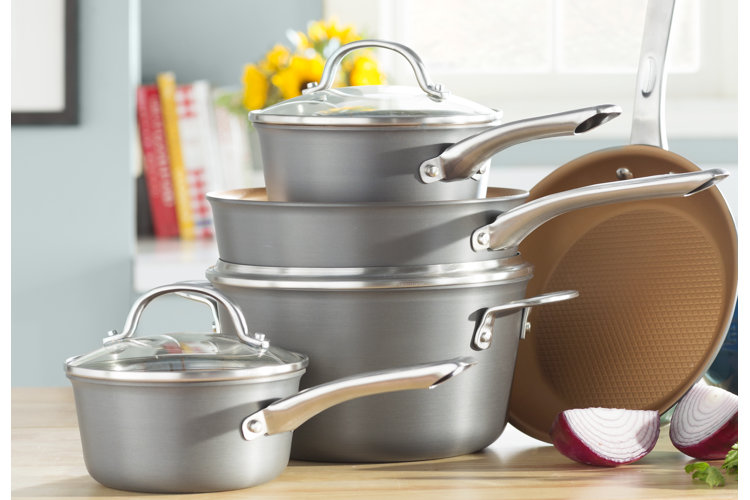
A saucepan is a deep, round piece of cookware with tall, straight sides and a long handle, designed primarily for cooking liquids. Unlike skillets or frying pans, which have lower sides and a broader surface ideal for searing or sautéing, saucepans are built to hold larger volumes of liquid while promoting even heating for consistent cooking. Most saucepans come with a tightly-fitting lid, making them a great option for simmering, steaming, or reducing liquids. Discover the benefits of this versatile piece of cookware and how to choose the right one for your kitchen.
Quick Guide: Best Saucepan Materials by Use
- Best for precise temperature control: Copper
- Best for durability and everyday use: Stainless steel
- Best for heat retention: Cast iron
- Best for lightweight, low-maintenance cooking: Aluminum
- Best for high-heat tasks like searing: Ceramic
- Best for even heat distribution: Hard-anodized aluminum
Tip!
Read our guide on the Best Cookware Sets to find more high-quality cooking essentials.
Saucepan Materials
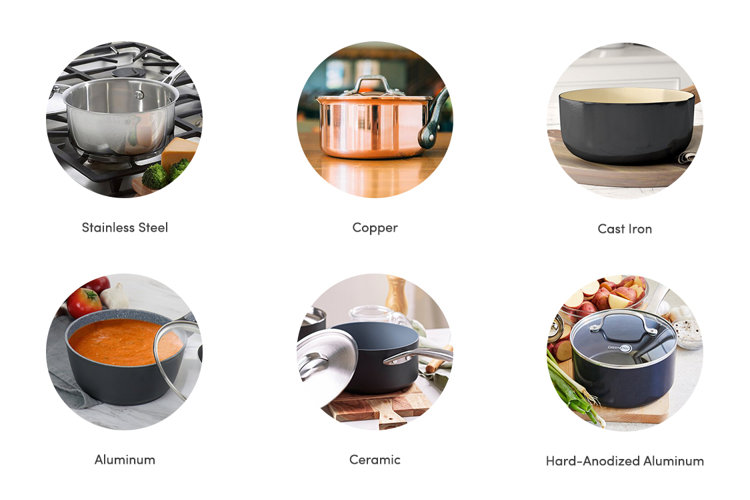
Choosing the right saucepan material is the first step toward effortless everyday cooking. From heirloom-quality durability to quick, low-maintenance cleanup, here is a breakdown of the benefits of each material to help you can find the perfect fit for your stovetop.
- Stainless Steel: Stainless steel is a popular option for saucepans because it is durable, resistant to rust and staining, and typically dishwasher-safe. It gives your saucepan a sleek look, making stainless steel saucepans stylish enough to leave on display in a small kitchen.
Tip!
Check out our guide on The Best Stainless Steel Cookware to find the perfect set for your home.
- Copper: Copper heats up and cools down quickly, giving you precise control while cooking. It evenly distributes heat for consistent results and is often safe to use metal utensils with. Some copper pans are lined with stainless steel to prevent reactions with minerals in food that could alter its flavor. They’re typically oven-safe and best cleaned by hand.
- Cast Iron: Cast iron heats slowly but evenly, allowing flavors to build as you cook. It seamlessly retains heat, keeping food warm long after cooking – just be cautious, as the pan stays hot while it cools. Cast iron can handle high temperatures, making it oven-safe, and it is best washed by hand.
- Aluminum: Aluminum saucepans are great heat conductors but can dent or scorch if not carefully handled. They are lightweight and often dishwasher-safe, making aluminum a low-maintenance option. Be sure to check manufacturer instructions for specific cleaning guidelines.
- Ceramic: Ceramic saucepans are thick material that can handle high heat, making it great for tasks like searing. To protect the pan’s surface, be sure to use wooden or silicone utensils to avoid scratching the coating. While some are dishwasher-safe, hand-washing is recommended to preserve your ceramic saucepan’s finish and extend its lifespan.
- Hard-Anodized Aluminum: Hard-anodized aluminum saucepans heat quickly and distribute heat evenly, making them ideal for cooking over medium to high heat. Most are not dishwasher-safe – hand-washing is best to preserve your saucepan’s surface.
In addition to saucepan material, a saucepan’s finish impacts its performance and maintenance needs.
- Nonstick: Nonstick saucepans feature a smooth coating that prevents food from sticking to the surface, making cooking and cleanup a breeze.They’re ideal for low-oil cooking and frequent everyday use – just be sure to use non-metal utensils to avoid scratching your nonstick saucepan.
- Enameled: Enamel saucepans are made from a base of cast iron or steel and have a porcelain coat to give the saucepan a smooth surface. This durable finish resists scratching and staining, giving you peace of mind while cooking.
Tip!
When making a delicious meal, cooking with the right saucepan size is another essential consideration. Browse our Guide to Saucepan Sizes for help choosing the best option for your cooking needs.
Stove-Top Compatibilities
Before selecting the perfect saucepan, consider the type of stove you have to ensure you make a compatible material choice.
- Electric Coil Cooktop: Electric coil cooktops heat up slowly – opt for a saucepan that also heats up slowly, like stainless steel, aluminum, or cast iron. These options match the coil’s heating pattern to provide consistent cooking results.
- Electric Smooth Top: Electric smooth-top stoves require cookware with a flat base to ensure even heating and prevent damage. Stainless steel saucepans are a compatible match because they’re durable and gentle on the cooktop, perfect for everyday use and eliminating the risk of scratching.
- Gas Stovetop: Gas stovetops quickly heat up, so it’s important to choose a saucepan that responds well to quick heat changes, like copper, aluminum, or stainless steel.
- Induction Stovetop: Induction stovetops favor saucepans with a magnetic base, like cast-iron or stainless steel. Some aluminum or copper saucepans also work if they are bonded with a magnetic layer. Check saucepan manufacturer details to confirm induction-compatibility before use.
Let's break down these key saucepan features and how they can help you in the kitchen.
- PTFE-Free: PTFE (polytetrafluoroethylene) is a chemical commonly used in nonstick cookware coatings. While generally safe at moderate temperatures, the coating can release fumes if it begins to overheat and degrade. For peace of mind, consider choosing a PTFE-free saucepan.
- PFOA-Free: PFOA (perfluorooctanoic acid) is a chemical formerly used while manufacturing PTFE-based nonstick coatings. Though no longer used in modern cookware, choosing a PFOA-free saucepan helps you avoid harmful materials to cook with peace of mind.
- Dishwasher-Safe: Is there anything better than easy cleanup after cooking? By opting for a dishwasher-safe saucepan, you’ll spend less time scrubbing and more time enjoying your food.
- Oven-Safe: An oven-safe saucepan allows you to easily transfer dishes from the stovetop to the oven without switching pans. It can withstand high temperatures and is perfect for one-pan meals.
- Metal-Utensil-Safe: Avoid wear and scratches by opting for a metal-utensil-safe saucepan. This durable selection helps keep your saucepan looking like new, even with frequent stirring.
- Saucepans With Lids Included: If you frequently cook foods that require a lid, like rice, choose a saucepan with a lid included. A well-fitted lid helps contain heat and moisture, making the cooking process even more efficient.
- Cool-Touch Handles: Cool-touch handles are designed to stay cool on the stovetop, helping to protect your hands from burns while cooking.
- Pour Spout: A saucepan with a built-in pour spout makes it easy to transfer water, warmed milk, melted butter, or sauce without spilling.
- Helper Handle: A helper handle provides added support for lifting or pouring from larger, heavier saucepans. It gives you a secure place to grip, making it easier to maneuver the saucepan without burning yourself or spilling.
Saucepan Shopping Checklist
When evaluating saucepans, consider these key features:
- Compatible with your cooktop type
- Lid included
- Dishwasher-safe
- Oven-safe rating (look for specific temperature limits, such as oven-safe up to 400°F or 500°F)
- PTFE-free and PFOA-free options
- Handle comfort and safety features
Frequently Asked Questions
What is the best saucepan material for induction cooktops?
Cast iron and stainless steel are the best materials for induction cooktops because they have magnetic bases. Some aluminum or copper saucepans work if they include a bonded magnetic layer – check manufacturer details to confirm compatibility.
What size saucepan do I need?
Saucepan size depends on your cooking needs. A 1-2 quart saucepan is ideal for melting butter, heating sauces, or small portions. A 2-3 quart saucepan works well for everyday tasks like cooking grains or reheating soup. A 4+ quart saucepan is best for larger batches or family-sized meals.
What is the difference between a saucepan, saucier, and stockpot?
A saucepan has tall, straight sides and is designed for simmering, boiling, and making sauces. A saucier has rounded, sloped sides that make whisking and stirring easier – ideal for risottos, custards, and delicate sauces. A stockpot is much larger with very tall sides, designed for making stocks, soups, and cooking large quantities of liquid.
Are nonstick saucepans safe?
Modern nonstick saucepans are generally safe when used properly. Look for PTFE-free and PFOA-free options for added peace of mind, and avoid overheating nonstick cookware to prevent coating degradation.
