How to: Beekeeping
Whether you want to harvest your own honey or help pollinate the neighborhood, explore what it takes to start your own hive.
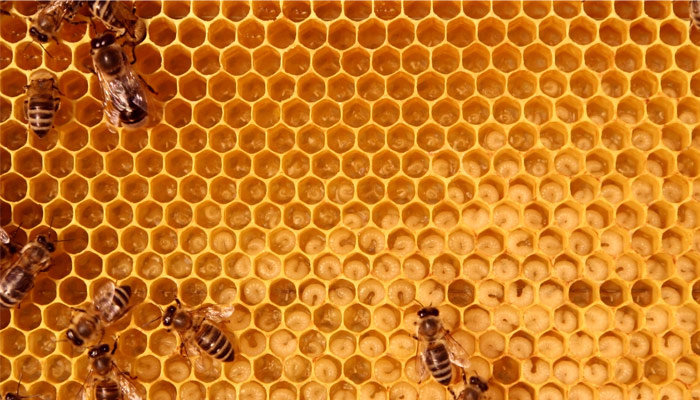
Why Become a Beekeeper?
- Harvest your own natural honey (up to 50 pounds a year!)
- Use residue beeswax for candles, soaps, and lotions
- Help pollinate your garden and your neighbors' gardens
How is Honey Made?
Bees make and store honey from spring until fall, often eating their stored honey to survive in the winter months. Honey comes from nectar that bees collect from flowers. After the nectar is collected, it is passed between the bees repeatedly, which adds needed enzymes and causes the water within the nectar to evaporate—thus, transforming the nectar into honey.
Getting Started
Spring is the ideal time to establish a new hive. Honeybees will begin to produce honey rapidly into the warmer summer months, so it's best to set up your hive immediately after the last frost. Choose a spot where there will be little to no human activity. Your hive should also have direct contact with the morning sunlight to help warm the hive each day. You should place the hive within 40 feet of a fresh water source because like all animals, bees need water to survive and this will spare your neighbor's pool.
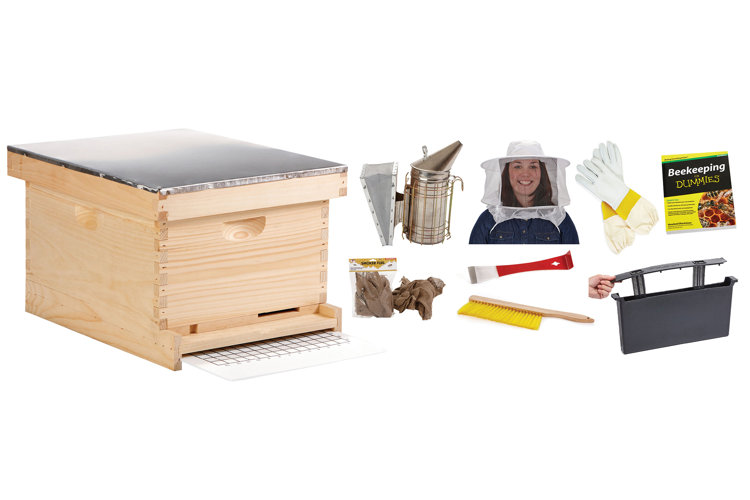
Needed Equipment
- Hive boxes
- Bee suit, gloves, and protective head covering
- Smoker
- Frames coated in beeswax and an electric or hand-crank extractor
- Cinder blocks or wood for the base
- Hot knife or other hive tool - This will be used to pry apart the pieces of your hive when it is time to recover the honey
- Roughly 3 pounds, or approximately 12,000 bees, including the queen bee. You can purchase bees by mail. Find a local supplier online
Set Up Your Hive
- Build or buy your hive pre-made with about 10 deep hive frames. This is where your bees will store their supply of honey and pollen. The queen will also lay her eggs here.
- Paint the outside of your hive with light colored paint to prevent it from absorbing too much heat from the sun.
- When your bees arrive, remove the queen excluder and lay it on top of the second deep hive body, ultimately preventing the queen from laying her eggs in the honey supply.
- Pour purchased bees into your established hive and let them settle in.
- Secure hive covers and let your bees go to work!
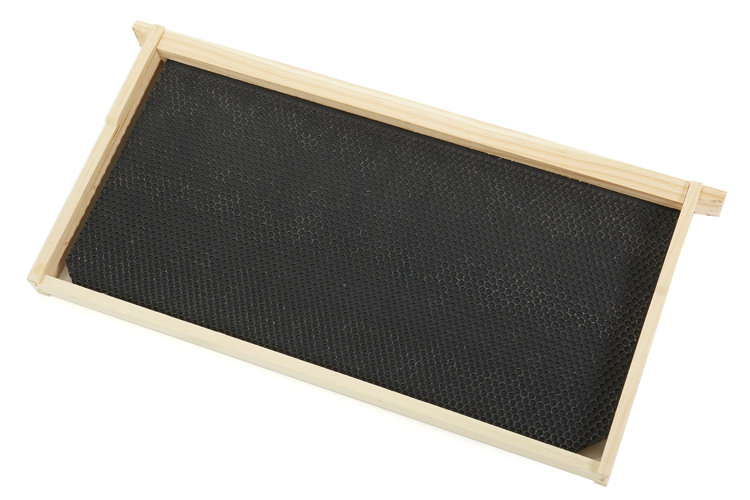
Deep Hive Frame
Harvest Your Honey
Note: First-year beekeepers normally get only a small harvest of honey by late summer. Check the frames weekly to see how things are progressing. If you turn a frame upside down and the honey runs out, it is too watery for harvest. Be patient!
- Open the hive. Use your hive tool to open the cover and use the smoker to subdue the bees.
- Remove frames as desired. Use your bee brush to dust off any remaining bees from the frame.
- Use your uncapping fork to uncap the wax-sealed honeycomb.
- Extract the honey by placing the honey into an electric or hand-crank extractor. Then spin the frames so the honey is forced to the walls of the drum and collects at the bottom.
- Drain honey through layers of cheesecloth to help purify it of debris.
- Bottle or jar and enjoy your fresh honey!
Tip!
Provide bees with sugar water in the beginning, as they will not have honey yet for nutrients.
Prepare the Hive for Winter
With a little assistance and enough stored honey, your bees should survive the winter months. Depending on where you live and how harsh the weather is, you will want to complete some of the following tasks before the first frost sets in.
- Examine your hive for strength. If you have an old queen, she may not last the winter. Think about replacing your queen bee after her second season, before winter sets in.
- If one hive looks weak, cull your broods and combine two smaller hives into one, then split them again come spring.
- Use an inner cover under your outer cover to help insulate the hive.
- Make sure there is enough honey to sustain your bees throughout the winter months.
- Limit entry points to one to deter mice and other small creatures from seeking shelter.
- Provide ventilation.
- If extreme cold is an issue, think about wrapping your hive with insulation or tar paper.
- If high winds are an issue, create a windbreak to help shield your hive.
- Keep hives dry.
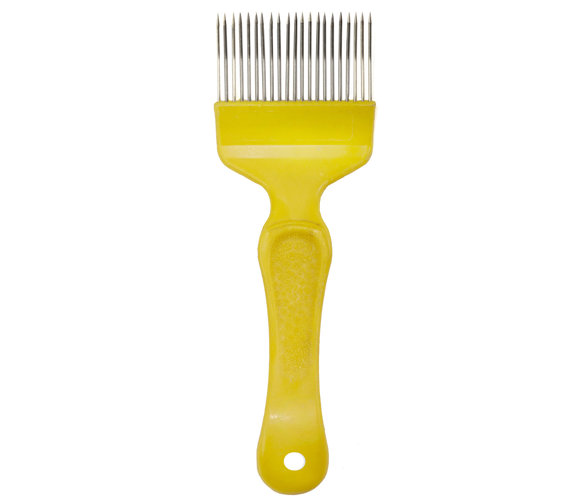
Uncapping fork used for harvesting honey
