What Is a Trivet? Uses, Types & How to Choose
Sometimes, it's the smallest gadgets that have the biggest payoff in your kitchen.
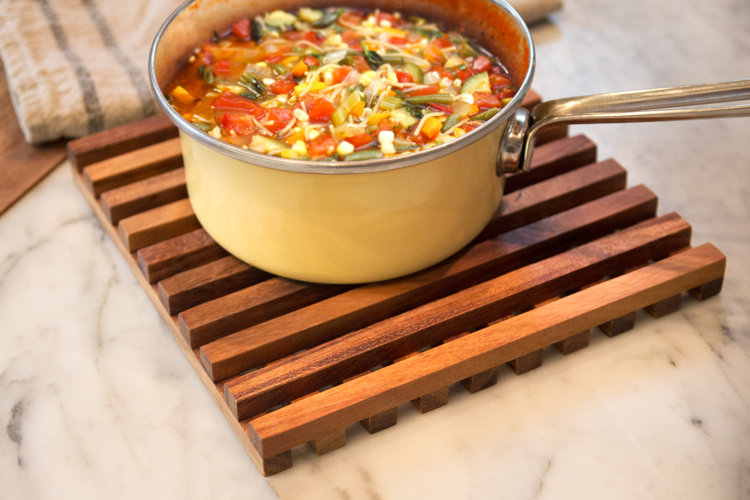
A trivet is a heat-resistant stand that sits between hot cookware and a table or countertop to prevent heat damage, scorching, and scratches. Think of it as a heavy-duty coaster for your pots, pans, and serving dishes. While metal steam racks used inside pressure cookers are also called trivets, a tabletop trivet is specifically designed to protect delicate kitchen and dining surfaces. Read on to learn what a trivet is and how to choose one for your kitchen.
Trivet Meaning
At its core, a trivet serves as a protective heat barrier. Placing a scalding pot directly onto wood, granite, quartz, or laminate can cause permanent discoloration, thermal shock, or finish damage. A tabletop trivet elevates or insulates cookware so you can safely cool, rest, and serve dishes straight from the oven or stove.
What Is a Trivet Used For?
Trivets are essential everyday kitchen tools with several key functions:
- Protecting Counters & Tables: They create a buffer that shields surfaces from extreme heat, moisture rings, and scratches caused by heavy cookware.
- Serving Stove-to-Table Meals: Rest heavy Dutch ovens, roasting pans, casserole dishes, and teapots directly on the table for family-style dining.
- Decorative Accents: Many trivets feature ornate metalwork, carved wood, or colorful designs that double as decorative kitchen or table accents when not in use.
Types of Trivets
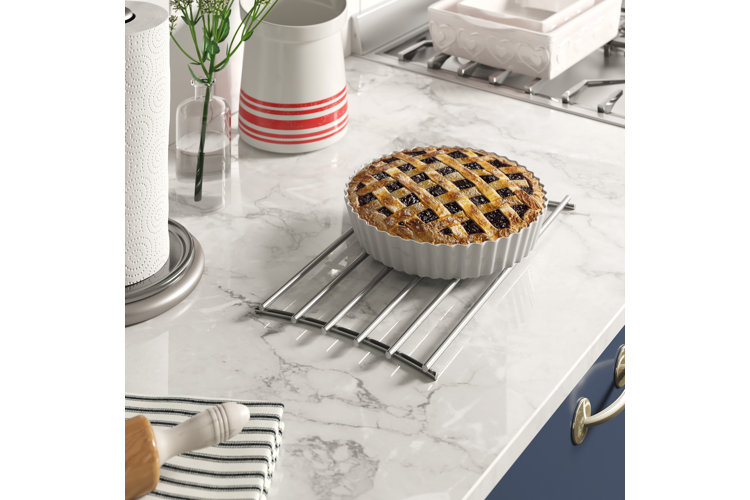
Trivets come in various structural designs to accommodate different cookware sizes and kitchen aesthetics:
- Flat vs. Legged: Flat trivets sit directly on the counter, making them easy to store. Legged trivets elevate hot cookware slightly off the table, allowing air to circulate freely underneath for faster cooling.
- Shapes: Available in round, square, rectangular, and oval styles. You don't need to match your cookware shape exactly – just ensure the trivet is large enough to support the base securely.
- Novelty Designs: From starbursts and hearts to seasonal shapes, decorative trivets add personality to your kitchen counters.
Trivet vs. hot pad vs. Instant Pot rack
| Item | Where it goes | Protects | Best for |
|---|---|---|---|
| Table trivet | Under a dish on a table | Wood, stone, laminate | Hot pots at the table |
| Hot pad / potholder | In your hand or under a pan | Hands; light heat | Moving pans; light dishes |
| Instant Pot trivet | Inside the inner pot | Food from boiling water | Steaming; pot-in-pot |
Trivet Materials
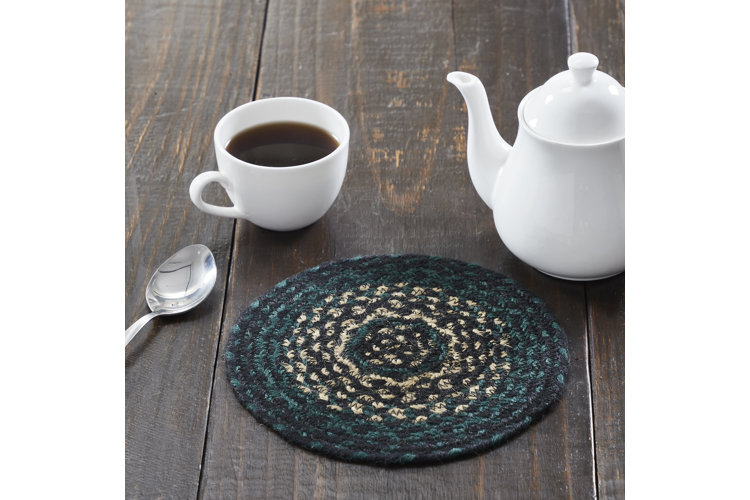
Additionally, trivets come in a variety of materials. Choose the one that best suits your cooking needs.
- Cast Iron: While heavy, this trivet material is sure to withstand the heat and weight of heavy pots, especially Dutch ovens.
- Silicone: Flexible and light as air, silicone trivets are heavy-duty when it comes to protecting your surfaces.
- Wood Trivets: Just as you might use a wooden cutting board to protect your counter, you can use a wooden trivet as a heat-resistant barrier.
- Cork Trivets: Though cork might feel thin and porous, it's enough to protect a surface from heat and scratches. It's why cork is found on the bottom of many coasters!
- Stainless Steel: Just like stainless steel appliances, a trivet made from this material is tough and durable.
- Bamboo Trivets: A bamboo stalk might look delicate, but it's strong enough to make furniture and home decor. When made into a trivet, bamboo provides a natural, heat-resistant surface.
- Aluminum: If you're looking for a trivet that's more lightweight than cast iron or stainless steel, opt for aluminum. Despite being thinner, it can still stand up to the heat of that roast pan you're hoping to let rest.
- Melamine: Though it looks like porcelain or ceramic and feels delicate to the touch, melamine won't break or crack with heat, making it an excellent trivet material.
Trivet materials compared
| Material | Best for | Heat and weight | Care |
|---|---|---|---|
| Cast iron | Dutch ovens, heavy pots | Excellent heat and load | Dry well; oil if uncoated |
| Silicone | Everyday pots; travel | High heat; light weight | Dishwasher-safe typically |
| Wood or acacia | Dining table display | Good if thick and dry | Hand wash; do not soak |
| Stainless steel | Roasting pans, kettles | High heat; very durable | Dishwasher-safe typically |
| Cork or bamboo | Light dishes; décor | Moderate heat; light load | Wipe clean; avoid soaking |
How to Choose a Trivet
To pick the ideal trivet for your kitchen, consider these key factors:
- Cookware Weight: Pair heavy cast iron or enamel cookware, like a Dutch oven, with sturdy cast-iron, steel, or thick wood trivets.
- Heat Threshold: High-heat dishes straight from a 450°F oven need heat-tolerant materials like silicone, cast iron, or stainless steel.
- Storage & Display: Flexible silicone mats roll up easily in drawers, while decorative wood and metal trivets look great left out on countertops.
What to Use If You Don't Have a Trivet
If you need a quick surface buffer in a pinch, try these household alternatives:
- A thick wooden cutting board.
- A wire cooling rack.
- A folded, dry kitchen towel (avoid damp towels, as moisture conducts heat rapidly).
