What Is a Shower Filter?
Be informed and make a great choice for your health and home.
There's nothing like a refreshing shower to start or end your day. But did you know that the water you're showering in might be filled with impurities that can harm your skin and hair? That's where a shower filter comes in. But what is a shower filter, exactly? In this guide, we'll detail all you need to know about shower filters, how they work, and why you might want to consider getting one for your household.
What Is a Shower Filter?
A shower filter is a device that's attached to your shower head to filter out harmful substances from your water. These substances can include chlorine, heavy metals, and other contaminants that can lead to dry skin, damaged hair, and other health issues. Shower filters work by using a variety of filtration techniques to trap these impurities, providing cleaner, healthier water for you and your family.
How Does a Shower Filter Work?
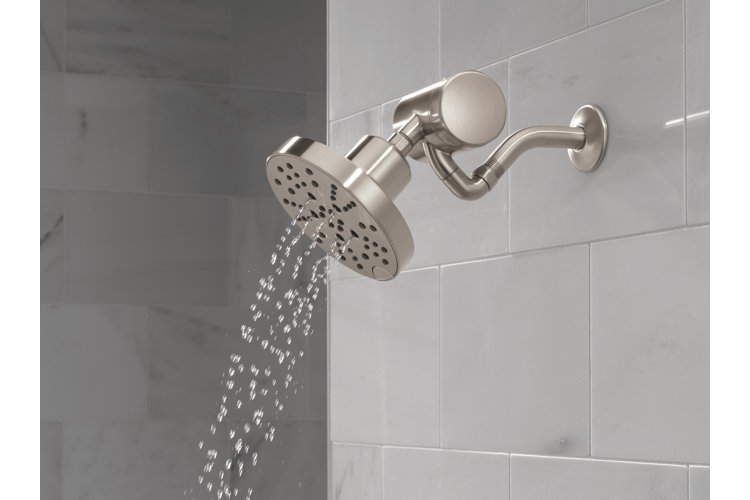
Shower filters typically use a combination of several filtering technologies to cleanse your water:
Carbon Filtration: Activated carbon is a popular filter medium due to its ability to attract and hold onto a wide range of contaminants. When water passes through a carbon filter, impurities stick to the surface of the carbon particles, effectively removing them from your water.
KDF Filtration: Kinetic Degradation Fluxion (KDF) filters use a chemical process known as redox (reduction and oxidation) to change harmful substances into harmless components. KDF filters are particularly good at removing chlorine and heavy metals from water.
Vitamin C Filtration: Some shower filters use Vitamin C (ascorbic acid) to neutralize chlorine and chloramine in your water, providing additional skin and hair health benefits.
Shower filters offer a range of benefits for your health and well-being:
Protects Your Skin & Hair: The chlorine and other harsh chemicals found in tap water can strip away your skin's natural oils, leading to dryness and irritation. Similarly, these substances can damage your hair, causing it to become dry and brittle. A shower filter can help to reduce these issues, leaving your skin and hair softer, smoother, and healthier.
Improves Air Quality: Chlorine can evaporate in hot shower water, creating harmful vapors that you can inhale. A shower filter can help to reduce the amount of chlorine vapor in your bathroom, leading to better air quality.
May Benefit Health Conditions: If you or a family member suffer from skin conditions such as eczema or psoriasis, a shower filter may help to lessen the severity of symptoms by reducing skin irritation caused by chlorine and other chemicals.
Who Can Benefit From a Shower Filter?
Shower filters can be beneficial for virtually any household. They're particularly useful for:
Homes With Hard Water: If you have hard water – water with a high mineral content – in your home, a shower filter can help to soften it, reducing limescale buildup and improving the health of your skin and hair.
Households With Health Concerns: If you or a family member have sensitive skin, allergies, or respiratory issues, a shower filter can help to reduce symptoms by improving the quality of your shower water and air.
Beauty Enthusiasts: If you're keen on maintaining healthy skin and lustrous hair, a shower filter can be a simple and effective addition to your beauty routine.
Shower Filter Installation: Easy & Hassle-Free
Installing a shower filter is a breeze, requiring minimal effort and no professional assistance. Here's a brief overview of the simple installation process:
1. Check Compatibility
Before purchasing a shower filter, ensure that it is compatible with your existing shower head. Most filters are designed to fit standard shower heads, but it's always good to double-check.
2. Remove the Shower Head
Start by unscrewing the existing showerhead from the shower arm. Use a wrench or pliers if needed, but be careful not to damage the shower arm or any plumbing connections.
3. Apply Thread Seal Tape
Take a small amount of thread seal tape and wrap it around the threads of the shower arm. This tape helps create a watertight seal when the shower head is reattached.
4. Attach the Shower Filter
Screw the shower filter onto the shower arm, ensuring it is securely attached. Hand-tighten it first, then give it an extra gentle twist with a wrench or pliers, being careful not to overtighten and damage the filter or shower arm.
5. Reattach the Shower Head
Screw the showerhead back onto the shower filter, ensuring it is tightly secured. Again, hand-tighten first, then use a wrench or pliers for a final gentle twist.
Test for Leaks: Turn on the shower and check for any leaks around the connections. If you notice any leaks, try tightening the connections slightly. If the leaks persist, you may need to remove the shower head and reapply the thread seal tape.
A shower filter is an affordable and easy-to-install addition to your home that can offer significant health benefits. By understanding what a shower filter is and how it works, you're now empowered to make an informed decision about whether this device is right for your household.
