What Is a Cachepot?
Unlock the secret to stunning indoor plant displays.
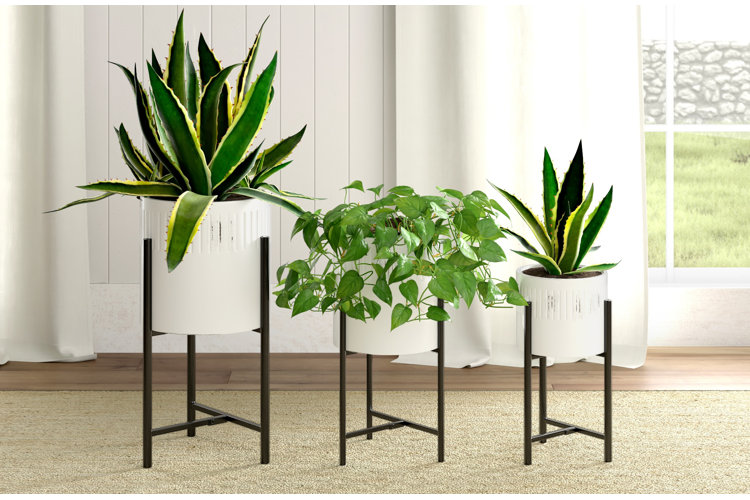
You may have heard the term cachepot buzzing around the home decor space, but what is a cachepot exactly? Used by professional designers and novice green thumbs alike, cachepots offer a stylish and practical way to display your indoor plants. This guide will delve into what a cachepot is, how it works, and when it's best to use them in your home.
In this guide:
What Is a Cachepot?
Cachepot Materials
The Benefits of Using a Cachepot
Who Should Use a Cachepot?
Frequently Asked Questions
What Is a Cachepot?
A cachepot (pronounced "cash-po") is essentially a decorative container for a plant and its pot. The term is French for "hide-a-pot," and it does just that – it's designed to conceal a less attractive, utilitarian flower pot. Cachepots come in a variety of materials including ceramic, metal, woven fibers, and more. They are available in countless sizes, colors, and finishes, which means you can easily find one to suit your plant and decor style.
Cachepot Materials
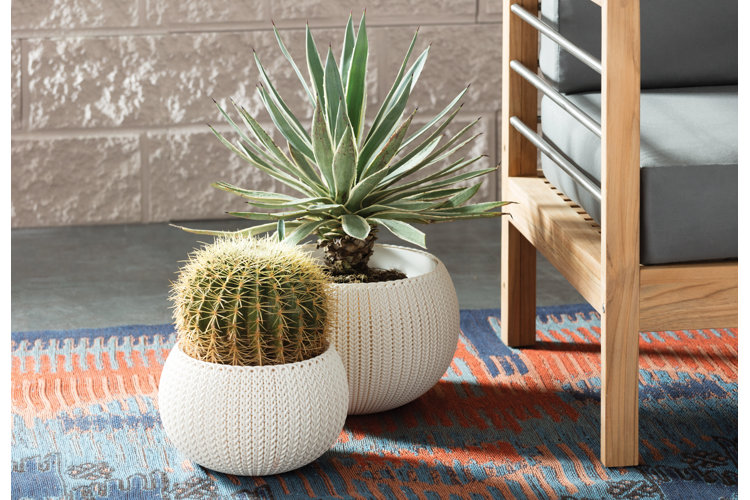
Choosing the right material for your cachepot can significantly impact the aesthetic and functionality of your plant display.
Ceramic: Ceramic cachepots are popular for their beautiful glazes and variety of patterns, offering a timeless and polished look.
Metal: Metal cachepots convey a modern, industrial vibe, and can be particularly durable, though it’s important to ensure they have a proper lining to prevent rust.
Natural Fibers: If you're aiming for a bohemian, coastal, or rustic charm, consider woven fiber cachepots made from materials like rattan or seagrass; these are light and add warmth to any space. Each material brings its unique character, allowing you to express your personal style while elevating your plants.
The Benefits of Using a Cachepot
So why use a cachepot instead of simply planting directly into a decorative pot? Here are some reasons why a cachepot could be a perfect fit for your home:
Ease of Maintenance: Cachepots don't have drainage holes, so you can easily swap out plants without worrying about soil or water mess. This also means you can quickly switch out plants based on the season or your mood, without the hassle of repotting.
Enhanced Decor: With a cachepot, your plants become a part of your decor. You can coordinate your cachepots with your interior design theme, adding a touch of style and personalization.
Plant Health: Using a cachepot can also be beneficial for your plants. It provides an extra layer of insulation for the plant roots, protecting them from temperature fluctuations.
Versatility: Cachepots can accommodate a variety of plant sizes. Just choose a cachepot that's a bit larger than your plant's original pot, and you're good to go.
How to Use a Cachepot
Using a cachepot is simple:
Step 1: Choose a cachepot that's slightly larger than your plant's current pot.
Step 2: Place your plant (still in its original pot) into the cachepot.
And that's it! When it's time to water, take the plant out of the cachepot, water it in the sink or tub, let it drain, then place it back in the cachepot.
Who Should Use a Cachepot?
A cachepot is an excellent choice for anyone who wants to enhance their indoor plant display without a lot of effort. They're ideal for people who love to frequently change their decor, as you can easily swap out the cachepot to match your current design theme. They're also perfect for those who want an easy, no-mess solution for maintaining indoor plants. For advice on keeping your indoor plants happy, read Caring for Indoor Plants: How to Care for Plants.
Frequently Asked Questions
What is the primary purpose of a cachepot?
A cachepot is designed to conceal a less attractive plant pot, enhancing decor.
How do cachepots benefit plant health?
Cachepots provide extra insulation for plant roots, protecting them from temperature changes.
What materials are cachepots typically made from?
Cachepots can be made from ceramic, metal, and natural fibers like rattan or seagrass.
