Laminate Floor Buying Guide
Durable, affordable, and easy to install, we have compiled everything you need to know about this flooring all-star.
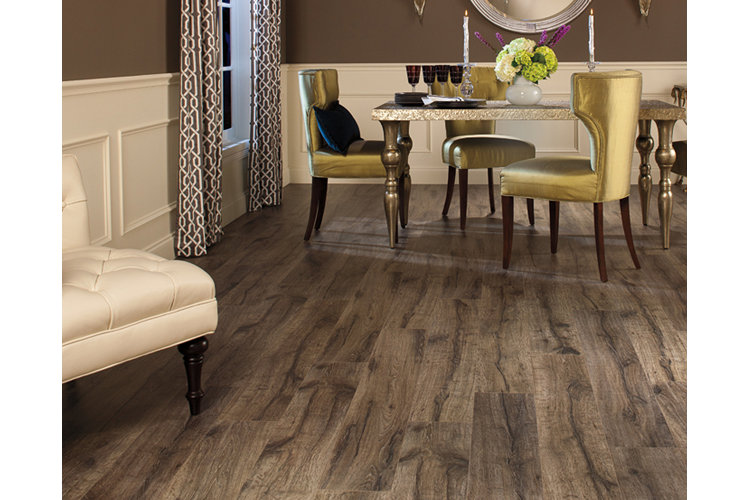
Laminate offers a variety of advantages when it comes to installing new and improved flooring. In addition to its affordability, extensive style variety, and easy-install capabilities, laminate flooring is also hypoallergenic. With no pores or crevices to retain dust, dirt, and mold, laminates are an family-friendly, easy to clean, alternative.
Styles
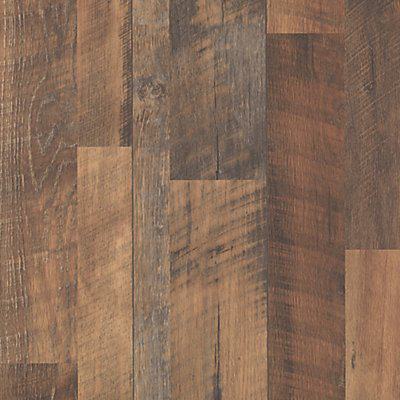
With everything from pine, to oak to hickory—wood offers the most variety in style, it is the most common, and offers a plethora of variations in price point.
Find wood look laminate here.
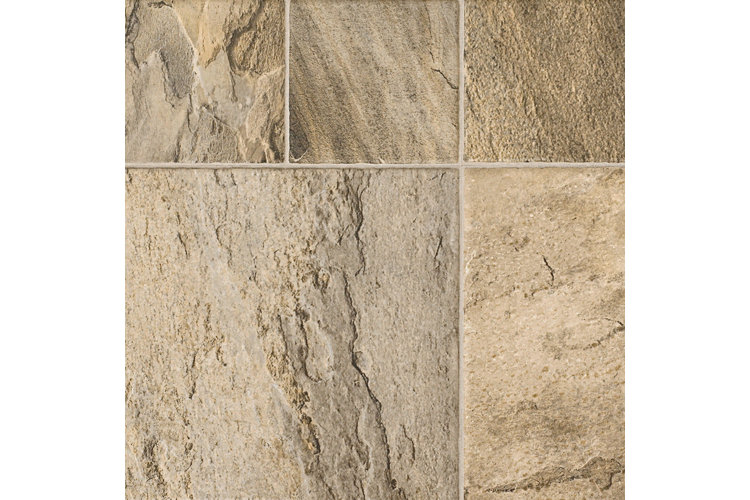
Slightly less common than wood laminate, tile does a near perfect job at replicating real tile.
Find tile look laminate here.
Edge Types
When deciding on the style of the edging (or the laminate planks look when joined together), consider how you would like the surface of your floors to look once finished. The three main edge types found in laminate flooring are:
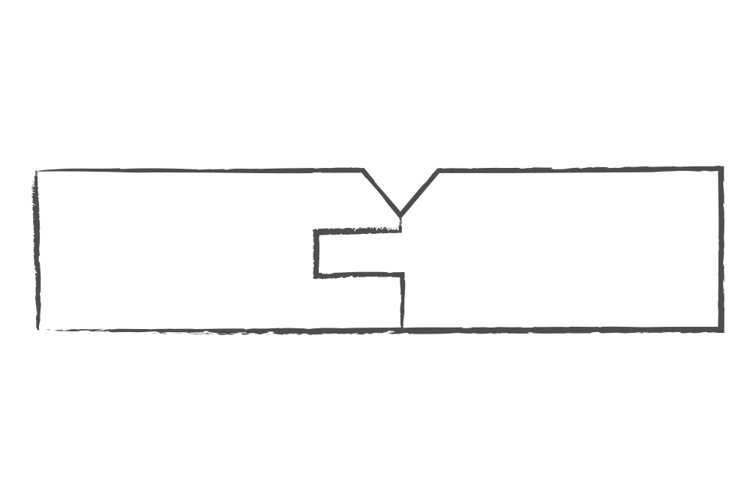
Beveled Edges: Have a very distinctive, deep V-groove between each plank, giving laminate the look of real hardwood.
Micro-Beveled or Eased Edges: Have a less distinctive, more shallow V-groove between planks giving subtle definition.
Square Edges: Create a smooth, uniform, water resistant surface from plank to plank. This style is often used in kitchens and bathrooms to prevent water from getting under the laminate flooring.
Surface Types
- Smooth: This finish often offers a variety of glosses ranging from high, medium and low.
- Textured or Embossed: This finish gives the illusion of surface grain and simulates the natural look and feel or hardwood by aligning an embossed texture with the printed wood design.
- Hand-Scraped: Pressed to look like real hand-scraped, time-worn hardwood, your floors will look slightly antiqued and distressed, with a rolling uneven surface similar to that of wood grain.
- Wire-Brushed: Resembles wire-brushed hardwood with its subtle, light textured finish.
Gloss Level
- Low Gloss: Matte finish that hides marks and scruffs from everyday wear and tear; ideal for high-traffic areas.
- Semi-Gloss: Adds sheen without being too glossy or sacrificing durability.
- High Gloss: Reflects light beautifully and provides a more lustrous coating of polish.
Installation Location
Not all laminate is created equal! Grade level determines where in the home the flooring should be installed. Remember, many manufacturers' warranties will be voided if a product is incorrectly installed in an incompatible location.
- Above Grade: Flooring may be installed anywhere above the ground floor of your home.
- On Grade: Flooring may be installed on the ground floor of your home.
- Below Grade: Flooring may be installed below ground level, typically in a basement.
Installation Method
Laminate flooring is sold in planks, tiles and squares, all with tongue-and-groove interlocks. Laminates also require an underlayment to help with moisture control and noise reduction.
There are three installation types for laminate:
- Float: Does not require staples, nails, or glue.
- Click-Lock: A type of float flooring; boards lock together for easy installation.
- Glue: Glue or other adhesive is used to create a more durable floor.
AC Rating
AC rating stands for Abrasion Class and is a standardized measurement system for gauging the durability of laminate. This measurement rates resistance to abrasion, impact, stain, and burning, as well as thickness swelling along the edge. It also helps determine what laminate you should choose for various settings, like residential and commercial areas. AC ratings run from AC1 through AC5.
- AC1: For areas with light residential traffic, like bedrooms.
- AC2: For areas with medium residential traffic, like living and dining rooms.
- AC3: For all residential traffic and light commercial traffic, like hotel rooms.
- AC4: For areas with general commercial traffic, like offices and small shops.
- AC5: For areas with heavy commercial traffic, like department stores or public buildings.
