Fencing Buying Guide
Get all the information you need about material types, measuring, and installation before you buy.
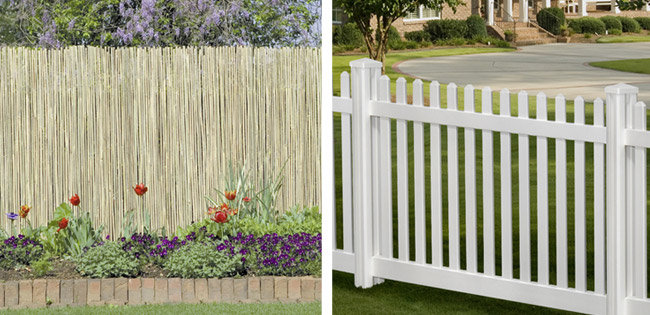
Fencing is a way to beautify your home, keep pets and children safe, and provide privacy. Low vinyl fencing can be a pretty way to accent a front yard, while bamboo or reed fencing creates a screen for a private back deck or patio area. No matter your end goal, we have all the information, from material types, to installing, to things to consider before buying. Read on to learn all this and more before making your fencing purchase.
Materials
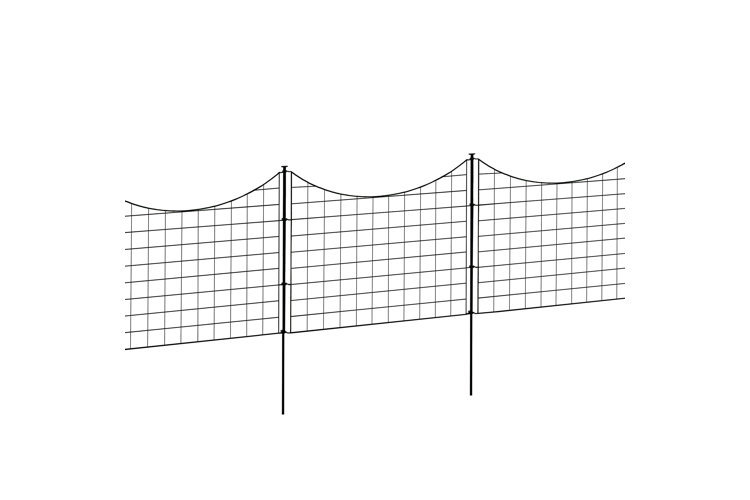
Steel
Steel is both durable and decorative. Consider adding as a border to a garden for extra curb appeal.
Features:
- Strong and durable
- Protective coating requires virtually no upkeep
Bamboo
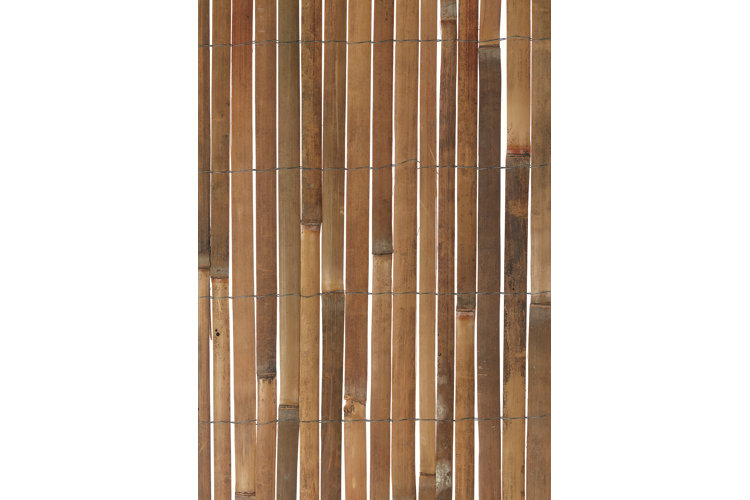
Bamboo is a good option if you are looking for privacy as it creates visual barrier between you and your neighbor. Bamboo also has a very high tensile strength, making it a long-lasting material.
Features:
- Eco-friendly
- Resists weather, rot, and termites
- Taller and thicker than reed fencing
- Stronger than wood and steel
- Provides a tropical feel
Vinyl
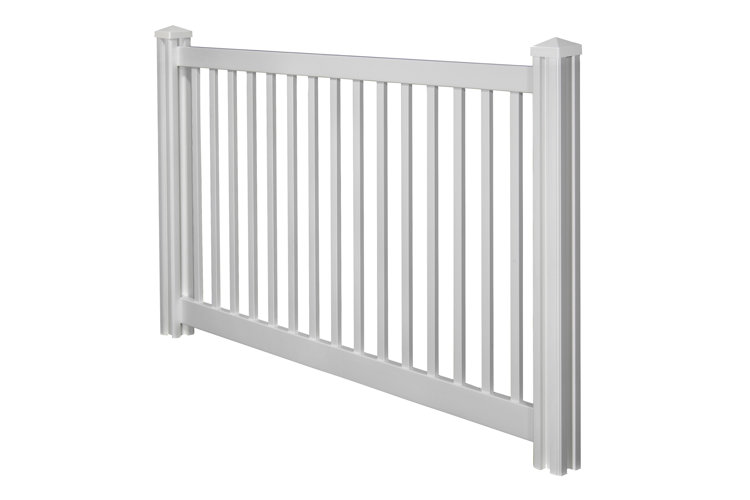
Vinyl is easier to care for and always looks clean and fresh. Try this material if you are looking for a no-fuss option.
Features:
- Relatively maintenance free
- Smooth surface with no splinters or sharp edges
- Resists weather, rot, and fading
Wood
Wood is a classic material that provides privacy as well as a great barrier to keep small children or pets safe while playing in the yard.
Features:
- Can be painted or stained
- May require occasional staining or sealing to protect from weather
- If not sealed, can rot and/or warp
Reed/Willow/Fern
These natural products add a tropical flair to your outdoor space. If you want to keep cost and install efforts low, consider one of these three materials.
Features:
- Eco-friendly* Economic alternative to bamboo* Created by weaving reeds together with rust-proof wire
Calculating Quantity
Using a measuring tape, measure the desired fence line along your yard in linear feet. Make note of where you would like your gates to be located. Standard gates are 4 feet wide. If you need a wider entrance, consider ordering two gates to create a double wide opening.
Sketch your yard layout with the proposed fence lines and gates to be sure the layout works and your measurements check out.
For each run of fence figure the following:
- For each gate in that run, subtract 4 feet. If you want a double wide opening subtract 8 feet.
- Take the remaining linear feet and divide by the width of the panel you have opted to use. Be sure to consult the manufacture's specifications so that your calculations are accurate. The final number should be the number of panels you need to purchase.
- If your new fence will not be tying into an existing fence then you will need to be sure you have enough posts and caps. To determine this add up all the panels and gates then add one. This is the number of posts and caps you will need.
- Repeat these steps for all other runs you are planning to install.
Tip!
Most of the time, posts will be provided with your fencing, but to accomodate gates and to terminate a fence run, you will need to order additional posts.
Installation Types
Before You Begin
- Check local zoning laws. In some areas Home Owners Associations and local zoning laws may have regulations pertaining to fence height, placement, and style.
- Be sure you are aware of your property line. To avoid neighborhood disputes, check property lines before measuring for your fence.
- Talk to neighbors. Some neighbors may have specific ideas about how or if they want a fence. Try to compromise; your neighbor may even be willing to split the cost with you.
- Contact local utilities. For your safety and the safety of those around you, call your local utilities before drafting your fencing plan so that you do not puncture electrical, gas, or water lines. If you are in the US simply call 811 to double check.
- Read your installation guide. Sit down and read the installation guide from cover to cover before starting your project. This ensures that you are safe and get your new fencing intalled quickly and correctly.
- Aquire the right tools. After reading your installation guide you should know what tools you will need to complete the job. Make sure you have all of these items before you begin so everything goes smoothly.
- Give yourself enough time. Be realistic when deciding how long the project will take. If you have never intalled a fence, then be sure you allot extra time. Also, be aware of the time of year and any weather conditions that may delay work.
