to:Â
3,492 Items

By Wekiva Foliage LLC
FREE Delivery
The bluestem palmetto has a trunk that, in Florida, rarely emerges from the ground and rarely produces side shoots. Sabal minor is reported to have reached 18 feet tall in Texas. The dark green, costapalmate leaves vary in size depending on the age of the plant but may reach a length of 5 feet. The fan-shaped leaves of the bluestem palmetto are palmately lobed and segmented with the segments split to 23 their length. Bluestem palmetto will perform quite well as a specimen in a small garden. Its large leaves and small size make it stand out in the company of other plants. It is also impressive when massed as a tall ground cover. Plant shrubs 4 to 6 feet apart to establish a dense ground cover. Sabal minor is valued for its hardiness and tropical appearance. It must have a full-sun to partial-shade position in the landscape. The plant is adaptable to many soil types as long as they are well-drained, and it is drought tolerant. These palms will even grow well on relatively shallow soils.

By Wekiva Foliage LLC
FREE Delivery
The Pencil Cactus (Euphorbia tirucalli) also commonly called milk bush due to its thick, white sap is native to semi-arid tropical regions of Africa and India. In the wild, the Pencil Cactus can grow up to 30 feet tall and well over 6 feet indoors. This stem succulent is not a true cactus and photosynthesizes in its stems, not through the small leaves that appear at the end of its new growth (which are inconsequential to the plants health). The plants have slender, slightly toothed stems without any foliage growth. The name derives from the branches, which are about the diameter of a pencil. When new branches sprout, the end of the branch can be tinted slightly pink and tiny leaves may appear. These leaves will disappear once the branch matures. The pencil cactus needs high levels of light and moderately low moisture. It is an excellent houseplant and provides an interesting silhouette.

By Wekiva Foliage LLC
FREE Delivery
The Dwarf Sugar Palm (Arenga englerii) is an elegant and slow-growing palm, prized for its compact size and lush, tropical appearance. Native to Southeast Asia, this unique palm features graceful, arching fronds with finely divided leaflets that create a soft, feathery texture. Unlike its larger relatives, the Dwarf Sugar Palm maintains a manageable size, making it an excellent choice for small gardens, patios, or indoor spaces. Its slender, clumping growth habit allows it to form attractive clusters, adding depth and visual interest to any setting. The dark green, glossy foliage contrasts beautifully with its fibrous, ringed trunks, creating a striking yet refined look. Over time, mature plants may develop small, ornamental fruit, further enhancing their appeal. This palm thrives in warm, humid conditions and is well-suited for both outdoor landscapes and indoor container gardening. It adapts well to partial shade, making it ideal for understory plantings or spaces with filtered sunlight. Whether used as an accent plant, a natural privacy screen, or a feature in tropical garden designs, the Dwarf Sugar Palm brings a touch of exotic charm with minimal maintenance.

By Wekiva Foliage LLC
FREE Delivery
Alocasia is easy care in the right location. It takes sun or shade but seems to do best in part shade where it might get early morning or late day sun, mixed with dappled light through the afternoon. This moderate grower can be planted anywhere in South Florida, though it may die back when cold weather hits. For leaves year round, grow in Zone 10. Plant in a protected area so winter takes less of a toll and wind doesn't damage the leaves. These plants tend to prefer a part sun to part shade location, and grow to about 3 or 4 feet. Commonly known as upright elephant ear, Alocasia macrorrhiza's glossy, bright green leaves add an exotic look to beds, borders and pots. The big paddle-shaped leaves are held upright to shed water and make room for companion plants below. The only trimming needed is to remove a dead or dying leaf and stem now and then. Water on a regular basis...and do it more often for plants in full sun. Landscape uses for alocasia odora: foundation plant under low windows, accent in a mixed bed, grouped in a naturalized area, along a porch or patio, surrounding a palm or tree.

By Wekiva Foliage LLC
Rated 2 out of 5 stars.2 total votes
FREE Delivery
The Pencil Cactus (Euphorbia tirucalli) also commonly called milk bush due to its thick, white sap is native to semi-arid tropical regions of Africa and India. In the wild, the Pencil Cactus can grow up to 30 feet tall and well over 6 feet indoors. This stem succulent is not a true cactus and photosynthesizes in its stems, not through the small leaves that appear at the end of its new growth (which are inconsequential to the plants health). The plants have slender, slightly toothed stems without any foliage growth. The name derives from the branches, which are about the diameter of a pencil. When new branches sprout, the end of the branch can be tinted slightly pink and tiny leaves may appear. These leaves will disappear once the branch matures. The pencil cactus needs high levels of light and moderately low moisture. It is an excellent houseplant and provides an interesting silhouette.
This pencil cactus arrived very stressed out with a lot of weird yellow growth and Sapir dehydrated it is alive, but I’m going to have to repot it immediately and the potting soil is like cement so yes I got a life planned, but it’s going to have to go into hospice for a while. Anne. Tulsa, OK. Wed Apr 15 2026
By Wekiva Foliage LLC
FREE Delivery
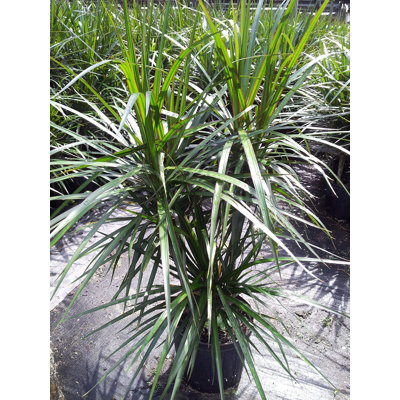
One of the most colorful Dracaena varieties available. The red tinted foliage adds a decorative accent to any room. May be grown outdoors during frost-free weather. Use it as a potted plant, in the garden, or mixed with colorful annual plants in a large patio planter. Its easy to care for, requiring little light or water, and is quite hardy in most temperatures. The Madagascar Dragon Tree is characterized by long, narrow leaves that are extremely spiky. The foliage is generally dark green with edges that are adorned with a reddish purple and can grow up to 16 inches in length. As the tree grows, it will naturally lose its lowest leaves leaving tufts of leaves atop a bare woody cane. Marginata is the coolest looking variety. It grows slower than the other varieties, but has a much more vibrant red pink coloration. Dragon trees do best in partial shade. This means that if youre growing indoors, you should have it on a north-facing windowsill, near one facing east or west, and further away from one facing south. You will know youre giving the plant too much light if the leaves burn. On the flip side, youll know you arent giving it enough light when the accent colors on the leaves start to fade.
By Wekiva Foliage LLC
FREE Delivery
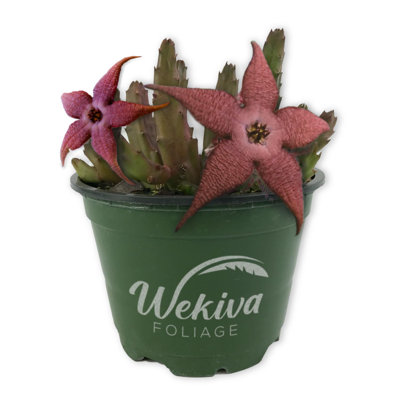
The Stapelia schinzii is a small, enchanting plant with a sprawling habit, primarily known for its striking flowers and unique stem appearance. Originating from the challenging environments of southern Africa, this plant has adapted to survive with minimal water and in the harsh sun. Its stems, typically green with a tinge of purple, make it a visually appealing addition to any collection. The flowers of Stapelia schinzii are truly remarkable, featuring a star-shaped appearance with a textured surface. They are known for emitting a distinct odor, which naturally attracts pollinators.
By Wekiva Foliage LLC
FREE Delivery
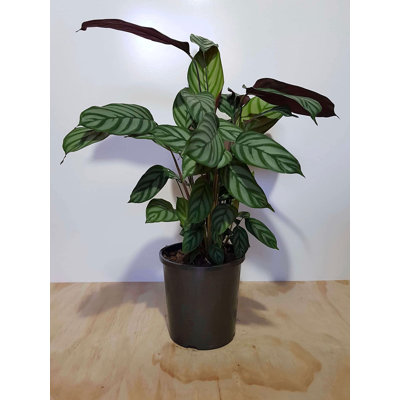
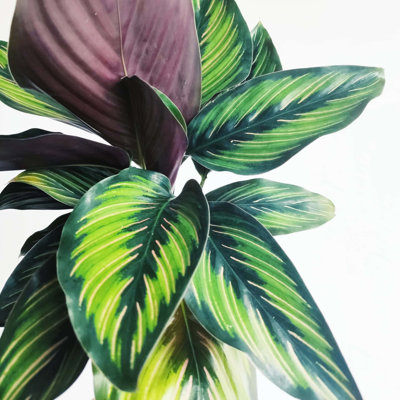
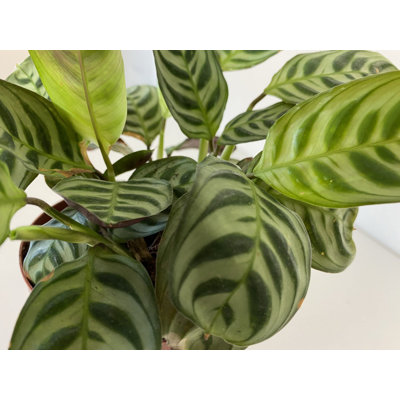
Calatheas are beautiful house plants grown for their stunning foliage. The top sides of the leaves look as if they have been painted with beautiful brushstrokes they're often intricately patterned, in many shades of green. The undersides of the leaves are often burgundy red. This striking foliage has earned calatheas several nicknames, including the peacock plant, cathedral window plant, zebra plant and rattlesnake plant. Calatheas are also sometimes called the prayer plant as they are closely related to the maranta plant, also known as the prayer plant. However unlike marantas, they do not close their leaves up at night. Many calathea varieties have recently been moved into the genus Goeppertia, so you may now find them being sold under this name. The light requirements make this plant an attractive choice for lower-light homes, but please note: These plants do poorly in direct sun, which can bleach the leaves. Place your prayer plant in a part of a room that receives low to bright indirect light. As a rule, the darker the foliagesuch as with the calathea ornatathe lower the light requirements. Like all houseplants, calathea enjoy filtered or dechlorinated water and can be a little more demanding than other houseplants. Simply fill your watering can and leave it overnight to dissipate the chlorine. If there are other chemicals in your tap water, try using filtered or distilled water instead. Prayer plants enjoy a humid environment, but many varieties can handle lower levels of humidity. Ideally, they prefer a humidity level of 50 percent or more, with more sensitive varieties requiring higher humidity levelsaround 60 percent.

By Wekiva Foliage LLC
FREE Delivery
Calatheas are beautiful house plants grown for their stunning foliage. The top sides of the leaves look as if they have been painted with beautiful brushstrokes they're often intricately patterned, in many shades of green. The undersides of the leaves are often burgundy red. This striking foliage has earned calatheas several nicknames, including the peacock plant, cathedral window plant, zebra plant and rattlesnake plant. Calatheas are also sometimes called the prayer plant as they are closely related to the maranta plant, also known as the prayer plant. However unlike marantas, they do not close their leaves up at night. Many calathea varieties have recently been moved into the genus Goeppertia, so you may now find them being sold under this name. The light requirements make this plant an attractive choice for lower-light homes, but please note: These plants do poorly in direct sun, which can bleach the leaves. Place your prayer plant in a part of a room that receives low to bright indirect light. As a rule, the darker the foliagesuch as with the calathea ornatathe lower the light requirements. Like all houseplants, calathea enjoy filtered or dechlorinated water and can be a little more demanding than other houseplants. Simply fill your watering can and leave it overnight to dissipate the chlorine. If there are other chemicals in your tap water, try using filtered or distilled water instead. Prayer plants enjoy a humid environment, but many varieties can handle lower levels of humidity. Ideally, they prefer a humidity level of 50 percent or more, with more sensitive varieties requiring higher humidity levelsaround 60 percent.

By Wekiva Foliage LLC
FREE Delivery
The Pencil Cactus (Euphorbia tirucalli) also commonly called milk bush due to its thick, white sap is native to semi-arid tropical regions of Africa and India. In the wild, the Pencil Cactus can grow up to 30 feet tall and well over 6 feet indoors. This stem succulent is not a true cactus and photosynthesizes in its stems, not through the small leaves that appear at the end of its new growth (which are inconsequential to the plants health). The plants have slender, slightly toothed stems without any foliage growth. The name derives from the branches, which are about the diameter of a pencil. When new branches sprout, the end of the branch can be tinted slightly pink and tiny leaves may appear. These leaves will disappear once the branch matures. The pencil cactus needs high levels of light and moderately low moisture. It is an excellent houseplant and provides an interesting silhouette. The pencil cactus prefers bright, full sun. A sunny windowsill is a perfect location for this plant. It thrives with mild, warm temperatures, ranging from 65 F to 70 F. Temperatures around the plant should not drop below 50 F.

By Wekiva Foliage LLC
FREE Delivery
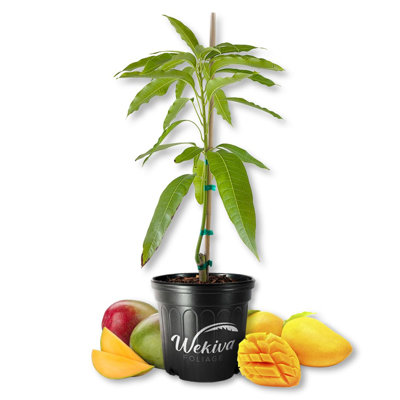
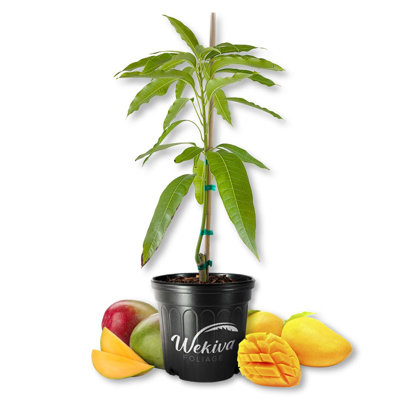
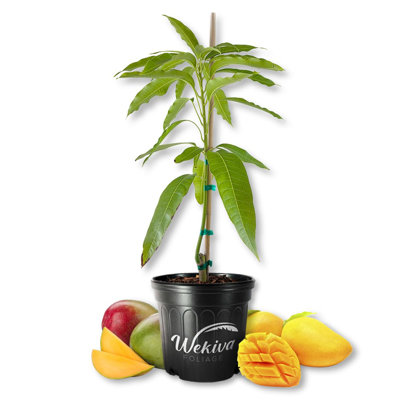
The Mango Tree (Mangifera indica) is a fast-growing tropical fruit tree prized for its lush foliage, fragrant blossoms, and delicious fruit. Known for its glossy, evergreen leaves and broad canopy, this tree adds both visual appeal and practical value to any landscape. When mature, mango trees can reach heights of 30 to 100 feet depending on variety and growing conditions, although container-grown or grafted types remain more compact. Each spring or early summer, the tree produces small, cream-colored flower clusters that eventually yield one of the worlds most sought-after tropical fruits. Mangoes range in flavor from rich and spicy to sweet and citrusy, and typically ripen during the warmest months of the year. This heat-loving tree thrives in subtropical to tropical climates and adapts well to both ground planting and large containers in warmer zones. Ideal for home gardeners seeking a reliable, productive fruit tree, the Mango Tree offers not only flavorful harvests but also ornamental value, with its dense crown, long leaves, and striking seasonal growth. With the right placement and care, it can become a centerpiece of your edible landscape, orchard, or patio garden. A rewarding tree for growers who appreciate beauty and bounty in one.The 'Nam Doc Mai' mango tree is one of the most prized and popular mango varieties to come out of Thailand, widely recognized for its elegant fruit, outstanding flavor, and reliable performance in tropical and subtropical climates. This variety is especially known for its compact, semi-dwarf growth habit, making it a favorite among home growers with limited space or those looking to grow mangoes in containers. The tree produces slender, elongated fruit with a smooth, green to golden-yellow skin and very little visible blush. The flesh is deep yellow, silky smooth, and completely fiberless, providing a luxurious texture that enhances its reputation as a premium dessert mango. One of the standout characteristics of the Nam Doc Mai mango is its intensely sweet, floral flavor profile with subtle notes of citrus and spice, often described as rich and aromatic without being overly tangy. It typically ripens early to mid-season and is also known for being an excellent fruit to enjoy while still slightly underripe, offering a crisp texture and mild tang. Highly productive, visually appealing, and packed with flavor, the Nam Doc Mai mango tree is a must-have for anyone looking to grow a truly exceptional mango.

By Wekiva Foliage LLC
FREE Delivery
The Mango Tree (Mangifera indica) is a fast-growing tropical fruit tree prized for its lush foliage, fragrant blossoms, and delicious fruit. Known for its glossy, evergreen leaves and broad canopy, this tree adds both visual appeal and practical value to any landscape. When mature, mango trees can reach heights of 30 to 100 feet depending on variety and growing conditions, although container-grown or grafted types remain more compact. Each spring or early summer, the tree produces small, cream-colored flower clusters that eventually yield one of the worlds most sought-after tropical fruits. Mangoes range in flavor from rich and spicy to sweet and citrusy, and typically ripen during the warmest months of the year. This heat-loving tree thrives in subtropical to tropical climates and adapts well to both ground planting and large containers in warmer zones. Ideal for home gardeners seeking a reliable, productive fruit tree, the Mango Tree offers not only flavorful harvests but also ornamental value, with its dense crown, long leaves, and striking seasonal growth. With the right placement and care, it can become a centerpiece of your edible landscape, orchard, or patio garden. A rewarding tree for growers who appreciate beauty and bounty in one.The 'Pickering' mango tree is a compact and productive variety that has quickly become a favorite among home growers, especially those with limited space or an interest in container gardening. Originating from Florida, the Pickering mango is known for its naturally dwarf growth habit, making it ideal for small yards, patios, or even large pots. The tree forms a dense, bushy canopy that remains manageable with minimal pruning and begins fruiting at a young age, often producing in its second or third year. The fruit is medium-sized, oval-shaped, and ripens to a vibrant golden-yellow with a pink to orange blush in full sun. Inside, the flesh is a rich deep orange, completely fiberless, and exceptionally juicy. The flavor is tropical and complex, offering a delightful balance of sweetness and acidity with prominent notes of coconut, citrus, and tropical spice. Pickering mangoes typically ripen early to mid-season and are known for their extended shelf life and resistance to internal breakdown. With its manageable size, early production, and gourmet-quality fruit, the Pickering mango tree is an excellent choice for gardeners seeking big flavor in a small footprint.

By Wekiva Foliage LLC
FREE Delivery
The Dieffenbachia Panther is a bold and striking houseplant, admired for its large, dramatic leaves and distinctive variegation. This popular tropical plant, known for its air-purifying qualities, helps to improve indoor air quality by filtering toxins. The Dieffenbachia Panther is ideal for both homes and offices, where its lush, patterned foliage makes a stunning decorative statement. Its broad, vibrant green leaves are marked with unique splashes of white and cream, creating a captivating contrast that adds a touch of elegance to any space. This plant thrives in indirect light and requires minimal maintenance, making it suitable for both beginners and experienced plant enthusiasts. With proper care, the Dieffenbachia Panther will grow tall and bushy, providing a lush, tropical ambiance indoors

By Wekiva Foliage LLC
FREE Delivery
Elevate your space with the enchanting beauty and air-purifying prowess of Sensevieria Superba Snake Plant. Order now and create a healthier, more stylish living environment! Also known as Snake Plant and Mother-In-Law's Tongue, Sensevieria Superba enhances both your living space and the air you breathe. Its captivating appearance and air-purifying qualities make it a fantastic choice. Experience the elegance and benefits of Sansevieria Superba in your home today!

By Wekiva Foliage LLC
FREE Delivery
This beautiful and stately palm is probably Australia's most attractive Livistona. It has moderately costapalmate, glossy, bright green fan leaves in a spherical, moderately dense crown. The leaf segments are lax and deeply divided and give the leaves a slightly weeping appearance. The ringed trunks can reach up to 25 or 30 m (80 to 100 ft.) in height. L. nitida grows in the mountains of southern Queensland to an altitude of about 1000 m (3300 ft.), and, in cultivation, is fast growing, tolerant of drought and quite heavy freezes, and easy to maintain. Zone: 8A-11 Typical Height: 40-50ft

By Wekiva Foliage LLC
FREE Delivery
Handsome, sturdy specimen with exceptionally straight trunk topped by glossy, feathery fronds. Great vertical effect for large gardens. Useful for park and street plantings. Evergreen. With its crinkled fronds, Queen is among the most graceful of the palms. This stately landscape palm grows more frost tolerant as it ages, but won't stand up to a hard or prolonged freeze. A good candidate for oceanfront landscapes and larger homesites inland, provided there are few gusts of hot wind to tatter its fronds. The best and most adaptable candidate for tropical, semitropical and postmodern landscapes. Although it casts little shade, this palm makes a fine street tree. Grow as a single specimen or in clusters of three to five. Follow a regular watering schedule during the first growing season to establish a deep, extensive root system. Watering can be reduced after establishment. Feed with a general purpose fertilizer before new growth begins in spring.

By Wekiva Foliage LLC
FREE Delivery
Warneckii' dracaena (Dracaena deremensis 'Warneckii') is a green dracaena cultivar with white stripes along the edges of its leaves. It is a shorter dracaena that matures to a height of only 4 feet tall. While its low light requirements make it easy to grow indoors, it can also be grown in shady sites outdoors in U.S. Department of Agriculture plant hardiness zones 10b and 11. Other cultural requirements for 'Warneckii' are also fairly easy to meet. When these requirements are not met, or if it is exposed to a common chemical, the leaves tend to develop unsightly brown tips. Overwatering, underwatering and dry conditions can cause dracaena brown spots on 'Warneckii' leaves. It should generally be watered once per week but this varies, depending on the season and humidity levels. In dry homes or dry outdoor conditions in spring, summer and fall, 'Warneckii' dracaena may need to be watered more often. A 'Warneckii' dracaena grown in a container should be watered until the water drains from the bottom. Empty the water from the catch basin below the container. 'Warneckii' does not require high humidity but, if the humidity level is less than 40 percent, the leaf tips may turn brown and brittle.

2 Sizes
By Wekiva Foliage LLC
40" H x 10" W x 10" D
FREE Delivery
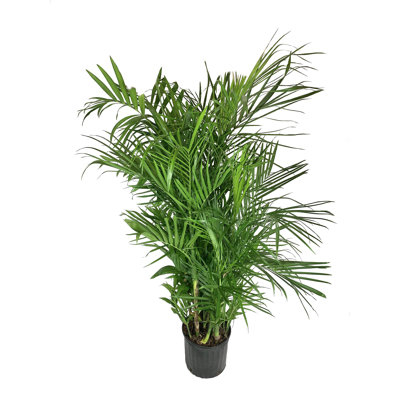
This palm's name is often used for several different palms but all have the distinct look of bamboo. These chamadoreas grow slowly with a clustering, spreading habit. It produces short elegant fronds and attractive, upright stalks which look like thin bamboo canes. This decorative palm is rightfully very popular as both an indoor and outside plant, growing well directly in the soil, in outdoor container pots, and inside homes. This plant loves shade, lots of water, and can tolerate fairly low temperatures, making it an ideal plant for many environments, including homes, offices, malls, and sheltered areas of gardens. The bamboo palm is an especially good choice for a houseplant, not only because it is very attractive and quite undemanding in terms of care, but also because it rates highly on NASAs list of air purifying plants. These plants were found to filter harmful toxins from the air, such as formaldehyde, resulting in cleaner and healthier air to breathe.

By Wekiva Foliage LLC
FREE Delivery
The Philodendron Prince of Orange gets its name from its uniquely hued leaves, which change color over time. New growth starts a starburst yellow when it first emerges, transitioning first to copper tones, and ultimately settling into darker shades of green. Philodendron Prince of Orange (Philodendron Prince of Orange) doesnt have a trailing or climbing habit like other types of philodendrons. It grows into an upright form, which shows off its multicolored foliage, which features brilliant shades of orange, chartreuse and green. If your garden is in U.S. Department of Agriculture plant hardiness zones 10 through 11, youll be able to grow Philodendron Prince of Orange outside year-round. But, for most gardeners, this tropical plant is a snap to grow indoors as a houseplant. With optimal care, a Prince Orange plant can reach a height of 24 inches as a houseplant and up to a height of 36 inches in the landscape. The outstanding feature of this easy-care plant is its foliage. When the new oval-shaped leaves open, they are a bright coppery-orange color, providing a striking contrast with the mature pale-green leaves. Even the petioles (leaf stalks) are colorful, in shades of pinkish-red.

By Wekiva Foliage LLC
FREE Delivery
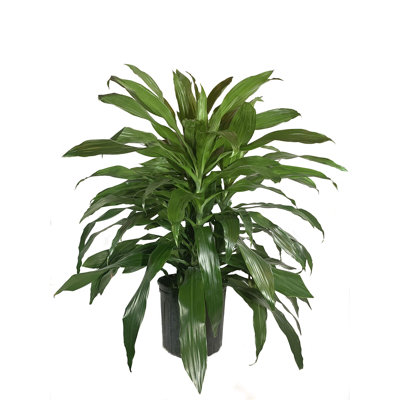
Dracaena Janet Craig is an interior workhorse, popular for decades, used frequently as a floor plant in interior situations or mass planted in beds. Survives in low light levels, grows best in filtered light. Dracaenas thrive on neglect, grow well in low light, and need very little water. These attractive plants have sword- shaped, leathery, dark green, shiny leaves that are about 3 wide and 2ft. in length. NASA lists the dracaena janet craig as an excellent clean air plant that helps eliminate harmful toxins from the environment. It is a strongly upright plant that tends to drop its lower leaves, exposing the stalk as it ages. This plant should be grown in bright indirect sunlight, but is known to tolerate lower light levels. Dracaenas require even moisture, good soil drainage, and cannot tolerate standing water. It is not particular as to soil type or pH.

By Wekiva Foliage LLC
FREE Delivery
The Mango Tree (Mangifera indica) is a fast-growing tropical fruit tree prized for its lush foliage, fragrant blossoms, and delicious fruit. Known for its glossy, evergreen leaves and broad canopy, this tree adds both visual appeal and practical value to any landscape. When mature, mango trees can reach heights of 30 to 100 feet depending on variety and growing conditions, although container-grown or grafted types remain more compact. Each spring or early summer, the tree produces small, cream-colored flower clusters that eventually yield one of the worlds most sought-after tropical fruits. Mangoes range in flavor from rich and spicy to sweet and citrusy, and typically ripen during the warmest months of the year. This heat-loving tree thrives in subtropical to tropical climates and adapts well to both ground planting and large containers in warmer zones. Ideal for home gardeners seeking a reliable, productive fruit tree, the Mango Tree offers not only flavorful harvests but also ornamental value, with its dense crown, long leaves, and striking seasonal growth. With the right placement and care, it can become a centerpiece of your edible landscape, orchard, or patio garden. A rewarding tree for growers who appreciate beauty and bounty in one.

By Wekiva Foliage LLC
FREE Delivery
Diverse Alocasia Varieties: Alocasia offers a wide variety of species and cultivars to choose from. Some popular options include Alocasia macrorhiza, Alocasia longiloba, Alocasia cuprea 'Red Secret,' Alocasia x amazonica, Alocasia x amazonica 'Polly,' Alocasia zebrina, and 'Black Velvet' Alocasia reginula. Each brings its unique charm and aesthetics to your indoor space.

By Wekiva Foliage LLC
FREE Delivery
Dracaena janet craig plants, native to tropical Africa, are one of the most popular plants used in homes and offices. Dracaenas thrive on neglect, grow well in low light, and need very little water. These attractive plants have sword- shaped, leathery, dark green, shiny leaves that are about 3 wide and 2ft. in length. When purchased, dracaena plants should have at least 3-5 stalks in the pot; this ensures that the plant will be full as it matures. A dracaena janet craig can be used as a table plant, a floor plant, or a tall, stately tree. This is a strongly upright plant that tends to drop its lower leaves as it ages. The stately 'Janet Craig' plant has huge, sword-shaped, dark-green leaves, can be used as a table plant or floor plant and looks elegant with virtually any type of home decor. Keep your plant out of direct sunlight, as this can scorch its leaves, leaving brown marks. It prefers medium indirect sunlight, but it can tolerate low light as well. Pale leaves and slow growth indicate that it's not getting enough light.

By Wekiva Foliage LLC
FREE Delivery
The Mango Tree (Mangifera indica) is a fast-growing tropical fruit tree prized for its lush foliage, fragrant blossoms, and delicious fruit. Known for its glossy, evergreen leaves and broad canopy, this tree adds both visual appeal and practical value to any landscape. When mature, mango trees can reach heights of 30 to 100 feet depending on variety and growing conditions, although container-grown or grafted types remain more compact. Each spring or early summer, the tree produces small, cream-colored flower clusters that eventually yield one of the worlds most sought-after tropical fruits. Mangoes range in flavor from rich and spicy to sweet and citrusy, and typically ripen during the warmest months of the year. This heat-loving tree thrives in subtropical to tropical climates and adapts well to both ground planting and large containers in warmer zones. Ideal for home gardeners seeking a reliable, productive fruit tree, the Mango Tree offers not only flavorful harvests but also ornamental value, with its dense crown, long leaves, and striking seasonal growth. With the right placement and care, it can become a centerpiece of your edible landscape, orchard, or patio garden. A rewarding tree for growers who appreciate beauty and bounty in one.

By Thorsen's Greenhouse
Rated 4.5 out of 5 stars.274 total votes
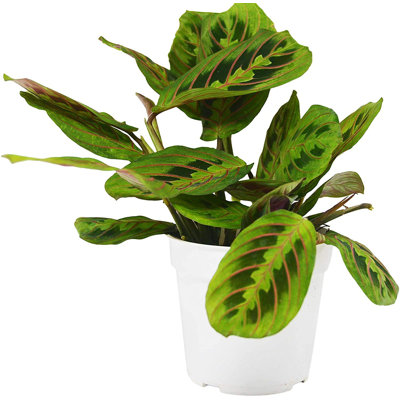
Prayer plants are a fascinating addition to your plant collection! They are named the unique way their leaves follow the sun, even folding up at night like hands in prayer. Red Prayer Plant displays dramatic foliage with shades of red, dark green, and burgundy in eye-catching stripes. Prayer plants thrive with filtered bright to low sunlight, regular watering, and high humidity. Why you’ll love it: All Prayer Plants are ASPCA-approved pet safe! Houseplants make for playful home décor or meaningful gifts. Grow your happiness! Please note the images are a representation of the plants available, not the exact plant you will receive. All plants are unique, we will handpick and carefully package the best of our selection for each order!
This picture is taken right after taking it out of the box and placing it in a cover pot plant looks healthy luscious very well packaged. Leaves well slowly open after it adjusts so it’s new environment.. Anonymous. Wed Mar 18 2026

By Wekiva Foliage LLC
FREE Delivery
Calatheas are beautiful house plants grown for their stunning foliage. The top sides of the leaves look as if they have been painted with beautiful brushstrokes they're often intricately patterned, in many shades of green. The undersides of the leaves are often burgundy red. This striking foliage has earned calatheas several nicknames, including the peacock plant, cathedral window plant, zebra plant and rattlesnake plant. Calatheas are also sometimes called the prayer plant as they are closely related to the maranta plant, also known as the prayer plant. However unlike marantas, they do not close their leaves up at night. Many calathea varieties have recently been moved into the genus Goeppertia, so you may now find them being sold under this name. The light requirements make this plant an attractive choice for lower-light homes, but please note: These plants do poorly in direct sun, which can bleach the leaves. Place your prayer plant in a part of a room that receives low to bright indirect light. As a rule, the darker the foliagesuch as with the calathea ornatathe lower the light requirements. Like all houseplants, calathea enjoy filtered or dechlorinated water and can be a little more demanding than other houseplants. Simply fill your watering can and leave it overnight to dissipate the chlorine. If there are other chemicals in your tap water, try using filtered or distilled water instead. Prayer plants enjoy a humid environment, but many varieties can handle lower levels of humidity. Ideally, they prefer a humidity level of 50 percent or more, with more sensitive varieties requiring higher humidity levelsaround 60 percent.

By Wekiva Foliage LLC
FREE Delivery
The Banana Croton is a dazzling foliage plant prized for its bold, tropical aesthetic and vibrant, variegated leaves. Known for its slender, elongated foliage, the Banana variety showcases a striking blend of yellow, green, orange, and red hues that mimic the sunny vibrancy of a ripe banana. This plants sculptural appearance makes it a standout accent for interiors or patios, offering both color and texture in a compact form. While often grown indoors as a statement piece, the Banana Croton also thrives in warm outdoor climates where it can contribute to a lush landscape design. Its leaves change color with age and light exposure, creating a dynamic and ever-evolving visual appeal. With upright growth and moderate care requirements, it is an ideal choice for plant lovers seeking a dramatic yet manageable foliage plant. Whether positioned in a decorative container or featured in a mixed garden bed, the Banana Croton brings a vivid splash of color to any space, helping to brighten rooms and elevate garden aesthetics with its sunny disposition.

By Wekiva Foliage LLC
FREE Delivery
The Mango Tree (Mangifera indica) is a fast-growing tropical fruit tree prized for its lush foliage, fragrant blossoms, and delicious fruit. Known for its glossy, evergreen leaves and broad canopy, this tree adds both visual appeal and practical value to any landscape. When mature, mango trees can reach heights of 30 to 100 feet depending on variety and growing conditions, although container-grown or grafted types remain more compact. Each spring or early summer, the tree produces small, cream-colored flower clusters that eventually yield one of the worlds most sought-after tropical fruits. Mangoes range in flavor from rich and spicy to sweet and citrusy, and typically ripen during the warmest months of the year. This heat-loving tree thrives in subtropical to tropical climates and adapts well to both ground planting and large containers in warmer zones. Ideal for home gardeners seeking a reliable, productive fruit tree, the Mango Tree offers not only flavorful harvests but also ornamental value, with its dense crown, long leaves, and striking seasonal growth. With the right placement and care, it can become a centerpiece of your edible landscape, orchard, or patio garden. A rewarding tree for growers who appreciate beauty and bounty in one.The 'Malika' mango tree is an exceptional Indian variety that has gained popularity in tropical and subtropical regions for its unique flavor, reliable performance, and suitability for both in-ground and container growing. This semi-dwarf tree is moderately vigorous, making it ideal for home gardeners who want manageable size without sacrificing fruit production. Malika is known for producing oblong to slightly flattened fruits that are medium to large in size and ripen to a golden-yellow color, often with a slight blush depending on sun exposure. The flesh is bright orange, firm, and completely fiberless, offering a smooth and satisfying texture. One of the most appealing aspects of the Malika mango is its complex flavor profilerich and sweet with prominent notes of citrus, melon, and tropical spice, often compared to classic Indian dessert mangoes. It is also unique in that it can be picked mature green and ripened off the tree, allowing for flexibility in harvest and transport. Malika typically fruits mid-season and performs best in warm, sunny environments. With its distinctive flavor, appealing texture, and adaptable growth habit, the Malika mango tree is a top choice for mango lovers looking for something both exotic and practical.

By Wekiva Foliage LLC
FREE Delivery
The Dieffenbachia Cougar, also known as Dumb Cane or Leopard Lily, is a striking indoor plant with bold, patterned foliage. Its large, variegated leaves feature a vibrant mix of green, white, and yellow, making it a perfect statement piece for any home or office. The plant is highly adaptable and easy to care for, making it an excellent choice for both beginner and experienced plant enthusiasts. Dieffenbachia Cougar is known for its air-purifying qualities, helping to remove toxins and improve indoor air quality. This plant thrives in indirect light and prefers moderate watering, allowing it to grow and flourish with minimal attention. With its tall, upright growth habit, the Dieffenbachia Cougar adds a touch of tropical elegance to any interior space. Over time, its lush, dense foliage creates a full and vibrant appearance, making it a popular choice for those looking to enhance their living spaces with greenery.

By Wekiva Foliage LLC
FREE Delivery
A tropical plant native to Brazil, red prayer plant is a popular and attractive houseplant. Its scientific name is Marantha and the variety is Erythroneura, which means red veins in Latin. The red veins are in a herringbone pattern, giving rise to another of the plants names, herringbone plant. The Maranta plant is a prostrate evergreen species that rises from rhizomes. It grows 12-15 inches (30-38 cm.) tall. The beautiful foliage is broadly oval and features 5-inch (13 cm.) long olive-green leaves with prominent red midribs and veining in a herringbone design. The center of the leaf is a lighter green and the undersides are even lighter still. Prayer plants water preferences hearken back to their native conditions in Brazil, Asia, and Africa. They like to be kept evenly moist and just barely damp to the touch. Do not let soil get too dry between waterings. Prayer plants need high humidity in order to thrive. Household humidity is likely too low for them. To give your prayer plant the microclimate it likes, group it with other plants or place it on a dish filled with pebbles and water. While prayer plants can tolerate low light conditions, they do best in bright, indirect light. They dont like direct sunlight.

By Wekiva Foliage LLC
FREE Delivery
The Mango Tree (Mangifera indica) is a fast-growing tropical fruit tree prized for its lush foliage, fragrant blossoms, and delicious fruit. Known for its glossy, evergreen leaves and broad canopy, this tree adds both visual appeal and practical value to any landscape. When mature, mango trees can reach heights of 30 to 100 feet depending on variety and growing conditions, although container-grown or grafted types remain more compact. Each spring or early summer, the tree produces small, cream-colored flower clusters that eventually yield one of the worlds most sought-after tropical fruits. Mangoes range in flavor from rich and spicy to sweet and citrusy, and typically ripen during the warmest months of the year. This heat-loving tree thrives in subtropical to tropical climates and adapts well to both ground planting and large containers in warmer zones. Ideal for home gardeners seeking a reliable, productive fruit tree, the Mango Tree offers not only flavorful harvests but also ornamental value, with its dense crown, long leaves, and striking seasonal growth. With the right placement and care, it can become a centerpiece of your edible landscape, orchard, or patio garden. A rewarding tree for growers who appreciate beauty and bounty in one.

By Wekiva Foliage LLC
FREE Delivery
Calatheas are beautiful house plants grown for their stunning foliage. The top sides of the leaves look as if they have been painted with beautiful brushstrokes they're often intricately patterned, in many shades of green. The undersides of the leaves are often burgundy red. This striking foliage has earned calatheas several nicknames, including the peacock plant, cathedral window plant, zebra plant and rattlesnake plant. Calatheas are also sometimes called the prayer plant as they are closely related to the maranta plant, also known as the prayer plant. However unlike marantas, they do not close their leaves up at night. Many calathea varieties have recently been moved into the genus Goeppertia, so you may now find them being sold under this name. The light requirements make this plant an attractive choice for lower-light homes, but please note: These plants do poorly in direct sun, which can bleach the leaves. Place your prayer plant in a part of a room that receives low to bright indirect light. As a rule, the darker the foliagesuch as with the calathea ornatathe lower the light requirements. Like all houseplants, calathea enjoy filtered or dechlorinated water and can be a little more demanding than other houseplants. Simply fill your watering can and leave it overnight to dissipate the chlorine. If there are other chemicals in your tap water, try using filtered or distilled water instead. Prayer plants enjoy a humid environment, but many varieties can handle lower levels of humidity. Ideally, they prefer a humidity level of 50 percent or more, with more sensitive varieties requiring higher humidity levelsaround 60 percent.

By Wekiva Foliage LLC
FREE Delivery
Calatheas are beautiful house plants grown for their stunning foliage. The top sides of the leaves look as if they have been painted with beautiful brushstrokes they're often intricately patterned, in many shades of green. The undersides of the leaves are often burgundy red. This striking foliage has earned calatheas several nicknames, including the peacock plant, cathedral window plant, zebra plant and rattlesnake plant. Calatheas are also sometimes called the prayer plant as they are closely related to the maranta plant, also known as the prayer plant. However unlike marantas, they do not close their leaves up at night. Many calathea varieties have recently been moved into the genus Goeppertia, so you may now find them being sold under this name. The light requirements make this plant an attractive choice for lower-light homes, but please note: These plants do poorly in direct sun, which can bleach the leaves. Place your prayer plant in a part of a room that receives low to bright indirect light. As a rule, the darker the foliagesuch as with the calathea ornatathe lower the light requirements. Like all houseplants, calathea enjoy filtered or dechlorinated water and can be a little more demanding than other houseplants. Simply fill your watering can and leave it overnight to dissipate the chlorine. If there are other chemicals in your tap water, try using filtered or distilled water instead. Prayer plants enjoy a humid environment, but many varieties can handle lower levels of humidity. Ideally, they prefer a humidity level of 50 percent or more, with more sensitive varieties requiring higher humidity levelsaround 60 percent.

By Wekiva Foliage LLC
FREE Delivery
The Mango Tree (Mangifera indica) is a fast-growing tropical fruit tree prized for its lush foliage, fragrant blossoms, and delicious fruit. Known for its glossy, evergreen leaves and broad canopy, this tree adds both visual appeal and practical value to any landscape. When mature, mango trees can reach heights of 30 to 100 feet depending on variety and growing conditions, although container-grown or grafted types remain more compact. Each spring or early summer, the tree produces small, cream-colored flower clusters that eventually yield one of the worlds most sought-after tropical fruits. Mangoes range in flavor from rich and spicy to sweet and citrusy, and typically ripen during the warmest months of the year. This heat-loving tree thrives in subtropical to tropical climates and adapts well to both ground planting and large containers in warmer zones. Ideal for home gardeners seeking a reliable, productive fruit tree, the Mango Tree offers not only flavorful harvests but also ornamental value, with its dense crown, long leaves, and striking seasonal growth. With the right placement and care, it can become a centerpiece of your edible landscape, orchard, or patio garden. A rewarding tree for growers who appreciate beauty and bounty in one.

By Wekiva Foliage LLC
FREE Delivery
The Parfyanka Pomegranate Tree is a highly prized fruiting variety known for its exceptional flavor, vibrant fruit, and ornamental beauty. Originating from Central Asia and adapted for warmer climates, this deciduous shrub or small tree produces medium to large fruits with a deep red skin and soft seeds that are unusually sweet with a hint of tartness. The Parfyanka is especially notable for its low acidity, making it one of the most palatable pomegranates for fresh eating. In spring and early summer, the tree is adorned with bright orange-red tubular flowers that attract pollinators and hint at the abundant fruit to follow in late summer or fall. Its attractive, glossy green foliage adds visual appeal throughout the growing season, and its moderate growth habit makes it suitable for both garden planting and large containers. With proper care and a sunny location, the Parfyanka Pomegranate Tree can become a long-lived and productive centerpiece in any edible landscape. It is self-fertile, drought-tolerant once established, and thrives in warm climates with long summers.

By Wekiva Foliage LLC
FREE Delivery
The Mango Tree (Mangifera indica) is a fast-growing tropical fruit tree prized for its lush foliage, fragrant blossoms, and delicious fruit. Known for its glossy, evergreen leaves and broad canopy, this tree adds both visual appeal and practical value to any landscape. When mature, mango trees can reach heights of 30 to 100 feet depending on variety and growing conditions, although container-grown or grafted types remain more compact. Each spring or early summer, the tree produces small, cream-colored flower clusters that eventually yield one of the worlds most sought-after tropical fruits. Mangoes range in flavor from rich and spicy to sweet and citrusy, and typically ripen during the warmest months of the year. This heat-loving tree thrives in subtropical to tropical climates and adapts well to both ground planting and large containers in warmer zones. Ideal for home gardeners seeking a reliable, productive fruit tree, the Mango Tree offers not only flavorful harvests but also ornamental value, with its dense crown, long leaves, and striking seasonal growth. With the right placement and care, it can become a centerpiece of your edible landscape, orchard, or patio garden. A rewarding tree for growers who appreciate beauty and bounty in one.

By Wekiva Foliage LLC
FREE Delivery
The Mango Tree (Mangifera indica) is a fast-growing tropical fruit tree prized for its lush foliage, fragrant blossoms, and delicious fruit. Known for its glossy, evergreen leaves and broad canopy, this tree adds both visual appeal and practical value to any landscape. When mature, mango trees can reach heights of 30 to 100 feet depending on variety and growing conditions, although container-grown or grafted types remain more compact. Each spring or early summer, the tree produces small, cream-colored flower clusters that eventually yield one of the worlds most sought-after tropical fruits. Mangoes range in flavor from rich and spicy to sweet and citrusy, and typically ripen during the warmest months of the year. This heat-loving tree thrives in subtropical to tropical climates and adapts well to both ground planting and large containers in warmer zones. Ideal for home gardeners seeking a reliable, productive fruit tree, the Mango Tree offers not only flavorful harvests but also ornamental value, with its dense crown, long leaves, and striking seasonal growth. With the right placement and care, it can become a centerpiece of your edible landscape, orchard, or patio garden. A rewarding tree for growers who appreciate beauty and bounty in one. The Orange Sherbet mango tree is a premium variety that has quickly gained popularity among mango enthusiasts for its extraordinary flavor, vibrant color, and manageable growth habit. Developed in Florida, this cultivar is closely related to the Lemon Zest mango and shares a similarly explosive taste experience but with its own unique tropical twist. The tree is moderately vigorous and responds well to pruning, making it ideal for home growers with limited space or those looking to maintain a smaller, more manageable canopy. It produces medium-sized fruit with smooth, golden-orange skin that may develop a slight blush as it ripens. The flesh inside is deep orange, fiberless, and incredibly juicy, offering a creamy texture that enhances its dessert-like appeal. True to its name, the flavor is reminiscent of orange sherbetsweet, tangy, and citrus-forward with undertones of tropical candy and floral notes. It delivers a vibrant and refreshing flavor profile that stands out even among top-tier mangoes. Ripening mid-season, the Orange Sherbet mango tree is also valued for its excellent disease resistance and strong production. For those seeking a truly exceptional mango variety with an unforgettable taste, the Orange Sherbet is a standout choice.

By Wekiva Foliage LLC
FREE Delivery
The Syngonium Black Velvet, scientifically known as Syngonium wendlandii, is an exquisite houseplant cherished for its unique foliage and easy care. The plant boasts velvety, dark green leaves with a rich blackish-purple undertone and striking white veins. Initially, the leaves have an arrowhead shape, which evolves into a more intricate design as the plant matures. This eye-catching plant not only adds a touch of elegance to any indoor space but also creates a visually stimulating environment with its dramatic color contrast. For a vibrant and sophisticated addition to your home, the Syngonium Black Velvet is an excellent choice. Its striking leaves and easy care make it a must-have for both novice and experienced plant enthusiasts.

By Wekiva Foliage LLC
FREE Delivery
Calatheas are beautiful house plants grown for their stunning foliage. The top sides of the leaves look as if they have been painted with beautiful brushstrokes they're often intricately patterned, in many shades of green. The undersides of the leaves are often burgundy red. This striking foliage has earned calatheas several nicknames, including the peacock plant, cathedral window plant, zebra plant and rattlesnake plant. Calatheas are also sometimes called the prayer plant as they are closely related to the maranta plant, also known as the prayer plant. However unlike marantas, they do not close their leaves up at night. Many calathea varieties have recently been moved into the genus Goeppertia, so you may now find them being sold under this name. The light requirements make this plant an attractive choice for lower-light homes, but please note: These plants do poorly in direct sun, which can bleach the leaves. Place your prayer plant in a part of a room that receives low to bright indirect light. As a rule, the darker the foliagesuch as with the calathea ornatathe lower the light requirements. Like all houseplants, calathea enjoy filtered or dechlorinated water and can be a little more demanding than other houseplants. Simply fill your watering can and leave it overnight to dissipate the chlorine. If there are other chemicals in your tap water, try using filtered or distilled water instead. Prayer plants enjoy a humid environment, but many varieties can handle lower levels of humidity. Ideally, they prefer a humidity level of 50 percent or more, with more sensitive varieties requiring higher humidity levelsaround 60 percent.

By Wekiva Foliage LLC
FREE Delivery
The Mango Tree (Mangifera indica) is a fast-growing tropical fruit tree prized for its lush foliage, fragrant blossoms, and delicious fruit. Known for its glossy, evergreen leaves and broad canopy, this tree adds both visual appeal and practical value to any landscape. When mature, mango trees can reach heights of 30 to 100 feet depending on variety and growing conditions, although container-grown or grafted types remain more compact. Each spring or early summer, the tree produces small, cream-colored flower clusters that eventually yield one of the worlds most sought-after tropical fruits. Mangoes range in flavor from rich and spicy to sweet and citrusy, and typically ripen during the warmest months of the year. This heat-loving tree thrives in subtropical to tropical climates and adapts well to both ground planting and large containers in warmer zones. Ideal for home gardeners seeking a reliable, productive fruit tree, the Mango Tree offers not only flavorful harvests but also ornamental value, with its dense crown, long leaves, and striking seasonal growth. With the right placement and care, it can become a centerpiece of your edible landscape, orchard, or patio garden. A rewarding tree for growers who appreciate beauty and bounty in one.The 'Keo Savoy' mango tree is a beloved Cambodian variety renowned for its crisp texture, mild sweetness, and versatility for both fresh eating and culinary use. Unlike many traditional mango varieties, Keo Savoy mangoes are often enjoyed while still firm and green, offering a refreshing and crunchy bite with a clean, mildly sweet flavor that makes them popular in Southeast Asian cuisine. The tree itself is moderately vigorous with an upright, open canopy, making it easy to manage in both large garden spaces and smaller tropical yards. Its fruits are medium to large in size, oval-shaped, and ripen to a pale green or light yellow color depending on when they are harvested. When eaten ripe, the flesh becomes softer and juicier, delivering a slightly sweeter profile, but many prefer to enjoy it while still crisp for its unique texture and balance of sweet and tangy notes. This dual-purpose nature makes the Keo Savoy mango especially unique among mango trees. It ripens mid to late season and is known for its long shelf life, even when harvested green. For growers looking for a refreshing, crunchy, and mildly sweet mango with cultural and culinary versatility, the Keo Savoy is an outstanding choice.

By Wekiva Foliage LLC
FREE Delivery
Low Maintenance Wonder: Perfect for both seasoned plant enthusiasts and beginners, the Joey Magnifica boasts low maintenance requirements, thriving in moderate indoor conditions. Enjoy the beauty of lush, glossy foliage without the hassle.

By Wekiva Foliage LLC
FREE Delivery
Calatheas are beautiful house plants grown for their stunning foliage. The top sides of the leaves look as if they have been painted with beautiful brushstrokes they're often intricately patterned, in many shades of green. The undersides of the leaves are often burgundy red. This striking foliage has earned calatheas several nicknames, including the peacock plant, cathedral window plant, zebra plant and rattlesnake plant. Calatheas are also sometimes called the prayer plant as they are closely related to the maranta plant, also known as the prayer plant. However unlike marantas, they do not close their leaves up at night. Many calathea varieties have recently been moved into the genus Goeppertia, so you may now find them being sold under this name. The light requirements make this plant an attractive choice for lower-light homes, but please note: These plants do poorly in direct sun, which can bleach the leaves. Place your prayer plant in a part of a room that receives low to bright indirect light. As a rule, the darker the foliagesuch as with the calathea ornatathe lower the light requirements. Like all houseplants, calathea enjoy filtered or dechlorinated water and can be a little more demanding than other houseplants. Simply fill your watering can and leave it overnight to dissipate the chlorine. If there are other chemicals in your tap water, try using filtered or distilled water instead. Prayer plants enjoy a humid environment, but many varieties can handle lower levels of humidity. Ideally, they prefer a humidity level of 50 percent or more, with more sensitive varieties requiring higher humidity levelsaround 60 percent.

By Wekiva Foliage LLC
FREE Delivery
The Mango Tree (Mangifera indica) is a fast-growing tropical fruit tree prized for its lush foliage, fragrant blossoms, and delicious fruit. Known for its glossy, evergreen leaves and broad canopy, this tree adds both visual appeal and practical value to any landscape. When mature, mango trees can reach heights of 30 to 100 feet depending on variety and growing conditions, although container-grown or grafted types remain more compact. Each spring or early summer, the tree produces small, cream-colored flower clusters that eventually yield one of the worlds most sought-after tropical fruits. Mangoes range in flavor from rich and spicy to sweet and citrusy, and typically ripen during the warmest months of the year. This heat-loving tree thrives in subtropical to tropical climates and adapts well to both ground planting and large containers in warmer zones. Ideal for home gardeners seeking a reliable, productive fruit tree, the Mango Tree offers not only flavorful harvests but also ornamental value, with its dense crown, long leaves, and striking seasonal growth. With the right placement and care, it can become a centerpiece of your edible landscape, orchard, or patio garden. A rewarding tree for growers who appreciate beauty and bounty in one.

By Wekiva Foliage LLC
FREE Delivery
Native to South Africa, this perennial succulent shrub, with its rich cultural significance and versatile growth, brings a touch of exotic beauty and practicality to your living spaces. Embrace the Mini Jade, and let it thrive with minimal effort, making a statement in your garden or indoor sanctuary.

By Wekiva Foliage LLC
FREE Delivery
The Mango Tree (Mangifera indica) is a fast-growing tropical fruit tree prized for its lush foliage, fragrant blossoms, and delicious fruit. Known for its glossy, evergreen leaves and broad canopy, this tree adds both visual appeal and practical value to any landscape. When mature, mango trees can reach heights of 30 to 100 feet depending on variety and growing conditions, although container-grown or grafted types remain more compact. Each spring or early summer, the tree produces small, cream-colored flower clusters that eventually yield one of the worlds most sought-after tropical fruits. Mangoes range in flavor from rich and spicy to sweet and citrusy, and typically ripen during the warmest months of the year. This heat-loving tree thrives in subtropical to tropical climates and adapts well to both ground planting and large containers in warmer zones. Ideal for home gardeners seeking a reliable, productive fruit tree, the Mango Tree offers not only flavorful harvests but also ornamental value, with its dense crown, long leaves, and striking seasonal growth. With the right placement and care, it can become a centerpiece of your edible landscape, orchard, or patio garden. A rewarding tree for growers who appreciate beauty and bounty in one. The Pram Kai Mea mango tree is a rare and exotic Thai variety revered for its unique shape, early ripening season, and incredibly rich flavor. Its name translates loosely to Mothers Chicken Egg, a nod to the fruits distinctive, egg-like appearancesmall to medium in size, oval, and smooth-skinned. This mango is highly sought after by collectors and enthusiasts for its bold flavor, manageable tree size, and cultural significance in Southeast Asia. The tree itself is moderately vigorous with a compact, upright growth habit that makes it well-suited for small yards or container cultivation in tropical and subtropical climates. Pram Kai Mea mangoes are typically harvested early in the season and are known for ripening uniformly and holding well on the tree. The flesh is bright yellow, completely fiberless, and extremely juicy, with a flavor profile that is deeply sweet, slightly spicy, and layered with tropical fruit and floral notes. Its intense aroma and candy-like taste make it a standout among early-season varieties. Due to its compact size, excellent fruit quality, and early harvest window, the Pram Kai Mea mango tree is an exceptional option for gardeners looking to enjoy exotic fruit before the peak mango season begins.

By Wekiva Foliage LLC
FREE Delivery
The Mango Tree (Mangifera indica) is a fast-growing tropical fruit tree prized for its lush foliage, fragrant blossoms, and delicious fruit. Known for its glossy, evergreen leaves and broad canopy, this tree adds both visual appeal and practical value to any landscape. When mature, mango trees can reach heights of 30 to 100 feet depending on variety and growing conditions, although container-grown or grafted types remain more compact. Each spring or early summer, the tree produces small, cream-colored flower clusters that eventually yield one of the worlds most sought-after tropical fruits. Mangoes range in flavor from rich and spicy to sweet and citrusy, and typically ripen during the warmest months of the year. This heat-loving tree thrives in subtropical to tropical climates and adapts well to both ground planting and large containers in warmer zones. Ideal for home gardeners seeking a reliable, productive fruit tree, the Mango Tree offers not only flavorful harvests but also ornamental value, with its dense crown, long leaves, and striking seasonal growth. With the right placement and care, it can become a centerpiece of your edible landscape, orchard, or patio garden. A rewarding tree for growers who appreciate beauty and bounty in one. The Glenn mango tree is a beloved Florida variety known for its excellent fruit quality, compact growth habit, and consistent productionmaking it a top choice for home growers and small landscapes. This semi-dwarf tree typically reaches a manageable height of 10 to 20 feet, making it ideal for backyard planting or container cultivation. It is highly ornamental, with dense green foliage and a symmetrical canopy that adds tropical charm to any space. The Glenn mango produces medium-sized, oval fruits that ripen to a golden yellow with a soft pink to red blush when exposed to full sun. Inside, the flesh is a rich, deep orange color that is completely fiberless, offering a smooth and buttery texture. The flavor of Glenn mangoes is mild, sweet, and fruity with a subtle hint of citrus and peach, often described as clean and refreshing. Unlike many other mangoes, the Glenn is known for having a less resinous taste, making it especially appealing to those who prefer a gentler, more universally pleasing flavor. It ripens early in the season, typically from late spring to early summer, providing one of the first mango harvests of the year. Easy to grow, productive, and delicious, the Glenn mango tree is a dependable and rewarding addition to any tropical fruit collection.

By Wekiva Foliage LLC
FREE Delivery
Dracaena Janet Craig is an interior workhorse, popular for decades, used frequently as a floor plant in interior situations or mass planted in beds. Survives in low light levels, grows best in filtered light. Dracaenas thrive on neglect, grow well in low light, and need very little water. These attractive plants have sword- shaped, leathery, dark green, shiny leaves that are about 3 wide and 2ft. in length. NASA lists the dracaena janet craig as an excellent clean air plant that helps eliminate harmful toxins from the environment. It is a strongly upright plant that tends to drop its lower leaves, exposing the stalk as it ages. This plant should be grown in bright indirect sunlight, but is known to tolerate lower light levels. Dracaenas require even moisture, good soil drainage, and cannot tolerate standing water. It is not particular as to soil type or pH.

By Wekiva Foliage LLC
FREE Delivery
The Wood Leaved Spurge, Euphorbia Xylophylloides, is a distinctive and attractive succulent plant that can add a touch of elegance to any indoor or outdoor space. Known for its striking appearance and easy maintenance, this plant is perfect for both novice and experienced gardeners. With its unique structure and vibrant foliage, this plant adds a touch of natural beauty and modern elegance to any decor. It's an excellent choice for enhancing the aesthetic appeal of your living or working environment.