to:Â
35,990 Items

By American Plant Exchange
Rated 4.2 out of 5 stars.13 total votes
Get it by Mon, Jul 13
|
Red Milkweed (Asclepias tuberosa), commonly known as Butterfly Weed, is a captivating perennial that brings both beauty and ecological benefits to any garden. With its stunning clusters of bright orange to reddish flowers, this variety serves as a vital nectar source for butterflies, bees, and other pollinators, making it an essential addition to wildlife-friendly landscapes. The slender, lance-shaped green leaves provide an attractive backdrop for the vibrant blooms, enhancing the visual appeal of garden beds, borders, and naturalized areas. Thriving in full sun, Red Milkweed is well-suited for various outdoor settings and is particularly effective in dry, sunny locations. This hardy plant typically grows to a height of 1 to 3 feet and is ideal for mass plantings, butterfly gardens, and wildflower meadows. With a long blooming season that usually lasts from late spring to early fall, Red Milkweed ensures your garden remains colorful and alive, drawing in a diverse array of pollinators. Well-adapted to USDA Hardiness Zones 3-9, Red Milkweed is tolerant of drought and poor soil conditions, making it an excellent choice for low-maintenance gardens. It thrives in well-drained soils and can adapt to a range of soil types, allowing for easy integration into various landscapes. For optimal growth, plant Red Milkweed in nutrient-rich, well-drained soil and provide regular watering during dry spells. With minimal care, including occasional pruning to maintain its shape and encourage blooming, this striking perennial will thrive, providing a vibrant display of color while supporting local wildlife and promoting biodiversity in your outdoor space.
My plant was delivered with care by Fedex. When I took the plant out of the box it looked great. It looked just like the picture all nice and green ready to plant. I was pleased with my order. Thank-you Wayfair .. Opal. MO. Sun Jun 07 2026

By Wekiva Foliage LLC
FREE Delivery
|
Immerse your taste buds in a symphony of exotic flavors with our handpicked selection: Passion Fruit: Unleash a burst of tropical sunshine with each succulent bite. The sweet-tart explosion will transport you to a paradise of flavor. Fig Tree: Experience the Mediterranean charm as you savor the velvety, honey-like essence of our perfectly ripened figs. Each bite is a journey to a sun-drenched orchard. Dragon Fruit: Enter the mystical realm of vibrant pink dragon fruit. Its subtly sweet taste and captivating texture create a mesmerizing fusion of refreshment and indulgence. Pineapple: Juicy, golden perfection awaits! Our pineapples are a tropical delight, offering a harmonious balance of sweetness and acidity that dances on your palate. Elevate your snacking experience, boost your smoothies, or create exotic culinary masterpieces. Packed with vitamins and antioxidants, this variety pack is a guilt-free escape to paradise. Order now and let the tropical adventure begin!

By American Plant Exchange
Rated 4.9 out of 5 stars.21 total votes
Get it by Mon, Jul 13
|
Bring a touch of the Mediterranean to your home with the elegant Arbequina Olive Tree (Olea europaea 'Arbequina'). Known for its small, silvery-green leaves and compact size, this beautiful tree is not only an ornamental delight but also a functional one, producing small, delicious olives. Whether placed indoors in a bright room or outdoors in a sunny garden, the Arbequina Olive Tree adds both beauty and a sense of timeless charm to any space. Its classic look and potential for producing fresh olives make it perfect for culinary enthusiasts and plant lovers alike. Caring for the Arbequina Olive Tree is relatively simple, making it a great choice for gardeners of all skill levels. It thrives in bright, direct sunlight—preferably 6+ hours a day—and can be grown indoors near a sunny window or outdoors in a sunny spot. The tree prefers well-drained soil and needs watering when the top few inches are dry, but is drought-tolerant once established. Ideal for USDA Hardiness Zones 8-11, the Arbequina Olive Tree can also be grown in cooler climates by bringing it indoors when temperatures drop below 20°F (-6°C). Not only is the Arbequina Olive Tree known for its ornamental beauty, but it can also bear small, flavorful olives that are perfect for home cooking, oil-making, or simply as a savory treat. With its compact size and graceful, easy-to-care-for nature, this olive tree is perfect for patios, balconies, or indoor spaces. Whether you’re looking to create a Mediterranean-inspired oasis, produce your own olives, or gift a loved one, the Arbequina Olive Tree is a unique and versatile addition to any garden or home.
My olive indoor plant is just beautiful!! I love it and it arrived perfectly!! Bought a pot for it before it arrived. Love Wayfair Thank YOU!!. Rose. St. Augustine, FL. Fri Apr 24 2026

By Wekiva Foliage LLC
FREE Delivery
|
The 'Prolific' Kiwi Fruit Tree (Actinidia deliciosa) is a vigorous, fast-growing deciduous vine prized for its attractive foliage and abundant yields of delicious, fuzzy brown fruit. This variety is aptly named for its ability to produce large crops of flavorful kiwis when grown under proper conditions and with a compatible pollinator nearby. The fruits have a sweet-tart flavor and vibrant green flesh, making them a refreshing treat straight from the vine. The plant features lush, broad, heart-shaped leaves that provide ornamental value throughout the growing season. 'Prolific' kiwi vines can be trained on arbors, trellises, or fences, offering both beauty and bounty to the garden. This variety is best suited for temperate climates with warm summers and mild winters and can thrive in USDA Zones 79. With the right structural support and consistent care, the 'Prolific' kiwi vine becomes a standout addition to edible landscapes or backyard orchards. It's not only productive but also attractive, turning any sunny space into a vibrant, fruitful oasis. Ideal for gardeners seeking both ornamental charm and homegrown fruit, this variety rewards patience with bountiful harvests in just a few years after planting.

By American Plant Exchange
Rated 4.7 out of 5 stars.24 total votes
Get it by Mon, Jul 13
|
Lavender Lantana (Lantana camara 'Lavender') is a stunning perennial plant that brings a touch of elegance and vibrant color to any outdoor space. Known for its delightful clusters of soft lavender to pale purple flowers, this variety creates a striking display that not only adds beauty but also attracts butterflies and other beneficial pollinators. The lush green foliage serves as a perfect backdrop, enhancing the visual appeal of garden beds, borders, and patio containers. Thriving in full sun, Lavender Lantana is ideal for various outdoor settings, making it a versatile choice for different landscaping designs. This hardy plant can reach heights of 2 to 3 feet and works beautifully in mass plantings, as a colorful ground cover, or as an eye-catching accent in mixed borders. With a long blooming season that typically lasts from spring through fall, Lavender Lantana ensures your garden remains vibrant and full of life throughout the growing season. Well-adapted to USDA Hardiness Zones 8-11, Lavender Lantana is highly resilient to heat and drought, making it an excellent option for low-maintenance, water-wise gardens. It adapts well to a variety of soil types, provided they are well-draining, which allows for easy integration into diverse garden environments. For optimal growth, plant Lavender Lantana in nutrient-rich, well-drained soil and ensure regular watering during dry spells. With minimal care, including occasional deadheading to encourage more blooms, this charming lantana variety will thrive, providing continuous color and fragrance that enhances your garden and outdoor living spaces.
LIVE Lantana (lavender) in 6 inch pot. I received a beautiful, healthy, thriving lantana. Gave it a good drink and planted as soon as I received.. Paulette. Fort Lauderdale, FL. Fri May 15 2026
By Wekiva Foliage LLC
FREE Delivery
|
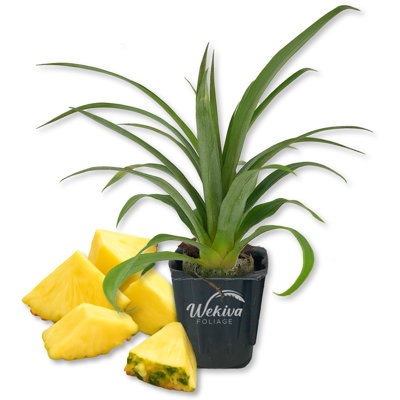
The Pineapple Plant (Ananas comosus) is a striking tropical specimen admired for its bold, architectural appearance and unique ornamental value. With its rosette of long, sword-shaped leaves edged in subtle serrations, this plant makes an exotic statement in any home or garden. Its lush green foliage forms a symmetrical crown, creating an eye-catching display that draws attention year-round. Over time, the plant produces a sturdy central stem topped with a miniature pineapple fruit, adding both charm and conversation value. Even when not fruiting, its sculptural foliage offers a dramatic and modern tropical feel to interiors, patios, or sunrooms. Native to warm, sunny climates, the Pineapple Plant is surprisingly easy to grow with the right care. It thrives in bright, indirect light and appreciates warm temperatures that mimic its tropical origins. While the fruit is a delightful bonus, the plant is equally appreciated for its ornamental qualities, making it a perfect centerpiece or accent for decorative containers. Whether displayed indoors as a vibrant focal point or outdoors in warm weather, the Pineapple Plant combines bold beauty with a touch of the tropics, creating a lasting impression wherever it is placed.
By American Plant Exchange
Rated 3.9 out of 5 stars.9 total votes
Get it by Mon, Jul 13
|
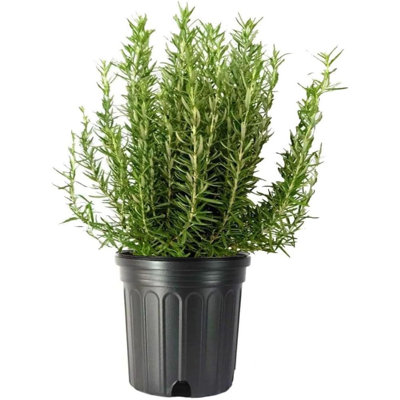
Elevate your indoor or outdoor garden with Rosemary (Salvia rosmarinus), a delightful herb renowned for its aromatic leaves and versatile uses. This evergreen plant is not only a culinary favorite, adding depth and flavor to dishes, but it also serves as a stunning decorative element in any kitchen or garden space. With its needle-like, fragrant foliage and delicate blue flowers, Rosemary enhances your home with both beauty and functionality. Caring for Rosemary is straightforward, making it an excellent choice for both novice gardeners and seasoned plant enthusiasts. This sun-loving herb thrives in bright, direct sunlight, requiring at least 6-8 hours of light per day to flourish. It prefers well-draining soil and needs to be watered only when the top inch of soil is dry, as it is drought-tolerant. Ideal temperatures for Rosemary range from 60°F to 75°F (15°C to 24°C), so be sure to protect it from frost in colder climates. For those in cooler areas, consider potting it to bring indoors during the winter months. Beyond its culinary uses, Rosemary is celebrated for its aromatic qualities and potential health benefits. Known to improve memory and concentration, it can also enhance mood and relieve stress when used in essential oils or herbal teas. Whether you’re looking to spice up your meals, create a fragrant indoor garden, or gift a friend a unique and practical plant, Rosemary is a versatile and charming choice that brings flavor, fragrance, and wellness to any space.
This plant traveled for close to a week and I am pleasantly impressed with the condition upon arrival. Must have been turned upside down in transit but no damage, just dirt throughout the box. Nonetheless, excellent plant at an impressive price.. Diane. Billings, MT. Wed Nov 05 2025

By Wekiva Foliage LLC
FREE Delivery
|
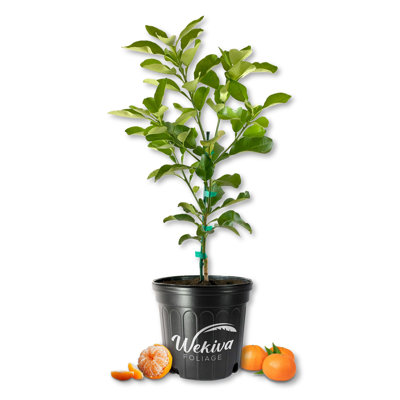
The Nules Clementine Tree (Citrus x Clementina) is a premium variety of mandarin orange, prized for its exceptionally sweet, seedless fruit and compact growth habit that makes it ideal for home gardens and container cultivation. A standout among citrus trees, this cultivar originates from Spain and is known for producing abundant, high-quality fruit with a smooth, deep-orange rind thats easy to peel and bursting with flavor. Each clementine is virtually seedless, making it a favorite for fresh snacking, juicing, or adding to salads and desserts. This evergreen citrus tree adds beauty and functionality to any space with its glossy, dark green foliage and fragrant white blossoms that appear in spring, often followed by a prolific fruit set in the fall and early winter. The Nules Clementine is considered an early-season variety, typically ripening between November and January, offering a cheerful and flavorful harvest just in time for the cooler months. Its manageable size makes it perfect for patios, balconies, or small backyard orchards. When grown in containers, it can be pruned to maintain a smaller shape and brought indoors during colder months in zones where frost occurs. The tree is self-fertile, so only one is needed to produce fruit, though planting more may enhance yield. Whether youre an experienced grower or a beginner, the Nules Clementine Tree is a rewarding addition to any edible landscape, offering ornamental charm and delicious citrus year after year.

(Set of 3)
By Touch of ECO
Rated 4.3 out of 5 stars.16 total votes
Get it by Sun, Jul 12
|
The Fire and Ice Hosta is a captivating perennial known for its vibrant foliage that brings a dynamic contrast to any garden or landscape. This variety features heart-shaped leaves with bold colors that truly live up to its name. The leaves of the Fire and Ice Hosta display a striking combination of dark green edges that gradually transition to pure white centers, creating a dramatic visual effect reminiscent of flickering flames against a backdrop of ice. This distinctive coloration adds depth and interest to shaded areas, making it an excellent choice for borders, woodland gardens, or container plantings. In addition to its stunning appearance, the Fire and Ice Hosta is prized for its resilience and low maintenance requirements. It thrives in partial to full shade and prefers moist, well-drained soil. With proper care, including regular watering and occasional fertilization, this hosta variety will reward gardeners with its vibrant foliage year after year. Whether used as a focal point in a shady corner or as part of a mixed planting scheme, the Fire and Ice Hosta is sure to captivate with its bold colors and elegant form, adding beauty and charm to any outdoor space.
These Hosta plants are going to look fantastic around my flowering tree.. Robert. Brunswick, OH. Wed Apr 01 2026

By Wekiva Foliage LLC
Rated 1 out of 5 stars.1 total vote
FREE Delivery
|
Transform your backyard into a fruitful oasis with our majestic Mulberry Trees. Experience the joy of harvesting succulent, sweet berries straight from your own garden. Hardy, easy to care for, and bursting with flavor indulge in nature's bounty with every luscious bite.
What an absolute joke. Beyond disappointed. Leandra. Tucson, AZ. Tue Jan 27 2026
By Wekiva Foliage LLC
FREE Delivery
|
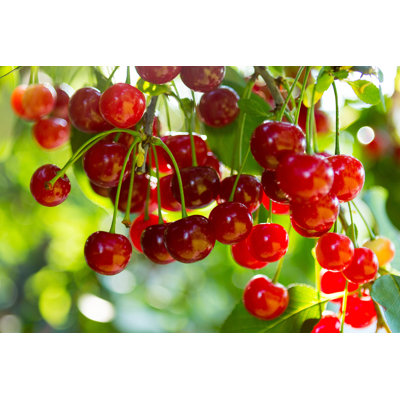
Cherry trees generally start bearing fruit in their fourth year; dwarf trees bear fruit a year earlier. One mature, standard-size tart or sweet cherry tree will produce 30 to 50 quarts of cherries each year; a dwarf tree, about 10 to 15 quarts. Plant cherry trees in early spring or late fall (when the ground is soft and has a higher moisture content) in a sunny site with good air circulation and deep, well-drained soil. Apply mulch and water well. After flowering in a fruiting year, youll need to drape trees with wildlife-safe netting to protect the fruit from birds. Plant in a sunny site with good air circulation; avoid planting near trees or buildings that shade. For cherry trees, however, they can mostly survive for weeks without water. However, keep in mind that the soil dries up faster when it is hot or windy. Maintain the soil by using a soaker hose around the tree for deep watering. Organic mulch can also help maintain soil moisture. Keep your tree healthy and fruitful by balancing the top growth of your tree through pruning. Pruning is the process of cutting away dead branches or stems. This is also important to keep the shape of your beautiful cherry tree.

By American Plant Exchange
Rated 4.4 out of 5 stars.8 total votes
Get it by Mon, Jul 13
|
Transform your indoor or outdoor space with the exquisite Jasmine Snow N' Summer (Jasminum polyanthum), a beautiful climbing plant renowned for its stunning white flowers and lush green foliage. This charming jasmine variety offers a delightful fragrance that fills your home or garden with a sweet, refreshing aroma, creating an inviting atmosphere. Perfect for both novice and experienced gardeners, Jasmine Snow N' Summer adds a touch of elegance and serenity to any setting, making it a fantastic choice for patios, trellises, and hanging baskets. Caring for Jasmine Snow N' Summer is simple and rewarding. This versatile plant thrives in bright, indirect sunlight, ideally placed near a window or in a well-lit area. It prefers warm temperatures between 65°F to 75°F (18°C to 24°C) and requires regular watering—keep the soil consistently moist but not soggy. Jasmine Snow N' Summer is also known for its air-purifying qualities, helping to filter out harmful toxins while bringing a sense of calm and tranquility to your home environment. For outdoor enthusiasts, Jasmine Snow N' Summer can be a stunning addition to gardens and patios during the warmer months, thriving in USDA Hardiness Zones 8-10. Ensure to protect the plant when temperatures drop below 32°F (0°C) by bringing it indoors or covering it. This adaptable plant can handle periods of neglect, making it suitable for busy lifestyles. Whether you’re looking to enhance your indoor décor, create a fragrant outdoor oasis, or gift a loved one, Jasmine Snow N' Summer is a delightful choice that will elevate any space with its beauty and enchanting scent.
Way bigger than I thought. Seems healthy overall!. Anonymous. Thu Mar 14 2024

By Wekiva Foliage LLC
FREE Delivery
|
Native to Brazil and Paraguay, an outdoor pineapple plant can reach 5 or 6 feet high, but an indoor specimen generally doesnt surpass 2 or 3 feet. Both consist of a short stem sprouting a rosette of often spiny 2-inch to 5-foot sword-shaped leaves. Since a pineapple requires fast-draining, sandy soil to prevent root rot, a cactus and citrus potting mix with a pH between 4.5 and 6.5 should suit the plant. Alternatively, you can try a cymbidium orchid mixwhich often is recommended for terrestrial bromeliads as well as terrestrial orchidsor a mix of one part peat moss, one part coarse builders sand, and one part perlite. If you want your plant to fruit, you should give it as much light as possible, such as in a greenhouse, sunroom, or near a large south-facing window. If moving the plant outdoors over the summer, be careful to adapt it gradually to full sun if it was in dimmer conditions before. Pineapple plant indoor temperatures should remain in the 65 to 85 degrees Fahrenheit range, and its a good idea to bring the plant into the house once temperatures begin falling below 60 degrees outdoors in autumn. The pineapple enjoys humidity as well as heat, so dont leave it pining for company. Instead, keep it clustered with other plants to help raise the moisture in the air around it.

By Wekiva Foliage LLC
FREE Delivery
|
Growing a mango tree is best suited to tropical and subtropical hardiness zones where temperatures do not fall below 40 degrees Fahrenheit. Although it can be tricky to grow, a mango tree can make an interesting specimen when grown in a large pot outdoors or indoors. In the right conditions, this tree forms a dense canopy of long oblong green leaves and rewards you with flowers in December through March; the fruit comes three to five months later. Mango trees planted in the garden are more likely to fruit than potted trees, but small varieties suitable for containers, such as a dwarf spotted mango, are capable of fruiting if they receive enough sunlight. Mango trees grown in a garden or potted on an outdoor deck or patio usually fare somewhat better. Saplings should be planted in spring; in the garden, it's important to plant during a cool season. A mango tree will require plenty of light and warmth to keep it happy. This tree reacts very badly to temperatures below 40 degrees Fahrenheit and will drop fruit if it gets too cold. Indoors, it can be hard to provide the plant with enough light to thrive. Young mango tree seedlings require bright light but not direct sunlight. Once the tree starts to grow and mature, it requires as much sunlight as possible, which may mean a potted tree needs to move outdoors. The mango tree needs at least six hours of sun per day and preferably eight to ten hours.

By American Plant Exchange
Rated 4.5 out of 5 stars.8 total votes
Get it by Mon, Jul 13
|
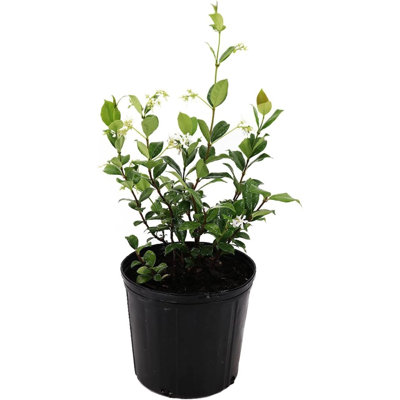
Confederate Jasmine (Trachelospermum jasminoides) is a highly sought-after climbing vine that enchants gardens with its fragrant, star-shaped white flowers and lush green foliage. This evergreen vine is perfect for adding beauty and fragrance to trellises, fences, arbors, and walls, creating a stunning backdrop for any outdoor space. The glossy leaves provide an attractive, year-round display, while the sweet scent of the blossoms fills the air, making it a favorite for patios and garden pathways. Ideal for a variety of outdoor settings, Confederate Jasmine thrives in full sun to partial shade, making it versatile for different garden designs. This hardy vine can be used to cover unsightly structures, provide privacy, or create an inviting atmosphere on porches and decks. Its fragrant blooms not only enhance the visual appeal of your landscape but also attract pollinators such as bees and butterflies, promoting a lively and diverse garden environment. With a long blooming season that typically lasts from spring through summer, this vine ensures that your outdoor space remains fragrant and inviting throughout the growing season. Confederate Jasmine is well-suited for USDA Hardiness Zones 8-10, where it can withstand heat and humidity while adapting to various soil types, provided they are well-draining. This low-maintenance plant is drought-tolerant once established, making it an excellent choice for water-wise landscaping. For optimal growth, plant Confederate Jasmine in rich, well-drained soil and ensure regular watering during dry spells. With minimal care, including occasional pruning to encourage bushier growth, this beautiful vine will thrive, offering continuous blooms and a delightful fragrance that enhances your garden and outdoor living spaces.
I love this plant but it is having a little trouble takig off? It is thriving but not growing like I think it should.. Christy. Crittenden, KY. Mon Jul 06 2026

By Touch of ECO
Rated 4.1 out of 5 stars.85 total votes
Get it by Sun, Jul 12
|
Great for shady corners of the garden, perennial hostas can produce large, heart-shaped leaves and white or purple flowers.
My gardener hassn't planted them as yet, I forgot them when he was here. When they arrived, they alreaady were sprouting so I know that I'm going to love them.. Anonymous. US. Sun Apr 19 2026

By Wekiva Foliage LLC
FREE Delivery
|
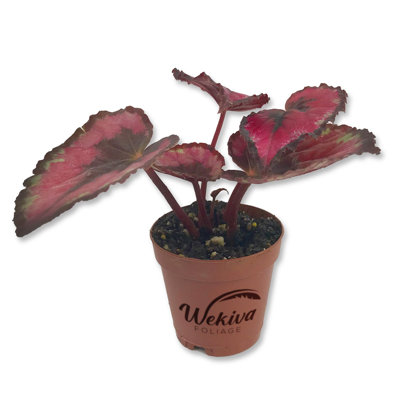
The Red Kiss begonia is a small houseplant variety with heart-shaped leaves. It has metallic red leaves with a large black area in the middle and a black edge. When young, the leaves are shiny silver. The Red Kiss begonia grows about 8 inches tall and wide. The Red Kiss begonia has medium watering needs. It is somewhat drought-tolerant, so there is no need to worry about it drying up. It does best in partial shade to shade. It requires an evenly moist well-drained soil for optimal growth, but will die in standing water. Begonias thrive in warm environments but, depending on the variety, might need full or partial sunlight. Most begonias do best when planted in an area with morning sun and afternoon shade.

By Touch of ECO
Rated 4.8 out of 5 stars.20 total votes
Get it by Sun, Jul 12
|
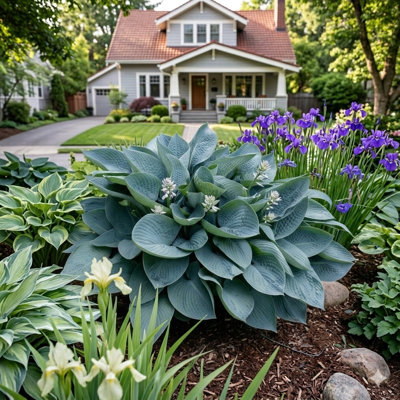
The Bressingham Blue Hosta is a distinguished perennial prized for its captivating foliage and elegant presence in the garden. Characterized by its large, heart-shaped leaves with striking blue-green hues, this hosta variety adds a touch of sophistication to any landscape. As the season progresses, the Bressingham Blue Hosta produces tall spikes of lavender flowers that rise above the foliage, creating a stunning contrast against the rich, blue-green leaves. Its robust and vigorous growth habit makes it an excellent choice for borders, woodland gardens, or shaded areas where it can thrive in moist, well-drained soil. With its exceptional tolerance to shade and ability to withstand various environmental conditions, the Bressingham Blue Hosta is a versatile and reliable performer in garden landscapes. Whether used as a focal point in a shady corner or planted in mass to create a lush groundcover, this hosta variety adds texture, color, and visual interest to outdoor spaces throughout the growing season.
I planted 6 of these hostas 8 days ago. They are already sprouting and doing well. Can't wait to see them fully grown in their "blue" splendor.. Anthony. Frankfort, IL. Sun Jun 28 2026

By American Plant Exchange
Rated 3.7 out of 5 stars.6 total votes
Get it by Mon, Jul 13
|
Transform your indoor or outdoor garden with the Desana Sweet Potato Vine (Ipomoea batatas), a stunning and versatile plant known for its vibrant foliage and trailing growth habit. Featuring heart-shaped leaves that come in a variety of colors—including bright green, deep purple, and variegated patterns—this plant adds a burst of color and texture to any space. Whether cascading from a hanging basket, spilling over a container, or climbing up a trellis, the Sweet Potato Vine is perfect for enhancing patios, balconies, and garden beds alike. Caring for Sweet Potato Vines is simple, making them ideal for both novice and experienced gardeners. These plants thrive in bright, indirect sunlight but can also tolerate partial shade, making them adaptable to various light conditions. They prefer warm temperatures between 60°F and 80°F (16°C to 27°C) and require well-draining soil to promote healthy growth. Water the plant regularly, ensuring the soil stays consistently moist but not waterlogged. With proper care, the Sweet Potato Vine will flourish and can even produce edible tubers if grown in the right conditions. In addition to their decorative appeal, Sweet Potato Vines are low-maintenance and fast-growing, making them a great choice for adding instant color to your space. They also help suppress weeds when planted in garden beds, providing additional benefits to your landscape. Whether you’re looking to brighten up your home, create a stunning outdoor display, or gift a unique plant to a friend, the Sweet Potato Vine is a versatile and captivating choice that brings beauty and vitality to any environment.
Very healthy and beautiful plant !!! Arrived packaged nicely !!! It was about double the size than my pictures show but I left it outside after watering it and forgot about it and what do you know a deer came through our yard that night and ate some of it !!! …lol highly recommend. Milena. Simpsonville, SC. Mon Jun 10 2024

By Wekiva Foliage LLC
FREE Delivery
|
Guava fruit trees are not a common sight in North America and need a decidedly tropical habitat. In the United States, they are found in Hawaii, the Virgin Islands, Florida and a few sheltered areas in California and Texas. Guava trees are attractive and produce deliciously rich, sweet fruits that are excellent fresh or in desserts. Given enough guava tree information, it is possible to grow these small trees in a greenhouse or sunroom and reap the benefits of their Vitamin C-rich fruits. The guava fruit grows on a small tree with a wide, short canopy and a sturdy single to multi-stemmed trunk. The guava tree is an interesting plant with mottled greenish bark and long 3- to 7-inch (7.5 to 18 cm.) serrated leaves. Guava trees produce white, 1-inch (2.5 cm.) flowers that yield to small round, oval or pear shaped fruits. These are more accurately berries with soft flesh, which may be white, pink, yellow or even red, and which varies in taste from acidic, sour to sweet, and rich depending on variety. Guava fruit trees are tropical to sub-tropical and may achieve 20 feet (6 M.) in height. Growing guavas requires cold protection, and is not suitable outdoors in most zones of the United States. They must have shelter from freezing winds, even in sunny warm climates where occasional icy temperatures occur.

(Set of 3)
By Touch of ECO
Rated 4.4 out of 5 stars.10 total votes
Get it by Sun, Jul 12
|
Discover the grandeur of our Giant Hosta Mixed Bare Root Plants. These remarkable hostas are truly among the largest in the world, boasting an impressive width of over 60 inches and a towering height of up to 36 inches. This exquisite mix showcases the captivating Hosta Sieboldiana Elegans and the elegant Hosta Frances Williams. These varieties flaunt leaves of grand proportions in shades of giant blue-green and yellow-green. As these plants mature, their leaves gracefully widen, creating a truly spectacular display. What sets these hostas apart is their ease of care and resilience against pests. They stand strong against slugs, ensuring that your garden remains a lush haven without constant maintenance. Whether enhancing your landscaping, gracing your garden, outlining borders, or surrounding your trees, these hostas offer a touch of natural beauty that thrives with minimal effort.
The plants are healthy and doing fine....in the ground. We don't normally order live plants from Wayfair, but had a small credit on file and wanted to use it. They arrived quickly and were packed well.. Curtis. US. Thu Jun 18 2026

By American Plant Exchange
Rated 5 out of 5 stars.4 total votes
Get it by Mon, Jul 13
|
Jasmine Summer Sunset (Jasminum 'Summer Sunset') is an exquisite variety of jasmine that captivates with its stunning golden-yellow blooms and lush green foliage. Renowned for its fragrant, star-shaped flowers, this hybrid brings a warm, cheerful glow to any garden, making it a perfect addition to flower beds, trellises, and patio containers. The delightful aroma of its blossoms adds an enchanting element to outdoor spaces, transforming gardens into fragrant havens of beauty. Thriving in full sun to partial shade, Jasmine Summer Sunset is well-suited for a variety of outdoor settings, making it versatile for different landscaping designs. This vigorous vine can climb structures or cascade beautifully from containers, reaching heights of up to 6 feet. Its eye-catching flowers not only enhance the visual appeal of your garden but also attract beneficial pollinators like bees and butterflies, fostering a lively and thriving ecosystem. With a long blooming season from late spring through summer, this jasmine variety ensures a continuous display of vibrant color and fragrance. Well-adapted to USDA Hardiness Zones 8-10, Jasmine Summer Sunset is resilient to heat and humidity, thriving in various soil types, provided they are well-draining. This low-maintenance plant is relatively drought-tolerant once established, making it an excellent choice for water-wise landscaping. For optimal growth, plant Jasmine Summer Sunset in rich, well-drained soil and ensure regular watering during dry periods. With minimal care, including occasional pruning to maintain its shape and promote flowering, this beautiful jasmine will flourish, providing a stunning and fragrant addition to your garden throughout the growing season.
Beautiful jasmine plant that arrived completely intact even in this Texas heat. I will put it in a different pot but, wanted to take a picture to give it at least a good contrast to the beautiful colors on the leaves! Absolutely gorgeous and healthy. It will need a bigger pot of course, but couldn't ask for a better quality plant.. Brooke. Houston, TX. Fri Aug 25 2023

By bamboogro
Rated 4.7 out of 5 stars.10 total votes
|
Our high-quality bamboo garden stakes are heat-treated for durability and ideal for multiple seasons. Perfect for supporting trees, flowers, and plants in agriculture and horticulture, they are strong, functional, and visually appealing. Bamboo is a sustainable, biodegradable material that won’t harm plants, crops, or soil, making it an eco-friendly choice for your garden. These stakes are great for various plants, including vines, tomatoes, peppers, and flowers, providing stability and promoting healthy growth. Easy to insert and cut to your preferred length, they offer versatility for any gardening project. Why Choose Bamboo Garden Stakes? Durable: Strong enough to support heavy plants, yet flexible for various applications. Attractive: Natural finish adds an aesthetic touch to your garden. Eco-Friendly: A sustainable alternative to plastic or metal stakes. Grow your plants healthily and happily with these premium bamboo garden stakes. Perfect for both indoor and outdoor use, they are an essential tool for gardeners of all levels.
I think these are really good product, the bamboo is sturdy and nice looking, and I think there’s a lot of creative ways to be used. These are a little taller than I would’ve liked, so I’m glad I got the 3 foot ones to go along with them. They may be too late for this season, but I think next season I’m gonna try and make some kind of a trellis with these from my little patio. A good purchase.. Ljk. Los Angeles. Fri Aug 08 2025

By Wekiva Foliage LLC
FREE Delivery
|
The Parfyanka Pomegranate Tree is a highly prized fruiting variety known for its exceptional flavor, vibrant fruit, and ornamental beauty. Originating from Central Asia and adapted for warmer climates, this deciduous shrub or small tree produces medium to large fruits with a deep red skin and soft seeds that are unusually sweet with a hint of tartness. The Parfyanka is especially notable for its low acidity, making it one of the most palatable pomegranates for fresh eating. In spring and early summer, the tree is adorned with bright orange-red tubular flowers that attract pollinators and hint at the abundant fruit to follow in late summer or fall. Its attractive, glossy green foliage adds visual appeal throughout the growing season, and its moderate growth habit makes it suitable for both garden planting and large containers. With proper care and a sunny location, the Parfyanka Pomegranate Tree can become a long-lived and productive centerpiece in any edible landscape. It is self-fertile, drought-tolerant once established, and thrives in warm climates with long summers.

By Wekiva Foliage LLC
FREE Delivery
|
Blackberry plants are fruiting shrubs. They belong to the genus Rubus in the rose family Rosaceae. Blackberry bushes produce fruits called blackberries. Much like their close cousin the raspberry, blackberries contain high levels of antioxidants, including vitamin C, vitamin K, potassium, and dietary fiber. They contain very little overall fat and zero saturated fat. They contain a small amount of protein, but most of their calories come in the form of carbohydrates. As members of the Rosaceae family, the cultivation of blackberries resembles that of rose bushes. Fortunately, blackberries are closer to wild roses in their ease of care than they are to a hybrid tea rose. Blackberries will tolerate many growing conditions. Sites with full sun are best for productive blackberry bushes. Some afternoon shade is tolerated, especially in areas with hot summers. Careful site selection will ensure a long life for your blackberries, which usually live for about a decade with proper care. The ideal soil is slightly acidic with good drainage; these plants do not do well in clay soil. An elevated site or raised beds will not only help drainage but will also prevent late spring frosts from damaging flower buds. Blackberries need moderate amounts of water, around 1 inch per week provided either by rainfall or from ground-level irrigation. Blackberries do not fare well in wet soils.

By American Plant Exchange
Rated 3.9 out of 5 stars.13 total votes
Get it by Mon, Jul 13
|
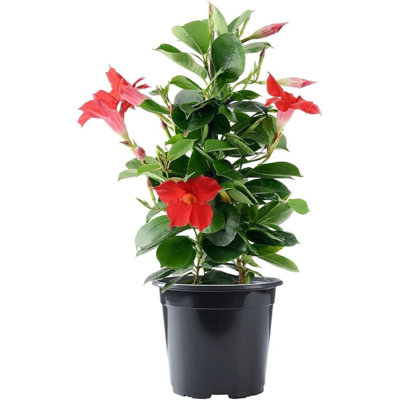
Transform your indoor or outdoor space with the stunning Dipladenia Red (Mandevilla sanderi), a tropical vine celebrated for its striking red blooms and lush, glossy foliage. This vibrant plant produces abundant, trumpet-shaped flowers that create a breathtaking display, adding a splash of color and a touch of the tropics to any setting. The rich, deep red blooms are perfect for creating eye-catching arrangements on patios, balconies, or as a colorful accent in garden beds, making the Dipladenia a favorite for garden enthusiasts and decorators alike. Thriving in bright, indirect light, the Dipladenia Red loves warm conditions and can be grown in containers or as a climbing vine, allowing for versatility in its placement. Typically growing to heights of 4 to 6 feet, this plant can be trained to climb trellises or allowed to cascade from hanging baskets, making it an ideal choice for vertical gardens or as part of your outdoor decor. Its lush green leaves serve as a beautiful backdrop for its striking blooms, creating a stunning contrast that enhances any space. Caring for your Dipladenia Red is simple and rewarding. It prefers well-draining soil and should be watered regularly, allowing the top inch of soil to dry out between waterings. This tropical beauty flourishes in high humidity, so occasional misting or placement in a humid area can help it thrive. The Dipladenia is also non-toxic to pets, making it a safe choice for households with furry companions. With its dazzling red blooms, lush foliage, and manageable care requirements, the Dipladenia Red is a fabulous addition to any home or garden, bringing a vibrant touch of nature to your living space.
Beautiful plant and with flowers , very healthy. Virginia. Corpus Christi, TX. Wed Sep 20 2023

By Wekiva Foliage LLC
FREE Delivery
|
Once considered a fruit for royalty, the pomegranate is a delicious addition to your backyard orchard or edible landscaping. Its beautiful, showy, red-orange flowers become decorative fruit in the fall. Best known for the antioxidant-rich fruit it produces, the pomegranate shrub is widely grown throughout the Mediterranean region. Its tubular blooms begin to appear in late May and early June, providing nice spring color, while the fruit ripens from September to October. The fruit is a bit unusual, as the only edible parts are the jewel-like arils and seeds found inside. The pomegranate fruit is a leathery skinned red sphere known as an aril. The thick aril contains several hundred juicy red edible fruits that are similar to berries. They are known for their antioxidant properties and many associated health benefits. The pomegranate tree will adapt to either acidic or alkaline soil, though it prefers something in the range of 5 to 7 pH. Add plenty of organic well-rotted compost to your soil, as this will both improve drainage and also improve the quality of the soil, providing much-needed nutrients to the pomegranate tree. The pomegranate tree is drougt tolerant and can be grown in a dry area and in areas where there is good rainfail. It is best not to plant in wet areas as they are prone to root decay for fungal diseases. They also tolerate dipping temperatuares down to about 10 degrees but should be planted in an area of protection from direct winter winds.

By Thorsen's Greenhouse
Rated 4.4 out of 5 stars.96 total votes
|
Say hello to Jade! Jade succulent plants are well known in the plant community for their ease of care, quick growth, and beautiful green appearance. Part of the succulent community, this is one of the easiest plants to grow! Does best with bright sunlight, which can bring out beautiful red edges to the leaves. Water sparingly. Why you’ll love it: Jade plants are easy to grow and propagate! Houseplants make for playful home décor or meaningful gifts. Grow your happiness! Please note the images are a representation of the plants available, not the exact plant you will receive. All plants are unique, we will handpick and carefully package the best of our selection for each order!
This plant was exactly as shown. This is my 4th plant I brought from this greenhouse and so far I have been pleased with all except one, but I was able to bring the one that wasn’t in good shape back. Overall I am very pleased with my purchase. Thanks Wayfair!. Anonymous. Fri Mar 06 2026

3 Sizes
By Wekiva Foliage LLC
13" H x 4" W x 4" D
FREE Delivery
|
Dragon fruit is a white-fleshed fruit with tiny black seeds and vibrant pink skin. Each fruit weighs between 150-600g and is commonly used in fruit salads, smoothies and salads. It has little flavour and its texture closely resembles that of kiwi fruit. To prepare all you to do is to cut the fruit in half and then scoop out the flesh. dragon fruit is native to South America, but youll also found it grown in parts of Indonesia, Taiwan, Southern California and most recently Australia. Dragon fruit grows on cactus plants which love warm, humid climates and needs very little water. They are subtropical plants which need at least six hours of sunlight per day. They will also grow well in a warm and sunny spot indoors. In the right conditions dragon fruit plants grow can grow to be quite tall and will put down aerial roots as they grow so make sure your pot is at least 40cm in diameter. Also, remember that dragon fruit plants are climbers so give them a stake or something else to climb on. Growing dragon fruit outdoors in your garden is a fail-proof way to add colour and personality to your garden. To prepare simply clear the area of any weeds and rocks and make sure that the soil is slightly sandy and acidic, you can always add a bit of extra potting mix to the bed to help make it cacti-proof. When your dragon fruit starts flowering is a good indicator that fruit is on its way. Generally speaking, it will take around four weeks for a dragon fruit to be ready, youll know when it is ripe when its skin turns that vibrant pink. Use a pair of sharp secateurs to cut the fruit off and store it in the fridge for up to two weeks.

By Wekiva Foliage LLC
FREE Delivery
|
Bring the taste of the tropics to your home garden with the Avocado Tree (Persea americana), a fast-growing, evergreen fruit tree prized for its rich, creamy fruit and lush, tropical appearance. Known for its glossy, deep green foliage and upright growth habit, the avocado tree adds year-round greenery and can be grown in the ground in warm climates or in large containers in cooler regions. With proper care, this tree will reward you with buttery avocados perfect for slicing, mashing, or adding to a variety of recipes. The tree typically develops a broad canopy and sturdy trunk, maturing into a beautiful landscape specimen. While it may take several seasons to produce fruit, the wait is well worth it. Avocados thrive in warm, frost-free climates, but they can also be grown indoors or in greenhouses where temperature and light can be controlled. A self-fertile variety will bear fruit on its own, though planting multiple trees can often increase yield. Whether you're an experienced gardener or just starting out, the Avocado Tree offers an enjoyable and rewarding growing experience for those who appreciate fresh, homegrown fruit and a tropical aesthetic in their outdoor space. The Nishikawa Avocado Tree is a premium Hawaiian variety that has gained recognition for its exceptional fruit quality, high oil content, and attractive appearance. Originating from the Big Island of Hawaii, this cultivar is believed to be a natural hybrid of West Indian and Mexican-Guatemalan types, resulting in a tree that combines vigorous growth, tropical resilience, and gourmet flavor. Well-suited to USDA Zones 1011, the Nishikawa thrives in warm, humid climates and performs best in areas free from frost. The tree typically grows to 2025 feet with a spreading canopy and dense, glossy foliage that adds ornamental value to home gardens and small orchards. Its fruit is medium to large in size, pear-shaped to oval, and covered in glossy, dark green skin that remains green when ripe. What truly sets the Nishikawa apart is its rich, nutty, and ultra-buttery fleshdense, creamy, and extremely low in fiber. It ripens in the mid to late season, offering fruit from fall into early winter. The tree is a Type B flower, making it an excellent pollination companion for Type A varieties to enhance yield. Due to its outstanding flavor profile and creamy texture, Nishikawa is often compared to the coveted Hass avocado, making it a favorite among avocado connoisseurs and home growers looking for a tropical delicacy with premium taste.

By Staub
Rated 4.9 out of 5 stars.502 total votes
FREE Delivery
|
The Staub ceramic tomato cocotte was created following the resounding success of the Staub Pumpkin. We took our design inspiration from the heirloom Brandywine cultivar, which is considered among the very best-tasting tomatoes in the world. A beautiful complimentary piece for the collector, the Staub Ceramic Tomato Cocotte delivers both the culinary functionality and the oven-to-table elegance you've come to expect from Staub. It is both a festive and functional addition to your stoneware collection. Its porcelain finish and exceptional quality make it the perfect vessel for preparing a wide variety of casseroles, and baked dishes and making an elegant and memorable serving piece.
Great detail and super cute piece. Seems to be excellent quality and it looks great on my stove as a decorative item when not in use.. Cindy. Decatur, AL. Sun Apr 19 2026

By Wekiva Foliage LLC
FREE Delivery
|
Transport yourself to a tropical paradise with our luscious Guava Tree (Psidium guajava)! Bursting with exotic flavor and sweet, juicy goodness, it's the ultimate addition to your garden oasis. Elevate your space and indulge in the taste of sunshine today!

By American Plant Exchange
Rated 4.5 out of 5 stars.49 total votes
Get it by Mon, Jul 13
|
Elevate your indoor or outdoor garden with the enchanting Dipladenia Pink (Mandevilla sanderi), a tropical vine known for its stunning pink blooms and lush green foliage. This eye-catching plant features an abundance of vibrant, trumpet-shaped flowers that radiate cheerful shades of pink, adding a lovely pop of color to any setting. Whether you're looking to create a stunning centerpiece on your patio or a vibrant accent in your garden beds, the Dipladenia Pink is the perfect choice for bringing a touch of tropical beauty to your space. Thriving in bright, indirect light, the Dipladenia Pink prefers warm, sunny conditions and can be grown in containers or allowed to climb trellises, providing versatility in your landscaping. Typically reaching heights of 4 to 6 feet, this lovely vine can be trained to grow vertically or left to cascade from hanging baskets, creating a captivating display of color and greenery. The lush leaves provide a beautiful backdrop for the vivid blooms, making it an attractive addition to any home or garden. Caring for your Dipladenia Pink is straightforward and rewarding. It thrives in well-draining soil and should be watered regularly, allowing the top inch of soil to dry out between waterings. This tropical beauty enjoys high humidity, so misting or placing it in a humid environment can promote optimal growth. Additionally, the Dipladenia is non-toxic to pets, ensuring a safe and cheerful addition to your household. With its gorgeous pink flowers, rich green foliage, and easy care requirements, the Dipladenia Pink is a wonderful choice for anyone looking to enhance their living space with a vibrant touch of nature.
Beautiful. A little sparse but healthy and with beautiful flowers. Looks great in the window.. Dawn. US. Sun Jun 07 2026

By Wekiva Foliage LLC
FREE Delivery
|
The Mango Tree (Mangifera indica) is a fast-growing tropical fruit tree prized for its lush foliage, fragrant blossoms, and delicious fruit. Known for its glossy, evergreen leaves and broad canopy, this tree adds both visual appeal and practical value to any landscape. When mature, mango trees can reach heights of 30 to 100 feet depending on variety and growing conditions, although container-grown or grafted types remain more compact. Each spring or early summer, the tree produces small, cream-colored flower clusters that eventually yield one of the worlds most sought-after tropical fruits. Mangoes range in flavor from rich and spicy to sweet and citrusy, and typically ripen during the warmest months of the year. This heat-loving tree thrives in subtropical to tropical climates and adapts well to both ground planting and large containers in warmer zones. Ideal for home gardeners seeking a reliable, productive fruit tree, the Mango Tree offers not only flavorful harvests but also ornamental value, with its dense crown, long leaves, and striking seasonal growth. With the right placement and care, it can become a centerpiece of your edible landscape, orchard, or patio garden. A rewarding tree for growers who appreciate beauty and bounty in one.The 'Pina Colada' mango tree is a highly unique and sought-after variety known for its small fruit size, compact growth habit, and incredibly rich, tropical flavor. As its name suggests, this mango delivers a taste experience reminiscent of the popular island drink, offering notes of pineapple, coconut, and creamy sweetness in every bite. The tree is slow-growing and naturally dwarf in size, making it ideal for container cultivation, small spaces, or managed home orchards. Despite its smaller stature, the Pina Colada mango is impressively productive, yielding clusters of petite, oval-shaped fruits with golden-yellow skin and vibrant orange flesh. The flesh is completely fiberless, buttery in texture, and exceptionally juicy. While the fruit is smaller than many commercial varieties, its intense flavor more than makes up for the size. This mango typically ripens mid to late season and is a favorite among collectors and mango enthusiasts who appreciate bold, candy-like flavor profiles. The Pina Colada mango tree is an excellent choice for those looking to grow something truly specialrich in both taste and charm.

3 Sizes
By Wekiva Foliage LLC
13" H x 4" W x 4" D
FREE Delivery
|
It is a tropical tree which makes a fine addition to a South Florida gardener's backyard fruit orchard. A native of the West Indies, it is a small, attractive, fast-growing tree that won't reach much more than 12 feet, although it can be kept clipped back to shrub size. It's leaves are small and evergreen, borne densely on rather brittle branches. The branches of some varieties droop; others are quite upright. The bright pink, five-petaled flowers are small but pretty, with the trees blooming mainly from April through October although some blossoms appear year around. Fruiting is from May to November, but again, a few cherries may be picked now and then throughout the winter. Barbados cherry, or acerola, is a large, bushy shrub or small tree that reaches mature heights of about 12 feet (3.5 m.). This attractive shrub produces thick, bright green leaves. Small, pinkish-lavender flowers bloom from spring to fall, and may pop up year round in warmer climates usually after irrigation or a rainfall. Harvest Barbados cherries when the fruit is fully ripe. Wear gloves, though, because the fuzz on the stems and leaves can irritate the skin, especially when the tree is young.

2 Sizes
By Natures Way Farms
25" H x 10" W x 10" D
Rated 4.2 out of 5 stars.14 total votes
FREE Delivery
|
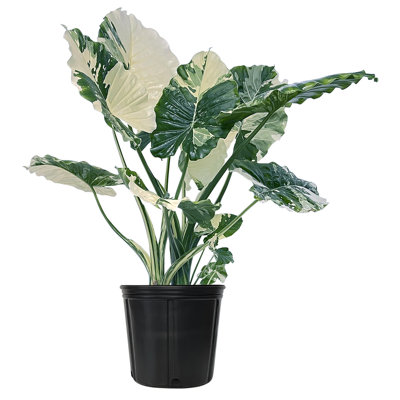
Bring the drama of the tropics indoors with this majestic plant! Its giant, elephant ear-shaped leaves will make a statement in any room. Low-maintenance and air-purifying, it's perfect for adding a touch of exotic elegance.
I had a lot of broken stems. This is the first plant that I gotten with a lot of broken pieces.. Joanne Travis. Lancaster Pa.. Thu May 01 2025

By United Nursery
Rated 4.8 out of 5 stars.17 total votes
FREE Delivery
|
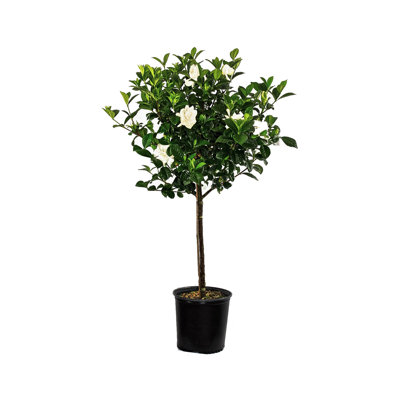
The Gardenia Aimee standard is an attractive evergreen that is an old time favorite because of its intense fragrance and large White velvety flowers and glossy dark green foliage. The Aimee Gardenia is considered to be 1 of the larger Gardenia varieties reaching a height of 4 ft. to 5 ft. Gardenias perform best in well-drained and acidic soil and moderate moisture. Gardenias also enjoy direct sunlight but will do well indoors in a sun-drenched room or patio and make an excellent container plant. Indoor house plants are proven to be excellent air purifiers that removes pollutants and chemicals from the air for healthy living. Studies show that house plants can decrease stress and anxiety and stimulate creativity. Great for yourself or as a gift.
These gardenia shrubs are so pretty. Just two of them makes my backyard smell amazing!! I hope I can keep them alive. One was delayed a day but they came packaged really well. Love them both so much!. Gobriel. University Heights, OH. Tue Jun 09 2026

By American Plant Exchange
Rated 3 out of 5 stars.9 total votes
Get it by Mon, Jul 13
|
Add a tropical flair to your home or garden with the delightful Dwarf Cavendish Banana (Musa acuminata 'Dwarf Cavendish'), a compact variety known for its lush, broad leaves and sweet, delicious fruit. This charming plant not only serves as a stunning decorative piece but also provides the joy of growing your own bananas right at home. With its striking appearance and easy-care nature, the Dwarf Cavendish Banana is perfect for both novice and experienced gardeners alike. Thriving in bright, indirect sunlight, the Dwarf Cavendish Banana prefers warm, humid environments, making it an excellent choice for sunrooms, kitchens, or patios. Typically reaching a height of 3 to 5 feet, it’s a perfect fit for smaller spaces, allowing you to enjoy a tropical vibe without needing a large garden. Its large, elegant leaves can create a lush backdrop for other plants or stand alone as a focal point in your decor. Caring for your Dwarf Cavendish Banana is straightforward—keep the soil consistently moist but well-drained, and provide regular fertilization during the growing season to encourage fruit production. This banana plant is also relatively resistant to pests, making it a low-maintenance option for busy gardeners. While the fruit is delicious and edible, the plant is not toxic to pets, allowing you to enjoy its beauty without worry. With its vibrant foliage and the prospect of homegrown bananas, the Dwarf Cavendish Banana is an exciting and delightful addition to any plant collection, bringing a touch of the tropics indoors.
I am looking forward to fruit from this little adorable tree. I hope it survives, thrives, and produces fruit. It is small and I look forward to it thriving in the MS weather. We love fruit and look forward to the nourishment.. Vickie Moore Tucker. Brandon, MS. Mon Dec 18 2023

By Wekiva Foliage LLC
FREE Delivery
|
Diverse Alocasia Varieties: Alocasia offers a wide variety of species and cultivars to choose from. Some popular options include Alocasia macrorhiza, Alocasia longiloba, Alocasia cuprea 'Red Secret,' Alocasia x amazonica, Alocasia x amazonica 'Polly,' Alocasia zebrina, and 'Black Velvet' Alocasia reginula. Each brings its unique charm and aesthetics to your indoor space.

By Wekiva Foliage LLC
FREE Delivery
|
Bring the taste of the tropics to your home garden with the Avocado Tree (Persea americana), a fast-growing, evergreen fruit tree prized for its rich, creamy fruit and lush, tropical appearance. Known for its glossy, deep green foliage and upright growth habit, the avocado tree adds year-round greenery and can be grown in the ground in warm climates or in large containers in cooler regions. With proper care, this tree will reward you with buttery avocados perfect for slicing, mashing, or adding to a variety of recipes. The tree typically develops a broad canopy and sturdy trunk, maturing into a beautiful landscape specimen. While it may take several seasons to produce fruit, the wait is well worth it. Avocados thrive in warm, frost-free climates, but they can also be grown indoors or in greenhouses where temperature and light can be controlled. A self-fertile variety will bear fruit on its own, though planting multiple trees can often increase yield. Whether you're an experienced gardener or just starting out, the Avocado Tree offers an enjoyable and rewarding growing experience for those who appreciate fresh, homegrown fruit and a tropical aesthetic in their outdoor space. The Willie Avocado Tree is a unique and regionally admired variety that originated in Florida, known for its vigorous growth, consistent productivity, and strikingly flavorful fruit. Well-suited for USDA Zones 911, the Willie tree thrives in warm, humid climates and performs well in both home landscapes and small-scale groves. It has a strong, upright growth habit with dense foliage and can reach heights of 25 to 30 feet at maturity. The fruit is medium to large in size and typically oval-shaped, with smooth, bright green skin that remains green when ripe and is easy to peel. One of the standout features of the Willie avocado is its robust flavor and creamy texture, which makes it a popular choice among those who enjoy a bold, rich avocado experience. The fruit ripens in mid to late season, often from October through December, offering an extended window for fresh harvests when many early varieties have already finished. The flesh is pale green, moderately high in oil, and exceptionally smooth with very little fiber. As a Type B flowering variety, Willie pairs well with Type A cultivars to enhance pollination and yield. With its outstanding fruit quality, reliable yields, and regional resilience, the Willie avocado is a hidden gem for growers seeking both performance and exceptional taste.

By American Plant Exchange
Rated 4.7 out of 5 stars.44 total votes
Get it by Mon, Jul 13
|
Brighten your indoor space with the striking Dracaena Colorama, a visually captivating houseplant celebrated for its vibrant foliage and unique color variations. This stunning plant features long, narrow leaves that showcase a dramatic palette of deep green accented with vivid pink and red edges, creating a bold statement that can transform any room. The Dracaena Colorama not only enhances your decor with its stunning colors but also adds a lively touch of tropical flair to your home or office. Thriving in bright, indirect light, the Dracaena Colorama adapts well to various indoor conditions, making it a versatile choice for living rooms, offices, or entryways. Typically growing to heights of 3 to 5 feet, it can be placed in floor pots or used to fill empty corners with its eye-catching presence. This hardy plant is known for its low maintenance requirements, allowing you to enjoy its beauty without the hassle of demanding care routines. Caring for your Dracaena Colorama is simple and satisfying. It prefers well-draining soil and should be watered when the top inch of soil feels dry, making it an excellent choice for busy individuals. This resilient plant is also tolerant of occasional neglect, bouncing back well from underwatering. Additionally, the Dracaena Colorama is non-toxic to pets, ensuring a safe environment for your furry companions. With its vibrant leaves, minimal care needs, and ability to bring life to any space, the Dracaena Colorama is a fantastic addition to your indoor garden, infusing your home with a touch of elegance and vitality.
Healthy and adds a great pop of color to our space!. Michelle. US. Sun Dec 01 2024

By American Plant Exchange
Rated 4.6 out of 5 stars.28 total votes
Get it by Mon, Jul 13
|
Confederate Jasmine (Trachelospermum jasminoides) is a highly sought-after climbing vine that enchants gardens with its fragrant, star-shaped white flowers and lush green foliage. This evergreen vine is perfect for adding beauty and fragrance to trellises, fences, arbors, and walls, creating a stunning backdrop for any outdoor space. The glossy leaves provide an attractive, year-round display, while the sweet scent of the blossoms fills the air, making it a favorite for patios and garden pathways. Ideal for a variety of outdoor settings, Confederate Jasmine thrives in full sun to partial shade, making it versatile for different garden designs. This hardy vine can be used to cover unsightly structures, provide privacy, or create an inviting atmosphere on porches and decks. Its fragrant blooms not only enhance the visual appeal of your landscape but also attract pollinators such as bees and butterflies, promoting a lively and diverse garden environment. With a long blooming season that typically lasts from spring through summer, this vine ensures that your outdoor space remains fragrant and inviting throughout the growing season. Confederate Jasmine is well-suited for USDA Hardiness Zones 8-10, where it can withstand heat and humidity while adapting to various soil types, provided they are well-draining. This low-maintenance plant is drought-tolerant once established, making it an excellent choice for water-wise landscaping. For optimal growth, plant Confederate Jasmine in rich, well-drained soil and ensure regular watering during dry spells. With minimal care, including occasional pruning to encourage bushier growth, this beautiful vine will thrive, offering continuous blooms and a delightful fragrance that enhances your garden and outdoor living spaces.
I was hesitant ordering live plants, but aside from a few yellowed leaves they came in great condition, and are thriving!. Christie. Boyne City, MI. Mon Jun 05 2023

By Wekiva Foliage LLC
FREE Delivery
|
Bring the taste of the tropics to your home garden with the Avocado Tree (Persea americana), a fast-growing, evergreen fruit tree prized for its rich, creamy fruit and lush, tropical appearance. Known for its glossy, deep green foliage and upright growth habit, the avocado tree adds year-round greenery and can be grown in the ground in warm climates or in large containers in cooler regions. With proper care, this tree will reward you with buttery avocados perfect for slicing, mashing, or adding to a variety of recipes. The tree typically develops a broad canopy and sturdy trunk, maturing into a beautiful landscape specimen. While it may take several seasons to produce fruit, the wait is well worth it. Avocados thrive in warm, frost-free climates, but they can also be grown indoors or in greenhouses where temperature and light can be controlled. A self-fertile variety will bear fruit on its own, though planting multiple trees can often increase yield. Whether you're an experienced gardener or just starting out, the Avocado Tree offers an enjoyable and rewarding growing experience for those who appreciate fresh, homegrown fruit and a tropical aesthetic in their outdoor space. The Donnie Avocado Tree is an early-season, Florida-origin variety celebrated for its rapid fruit development, vigorous growth, and attractive, pear-shaped fruit. Ideal for USDA Zones 911, the Donnie tree is well-adapted to warm, humid climates and is especially valued by growers seeking a reliable, early harvest. This variety begins producing fruit as early as late spring to early summerwell ahead of most other avocadosmaking it an excellent choice for extending the harvest season. The tree itself is medium to large in size, with a broad, spreading canopy and lush, dark green foliage. Donnie avocados are medium to large with smooth, glossy green skin that remains green at maturity. The flesh is pale green with a soft, creamy texture and a light, subtle flavor that makes it ideal for fresh eating. Although the fruit has a lower oil content compared to some later-season varieties, it is appreciated for its refreshing, clean taste and smooth consistency. This variety is considered a Type A flower, making it a good candidate for pairing with Type B avocados to encourage better cross-pollination. Because of its early ripening and dependable yields, the Donnie avocado is often grown in combination with other varieties to ensure a steady supply of fruit throughout the growing season.

By Wekiva Foliage LLC
FREE Delivery
|
The Mango Tree (Mangifera indica) is a fast-growing tropical fruit tree prized for its lush foliage, fragrant blossoms, and delicious fruit. Known for its glossy, evergreen leaves and broad canopy, this tree adds both visual appeal and practical value to any landscape. When mature, mango trees can reach heights of 30 to 100 feet depending on variety and growing conditions, although container-grown or grafted types remain more compact. Each spring or early summer, the tree produces small, cream-colored flower clusters that eventually yield one of the worlds most sought-after tropical fruits. Mangoes range in flavor from rich and spicy to sweet and citrusy, and typically ripen during the warmest months of the year. This heat-loving tree thrives in subtropical to tropical climates and adapts well to both ground planting and large containers in warmer zones. Ideal for home gardeners seeking a reliable, productive fruit tree, the Mango Tree offers not only flavorful harvests but also ornamental value, with its dense crown, long leaves, and striking seasonal growth. With the right placement and care, it can become a centerpiece of your edible landscape, orchard, or patio garden. A rewarding tree for growers who appreciate beauty and bounty in one.

By Wekiva Foliage LLC
FREE Delivery
|
Bring the taste of the tropics to your home garden with the Avocado Tree (Persea americana), a fast-growing, evergreen fruit tree prized for its rich, creamy fruit and lush, tropical appearance. Known for its glossy, deep green foliage and upright growth habit, the avocado tree adds year-round greenery and can be grown in the ground in warm climates or in large containers in cooler regions. With proper care, this tree will reward you with buttery avocados perfect for slicing, mashing, or adding to a variety of recipes. The tree typically develops a broad canopy and sturdy trunk, maturing into a beautiful landscape specimen. While it may take several seasons to produce fruit, the wait is well worth it. Avocados thrive in warm, frost-free climates, but they can also be grown indoors or in greenhouses where temperature and light can be controlled. A self-fertile variety will bear fruit on its own, though planting multiple trees can often increase yield. Whether you're an experienced gardener or just starting out, the Avocado Tree offers an enjoyable and rewarding growing experience for those who appreciate fresh, homegrown fruit and a tropical aesthetic in their outdoor space. The Diamond Head Avocado Tree is a Hawaiian variety named after the iconic volcanic crater on Oahu, and its cherished for its excellent fruit quality, reliable production, and adaptation to tropical and subtropical climates. Best suited for USDA Zones 1011, the Diamond Head thrives in warm, humid environments and is well-regarded in both backyard gardens and local Hawaiian orchards. This moderately vigorous tree grows to 2030 feet in height, with a broad, spreading canopy that provides both ornamental value and generous shade. The fruit is medium to large in size, typically oval-shaped, with slightly pebbled, dark green skin that remains green when ripe and peels easily. Ripening occurs in the mid to late season, making it an excellent addition for those seeking to extend their avocado harvest into fall or early winter. Inside, the flesh is pale green, creamy, and rich in oil, offering a smooth, low-fiber texture. The flavor is a standout featurerobust, buttery, and slightly nutty, making it a gourmet favorite for fresh eating, spreads, or culinary applications. As a Type B flowering variety, Diamond Head pairs well with Type A trees for enhanced pollination and fruit set. With its Hawaiian heritage, consistent yields, and premium fruit, the Diamond Head avocado is a choice selection for growers looking for flavor and performance in a tropical-friendly variety.

By American Plant Exchange
Rated 4.3 out of 5 stars.4 total votes
Get it by Mon, Jul 13
|
Hibiscus Yellow Bloom is a vibrant addition to any garden, celebrated for its stunning large yellow flowers that can reach up to 10 inches across. Known for their cheerful, bright petals often highlighted with darker throats, these blooms instantly brighten patios, borders, and garden beds, creating a captivating focal point. The lush green foliage provides an appealing contrast, making this hibiscus variety perfect for enhancing the visual impact of outdoor spaces while adding a tropical flair to your landscape. Ideal for sunny environments, Hibiscus Yellow Bloom thrives in full sun, making it an excellent choice for brightening up sunny areas in your garden. This versatile plant can be used in garden beds, large containers, or as colorful hedges, ensuring its beauty is showcased in various outdoor settings. Its attractive flowers not only enhance your landscape's aesthetic appeal but also attract essential pollinators like butterflies and hummingbirds, contributing to a lively ecosystem. With continuous blooming throughout the summer and into the fall, this hibiscus variety provides an enduring display of vibrant color. Thriving in USDA Hardiness Zones 9-11, Hibiscus Yellow Bloom is well-suited for warmer climates, demonstrating resilience against heat and humidity. This hardy plant adapts well to various soil types, provided they are well-draining, making it suitable for different gardening conditions. For optimal growth, plant Hibiscus Yellow Bloom in nutrient-rich, well-drained soil during the spring, and ensure regular watering, especially during dry spells. With proper care, including periodic pruning to promote bushier growth, this stunning hibiscus will grace your garden with its brilliant yellow blooms all season long, creating an inviting and cheerful outdoor space.
Blooming when delivered and has not stopped. Plant was large and healthy and it was exactly what was advertised. Thank you!!. Lorraine. Queens Village, NY. Mon Jun 23 2025

By Wekiva Foliage LLC
FREE Delivery
|
Bring the taste of the tropics to your home garden with the Avocado Tree (Persea americana), a fast-growing, evergreen fruit tree prized for its rich, creamy fruit and lush, tropical appearance. Known for its glossy, deep green foliage and upright growth habit, the avocado tree adds year-round greenery and can be grown in the ground in warm climates or in large containers in cooler regions. With proper care, this tree will reward you with buttery avocados perfect for slicing, mashing, or adding to a variety of recipes. The tree typically develops a broad canopy and sturdy trunk, maturing into a beautiful landscape specimen. While it may take several seasons to produce fruit, the wait is well worth it. Avocados thrive in warm, frost-free climates, but they can also be grown indoors or in greenhouses where temperature and light can be controlled. A self-fertile variety will bear fruit on its own, though planting multiple trees can often increase yield. Whether you're an experienced gardener or just starting out, the Avocado Tree offers an enjoyable and rewarding growing experience for those who appreciate fresh, homegrown fruit and a tropical aesthetic in their outdoor space. The Bernaker Avocado Tree is a lesser-known but well-regarded Florida variety recognized for its excellent productivity, consistent fruit quality, and strong performance in warm, humid climates. Best suited for USDA Zones 911, this variety is favored by both home gardeners and small-scale growers looking for a reliable, mid-season avocado with great taste and visual appeal. The tree grows with moderate vigor and develops a symmetrical, upright canopy that typically matures at 20 to 25 feet, though it can be pruned to maintain a smaller footprint. Bernaker avocados are medium to large in size and oval-shaped, with smooth, glossy green skin that remains green even when fully ripemaking visual ripeness a bit more subtle but offering excellent durability and shelf life. The fruit typically ripens from late summer into early fall, providing a solid mid-season harvest. Inside, the pale green flesh is creamy and smooth, with minimal fiber and a pleasing buttery texture. The flavor is rich and nutty, with a balanced oil content that makes it excellent for fresh eating, spreads, or dips. As a Type B flowering variety, Bernaker can serve as a useful pollination companion for Type A cultivars to improve yield and cross-pollination. With its dependable production, excellent taste, and attractive fruit, the Bernaker avocado tree is a solid addition to any Florida-centric avocado collection.