to:Â
Spiral-Shaped
Upside Down
Slender
Regular (Full)
Extra Full
Half and Corner
Sparse
Lush
Very Lush
19 Items

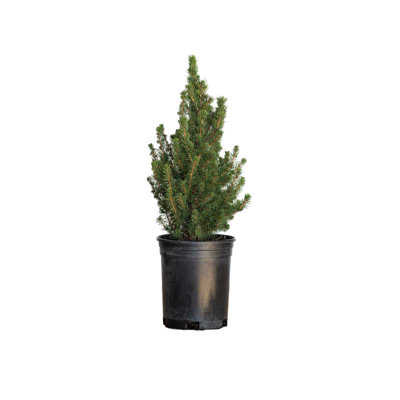
The Dwarf Alberta Spruce (Picea glauca 'Conica') is a slow-growing, compact evergreen conifer known for its dense, pyramidal form and fine, bright green needles. Its uniform shape and small stature make it a popular choice for adding structure and year-round color to landscapes. With its tight, conical growth habit, this dwarf spruce is often used in formal gardens, foundation plantings, and containers. It’s also a favorite during the holiday season as a living Christmas tree. This is a slow-growing conifer that will take 18+ years to reach its mature height, this slow growth habit makes this plant great for topiaries and container garden specimens that can be decorated during the holidays as a miniature Christmas tree. The Alberta Spruce should be planted in full to partial sun and should be watered 2-3 times per week until established, then water as needed in dry spells.
Tree arrived in great condition. I will plant after the holidays. Jacqueline. Exeter, RI. Thu Apr 17 2025

3 Sizes
By Wekiva Foliage LLC
40" H x 10" W x 10" D
FREE Delivery
|
It is a tropical tree which makes a fine addition to a South Florida gardener's backyard fruit orchard. A native of the West Indies, it is a small, attractive, fast-growing tree that won't reach much more than 12 feet, although it can be kept clipped back to shrub size. It's leaves are small and evergreen, borne densely on rather brittle branches. The branches of some varieties droop; others are quite upright. The bright pink, five-petaled flowers are small but pretty, with the trees blooming mainly from April through October although some blossoms appear year around. Fruiting is from May to November, but again, a few cherries may be picked now and then throughout the winter. Barbados cherry, or acerola, is a large, bushy shrub or small tree that reaches mature heights of about 12 feet (3.5 m.). This attractive shrub produces thick, bright green leaves. Small, pinkish-lavender flowers bloom from spring to fall, and may pop up year round in warmer climates usually after irrigation or a rainfall. Harvest Barbados cherries when the fruit is fully ripe. Wear gloves, though, because the fuzz on the stems and leaves can irritate the skin, especially when the tree is young.

By Wekiva Foliage LLC
FREE Delivery
|
Ficus plants, also known as fig trees, are a genus of about 850 species of woody trees, shrubs, vines, epiphytes, and hemiepiphytes. They are native to tropical regions, but some species can also be found in semi-warm temperate zones. Ficus plants are popular indoor plants because they are easy to grow and offer a variety of options. They can range in size from creeping vines to tall trees. Ficus plants have glossy leaves that come in many colors and patterns. They can survive in various conditions, even though they are a tropical plant.

By Wekiva Foliage LLC
FREE Delivery
Brewster Lychee is a tropicalsubtropical fruit tree with a reliable nature to fruit and flower, making it great for a home or commercial landscape. Trees may grow to 40 ft (12 m) in height and have a beautiful, dense, rounded, symmetrical canopy extending nearly to the ground (Figure 2a and 2b). Trees are very attractive with dark green foliage and reddish-colored fruit. Typically major limbs of nontrained trees begin within 3 ft (0.9 m) of the ground. The fruit is a drupe and fruit are borne in loose clusters numbering from 3 to 50 fruits and are round to oval and 1.0 to 1.5 inches (25 to 38 mm) in diameter (Figures 1 and 5). The skin (pericarp) ranges from yellow to pinkish or red and is leathery, with small, short, conical or rounded protuberances. The edible portion of the fruit (pulp) is called an aril that is succulent, whitish, translucent, with excellent subacid flavor. Fruits contain one shiny, dark brown seed, usually relatively large, but it may be small and shriveled (called chicken tongues) in some varieties. Fruit must be ripened on the tree for best flavor. Lychee flowers are pollinated by bees and various fly species (Figure 6). Isolated or single lychee trees will usually set acceptable amounts of fruit. However, recent research has demonstrated that under some conditions, cross-pollination among different cultivars may increase fruit set. Therefore, in some cases there may be an advantage to planting more than one variety.

By Wekiva Foliage LLC
FREE Delivery
Ficus Benghalensis is a highly sought after it plant right now and its easy to see why: its striking appearance combined with its easy care requirements makes for effortless ownership. Those deep green velvet leaves really make it a conversation piece and will look great in your living space. The Ficus benghalensis Audrey is a banyan tree native to India and the surrounding region. Its a type of Strangler Fig. Common names include Ficus Audrey, Bengal Fig, Strangler Fig and Banyan tree The open tree structure features emerald-green, oval leaves with prominent veins and a velvety texture. The leaves measure about three inches wide on mature specimens. Another highlight is its sturdy, light-colored trunk that thickens with age. The Ficus Audrey is more forgiving than the Fiddle-Leaf Fig but that doesnt necessarily say much. It shares the frustrating family habit of easily shedding leaves. Even if its not a beginners tree, however, Ficus Audrey can adjust to a range of light and humidity. Ficus Audrey bears a striking resemblance to the rubber plant, but it swaps out the glossy, moody, burgundy leaves for some that are small, matte, and emerald green; and the leggy and dark trunk for one thats thick and white, almost birch-like.
By American Plant Exchange
12" H x 6" W x 6" D
Rated 4.6 out of 5 stars.34 total votes
FREE Delivery
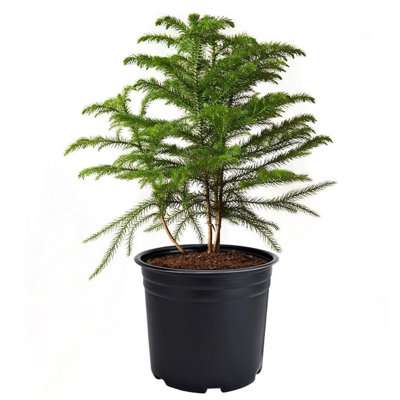
Introduce a touch of elegance and natural beauty to your home with the Norfolk Pine (Araucaria heterophylla), a stunning evergreen tree that is both versatile and easy to care for. Known for its symmetrical shape and lush, soft needles, this plant is perfect for creating a serene and inviting atmosphere in your living room, office, or even as a decorative piece during the holiday season. The Norfolk Pine’s graceful appearance makes it a beloved choice for both indoor and outdoor settings, adding a year-round charm to any environment. Caring for the Norfolk Pine is straightforward, making it an excellent option for both novice and experienced plant enthusiasts. This hardy tree thrives in bright, indirect light but can also tolerate low-light conditions, making it adaptable to various indoor spaces. It prefers temperatures between 65°F to 75°F (18°C to 24°C) and requires consistent moisture—water when the top inch of soil is dry, ensuring proper drainage to prevent root rot. The Norfolk Pine is also known for its air-purifying properties, helping to improve indoor air quality while enhancing the aesthetic of your space. While primarily an indoor plant, the Norfolk Pine can also thrive outdoors in USDA Hardiness Zones 9-11, making it suitable for warm climates. When planted outside, ensure it is protected from frost and cold temperatures, ideally keeping it above 25°F (-4°C). This low-maintenance tree can adapt well to indoor environments and is perfect for creating a lush, tropical feel in your home. Whether you’re looking to enhance your décor, create a festive ambiance, or gift a loved one, the Norfolk Pine is a timeless and versatile choice that brings beauty and tranquility to any setting.
Beautiful! I have a 6 month old puppy that wanted to eat all of my plants. I started looking at how many of my plants caused digestive issues for animals or are toxic. I had to give away almost all of my plants. So I bought this and hoped it would be nice. It is Beautiful!! If you like pine trees this is your best purchase for inside your home. You’ll love it!. Traci. Buffalo, NY. Wed Apr 16 2025
By Wekiva Foliage LLC
FREE Delivery
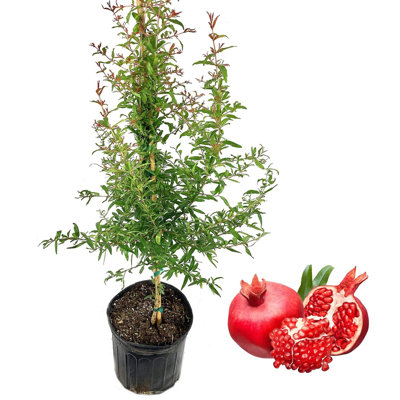
Once considered a fruit for royalty, the pomegranate is a delicious addition to your backyard orchard or edible landscaping. Its beautiful, showy, red-orange flowers become decorative fruit in the fall. Best known for the antioxidant-rich fruit it produces, the pomegranate shrub is widely grown throughout the Mediterranean region. Its tubular blooms begin to appear in late May and early June, providing nice spring color, while the fruit ripens from September to October. The fruit is a bit unusual, as the only edible parts are the jewel-like arils and seeds found inside. The pomegranate fruit is a leathery skinned red sphere known as an aril. The thick aril contains several hundred juicy red edible fruits that are similar to berries. They are known for their antioxidant properties and many associated health benefits. The pomegranate tree will adapt to either acidic or alkaline soil, though it prefers something in the range of 5 to 7 pH. Add plenty of organic well-rotted compost to your soil, as this will both improve drainage and also improve the quality of the soil, providing much-needed nutrients to the pomegranate tree. The pomegranate tree is drougt tolerant and can be grown in a dry area and in areas where there is good rainfail. It is best not to plant in wet areas as they are prone to root decay for fungal diseases. They also tolerate dipping temperatuares down to about 10 degrees but should be planted in an area of protection from direct winter winds.

By Wekiva Foliage LLC
FREE Delivery
The Sugarberry Tree, also known as Celtis Laevigata, is a versatile and hardy deciduous tree native to North America. Renowned for its rapid growth and adaptability, this tree can reach heights of 50 to 70 feet, making it an excellent choice for providing ample shade in large landscapes or urban settings. Enhance your landscape with the Sugarberry Tree, a fast-growing, low-maintenance, and wildlife-friendly tree that provides beauty and shade year-round.

By Wekiva Foliage LLC
FREE Delivery
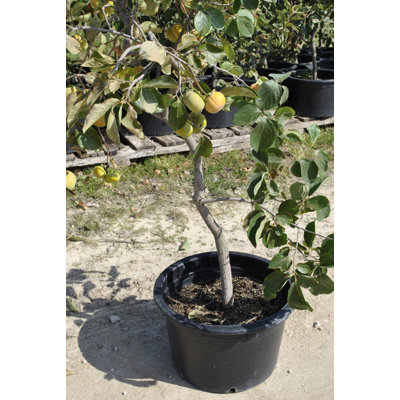
Enhance your garden with the robust and easy-to-care-for Persimmon Tree (Diospyros virginiana). This native tree is well-known for its adaptability and resilience, making it an excellent choice for both beginner and experienced gardeners. With its attractive foliage and seasonal interest, this persimmon plant is a valuable addition to any edible garden landscape. Requires minimal care once established, making it perfect for gardeners of all skill levels. Attracts beneficial wildlife, contributing to a healthy and balanced ecosystem in your garden.

3 Sizes
By Wekiva Foliage LLC
40" H x 10" W x 10" D
FREE Delivery
This plant is as tough as its name! Excellent for those difficult-to-fill areas in deep shade, spreading gently by underground stems. A nearly fuss-free, lush, leafy evergreen that will tolerate a range of growing conditions including heat, aridity and dry shade. Unfortunately we're unable to ship to California and Arizona. For a gardener with a brown thumb, this sturdy, long lasting plant can be used in areas where all else fails; it is always green, and can handle deep shade under deck stairs or along foundations that receive almost no sunlight. Thrives in organically rich, well-drained soil, sited in bright shade; tolerates deep shade well. In containers, use a high quality, organic potting mix. Water deeply, regularly in first growing season to establish root system; once established, reduce frequency. Feed with a general-purpose fertilizer in spring. Native to the Osumi Islands of Japan, it inhabits forest floors and receives its common name of Cast Iron Plant due to its ability to survive under dark and neglectful conditions. New species of this plant are currently being discovered throughout East Asia. No serious insect or disease problems. Watch for mites and scale. Overwatering may cause root rot. Direct sun will bleach leaves.

By Wekiva Foliage LLC
FREE Delivery
This unique tree from Queensland, Australia makes an interesting container plant or a stately specimen in areas where it can be planted in the ground. When planted outside in warm zones, the truck remains straight with thin palmate leaves, and over many years it swells into the shape of a bottle. Australian Bottle Tree is a resilient plant tolerating dry conditions and a cramped root system. The older leaves fall in the spring as the new growth starts. A generally small tree with a trunk that is typically swollen at the base. Grows up to 60 feet in the wild. Leaves are narrowly dissected (finger-like). As a drought-deciduous succulent tree, B. rupestris adapts readily to cultivation and is tolerant of a range of soils and temperatures. Bottle trees are commonly found planted in streets and parks, on farms, and as features in gardens.

2 Sizes
By Wekiva Foliage LLC
25" H x 6" W x 6" D
FREE Delivery
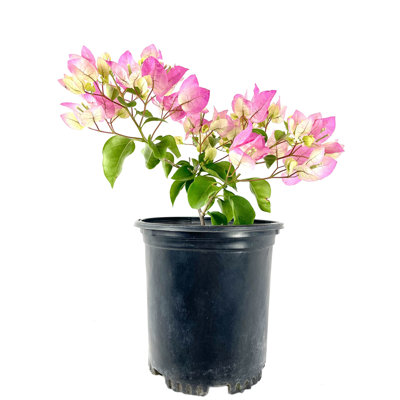
Bougainvilleas are beautiful vine-like shrubs that come in a variety of vibrant colors and make for a stunning statement in any home or garden. They prefer mild winter areas and can grow against a fence, building, on a trellis, in containers or as a hedge. Bougainvilleas love the heat! They require at least six hours of full sunlight a day and can handle even the hottest of summers. If you want your plant to produce an abundance of flowers, make sure its sitting in direct sunlight. Oftentimes when bougainvilleas struggle to bloom, its because they arent receiving enough light, which will cause the plant to look thin and sparse. Potted bougainvilleas require regular watering. During the hot months, you can expect to water your plant at least once a week. If temperatures reach over 100 degrees Fahrenheit, consider watering your flowers twice a week to ensure theyre well hydrated. During the winter months, youll only need to water them every 2-3 weeks. Bougainvilleas are considered tropical plants and prefer to grow in warmer climates. That being said, established vines can withstand colder temperatures in the winter months. However, bougainvilleas thrive in hardiness zones 9 and above, so if temperatures drop below 30 degrees, we recommend bringing your potted plant inside. With proper care, bougainvilleas are known to last year-round when planted outdoors. They thrive in the heat and can withstand colder temperatures just be sure to bring the plant inside if temperatures reach below 30 degrees to ensure year-round growth.

4 Sizes
By Wekiva Foliage LLC
1
FREE Delivery
The Grande Dame Rose Bush is a show-stopping hybrid tea rose that brings elegance and fragrance to any landscape. This stunning variety is known for its large, old-fashioned blooms in a deep, romantic pink that commands attention. Each flower is densely petaled, often reaching up to five inches in diameter, and exudes a rich, classic rose scent that enhances outdoor spaces. The blooms are held on long, sturdy stems, making them excellent for cutting and floral arrangements. This vigorous rose bush grows upright with a well-branched habit, typically reaching heights of four to six feet with a spread of three to four feet. Its lush, dark green foliage provides a striking contrast to the vibrant blooms, offering a refined, polished look in garden beds or along walkways. The plant thrives in well-draining soil and enjoys a location with full sunlight to encourage abundant flowering. Grande Dame is a repeat bloomer, producing waves of blossoms throughout the growing season. With proper care, it provides continuous beauty from late spring through fall. Whether used as a focal point in a garden, planted in borders, or grown in large containers, this rose bush offers a timeless charm that enhances any outdoor setting. Ideal for gardeners of all experience levels, this variety is as rewarding as it is breathtaking.

By Encore Azalea
Rated 5 out of 5 stars.2 total votes
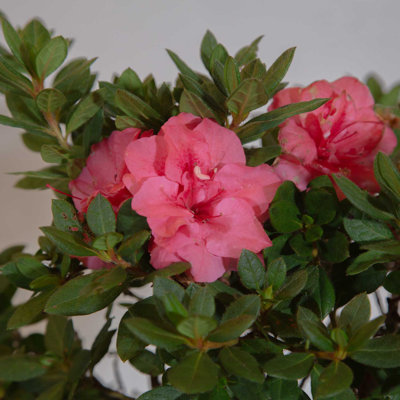
Autumn Rouge Encore Azalea offers vibrant year-round color to any garden. The original Encore Azalea, Autumn Rouge sports dark lustrous foliage that accentuates its beautiful semi-double, magenta pink flower. Unlike many traditional azaleas, Encore azaleas bloom best in full sun, so choose an area of your yard where they can receive at least 4-6 hours of sunlight. Autumn Rouge works well in foundation plantings or as a low growing hedge. Be sure to plant your Encore Azaleas in acidic to slightly acidic soil to maximize your bloom yield. Fertilize in the spring with a balanced fertilizer after the threat of the last frost has dissipated and feed once more in the summer to help you Encore bloom through fall. Encore Azalea is the world's best-selling multi-season blooming azalea. In many areas of the country, Encore Azalea bloom during 3 seasons of the year-spring, summer, and fall. And, for areas of the country where azaleas don't traditionally thrive, such as those in USDA hardiness Zone 6 and 7, you will see a spring or summer bloom, but not a fall bloom before your temperatures drop.
A beautiful color. Anonymous. Mon Jun 17 2024

By Plants by Mail
Rated 5 out of 5 stars.2 total votes
Blue Point Juniper (Juniperus chinensis 'Blue Point') is a versatile evergreen shrub or small tree that can bring a touch of elegance and structure to your landscape. This juniper variety is known for its dense, upright growth habit and striking blue-green foliage. It offers several compelling reasons to consider incorporating it into your landscape design. One of the main reasons to choose Blue Point Juniper for your landscape is its year-round visual appeal. The dense, columnar form of this juniper adds a strong vertical element, making it suitable for creating privacy screens, hedges, or focal points in the garden. The blue-green foliage retains its color throughout the year, providing a reliable backdrop for other plants and bringing a sense of stability and structure to the landscape, even during winter. Blue Point Juniper is highly adaptable and can thrive in various soil types and growing conditions. It is drought-tolerant once established, making it a great choice for water-wise landscapes. This juniper variety is also known for its resistance to deer and many common pests, making it a low-maintenance option for gardens where these issues are a concern. Caring for Blue Point Juniper is relatively simple. It thrives in full sun, requiring at least 6 hours of direct sunlight per day for optimal growth and color development. Ensure the soil is well-drained to prevent waterlogging, which can lead to root rot. Once established, Blue Point Juniper has good drought tolerance, but regular watering during dry spells will help maintain its vigor and overall health. Pruning requirements for Blue Point Juniper trees are minimal. You can lightly trim the shrub in early spring to shape and maintain its desired size. Avoid heavy pruning, as it may affect the natural form of the plant. The compact nature of this juniper tree variety also means it rarely requires shearing to maintain its shape. Fertilization is generally not necessary for Blue Point Juniper. However, if desired, you can apply a slow-release, balanced fertilizer in spring to provide additional nutrients. Follow the manufacturer's instructions for application rates and methods.
This is really cute! Its giving me variety, I want to say they get 10 ft tallish. Very healthy!. Victoria Lee. Wed Apr 12 2023

By Plants by Mail
Rated 4.8 out of 5 stars.5 total votes
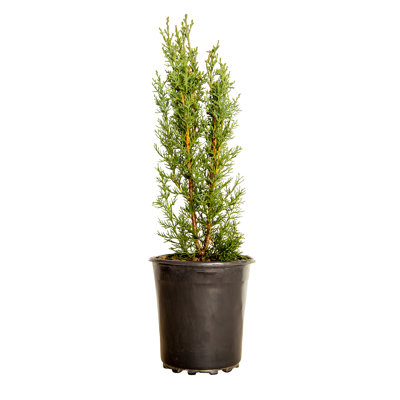
The Italian cypress is guaranteed to bring your landscape to new heights of sophistication! Unlike most other cypresses, this type grows in a straight, upright column. Meanwhile, it features dark evergreen foliage that grows remarkably dense. The tall habit is perfect for a privacy screen. Although not as fast-growing as green giant arborvitae or Leyland cypress, this tree still grows 2-3 feet yearly in favorable conditions. Italian cypress is ideal for adding a stately appearance to your home. Columnar foliage tapers to a point at the top, creating a spear-like tip. Whether planted in a row or individually, you'll be surprised at the elegant Mediterranean flair they add to the landscape. Left untrimmed, this cypress will reach 30-40' H x 5' W. Therefore, leave some vertical space for it to grow. Alternatively, you can prune them to your desired height. There are numerous ways to use this classic selection. Line a long driveway, frame your home, add some interest next to a wall, or even use it in a planter! It won't let you down. This cypress features impressive frost-damage resistance as well.
My Italian Cypress trees are healthy and vibrant! They were packed very well and I planted them already, can't wait for them to grow.. James. Memphis, TN. Wed Apr 05 2023

By Encore Azalea
Rated 4.5 out of 5 stars.34 total votes
The Encore Azalea Autumn Twist is a stunning and versatile addition to any garden that effortlessly blends the beauty of traditional azaleas with the modern appeal of repeat blooming. This evergreen azalea shrub boasts an impressive array of features that make it a must-have for garden enthusiasts seeking year-round color and easy maintenance. The Autumn Twist Encore Azalea is characterized by its lush, dark green foliage, providing a vibrant backdrop for its unique, bi-colored blooms. These exquisite flowers showcase a captivating combination of white and vivid purple stripes, creating a visual masterpiece that stands out in any landscape. With a compact and mounded growth habit, this azalea reaches a mature height and width of 4 feet, making it an ideal choice for borders, hedges, or container gardening. What truly sets the Encore Azalea Autumn Twist apart is its ability to bloom not once, but up to three times per year—first in spring, then again in late summer, and again in fall. This extended flowering season ensures a constant display of color, infusing your outdoor space with vitality and charm when many other plants have finished their show. The Autumn Twist Azalea is perfect for those who desire a low-maintenance yet visually striking garden, as it requires minimal pruning to maintain its tidy form. Recommended uses for the Encore Azalea Autumn Twist are diverse, ranging from foundation plantings to accentuating mixed borders. Placing it near outdoor living spaces, such as patios or decks, allows you to enjoy the blossoms up close and revel in the fragrant, captivating scent that accompanies them. Additionally, its versatility extends to container gardening, allowing you to bring the beauty of Encore Azaleas to balconies or smaller spaces. What makes Encore Azaleas truly special is their adaptability to various climates and soil conditions. These hardy plants thrive in acidic, well-drained soils and are well-suited for both sunny and partially shaded locations. This versatility, combined with their repeat blooming feature, makes them an excellent choice for gardeners seeking reliable and vibrant color throughout the year. Caring for the Encore Azalea Autumn Twist is refreshingly simple. Regular watering is essential, particularly during dry spells, and a layer of mulch helps retain moisture and regulate soil temperature. Applying an acid-based fertilizer in spring and late summer supports healthy growth and abundant blooms. Pruning is minimal, typically limited to shaping and removing dead wood after the spring bloom. Planting the Autumn Twist is a breeze; simply choose a well-drained location, dig a hole twice the width of the root ball, and backfill with soil, ensuring the top of the root ball is level with the ground surface.
Arrived on time. Well packaged. Flower is beautiful.. Tina. US. Sat Mar 30 2024

The Dwarf Burford Holly is a compact evergreen shrub that packs a punch of year-round beauty and structure into your landscape. This versatile holly variety is celebrated for its glossy, dark green foliage and abundant clusters of bright red berries. With a dense and mounding growth habit, the Dwarf Burford Holly is a perfect choice for small gardens, borders, or container plantings. Not only does it provide a classic and polished look, but it also attracts birds, adding a touch of wildlife to your outdoor space. Elevate your garden with the timeless charm and low-maintenance allure of the Dwarf Burford Holly. When planting this Holly shrub, dig the hole twice as wide as the pot and mix rich garden soil with your native soil. Then, leave the top of the root ball 1/2 in. above the ground level when filling the hole with soil. Use a slow-release granular fertilizer in Spring.

By Plants by Mail
Rated 5 out of 5 stars.3 total votes
The Thuja Emerald Green Arborvitae is a classic and versatile evergreen shrub that brings timeless beauty and privacy to your landscape. This exceptional arborvitae variety, scientifically known as Thuja occidentalis 'Emerald Green,' is celebrated for its dense, vibrant foliage and columnar growth habit. Emerald Green Arborvitae is an ideal choice for creating privacy screens, hedges, or as a focal point in your garden. With its tolerance to a variety of soil types and its resistance to deer, pollution, and pests, this arborvitae is a reliable and low-maintenance addition to gardens of all sizes. Elevate your outdoor space with the enduring charm and beauty of Thuja Emerald Green Arborvitae. When planting Emerald Green Thujas, dig the hole twice as wide as the pot and mix rich garden soil in with your native soil, then leave the top of the root ball 0.5" above the ground level when filling the hole with soil. Once established, they'll require little to no maintenance and will grow in a consistent symmetrical shape. Emerald Green Arborvitaes are suitable for use in USDA zones 4 through 8. Plant in full sun to part shade for best results.
It was quite dry before I put it in the ground, so I do recommend you get it out of the box in Quickly. .. Paul. Bronx, NY. Thu Jul 24 2025