The Ultimate Guide to Designing an Outdoor Kitchen
Everything you need to know to plan the ultimate outdoor kitchen.
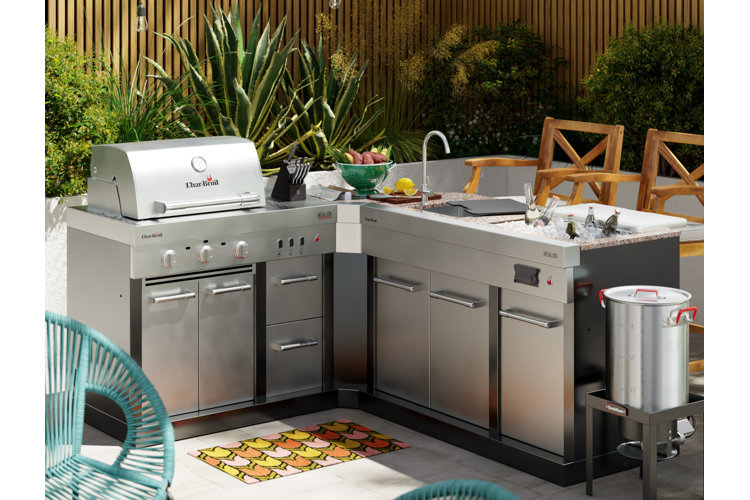
An outdoor kitchen, equipped with food and drink prep areas, cooking appliances, and storage, can transform your patio or outdoor space into the ultimate outdoor entertainment experience. With an outdoor kitchen setup, you and your guests can prepare and enjoy meals and drinks without having to go inside. In this guide, we walk you through designing an outdoor kitchen so you can get started planning your own ultimate outdoor kitchen.
In This Guide
Planning Your Outdoor Kitchen
Designing an Outdoor Kitchen
Outdoor Kitchen Counter Components
Outdoor Kitchen Appliances
Outdoor Kitchen Materials
Outdoor Furniture
Outdoor Lighting
Planning Your Outdoor Kitchen
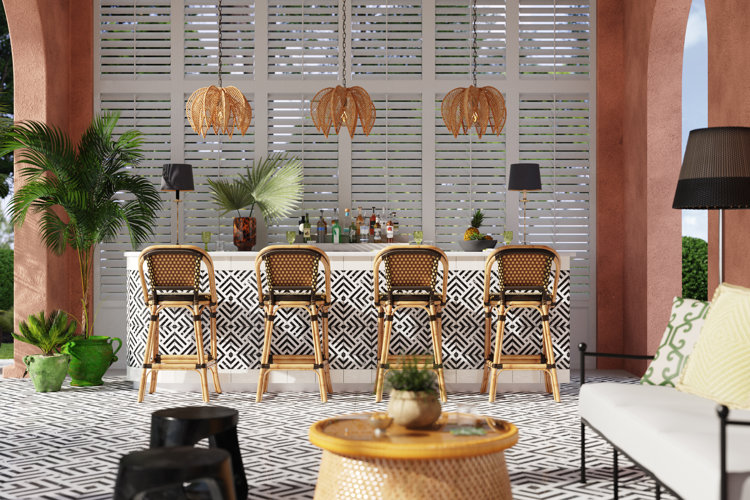
Planning is the first step to success! Review these steps to determine the best location, as well as budgeting needs and additional considerations about water and power sources.
1. Determine the Location
Before designing an outdoor kitchen, you need to decide where you'd like to build it. You can either place it close to your house, on an existing patio or along your home's exterior walls, or farther from your home for a more intimate, immersive experience. We've laid out some of the parameters for deciding where to place your outdoor kitchen below.
Close to the House: The obvious perk is having quick access to indoor amenities (helpful if you want to avoid installing too many appliances outdoors). You can also share walls of your home to easily install appliances and connect fuel lines.
Away from the House: On the other hand, placing your outdoor kitchen away from the house creates a separate entertaining area in your yard giving you flexibility with design and endless opportunities for styles and ambiance.
2. Determine Your Project Scope and Budget
Make a list of the features you'd like to install in your outdoor space. Of the outdoor kitchen components listed below, decide which are important for your outdoor kitchen.
- Built-in or freestanding grills
- Food prep and bar sinks
- Refrigerators
- Countertop modules and islands
- Flooring
- Storage components
- Waste receptacles
- Bars, bar tables, and bar stools
- Dining tables and chairs
- Shade structures
- Lighting and decor
3. Determine the Use of Utilities
Make note of the utility lines you have and which ones you may need. Be sure to factor installation costs into your budget estimate. If you'd like your outdoor kitchen to have running water, you'll need to ensure that the proper plumbing lines are installed. The same is true for gas- or electric-powered appliances – if you don't have the proper fuel lines, you will need to have them installed. If you live in a colder climate and can only use your outdoor kitchen a few months out of the year, you'll need to think about winterization and insulation, or consider outfitting your outdoor kitchen with just the essentials.
Designing Your Outdoor Kitchen
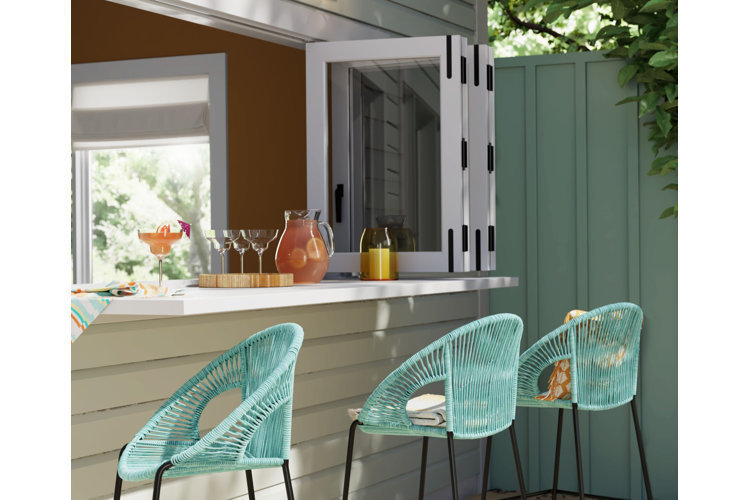
Once you've outlined your budget and project scope, it's time to design! Designing an outdoor kitchen can be a complicated, highly technical process that must take plumbing, fuel lines, electrical wiring, proper construction, and fire safety into account. To ensure that your outdoor kitchen will have a safe and successful design, we recommend hiring a contractor.
Learn all about what contractors do and how to hire a contractor for a home renovation project by checking out our guide, What Does a Contractor Do?
1. Measure Your Space
Using a tape measure, measure the length and width of the space you're planning to use for your outdoor kitchen. If you're planning a big outdoor remodel, you can use tape to help you section off areas for dining, entertaining, and cooking.
2. Make a Blueprint of Your Space
On paper or in an online space planner, make a blueprint of the space available using the measurements you've taken. This will help you visualize where and how the kitchen components you want will fit into the space. Once you've drawn up an outline, it's time to start positioning your outdoor kitchen features.
3. Lay Your Kitchen Foundation Essentials
- Outline where you'd like your outdoor kitchen furniture and accessories to go as a guideline for when you shop later on. Start with the basics: flooring, countertops, and any built-in features and appliances.
- Many outdoor countertop units come with built-in grills, sinks, storage, and other features. You can also make cutouts in outdoor kitchen islands or modules for appliances, so it's a good idea to start by blocking out space for those units.
Skip to this section to read about the two types of outdoor kitchen countertop units available.
- Keep utility lines in mind. Whether you're connecting them to your existing systems or installing new ones, your outdoor appliances will need access to fuel or power lines. Also note that grills and refrigerators should not be directly beside, above, or below each other.
4. Pick Out Secondary Outdoor Kitchen Features
With the essentials in place, you can start placing additional features such as grill, sinks, and outdoor refrigerators in the remaining space. Again, we recommend working with a contractor to ensure that the units you are buying are up to code and will fit properly in your space.
Skip here to learn more about these features.
Outdoor Kitchen Counter Components
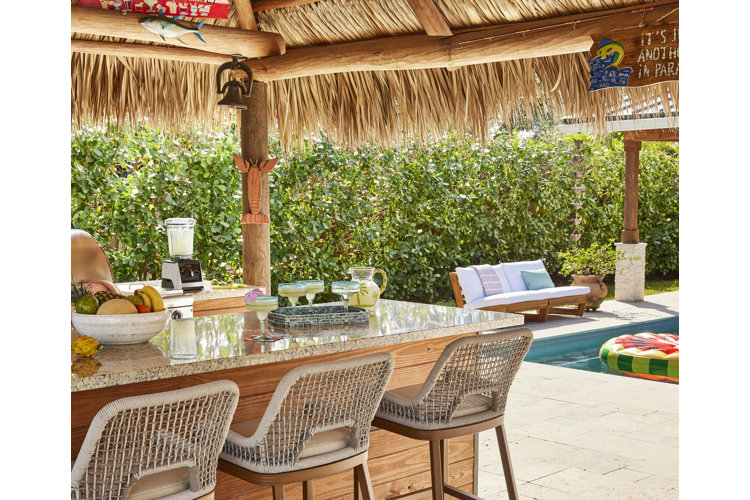
When it comes to creating an outdoor kitchen, no space is complete without a countertop. You can incorporate an outdoor kitchen island, a kitchen module, or both to increase your prep area and casual dining space. Keep reading to explore both of these options.
Outdoor Kitchen Islands
Kitchen islands are one of the most common outdoor kitchen components, and can be outfitted with different features depending on your needs. The simplest kitchen islands are equipped with cabinet or drawer storage below a broad countertop with a built-in grill. If you're interested in additional features, you can find outdoor kitchen islands with built-in sinks, refrigerators, stove top side burners, bar centers, and lights.
Outdoor kitchen islands are compact and easy to position adjacent to a dining area or bar. When choosing an outdoor kitchen island, you do have some freedom with the shape – though standard outdoor kitchen islands are rectangular, they are also available in an L-shaped design.
Outdoor kitchen islands come in a range of countertop materials and finishes, so you'll surely be able to find one that matches the rest of your outdoor furniture. Because many outdoor kitchen features are built into the unit, installing an outdoor kitchen island saves you from more meticulous space planning.
Outdoor Kitchen Modules
If you're willing to take on a bigger project to construct your ultimate outdoor kitchen, think about putting together your own configuration using outdoor kitchen modules. Modular outdoor kitchens allow you much more freedom when designing your outdoor kitchen layout, and are optimal if you plan on keeping a busy kitchen. They are larger, so they will require more space, be tougher to install, and most likely cost more, but they can create a one-of-a-kind, immersive outdoor cooking experience that simple outdoor islands can't.
Like simple kitchen islands, these modules can be equipped with a variety of outdoor kitchen features. There are simple cabinet modules with no built-in features, as well as modules with kitchen components like sinks and grill slots. These units tend to have more storage space available below and overhead, though overhead storage will need to be installed against an existing wall.
Outdoor kitchen modules often don't include built-in grills; instead, they have cutouts in which grills can be placed. You can purchase separate grill tops for these modules, but be sure to mount them on insulated grill jackets (if the grill doesn't come with one) to prevent fires.
Make sure to choose appliances that are meant specifically for outdoor use! Here are some suggestions for appliances that will help complete your outdoor kitchen.
Grills: Available in charcoal and gas fuel types, grills are the essential outdoor cooking appliance. Freestanding grills are the easiest to place in your outdoor kitchen, while built-in grills are meant to fit snugly into outdoor kitchen islands or countertops. Be sure to purchase grill covers to protect your grill when it's not in use.
Tip!
Remember, if you are installing a built-in grill into an outdoor kitchen countertop, you need to mount it correctly and safely. Reference our guide to grill types and our grill size and configuration guide for more information on how to choose and position a grill for your outdoor kitchen. And don't forget grill accessories!
Side Burners: IInstalled in outdoor countertops beside the grill, side burners allow you to cook just like you would on a normal stove top. These add more cooking functionality to your outdoor kitchen – you can't boil water for pasta or make a fried egg on a grill, but you can on a side burner.
Sinks: An outdoor sink provides easy access to water for cleaning and cooking, which will help you avoid tedious trips inside. Large outdoor sinks are great if you want to be able to wash dishes or rinse ingredients in your outdoor kitchen, while smaller bar centers are perfect for refreshment stations.
Refrigerators: Keep drinks, condiments, and side dishes nearby and out of the sun by installing a mini outdoor fridge in your outdoor kitchen setup.
Additional Appliances: Increase the culinary potential of your outdoor kitchen by installing a smoker or outdoor wood-burning pizza oven. These outdoor entertaining staples are perfect for adding atmosphere and personality to your outdoor kitchen.
Durable materials will help ensure that your outdoor kitchen stands up to the elements and lasts for years to come. Here's a list of suitable flooring and countertop options for an outdoor kitchen.
Outdoor Flooring Options
Tile: Available in a wide range of durable, organic materials including natural stone, ceramic, cement, slate, and limestone, tile is one of the most common outdoor flooring options. You may need to hire a professional to install outdoor tile for your outdoor kitchen.
Deck Tiles & Planks: Made of wood, vinyl, stone, or composite materials, outdoor deck planks are sleeker and cleaner in appearance than outdoor tiles. Many deck planks interlock for easy DIY installation.
Pavers & Cobblestones: Classically beautiful pavers and cobblestones are perfect for filling in a pathway from your porch to your backyard kitchen. Made from natural materials, pavers and cobblestones can provide your outdoor kitchen with the authentic look and feel of the great outdoors.
Outdoor Countertop Materials
Granite: Ideal for countertops, tough, durable granite is attractive and easy to clean. Opt for lighter colors on your countertop, as darker stones will absorb heat from the sun and can burn you.
Stainless Steel: Water-resistant, easy to clean, and highly durable, stainless steel is a popular choice for outdoor countertops and the walls around kitchen components.
Once you've decided on outdoor kitchen appliances and materials, it's time to pick out furniture fit for alfresco dining. Select an outdoor dining table and chair set that fits your space and the average number of people you plan to host at a time. Have a countertop? Grab bar stools or set up an entire outdoor bar area that overlooks the cooking space. Choose the best furniture for your outdoor kitchen with the help of our Outdoor Furniture Materials Guide and our guide on How to Choose the Best Outdoor Furniture.
Your outdoor kitchen wouldn't be complete without functional lights and accent lighting. Utilize outdoor lamps, lanterns, ceiling fixtures, and wall lights to illuminate your cooking space for evening barbecues. Hang up string lights above your outdoor dining space to create cozy mood lighting. Read our outdoor lighting guide for an in-depth look at all the different outdoor lighting options.
