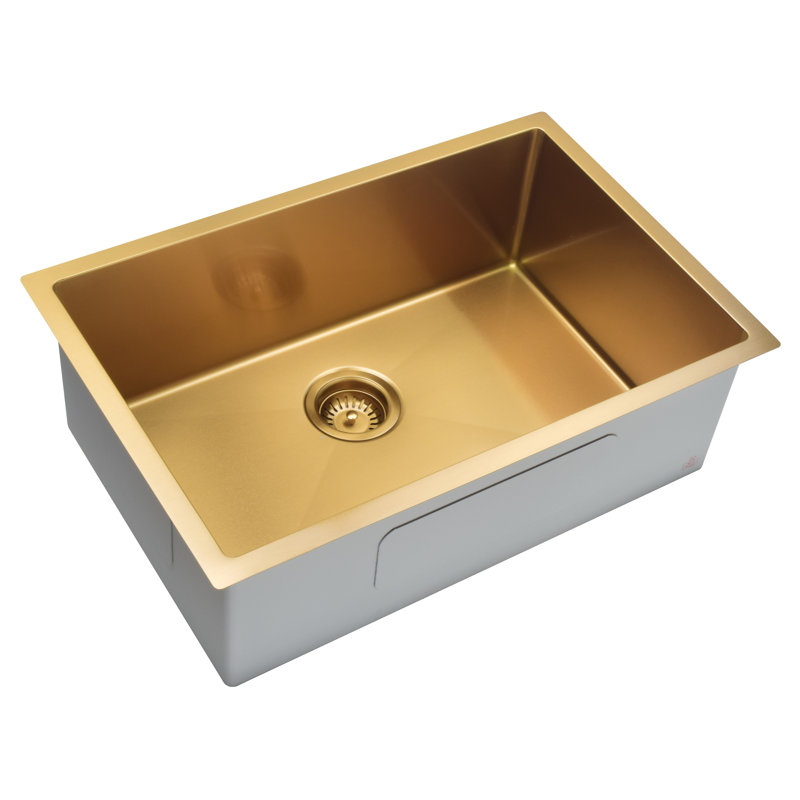
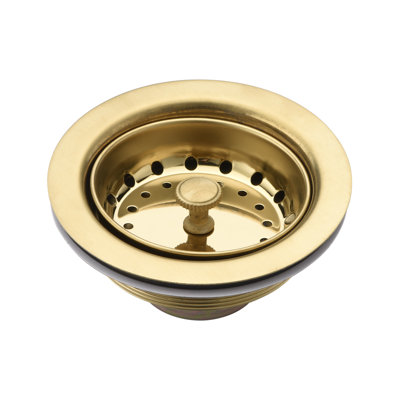
A PVD kitchen sink uses Physical Vapor Deposition, a nanotechnology process that applies a thin, durable, and decorative layer of metal or ceramic to a stainless steel surface. This PVD coating gives the sink unique colors, enhanced physical properties like increased hardness and scratch resistance, and better corrosion resistance, while also being an eco-friendly process.
What PVD does for a sink
Aesthetics: PVD finishes create eye-catching and sophisticated colors, such as gunmetal, gold, and copper, offering a signature look for a kitchen.
Durability: The coating significantly increases the surface hardness, making the sink more resistant to scratches, abrasions, and general wear and tear.
Corrosion Resistance: PVD finishes provide excellent resistance to corrosion, salts, acids, and aggressive detergents commonly found in a kitchen environment.
Easy to Clean: The smooth, non-porous surface is easier to clean and maintain, and is resistant to fingerprints and smudges.
Environmentally Friendly: The process is considered green because it doesn't release harmful by-products into the environment.
How the PVD process works
Evaporation: In a vacuum chamber, a material like chromium, titanium, or vanadium is heated until it vaporizes into a gas.
Ionization: Some of the vaporized material atoms become ionized.
Deposition: The ionized vapor is then accelerated towards the sink's surface via an electric field, where it deposits as a thin, high-performance layer, bonding with the stainless steel.
Benefits of PVD sinks
Increased Strength: The coating reinforces the stainless steel, making it more robust.
Longevity: The enhanced durability and resistance mean the sink will last longer.
Design Flexibility: PVD opens up new possibilities for kitchen design, allowing sinks to be coordinated with other elements for a cohesive look.