Dishwasher Buying Guide
Use this guide to understand the different types and features before you purchase a new dishwasher.
Types of Dishwashers
Before purchasing a dishwasher, make sure you check this guide to understand the major types and common features you'll find. Making the right choice for a dishwasher will not only save you time, but can also lower your energy bills.
Beside the standard built-in dishwasher there are extra-large and compact models to accommodate different needs, and even portable dishwashers for temporary spaces. When it comes to extra features pay attention to the noise level, water temperature, cycles, and much more to get the most from your budget.
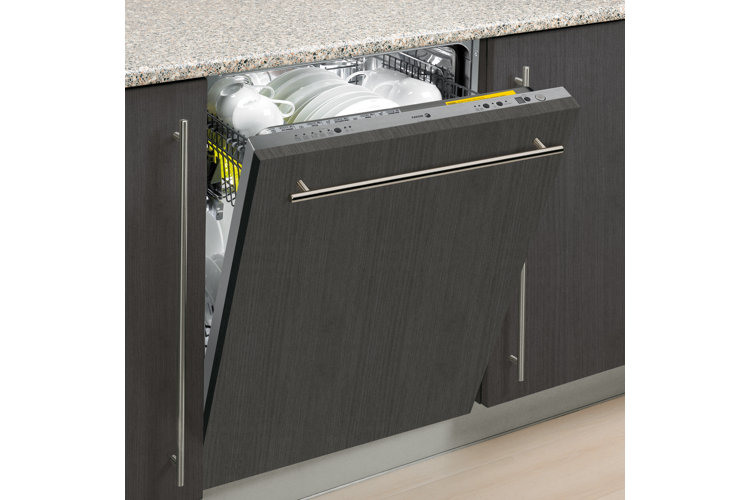
Built-in dishwashers: Installed beneath the kitchen counter,the most common built-in dishwasher size is 24 inches wide.
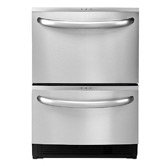
Double-drawer dishwashers: Offering the flexibility to run a large or small load of dishes, double-drawer dishwashers allow you to run a load without waiting to fill the entire washer. Similar to traditional built-in models, these can also be installed in a built-in space.
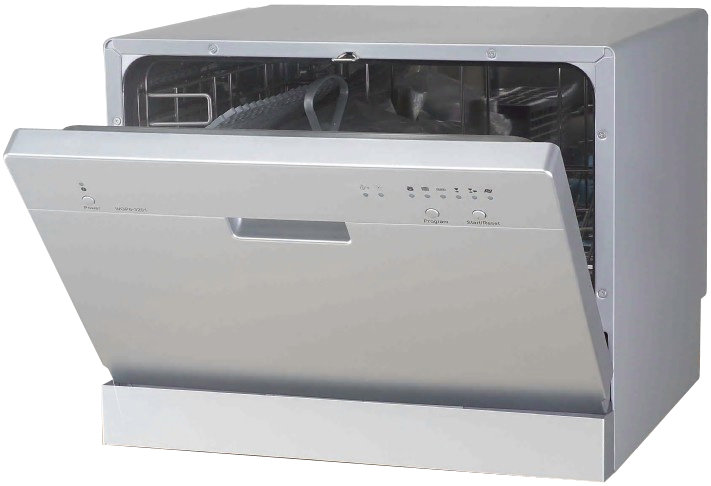
Compact dishwashers: Ideal for smaller loads of dishes or glassware, these styles are commonly found in smaller apartments, a home wet bar, or a game room.
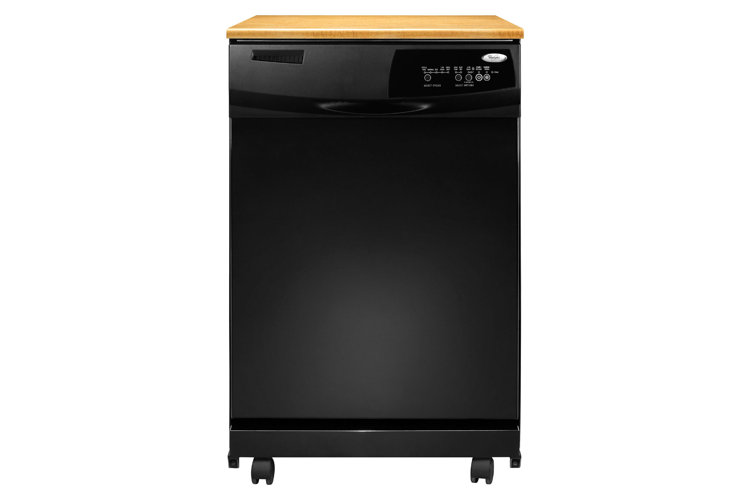
Portable dishwashers: These do not require professional installation into a built-in space and are convenient for small or temporary living spaces.
Dishwasher Features
Noise Level: The decibel level is a standard measurement that rates the intensity of sound, an important thing to consider while shopping for a dishwasher. A decibel level of 41 to 52 is virtually silent, while a decibel level of 60 could disrupt conversation in the kitchen. Quieter dishwashers are normally more expensive. The amount of insulation around the dishwasher tub will also help to reduce the noise, so make sure to check the thickness of the insulation.
Water Temperature: The key to getting dishes squeaky clean is using very hot water. Some dishwashers are equipped with a mechanism to raise the temperature of the water coming out of your home water heater.
Cycles: Make sure the dishwasher offers a variety of cycles to meet your cleaning needs. Some dishwashers feature cycles for almost any material, from pots and pans to delicate china and glassware. A quick-wash cycle can clean dishes in 30 minutes. A rinse and hold cycle will prevent build-up if you only run your dishwasher every couple of days.
Cleanliness: A self-cleaning system uses a three-step filtration process to remove even the finest food particles. This allows for cleaner wash water with sparkling results each time you clean your dishes.
Rack Flexibility: Make sure the rack system allows you to load dishes easily and in various configurations. Some models feature fold-down shelving for greater flexibility and an additional thin top drawer for cutlery.
Tub Material: The interior tub of a dishwasher is available in different finishes. Stainless steel will resists rusting and other stains and transfers heat better, which means faster drying time. Plastic tubs, which are often found on more affordable dishwashers, will be durable but can stain more easily. To minimize the appearance of stains, look for a gray-colored tub no matter what the material.
Tip!
Look for an ENERGY STAR® qualified dishwasher, they use less water and energy and can save you money on monthly bills!
