Generator Buying Guide
Before making a purchase, discover which type of generator is right for your needs.
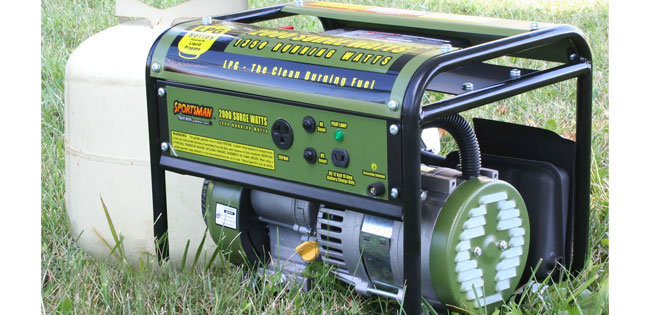
Losing power in your home is extremely annoying at best—at worst, it’s potentially life-threatening. Replacing once-refrigerated food wastes time and money, handling extreme external temperatures can be dangerous without heating or cooling, and if you or a family member uses electronic medical equipment, having a backup source of power is essential.
Electric generators provide power in emergency situations, such as storms or faulty power lines. They ensure that you will not lose power for the electronics that you have equipped. Once you have decided to protect your home with a generator, next you need to choose the type, wattage, and price point. Here, we simplify the process and show you how to purchase the generator that's right for your home.
Getting Started
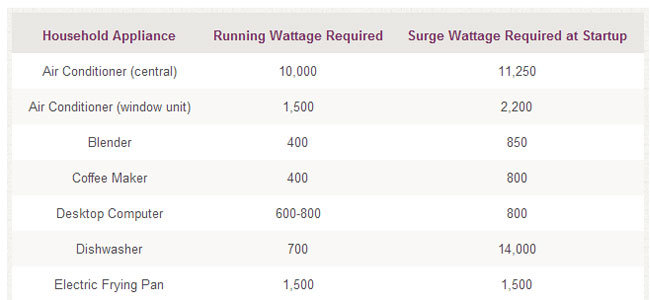
When purchasing a generator, the biggest consideration is how much wattage you will need. Make a list of the items you need or want to power, and then calculate the total wattage needed to power all of those items. Below is a short list of common household appliances and their required wattage; for the full list, read our Generator Wattage Guide.
Once you've determined the wattage you need, consider generator types, sizes, and power capacities, which can vary greatly. Below, we outline and compare different types of generators.
Basic Types of Generators
1
PORTABLE GENERATORS
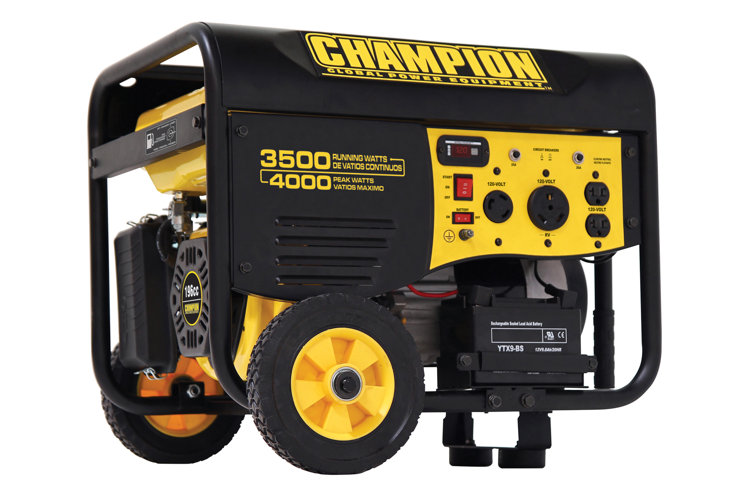
Portable generators are mostly used as back-up during emergencies, to power homes in remote areas, or for recreational activities, such as boating or camping.
You can plug appliances and tools directly into the generator, which includes power outlets like the ones found in your home.
- Although they are occasionally fueled by liquid propane, portable generators are usually fueled by gasoline, and the tank size will determine how long it can run without needing a refill.
- A 1,000-watt portable generator should meet most recreational needs, while up to 8,000 watts may be necessary for power tool jobs.
- Small, light portable generators can be carried, but larger models will need a wheeled frame to move it out of the garage or shed.
- Prices generally range from $100 to $5,000.
TIP! If noise is a concern, look for a generator that has special features, such as large mufflers.
2
STANDBY GENERATORS
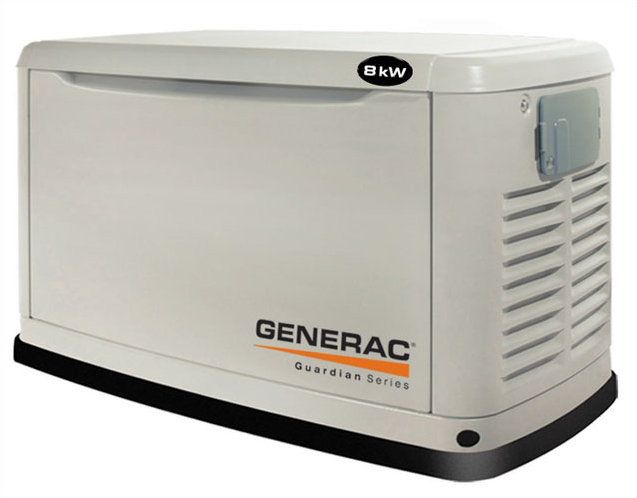
A standby generator is fully-enclosed, varies in size, and is permanently installed outside your home or building.
It is wired directly into the electrical systems to power some or all of your circuits during a power outage. Depending on the model, they may kick in automatically and stop when the power comes back on.
- They are fueled by liquid propane or natural gas.
- Usually require professional installation with a permit. Both air-cooled and liquid-cooled models are available.
- Generally liquid-cooled models are larger and more powerful.
- Residential generators usually create 5,000 to 25,000 watts of power.
- Prices for residential generators generally range from $2,000 to $20,000.
TIP! With a standby generator, you will need to purchase a transfer switch to safely power the circuits in your home. A transfer switch cuts off the utility power line from your home so the generator can take over.
3
INVERTER GENERATORS
Inverter generators are generally small and quiet, making them a smart choice where noise is a concern (such as camping) for powering sensitive electronics.
Often, the engine speed will adjust to the load, saving gas and preventing wear and tear on the generator. Inverter generators produce clean electricity by converting to AC power, ideal for sensitive electronics.
- Inverters can be connected to a car or truck to provide power on the go.
- Prices generally range from $300 to $3,000.
TIP! Before purchasing and installing your generator, make sure you know where your electrical service panel and gas line are to prepare for any potential problems.
4
INVERTERS
While not technically generators, inverters turn DC power (direct current) into AC power (the type that powers everyday appliances). They may be able to meet your energy needs.
If choosing an inverter, remember they require a DC source of power (such as batteries).
Wattage can vary greatly to specifically power low-wattage appliances or heavy-duty power tools.
- Some inverters are powered by their own batteries, so consider how long you will want it to hold a charge.
- Prices generally range from $20 to $1,000.
TIP! Safety is an important factor with all generators, so always read the owner's manual and instructions carefully. Also, ventilation is critical. Never run a generator indoors or in a partially enclosed space, such as a garage.
Other Essentials to ConsiderDepending on your specific needs, you may find these pieces necessary or valuable: * Generator Covers & Accessories* Towable Generators* Power Inlet Boxes* PTO Generators* Storm Supplies
