to:
36,000 Items

By Wekiva Foliage LLC
FREE Delivery
|
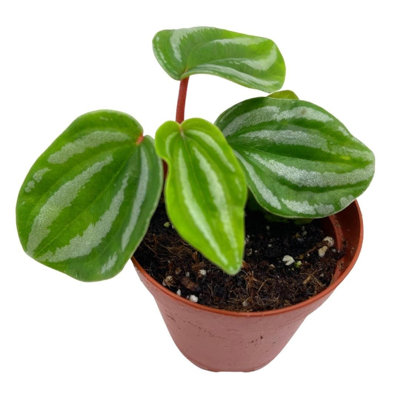
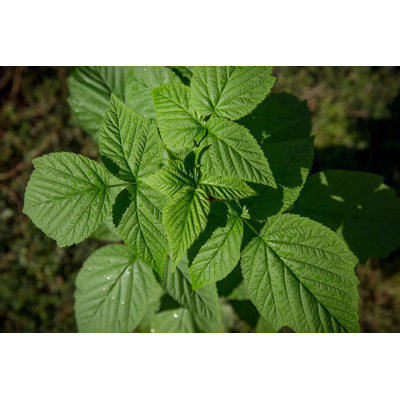
Raspberries are a shrub belonging to the Rosaceae family, in the genus Rubus. Not only are raspberries perfect for picking and eating straight off the stem, but theyre also wonderful in jams, pies and tarts, or smoothies and drinks. Plus, fresh raspberries are an excellent source of vitamin-C. Raspberries grow best in a sunny location, but unlike many fruits, will also grow successfully in a partially-shaded spot. However: the more sun, the more fruit! The planting site should have rich and well-drained soil, great air circulation, and shelter from wind. Avoid a wet area, as well as a windy spot, as raspberries do not like to stand in water nor totally dry out. Water one inch per week from spring until after harvest. Regular watering is better than infrequent deep soaking. Keep your raspberry bushes tidy by digging up any suckers or canes that grow well away from the rows; if you dont dig them up, theyll draw nutrients away and youll have less berries next year.

By Wekiva Foliage LLC
FREE Delivery
|
Raspberries are a shrub belonging to the Rosaceae family, in the genus Rubus. Not only are raspberries perfect for picking and eating straight off the stem, but theyre also wonderful in jams, pies and tarts, or smoothies and drinks. Plus, fresh raspberries are an excellent source of vitamin-C. Raspberries grow best in a sunny location, but unlike many fruits, will also grow successfully in a partially-shaded spot. However: the more sun, the more fruit! The planting site should have rich and well-drained soil, great air circulation, and shelter from wind. Avoid a wet area, as well as a windy spot, as raspberries do not like to stand in water nor totally dry out. Water one inch per week from spring until after harvest. Regular watering is better than infrequent deep soaking. Keep your raspberry bushes tidy by digging up any suckers or canes that grow well away from the rows; if you dont dig them up, theyll draw nutrients away and youll have less berries next year.

By Wekiva Foliage LLC
FREE Delivery
|
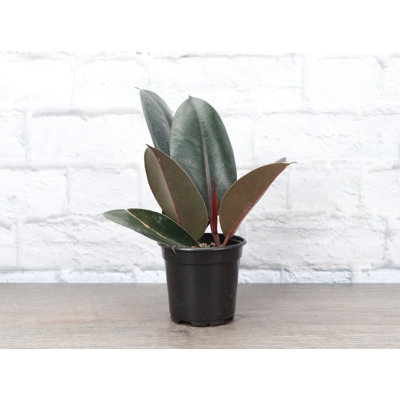
Raspberries are a shrub belonging to the Rosaceae family, in the genus Rubus. Not only are raspberries perfect for picking and eating straight off the stem, but theyre also wonderful in jams, pies and tarts, or smoothies and drinks. Plus, fresh raspberries are an excellent source of vitamin-C. Raspberries grow best in a sunny location, but unlike many fruits, will also grow successfully in a partially-shaded spot. However: the more sun, the more fruit! The planting site should have rich and well-drained soil, great air circulation, and shelter from wind. Avoid a wet area, as well as a windy spot, as raspberries do not like to stand in water nor totally dry out. Water one inch per week from spring until after harvest. Regular watering is better than infrequent deep soaking.

By Wekiva Foliage LLC
FREE Delivery
Raspberries are a shrub belonging to the Rosaceae family, in the genus Rubus. Not only are raspberries perfect for picking and eating straight off the stem, but theyre also wonderful in jams, pies and tarts, or smoothies and drinks. Plus, fresh raspberries are an excellent source of vitamin-C. Raspberries grow best in a sunny location, but unlike many fruits, will also grow successfully in a partially-shaded spot. However: the more sun, the more fruit! The planting site should have rich and well-drained soil, great air circulation, and shelter from wind. Avoid a wet area, as well as a windy spot, as raspberries do not like to stand in water nor totally dry out. Water one inch per week from spring until after harvest. Regular watering is better than infrequent deep soaking. Keep your raspberry bushes tidy by digging up any suckers or canes that grow well away from the rows; if you dont dig them up, theyll draw nutrients away and youll have less berries next year.

By Wekiva Foliage LLC
FREE Delivery
|
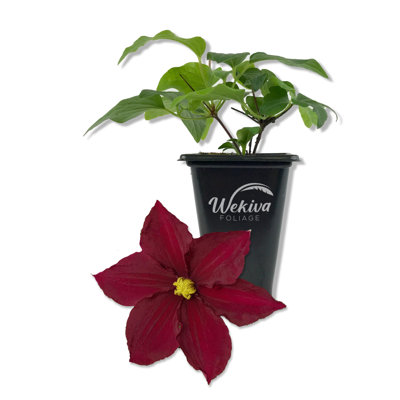
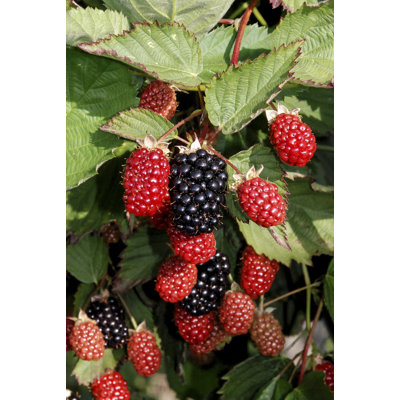
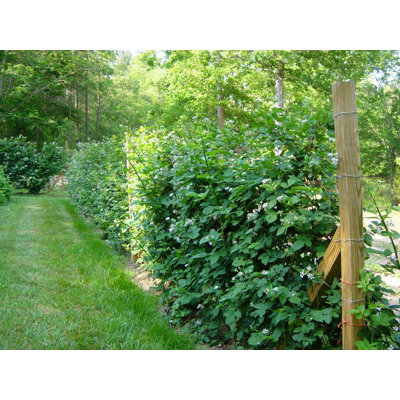
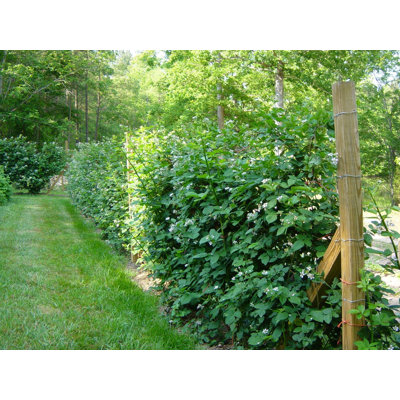
Blackberry plants are fruiting shrubs. They belong to the genus Rubus in the rose family Rosaceae. Blackberry bushes produce fruits called blackberries. Much like their close cousin the raspberry, blackberries contain high levels of antioxidants, including vitamin C, vitamin K, potassium, and dietary fiber. They contain very little overall fat and zero saturated fat. They contain a small amount of protein, but most of their calories come in the form of carbohydrates. As members of the Rosaceae family, the cultivation of blackberries resembles that of rose bushes. Fortunately, blackberries are closer to wild roses in their ease of care than they are to a hybrid tea rose. Blackberries will tolerate many growing conditions. Sites with full sun are best for productive blackberry bushes. Some afternoon shade is tolerated, especially in areas with hot summers. Careful site selection will ensure a long life for your blackberries, which usually live for about a decade with proper care. The ideal soil is slightly acidic with good drainage; these plants do not do well in clay soil. An elevated site or raised beds will not only help drainage but will also prevent late spring frosts from damaging flower buds. Blackberries need moderate amounts of water, around 1 inch per week provided either by rainfall or from ground-level irrigation. Blackberries do not fare well in wet soils.

By Wekiva Foliage LLC
FREE Delivery
|
Blackberry plants are fruiting shrubs. They belong to the genus Rubus in the rose family Rosaceae. Blackberry bushes produce fruits called blackberries. Much like their close cousin the raspberry, blackberries contain high levels of antioxidants, including vitamin C, vitamin K, potassium, and dietary fiber. They contain very little overall fat and zero saturated fat. They contain a small amount of protein, but most of their calories come in the form of carbohydrates. As members of the Rosaceae family, the cultivation of blackberries resembles that of rose bushes. Fortunately, blackberries are closer to wild roses in their ease of care than they are to a hybrid tea rose. Blackberries will tolerate many growing conditions. Sites with full sun are best for productive blackberry bushes. Some afternoon shade is tolerated, especially in areas with hot summers. Careful site selection will ensure a long life for your blackberries, which usually live for about a decade with proper care. The ideal soil is slightly acidic with good drainage; these plants do not do well in clay soil. An elevated site or raised beds will not only help drainage but will also prevent late spring frosts from damaging flower buds. Blackberries need moderate amounts of water, around 1 inch per week provided either by rainfall or from ground-level irrigation. Blackberries do not fare well in wet soils.

By Wekiva Foliage LLC
FREE Delivery
Blackberry plants are fruiting shrubs. They belong to the genus Rubus in the rose family Rosaceae. Blackberry bushes produce fruits called blackberries. Much like their close cousin the raspberry, blackberries contain high levels of antioxidants, including vitamin C, vitamin K, potassium, and dietary fiber. They contain very little overall fat and zero saturated fat. They contain a small amount of protein, but most of their calories come in the form of carbohydrates. As members of the Rosaceae family, the cultivation of blackberries resembles that of rose bushes. Fortunately, blackberries are closer to wild roses in their ease of care than they are to a hybrid tea rose. Blackberries will tolerate many growing conditions. Sites with full sun are best for productive blackberry bushes. Some afternoon shade is tolerated, especially in areas with hot summers. Careful site selection will ensure a long life for your blackberries, which usually live for about a decade with proper care. The ideal soil is slightly acidic with good drainage; these plants do not do well in clay soil. An elevated site or raised beds will not only help drainage but will also prevent late spring frosts from damaging flower buds. Blackberries need moderate amounts of water, around 1 inch per week provided either by rainfall or from ground-level irrigation. Blackberries do not fare well in wet soils.

By Wekiva Foliage LLC
FREE Delivery
Raspberries are a shrub belonging to the Rosaceae family, in the genus Rubus. Not only are raspberries perfect for picking and eating straight off the stem, but theyre also wonderful in jams, pies and tarts, or smoothies and drinks. Plus, fresh raspberries are an excellent source of vitamin-C. Raspberries grow best in a sunny location, but unlike many fruits, will also grow successfully in a partially-shaded spot. However: the more sun, the more fruit! The planting site should have rich and well-drained soil, great air circulation, and shelter from wind. Avoid a wet area, as well as a windy spot, as raspberries do not like to stand in water nor totally dry out. Water one inch per week from spring until after harvest. Regular watering is better than infrequent deep soaking. Keep your raspberry bushes tidy by digging up any suckers or canes that grow well away from the rows; if you dont dig them up, theyll draw nutrients away and youll have less berries next year.

(Set of 3)
By Touch of ECO
Rated 4.2 out of 5 stars.17 total votes
|
The Fire and Ice Hosta is a captivating perennial known for its vibrant foliage that brings a dynamic contrast to any garden or landscape. This variety features heart-shaped leaves with bold colors that truly live up to its name. The leaves of the Fire and Ice Hosta display a striking combination of dark green edges that gradually transition to pure white centers, creating a dramatic visual effect reminiscent of flickering flames against a backdrop of ice. This distinctive coloration adds depth and interest to shaded areas, making it an excellent choice for borders, woodland gardens, or container plantings. In addition to its stunning appearance, the Fire and Ice Hosta is prized for its resilience and low maintenance requirements. It thrives in partial to full shade and prefers moist, well-drained soil. With proper care, including regular watering and occasional fertilization, this hosta variety will reward gardeners with its vibrant foliage year after year. Whether used as a focal point in a shady corner or as part of a mixed planting scheme, the Fire and Ice Hosta is sure to captivate with its bold colors and elegant form, adding beauty and charm to any outdoor space.
These Hosta plants are going to look fantastic around my flowering tree.. Robert. Brunswick, OH. Wed Apr 01 2026

By Wekiva Foliage LLC
FREE Delivery
Blackberry plants are fruiting shrubs. They belong to the genus Rubus in the rose family Rosaceae. Blackberry bushes produce fruits called blackberries. Much like their close cousin the raspberry, blackberries contain high levels of antioxidants, including vitamin C, vitamin K, potassium, and dietary fiber. They contain very little overall fat and zero saturated fat. They contain a small amount of protein, but most of their calories come in the form of carbohydrates. As members of the Rosaceae family, the cultivation of blackberries resembles that of rose bushes. Fortunately, blackberries are closer to wild roses in their ease of care than they are to a hybrid tea rose. Blackberries will tolerate many growing conditions. Sites with full sun are best for productive blackberry bushes. Some afternoon shade is tolerated, especially in areas with hot summers. Careful site selection will ensure a long life for your blackberries, which usually live for about a decade with proper care. The ideal soil is slightly acidic with good drainage; these plants do not do well in clay soil. An elevated site or raised beds will not only help drainage but will also prevent late spring frosts from damaging flower buds. Blackberries need moderate amounts of water, around 1 inch per week provided either by rainfall or from ground-level irrigation. Blackberries do not fare well in wet soils.

By Touch of ECO
Rated 3.9 out of 5 stars.21 total votes
|
Add a center piece to your garden, planter or outdoor living area with these strawberry begonias. Three to four times bigger than a normal begonia these plants can grow up to a foot tall and six inches wide. Requiring partial to full shade and planting zones 8-10. They are a beautiful addition to any garden blooming in early summer and staying in full bloom until frost.
These are the prettiest begonias I’ve seen and So looking forward to being part of the garden landscape. Slc. Akron. Wed Jun 03 2026

By Wekiva Foliage LLC
FREE Delivery
Blackberry plants are fruiting shrubs. They belong to the genus Rubus in the rose family Rosaceae. Blackberry bushes produce fruits called blackberries. Much like their close cousin the raspberry, blackberries contain high levels of antioxidants, including vitamin C, vitamin K, potassium, and dietary fiber. They contain very little overall fat and zero saturated fat. They contain a small amount of protein, but most of their calories come in the form of carbohydrates. As members of the Rosaceae family, the cultivation of blackberries resembles that of rose bushes. Fortunately, blackberries are closer to wild roses in their ease of care than they are to a hybrid tea rose. Blackberries will tolerate many growing conditions. Sites with full sun are best for productive blackberry bushes. Some afternoon shade is tolerated, especially in areas with hot summers. Careful site selection will ensure a long life for your blackberries, which usually live for about a decade with proper care. The ideal soil is slightly acidic with good drainage; these plants do not do well in clay soil. An elevated site or raised beds will not only help drainage but will also prevent late spring frosts from damaging flower buds. Blackberries need moderate amounts of water, around 1 inch per week provided either by rainfall or from ground-level irrigation. Blackberries do not fare well in wet soils.

By Touch of ECO
Rated 4.3 out of 5 stars.11 total votes
Get it by Wed, Aug 12
|
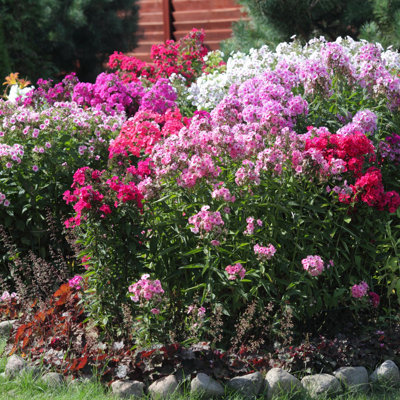
These phlox plants feature a double bloom and can grow up to 40 inches tall. This colorful mixed set includes red, pink, white and purple and are guaranteed to stand out in any garden, landscape or in the back of a perennial border. This stunning phlox even attracts butterflies and hummingbirds. A must have for any garden these are ideal for planting zones 4 through 8 and bloom in mid summer through the fall. They require full sun to partial shade and ship as a bare root plant.
I've got some green stems coming up already. Hopefully I'll see flowers soon! BTW, they are inside under a light.. Margaret. Sherman, TX. Thu Jan 29 2026

By Wekiva Foliage LLC
FREE Delivery
Blackberry plants are fruiting shrubs. They belong to the genus Rubus in the rose family Rosaceae. Blackberry bushes produce fruits called blackberries. Much like their close cousin the raspberry, blackberries contain high levels of antioxidants, including vitamin C, vitamin K, potassium, and dietary fiber. They contain very little overall fat and zero saturated fat. They contain a small amount of protein, but most of their calories come in the form of carbohydrates. As members of the Rosaceae family, the cultivation of blackberries resembles that of rose bushes. Fortunately, blackberries are closer to wild roses in their ease of care than they are to a hybrid tea rose. Blackberries will tolerate many growing conditions. Sites with full sun are best for productive blackberry bushes. Some afternoon shade is tolerated, especially in areas with hot summers. Careful site selection will ensure a long life for your blackberries, which usually live for about a decade with proper care. The ideal soil is slightly acidic with good drainage; these plants do not do well in clay soil. An elevated site or raised beds will not only help drainage but will also prevent late spring frosts from damaging flower buds. Blackberries need moderate amounts of water, around 1 inch per week provided either by rainfall or from ground-level irrigation. Blackberries do not fare well in wet soils.

By Wekiva Foliage LLC
FREE Delivery
Blackberry plants are fruiting shrubs. They belong to the genus Rubus in the rose family Rosaceae. Blackberry bushes produce fruits called blackberries. Much like their close cousin the raspberry, blackberries contain high levels of antioxidants, including vitamin C, vitamin K, potassium, and dietary fiber. They contain very little overall fat and zero saturated fat. They contain a small amount of protein, but most of their calories come in the form of carbohydrates. As members of the Rosaceae family, the cultivation of blackberries resembles that of rose bushes. Fortunately, blackberries are closer to wild roses in their ease of care than they are to a hybrid tea rose. Blackberries will tolerate many growing conditions. Sites with full sun are best for productive blackberry bushes. Some afternoon shade is tolerated, especially in areas with hot summers. Careful site selection will ensure a long life for your blackberries, which usually live for about a decade with proper care. The ideal soil is slightly acidic with good drainage; these plants do not do well in clay soil. An elevated site or raised beds will not only help drainage but will also prevent late spring frosts from damaging flower buds.

By Wekiva Foliage LLC
FREE Delivery
|
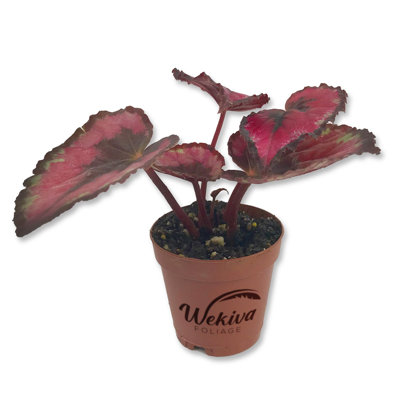
The Red Kiss begonia is a small houseplant variety with heart-shaped leaves. It has metallic red leaves with a large black area in the middle and a black edge. When young, the leaves are shiny silver. The Red Kiss begonia grows about 8 inches tall and wide. The Red Kiss begonia has medium watering needs. It is somewhat drought-tolerant, so there is no need to worry about it drying up. It does best in partial shade to shade. It requires an evenly moist well-drained soil for optimal growth, but will die in standing water. Begonias thrive in warm environments but, depending on the variety, might need full or partial sunlight. Most begonias do best when planted in an area with morning sun and afternoon shade.

By Florida House Plants
Rated 5 out of 5 stars.1 total vote
|
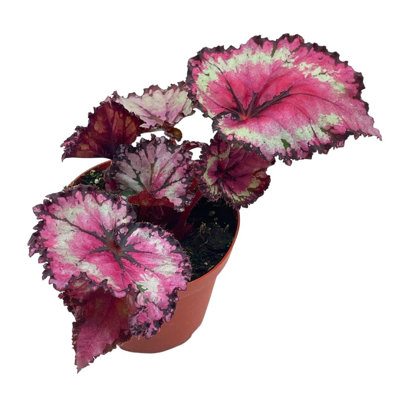
Raspberry Beret, Begonia Rex, 4-inch Painted-Leaf Winter Begonia, Unique Homegrown Exclusive, VariegatedYou will receive a plant similar to the ones in the photos with a pot and soil. The plant will be carefully wrapped and nestled in crinkle paper so that any shock to the packaging can be absorbed and remain safe. Our paper packaging allows the plants to breathe during their travel! Care instructions will be provided to the plant. * * * Please be aware that once an order is in the hands of the mail carrier, it is out of our control if anything happens during shipment. If you are unsatisfied with how your order arrived, message us! We'll be happy to help you get this fixed right away! Please also note that plants may sometimes look a bit withered after being shipped. A little bit of sun and water will pucker these beauties right back up again! * * *PRO CARE TIPSMake sure to soak the plant with water when the soil is completely dry. Check if the soil is dry before each watering. The best tip is to stick your thumb in the soil and check for moisture. Direct sunlight for prolonged periods can cause sunburn (not good). Keep plants out of frost!QUESTIONS? Don't hesitate to message us! We typically respond within a few minutes!
Colleen. Buzzards Bay, MA. Tue May 16 2023

(Set of 3)
By Touch of ECO
Rated 4.4 out of 5 stars.11 total votes
|
Discover the grandeur of our Giant Hosta Mixed Bare Root Plants. These remarkable hostas are truly among the largest in the world, boasting an impressive width of over 60 inches and a towering height of up to 36 inches. This exquisite mix showcases the captivating Hosta Sieboldiana Elegans and the elegant Hosta Frances Williams. These varieties flaunt leaves of grand proportions in shades of giant blue-green and yellow-green. As these plants mature, their leaves gracefully widen, creating a truly spectacular display. What sets these hostas apart is their ease of care and resilience against pests. They stand strong against slugs, ensuring that your garden remains a lush haven without constant maintenance. Whether enhancing your landscaping, gracing your garden, outlining borders, or surrounding your trees, these hostas offer a touch of natural beauty that thrives with minimal effort.
The plants are healthy and doing fine....in the ground. We don't normally order live plants from Wayfair, but had a small credit on file and wanted to use it. They arrived quickly and were packed well.. Curtis. US. Thu Jun 18 2026

(Set of 40)
By Touch of ECO
Rated 3.8 out of 5 stars.41 total votes
Get it by Wed, Aug 12
|
The Gladiolus is a perennial flower known for its beautiful, showy flowers. Their flowers grow on tall spikes and open from the bottom and work their way upward creating a long spire of blooms. Although many gardeners grow gladiolus for use as cut flowers, they are also attractively planted in an annual garden or in the back along a border as they grow tall in height. Gladioli have many different colored flowers varying from pink, red, purple, yellow, orange and white.
Beautiful flowers from the pictures. The roots on the bulbs looked really good when I planted them. Which was good since other builds I bought elsewhere don’t look like they would in the future. Excited to see them grow.. Brandy. US. Wed May 15 2024

By Florida House Plants
Rated 4.3 out of 5 stars.17 total votes
|
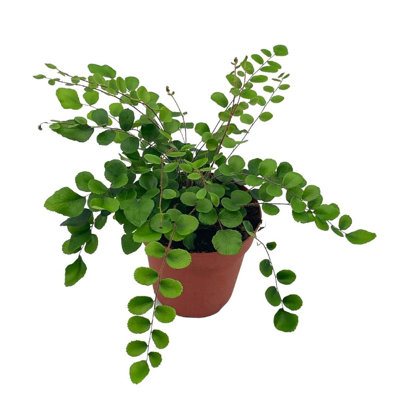
Button Fern, 4 inch, Pellaea rotundifoliaYou will receive a plant similar to the ones in the photos with a pot and soil. The plant will be carefully wrapped and nestled in crinkle paper so that any shock to the packaging can be absorbed and remain safe. Our paper packaging allows the plants to breathe during their travel! Care instructions will be provided to the plant. * * * Please be aware that once an order is in the hands of the mail carrier, it is out of our control if anything happens during shipment. If you are unsatisfied with how your order arrived, message us! We'll be happy to help you get this fixed right away! Please also note that plants may sometimes look a bit withered after being shipped. A little bit of sun and water will pucker these beauties right back up again! * * *Pro Care Tips Make sure to soak the plant with water when the soil is completely dry. Check if the soil is dry before each watering. The best tip is to stick your thumb in the soil and check for moisture. Direct sunlight for prolonged periods can cause sunburn (not good). Keep plants out of frost! Questions? Don't hesitate to message us! We typically respond within a few minutes!
Adorable little fern. She is strong and healthy.. Amy. US. Thu Jul 30 2026

By American Plant Exchange
|
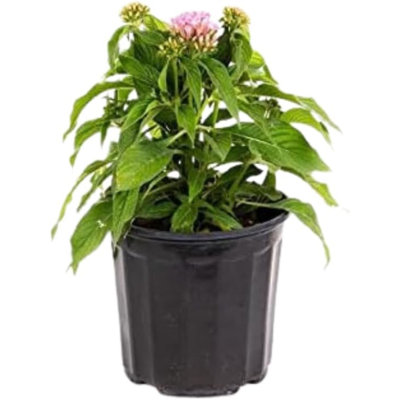
Penta Assorted Colors (Pentas lanceolata), also known as Egyptian Starflower, is a vibrant and eye-catching perennial that adds a burst of color to any garden. This plant is beloved for its star-shaped clusters of flowers that come in a variety of shades, including pink, red, lavender, and white. The continuous blooms throughout the warmer months make Pentas a favorite for attracting butterflies, bees, and hummingbirds, making it an essential addition to pollinator gardens and landscapes focused on biodiversity. Thriving in full sun to partial shade, Pentas are perfect for a wide range of outdoor settings. They grow well in garden beds, borders, or containers, offering flexibility in landscape design. With heights ranging from 18 to 24 inches, they provide a lush, colorful ground cover or make a beautiful addition to mixed flower beds. Their ability to bloom consistently from late spring until the first frost ensures a vibrant and lively garden all season long. Well-suited for USDA Hardiness Zones 10-11, Pentas are heat-tolerant and perform well in warm, humid climates. They prefer well-drained, nutrient-rich soil and require regular watering, particularly during dry periods. With minimal care, including deadheading spent blooms to encourage new growth, Pentas will thrive, offering a kaleidoscope of colors that enhance the beauty and vitality of your outdoor spaces while supporting local pollinators.

By American Plant Exchange
|
Penta Assorted Colors (Pentas lanceolata), also known as Egyptian Starflower, is a vibrant and eye-catching perennial that adds a burst of color to any garden. This plant is beloved for its star-shaped clusters of flowers that come in a variety of shades, including pink, red, lavender, and white. The continuous blooms throughout the warmer months make Pentas a favorite for attracting butterflies, bees, and hummingbirds, making it an essential addition to pollinator gardens and landscapes focused on biodiversity. Thriving in full sun to partial shade, Pentas are perfect for a wide range of outdoor settings. They grow well in garden beds, borders, or containers, offering flexibility in landscape design. With heights ranging from 18 to 24 inches, they provide a lush, colorful ground cover or make a beautiful addition to mixed flower beds. Their ability to bloom consistently from late spring until the first frost ensures a vibrant and lively garden all season long. Well-suited for USDA Hardiness Zones 10-11, Pentas are heat-tolerant and perform well in warm, humid climates. They prefer well-drained, nutrient-rich soil and require regular watering, particularly during dry periods. With minimal care, including deadheading spent blooms to encourage new growth, Pentas will thrive, offering a kaleidoscope of colors that enhance the beauty and vitality of your outdoor spaces while supporting local pollinators.

By American Plant Exchange
Rated 1 out of 5 stars.1 total vote
|
Penta Assorted Colors (Pentas lanceolata), also known as Egyptian Starflower, is a vibrant and eye-catching perennial that adds a burst of color to any garden. This plant is beloved for its star-shaped clusters of flowers that come in a variety of shades, including pink, red, lavender, and white. The continuous blooms throughout the warmer months make Pentas a favorite for attracting butterflies, bees, and hummingbirds, making it an essential addition to pollinator gardens and landscapes focused on biodiversity. Thriving in full sun to partial shade, Pentas are perfect for a wide range of outdoor settings. They grow well in garden beds, borders, or containers, offering flexibility in landscape design. With heights ranging from 18 to 24 inches, they provide a lush, colorful ground cover or make a beautiful addition to mixed flower beds. Their ability to bloom consistently from late spring until the first frost ensures a vibrant and lively garden all season long. Well-suited for USDA Hardiness Zones 10-11, Pentas are heat-tolerant and perform well in warm, humid climates. They prefer well-drained, nutrient-rich soil and require regular watering, particularly during dry periods. With minimal care, including deadheading spent blooms to encourage new growth, Pentas will thrive, offering a kaleidoscope of colors that enhance the beauty and vitality of your outdoor spaces while supporting local pollinators.
Totally smashed. Waiting to see if it perks up.. Mary. Austin, TX. Sat Jun 27 2026

By Wekiva Foliage LLC
FREE Delivery
Blackberry plants are fruiting shrubs. They belong to the genus Rubus in the rose family Rosaceae. Blackberry bushes produce fruits called blackberries. Much like their close cousin the raspberry, blackberries contain high levels of antioxidants, including vitamin C, vitamin K, potassium, and dietary fiber. They contain very little overall fat and zero saturated fat. They contain a small amount of protein, but most of their calories come in the form of carbohydrates. As members of the Rosaceae family, the cultivation of blackberries resembles that of rose bushes. Fortunately, blackberries are closer to wild roses in their ease of care than they are to a hybrid tea rose. Blackberries will tolerate many growing conditions. Sites with full sun are best for productive blackberry bushes. Some afternoon shade is tolerated, especially in areas with hot summers. Careful site selection will ensure a long life for your blackberries, which usually live for about a decade with proper care. The ideal soil is slightly acidic with good drainage; these plants do not do well in clay soil. An elevated site or raised beds will not only help drainage but will also prevent late spring frosts from damaging flower buds. Blackberries need moderate amounts of water, around 1 inch per week provided either by rainfall or from ground-level irrigation. Blackberries do not fare well in wet soils.

By Wekiva Foliage LLC
FREE Delivery
Blackberry plants are fruiting shrubs. They belong to the genus Rubus in the rose family Rosaceae. Blackberry bushes produce fruits called blackberries. Much like their close cousin the raspberry, blackberries contain high levels of antioxidants, including vitamin C, vitamin K, potassium, and dietary fiber. They contain very little overall fat and zero saturated fat. They contain a small amount of protein, but most of their calories come in the form of carbohydrates. As members of the Rosaceae family, the cultivation of blackberries resembles that of rose bushes. Fortunately, blackberries are closer to wild roses in their ease of care than they are to a hybrid tea rose. Blackberries will tolerate many growing conditions. Sites with full sun are best for productive blackberry bushes. Some afternoon shade is tolerated, especially in areas with hot summers. Careful site selection will ensure a long life for your blackberries, which usually live for about a decade with proper care. The ideal soil is slightly acidic with good drainage; these plants do not do well in clay soil. An elevated site or raised beds will not only help drainage but will also prevent late spring frosts from damaging flower buds. Blackberries need moderate amounts of water, around 1 inch per week provided either by rainfall or from ground-level irrigation. Blackberries do not fare well in wet soils.

By Wekiva Foliage LLC
FREE Delivery
Blackberry plants are fruiting shrubs. They belong to the genus Rubus in the rose family Rosaceae. Blackberry bushes produce fruits called blackberries. Much like their close cousin the raspberry, blackberries contain high levels of antioxidants, including vitamin C, vitamin K, potassium, and dietary fiber. They contain very little overall fat and zero saturated fat. They contain a small amount of protein, but most of their calories come in the form of carbohydrates. As members of the Rosaceae family, the cultivation of blackberries resembles that of rose bushes. Fortunately, blackberries are closer to wild roses in their ease of care than they are to a hybrid tea rose. Blackberries will tolerate many growing conditions. Sites with full sun are best for productive blackberry bushes. Some afternoon shade is tolerated, especially in areas with hot summers. Careful site selection will ensure a long life for your blackberries, which usually live for about a decade with proper care. The ideal soil is slightly acidic with good drainage; these plants do not do well in clay soil. An elevated site or raised beds will not only help drainage but will also prevent late spring frosts from damaging flower buds.

By Touch of ECO
Rated 4.1 out of 5 stars.87 total votes
|
Great for shady corners of the garden, perennial hostas can produce large, heart-shaped leaves and white or purple flowers.
My gardener hassn't planted them as yet, I forgot them when he was here. When they arrived, they alreaady were sprouting so I know that I'm going to love them.. Anonymous. US. Sun Apr 19 2026

By Florida House Plants
Rated 5 out of 5 stars.1 total vote
|
Peperomia Mini Watermelon, 2 inch verschaffeltii, Steves Leaves, Rare Pep, Unique Homegrown Exclusive PlantsYou will receive a plant similar to the ones in the photos with a pot and soil.The plant will be carefully wrapped and nestled in crinkle paper so that any shock to the packaging can be absorbed and remain safe. Our paper packaging allows the plants to breathe during their travel! Care instructions will be provided with plant. * * * Please be aware that once an order is in the hands of the mail carrier, it is out of our control if anything happens during shipment. If you are unsatisfied with how your order arrived, message us! We'll be happy to help you get this fixed right away!Please also note that plants may sometimes look a bit withered after being shipped. A little bit of sun and water will pucker these beauties right back up again! * * *PRO CARE TIPSMake sure to soak plant with water when soil is completely dry. Check if the soil is dry before each watering. Best tip is to stick your thumb in the soil and check for moisture.Direct sunlight for prolonged periods can cause sunburn (not good). Keep plants out of frost!QUESTIONS? Don't hesitate to message us! We typically respond within a few minutes!
Arrived very healthy and what an interesting and beautiful plant. Mona. Erie, PA. Tue Sep 30 2025

By Wekiva Foliage LLC
FREE Delivery
Blackberry plants are fruiting shrubs. They belong to the genus Rubus in the rose family Rosaceae. Blackberry bushes produce fruits called blackberries. Much like their close cousin the raspberry, blackberries contain high levels of antioxidants, including vitamin C, vitamin K, potassium, and dietary fiber. They contain very little overall fat and zero saturated fat. They contain a small amount of protein, but most of their calories come in the form of carbohydrates. As members of the Rosaceae family, the cultivation of blackberries resembles that of rose bushes. Fortunately, blackberries are closer to wild roses in their ease of care than they are to a hybrid tea rose. Blackberries will tolerate many growing conditions. Sites with full sun are best for productive blackberry bushes. Some afternoon shade is tolerated, especially in areas with hot summers. Careful site selection will ensure a long life for your blackberries, which usually live for about a decade with proper care. The ideal soil is slightly acidic with good drainage; these plants do not do well in clay soil. An elevated site or raised beds will not only help drainage but will also prevent late spring frosts from damaging flower buds.

2 Sizes
By Thorsen's Greenhouse
6" H x 4.5" W x 4.5" D
Rated 4.2 out of 5 stars.43 total votes
Get it by Wed, Aug 12
|
Shipped straight from our greenhouse to your door. Your plant will arrive as pictured and pre-potted with simple, customized care instructions to help it thrive. All you have to do is open the box, pull the plant out, and enjoy it in your home. Fresh from the greenhouse, this plant is in a grower's pot ready to be placed on a saucer or planted in a decorative container.
Beautiful healthyplant that was so much larger than I thought and shipped with care. Arrived quickly.. Kerensa. Cicero, IN. Thu Jun 27 2024

By Wekiva Foliage LLC
FREE Delivery
|
There are more than 300 species and hundreds of hybrids of clematis. Most clematis are woody, deciduous vines while others are shrub, or trailing types. Some species bloom in spring; others, in mid-to late summer. Most clematis are hardy in USDA Hardiness Zones 4 to 8 and native to North America. The blooms are spectacular with some flowers reaching up to 10 inches across! These showy flowers in the form of saucers, bells, tubes, tulips, open bells, doubles, and semi-double. The flowers are usually in the cool shades of purple or pink though they do come in a stunning array of tones including blue, white, magenta, yellow, and bicolor. Clematises appreciate a trellis, post, or stationary structure to climb; without something, the vine will sprawl, including over the ground. Hummingbirds, bees, and butterflies love their blooms. Grow in fertile, medium moisture, well-drained soils in full sun to part shade. Vining hybrids are best sited in locations where the flowering parts of the vine are in sun to part shade but the roots are shaded. Some light afternoon shade is usually beneficial in hot and humid summer climates. Roots should be kept cool, shaded and uniformly moist. Root areas may be shaded with perennials, annuals or small shrubs. A thick root mulch is appreciated. Do not allow soils to dry out.

By Costa Farms
Rated 4.3 out of 5 stars.65 total votes
FREE Delivery
|
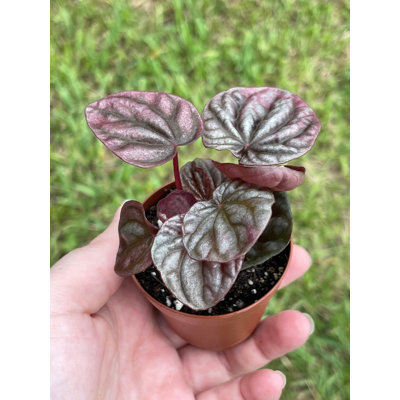
Add depth and drama to your space with the Burgundy Rubber Plant, admired for its striking dark foliage with rich burgundy undertones. Its bold, upright growth makes it an eye-catching accent for modern living rooms, bedrooms, or office spaces seeking contrast and sophistication. Ideal for anyone wanting a low-maintenance plant that still delivers strong visual impact, it blends seamlessly into contemporary décor.
It’s a beautiful and healthy plant requiring little attention. Just what I wanted.. Kc. Sfld, MI. Tue May 12 2026

By Natures Way Farms
Rated 4.9 out of 5 stars.9 total votes
FREE Delivery
|
Add a pop of color to your landscape with this vibrant tropical plant! Its sword-shaped leaves boast a stunning shade of deep red. It thrives in full sun to partial shade and adds a touch of drama to any outdoor space.
Excellent response from the grower, received within three days. Plant was packaged and protected very well. Was expecting one plant, the pot had three plants, nice bonus. Plants transplanted easily and are not showing any signs of stress.. Elizabeth. Conway, SC. Tue Jun 09 2026

By Wekiva Foliage LLC
FREE Delivery
|
The 'Prolific' Kiwi Fruit Tree (Actinidia deliciosa) is a vigorous, fast-growing deciduous vine prized for its attractive foliage and abundant yields of delicious, fuzzy brown fruit. This variety is aptly named for its ability to produce large crops of flavorful kiwis when grown under proper conditions and with a compatible pollinator nearby. The fruits have a sweet-tart flavor and vibrant green flesh, making them a refreshing treat straight from the vine. The plant features lush, broad, heart-shaped leaves that provide ornamental value throughout the growing season. 'Prolific' kiwi vines can be trained on arbors, trellises, or fences, offering both beauty and bounty to the garden. This variety is best suited for temperate climates with warm summers and mild winters and can thrive in USDA Zones 79. With the right structural support and consistent care, the 'Prolific' kiwi vine becomes a standout addition to edible landscapes or backyard orchards. It's not only productive but also attractive, turning any sunny space into a vibrant, fruitful oasis. Ideal for gardeners seeking both ornamental charm and homegrown fruit, this variety rewards patience with bountiful harvests in just a few years after planting.

By Florida House Plants
Rated 3 out of 5 stars.2 total votes
|
Red peperomia caperata, red emerald ripple, frost, platinum, limited, in a 2-inch pot super cutest in a 2" round plastic pot. You will receive a plant similar to the ones in the photos. The plant will be carefully wrapped and nestled in crinkle paper so that any shock to the packaging can be absorbed and remain safe. Our paper packaging allows the plants to breathe during their travel! Care instructions will be provided to the plant. * * * Please be aware that once an order is in the hands of the mail carrier, it is out of our control if anything happens during shipment. If you are unsatisfied with how your order arrived, message us! We'll be happy to help you get this fixed right away! Please also note that plants may sometimes look a bit withered after being shipped. A little bit of sun and water will pucker these beauties right back up again! * * *pro care tips make sure to soak the plant with water when the soil is completely dry. Check if the soil is dry before each watering. The best tip is to stick your thumb in the soil and check for moisture. Direct sunlight for prolonged periods can cause sunburn (not good). Keep plants out of frost! Questions? Don't hesitate to message us! We typically respond within a few minutes!
I received my plant today and it arrived in good condition.. Yvonne. Memphis, TN. Sat Dec 09 2023

By United Nursery
Rated 4.9 out of 5 stars.11 total votes
|
The Croton Petra is native to South Asia and the Western Pacific Islands. This woody-based perennial can grow to 5 ft. tall - 6 ft. tall but will make an excellent container plant to any sun drenched patio. With an array of colors in greens, yellows, reds and orange, this plant is sure to attract attention in any decor. The Croton Petra can tolerate full to medium sun and prefers well drained soils to look its best.
Gorgeous!!!!!. Susan. NC. Thu Jul 23 2026

By American Plant Exchange
FREE Delivery
|
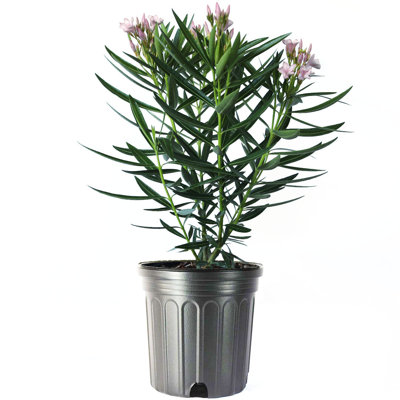
Petite Pink Semi Dwarf Oleander (Nerium oleander 'Petite Pink') is a compact, evergreen shrub that brings both elegance and charm to any garden or landscape. Known for its delicate clusters of soft pink flowers, this semi-dwarf oleander blooms profusely from spring through fall, creating a stunning display against its glossy, dark green leaves. With its manageable size and continuous blooms, this oleander variety is perfect for smaller gardens, patios, or as a border plant. Thriving in full sun, the Petite Pink Semi Dwarf Oleander is highly versatile and well-suited for various outdoor environments. Growing to a modest height of 3 to 5 feet, it works beautifully as a foundation plant, in containers, or as a low hedge. Its lush foliage and abundant flowers add both color and structure to garden beds and borders, making it an ideal choice for those looking to brighten up their outdoor spaces with minimal maintenance. Well-suited for USDA Hardiness Zones 8-11, Petite Pink Semi Dwarf Oleander is exceptionally drought-tolerant and thrives in warm, dry climates. It adapts well to various soil types, provided they are well-drained, and can even withstand salt spray, making it a great option for coastal gardens. For optimal growth, plant this oleander in full sun and water moderately. Pruning after the blooming season can help maintain its shape and encourage more prolific flowering. With its low-maintenance care, this oleander variety will bring continuous color and beauty to your landscape year-round.

By Wekiva Foliage LLC
FREE Delivery
|
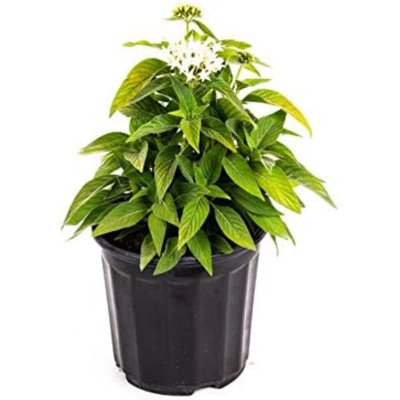
Native to Brazil and Paraguay, an outdoor pineapple plant can reach 5 or 6 feet high, but an indoor specimen generally doesnt surpass 2 or 3 feet. Both consist of a short stem sprouting a rosette of often spiny 2-inch to 5-foot sword-shaped leaves. Since a pineapple requires fast-draining, sandy soil to prevent root rot, a cactus and citrus potting mix with a pH between 4.5 and 6.5 should suit the plant. Alternatively, you can try a cymbidium orchid mixwhich often is recommended for terrestrial bromeliads as well as terrestrial orchidsor a mix of one part peat moss, one part coarse builders sand, and one part perlite. If you want your plant to fruit, you should give it as much light as possible, such as in a greenhouse, sunroom, or near a large south-facing window. If moving the plant outdoors over the summer, be careful to adapt it gradually to full sun if it was in dimmer conditions before. Pineapple plant indoor temperatures should remain in the 65 to 85 degrees Fahrenheit range, and its a good idea to bring the plant into the house once temperatures begin falling below 60 degrees outdoors in autumn. The pineapple enjoys humidity as well as heat, so dont leave it pining for company. Instead, keep it clustered with other plants to help raise the moisture in the air around it.

By American Plant Exchange
|
Penta Assorted Colors (Pentas lanceolata), also known as Egyptian Starflower, is a vibrant and eye-catching perennial that adds a burst of color to any garden. This plant is beloved for its star-shaped clusters of flowers that come in a variety of shades, including pink, red, lavender, and white. The continuous blooms throughout the warmer months make Pentas a favorite for attracting butterflies, bees, and hummingbirds, making it an essential addition to pollinator gardens and landscapes focused on biodiversity. Thriving in full sun to partial shade, Pentas are perfect for a wide range of outdoor settings. They grow well in garden beds, borders, or containers, offering flexibility in landscape design. With heights ranging from 18 to 24 inches, they provide a lush, colorful ground cover or make a beautiful addition to mixed flower beds. Their ability to bloom consistently from late spring until the first frost ensures a vibrant and lively garden all season long. Well-suited for USDA Hardiness Zones 10-11, Pentas are heat-tolerant and perform well in warm, humid climates. They prefer well-drained, nutrient-rich soil and require regular watering, particularly during dry periods. With minimal care, including deadheading spent blooms to encourage new growth, Pentas will thrive, offering a kaleidoscope of colors that enhance the beauty and vitality of your outdoor spaces while supporting local pollinators.

By Florida House Plants
Rated 4 out of 5 stars.4 total votes
|
Red and Green Peperomia albovittata, 4-inch pot, mixed frostPlant shipped in its 4-inch pot, and ready for a size up! You will receive a plant similar to the ones in the photos. The plant will be carefully wrapped and nested in crinkle paper so that any shock to the packaging can be absorbed and remain safe. Our paper packaging allows the plants to breathe during their travel! Care instructions will be provided to the plant. * * * Please be aware that once an order is in the hands of the mail carrier, it is out of our control if anything happens during shipment. If you are unsatisfied with how your order arrived, message us! We'll be happy to help you get this fixed right away! Please also note that plants may sometimes look a bit withered after being shipped. A little bit of sun and water will pucker these beauties right back up again! * * *PRO CARE TIPSMake sure to soak the plant with water when the soil is completely dry. Check if the soil is dry before each watering. The best tip is to stick your thumb in the soil and check for moisture. Direct sunlight for prolonged periods can cause sunburn (not good). Keep plants out of frost!QUESTIONS? Don't hesitate to message us! We typically respond within a few minutes!
Hands down my favorite order! As pictured and more! The packing from Bubble Blooms is fantastic. It even comes with a sample of plant food! I have ordered many plants!. Brianna. Fri Jun 05 2026

By Thorsen's Greenhouse
Rated 4.3 out of 5 stars.141 total votes
Get it by Wed, Aug 12
|
Bright, eye-catching Spider Plant is ready to fill your home with life! It’s spider-like growth make it’s a unique addition to your windowsill or table. Each leaf displays beautiful green and white colors. Spider Plants love indirect bright sunlight and regular watering. Direct sunlight can cause brown tips. Why you’ll love it: Spider Plants are ASPCA-approved pet safe and non-toxic so you can grow your new plant without worrying about curious furry friends! Houseplants make for playful home décor or meaningful gifts. Grow your happiness! Please note the images are a representation of the plants available, not the exact plant you will receive. All plants are unique, we will handpick and carefully package the best of our selection for each order!
Love this little spider plant. Cant wait to watch is grow and i ordered 3 set of little cat palms. 36.00 for all delivered with several bucks wayfair rewards. Love it! It looks good considering it went from Ohio to Illinois to SoCal!. Michelle. San Diego, CA. Thu Mar 12 2026

By Wekiva Foliage LLC
Rated 5 out of 5 stars.1 total vote
FREE Delivery
|
The 'Iceberg' floribunda rose is one of the most popular and highly rated of all roses. To keep it healthy and thriving, proper soil maintenance and fertilizer applications are essential. A slow-release fertilizer should be applied every 6-9 weeks in spring and fall, and a layer of mulch added every year after pruning. Adequate water is crucial to keeping 'Iceberg' roses hydrated, especially during spring and summer when they are budding and producing blooms. Water 2-3 times a week in spring, increasing to 3-4 times a week in summer. More frequent watering may be required if planted in a container. Pruning is an essential part of 'Iceberg' rose care. Winter pruning during the plant's dormant months of January and February will stimulate new growth. Remove dead or weak canes, prune remaining ones to 10-18 inches, and retain 5-12 healthy canes. Throughout the growing season, remove any damaged wood and spent flowers to encourage new blooms. To maintain the beauty and health of 'Iceberg' roses, it is important to keep soil well-drained, and keep salt levels below root levels. Regular irrigation and fertilization, proper pest management, and regular pruning will help ensure that this popular floribunda continues to be a top-selling variety for years to come. The 'Iceberg' floribunda rose is renowned for its stunning white blooms that stand out in any garden. Each flower has 30 to 40 petals that form a double bloom, creating an eye-catching display from June to October in USDA hardiness zones 5 to 9. The blooms are produced on a continuous cycle, making the plant an excellent choice for cut flower arrangements.
Look good. Anonymous. Thu Dec 04 2025

7 Colors
By Thorsen's Greenhouse
Natural
Rated 4.2 out of 5 stars.244 total votes
Get it by Wed, Aug 12
|
Tradescantia Nanouk brings gorgeous shades of purple and pink to your home! This fast-growing trailing plant thrives in a sunny windowsill where the rays of sunshine will illuminate the leaves and make them sparkle! Does best in a moderately sunny location, avoid harsh, direct sunlight. Maintain soil moisture for best results. Why you’ll love it: Tradescantia Nanouk’s colors are rarely found in any other plant in nature! Houseplants make for playful home décor or meaningful gifts. Grow your happiness! Plants are shipped fresh from the Greenhouse to your door with no middle man! Please note the images are a representation of the plants available, not the exact plants you will receive. All plants are unique; we will handpick and carefully package the best of our selection for each order! Soil may shift during shipping. It is normal for live plants to display small blemishes such as a torn leaf and brown spot - no live plant is perfect! Providing adequate and appropriate care for your plant will allow it to thrive.
Arrived in great shape, decent color. Healthy leaves. Pleased with purchase.. Dawn. US. Tue May 26 2026


4 Colors
(Set of 3)
By Birch Lane™
Red
Rated 4.9 out of 5 stars.14 total votes
FREE Delivery
|
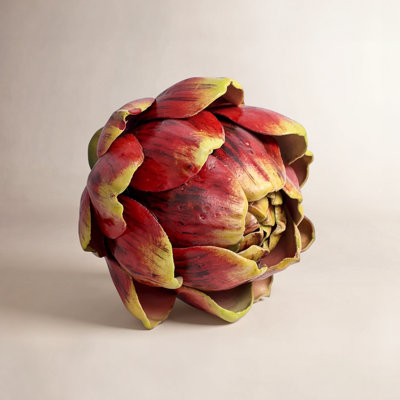
This 3-piece artificial artichoke set brings vibrant produce-inspired style to your tabletop display without any ongoing maintenance. Crafted from plastic, each botanical piece replicates the layered texture and visual detail of real artichokes to create realistic depth across decorative bowls, trays, or centerpieces. Their durable construction helps maintain a fresh, full appearance over time for effortless seasonal updates. The lightweight design makes it easy to style them together as a focal point or spread them out for a balanced decorative accent. Plus, they wipe clean easily for simple upkeep.
I bought these for my friend who was looking for artichokes for her kitchen decorations. She loves them and tells me how real they look. Everyone asks if they are real. Very happy I purchased these.. Joanne. Melbourne, FL. Fri Jul 24 2026

By Touch of ECO
Rated 4.4 out of 5 stars.8 total votes
|
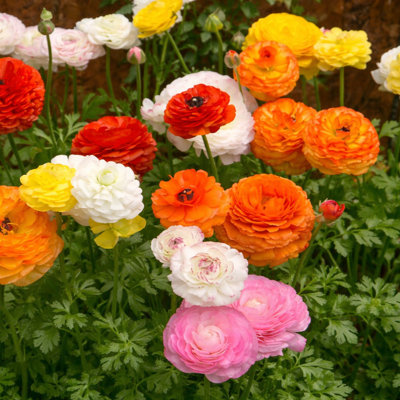
Ranunculus is a bulb mix of brightly colored double-flowering buttercups. Prolific bloomers, each plant produces dozens of flowers ideal for borders andutch anemone blandad cuttings. Buttercup bulbs are sun loving producing magnificent, rose-like flowers that are gorgeous both in the garden and cut for bouquets. Quick to bloom and easy to grow in compost-enriched soils.
Very nicely packaged to protect the bulbs. Can’t wait to see them bloom!. Jennifer. Freeport, PA. Tue Jul 14 2026

By Florida House Plants
Rated 3 out of 5 stars.2 total votes
|
Watermelon Peperomia, Peperomia argyreia, water melon begonia, in a 4 inch pot, live rooted potted rare succulentPlant will be shipped with pot and soil. You will receive a plant similar to the ones in the photos. The plant will be carefully wrapped and nested in crinkle paper so that any shock to the packaging can be absorbed and remain safe. Our paper packaging allows the plants to breathe during their travel! Care instructions will be provided with plant. * * * Please be aware that once an order is in the hands of the mail carrier, it is out of our control if anything happens during shipment. If you are unsatisfied with how your order arrived, message us! We'll be happy to help you get this fixed right away!Please also note that plants may sometimes look a bit withered after being shipped. A little bit of sun and water will pucker these beauties right back up again! * * *PRO CARE TIPSMake sure to soak plant with water when soil is completely dry. Check if the soil is dry before each watering. Best tip is to stick your thumb in the soil and check for moisture.Direct sunlight for prolonged periods can cause sunburn (not good). Keep plants out of frost!QUESTIONS? Don't hesitate to message us! We typically respond within a few minutes!
I love this plant just like the others. Lula. Indianola, MS. Sat Apr 06 2024