to:


By Wekiva Foliage LLC
FREE Delivery
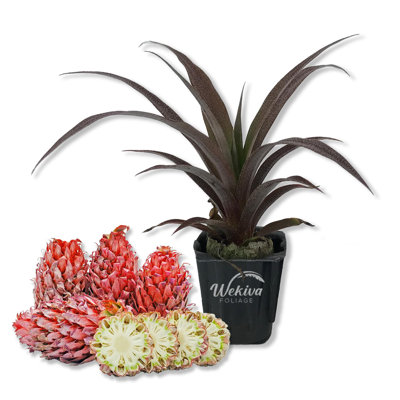
The Pineapple Plant (Ananas comosus) is a striking tropical specimen admired for its bold, architectural appearance and unique ornamental value. With its rosette of long, sword-shaped leaves edged in subtle serrations, this plant makes an exotic statement in any home or garden. Its lush green foliage forms a symmetrical crown, creating an eye-catching display that draws attention year-round. Over time, the plant produces a sturdy central stem topped with a miniature pineapple fruit, adding both charm and conversation value. Even when not fruiting, its sculptural foliage offers a dramatic and modern tropical feel to interiors, patios, or sunrooms. Native to warm, sunny climates, the Pineapple Plant is surprisingly easy to grow with the right care. It thrives in bright, indirect light and appreciates warm temperatures that mimic its tropical origins. While the fruit is a delightful bonus, the plant is equally appreciated for its ornamental qualities, making it a perfect centerpiece or accent for decorative containers. Whether displayed indoors as a vibrant focal point or outdoors in warm weather, the Pineapple Plant combines bold beauty with a touch of the tropics, creating a lasting impression wherever it is placed.

By Natures Way Farms
Rated 4.9 out of 5 stars.9 total votes
FREE Delivery
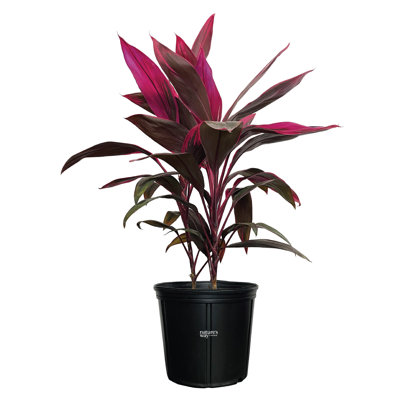
Hawaiian Ti Red Sister brings rich color and a strong architectural element to home and outdoor décor. Use it to add height beside an accent chair, balance a console, frame an entrance, or create contrast within a layered plant display. Its burgundy and pink coloring pairs beautifully with neutral walls, natural wood, black accents, rattan, stone, and tropical prints. Place the grower pot inside a white or black planter for bold contrast, choose terracotta for added warmth, or use a woven basket indoors for natural texture. Red Sister is especially effective in spaces that need lasting color, since its decorative impact comes from the foliage rather than seasonal flowers.
Excellent response from the grower, received within three days. Plant was packaged and protected very well. Was expecting one plant, the pot had three plants, nice bonus. Plants transplanted easily and are not showing any signs of stress.. Elizabeth. Conway, SC. Tue Jun 09 2026

By Natures Way Farms
Rated 4.4 out of 5 stars.5 total votes
FREE Delivery
Orange Crossandra brings warm color and a polished tropical look to outdoor décor. Its vibrant orange coloring pairs beautifully with navy, teal, white, black, and neutral patio furnishings. Use it as a colorful centerpiece, repeat several plants to frame an entrance, or combine it with green foliage plants for a layered container display. A terracotta pot enhances its warmer tones, while a white or black planter creates a cleaner contemporary finish. Its neat shape makes it easy to style on smaller patios, balconies, and porch areas where a bold decorative accent can brighten the space without overwhelming the surrounding furniture and accessories.
A bit frazzled, but has potential.. Anonymous. Wed Jun 03 2026

4 Sizes
By FixtureDisplays
12" H x 2" W x 2" D
Rated 3.8 out of 5 stars.4 total votes
Get it by Mon, Nov 2
【Live Seedling Plant】Starter rose of sharon seedling with well established roots. Purple Flowers. Height is measured from top to root. 【Freshly Harvested Before Shipment】 Shipped with damp soil around roots covered in plastic wrap. Leaves may die off from the starter from the stress of up rooting. This is normal and will grow back. If you order in fall winter season shipping may have no leaf but they are ready to grow in spring. 【Mature Size 8' Tall】Seedling plant size may vary. At warm climates this rose of sharon can grow much taller if left unpruned. 【Tree or Shrub】Smart choice for lforal landscaping - as a tree, braided tree, or grow a group to form shrub/hedges border. 【Violet & Purple Flower】Hardy in zones 5 to 8, rose of Sharon (Hibiscus syriacus) produces bright showy blossoms in shades of violet and blue. Fall Winter Season: No Leaves. Expect Plant Comes to Life Spring.
I was hoping for 12 inches they were more like 6.. Brian Heffron. New Hampshire. Fri Sep 25 2026

By Wekiva Foliage LLC
FREE Delivery
The 'Prolific' Kiwi Fruit Tree (Actinidia deliciosa) is a vigorous, fast-growing deciduous vine prized for its attractive foliage and abundant yields of delicious, fuzzy brown fruit. This variety is aptly named for its ability to produce large crops of flavorful kiwis when grown under proper conditions and with a compatible pollinator nearby. The fruits have a sweet-tart flavor and vibrant green flesh, making them a refreshing treat straight from the vine. The plant features lush, broad, heart-shaped leaves that provide ornamental value throughout the growing season. 'Prolific' kiwi vines can be trained on arbors, trellises, or fences, offering both beauty and bounty to the garden. This variety is best suited for temperate climates with warm summers and mild winters and can thrive in USDA Zones 79. With the right structural support and consistent care, the 'Prolific' kiwi vine becomes a standout addition to edible landscapes or backyard orchards. It's not only productive but also attractive, turning any sunny space into a vibrant, fruitful oasis. Ideal for gardeners seeking both ornamental charm and homegrown fruit, this variety rewards patience with bountiful harvests in just a few years after planting.

2 Sizes
By Natures Way Farms
25" H x 10" W x 10" D
FREE Delivery
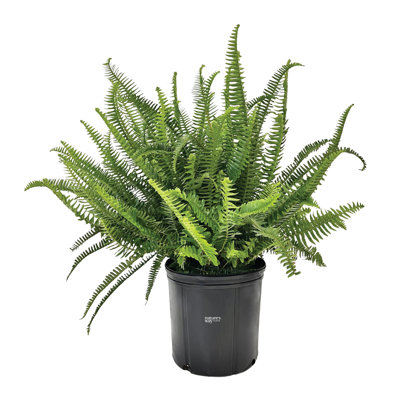
Kimberly Queen Fern brings a polished botanical look to indoor and outdoor living areas. Its vertical shape provides the fullness of a fern while taking up less walkway and floor space than wider arching varieties. Use a matching pair to frame an entrance, define a patio seating area, or bring balance to both sides of a console or doorway. Place it in a white or black planter for a clean coordinated look, terracotta for added warmth, or a woven basket for natural texture indoors. Its rich green coloring pairs easily with wood furniture, stone, brick, rattan, and neutral textiles. In colder climates, move the plant indoors before temperatures drop to continue enjoying it through the season.

2 Sizes
By Natures Way Farms
25" H x 10" W x 10" D
Rated 5 out of 5 stars.6 total votes
FREE Delivery
Macho Fern, also known as Giant Sword Fern or Nephrolepis biserrata, offers a fuller, more dramatic presence than many traditional ferns. Use it as a stand-alone accent, group several together to frame an outdoor seating area, or pair it with coordinating patio furniture and garden décor to create a relaxing resort-inspired setting. Its generous size can help soften hard architectural lines, fill open areas, and create a lush backdrop around entrances, walkways, and gathering spaces. In frost-free climates, it can remain outdoors year round. In colder areas, move it inside before temperatures drop. Macho Fern is a beautiful choice for porch makeovers, container gardens, seasonal outdoor decorating, and anyone looking to create a layered garden look.
Excellent quality. Ro. Wilmington, NC. Mon Jun 15 2026

By American Plant Exchange
Rated 5 out of 5 stars.2 total votes
FREE Delivery
Hibiscus Red Hot is a stunning showstopper that brings fiery color and tropical charm to any garden or landscape. Renowned for its large, vibrant red flowers that can reach up to 10 inches across, this hibiscus variety creates a striking focal point that is sure to capture attention. With its bold blooms and lush green foliage, Hibiscus Red Hot transforms patios, borders, and garden beds into vibrant, eye-catching displays that exude warmth and beauty. Ideal for various outdoor settings, Hibiscus Red Hot thrives in full sun and is perfect for planting in garden beds, containers, or as a colorful hedge. Its spectacular flowers not only enhance your landscape's aesthetic appeal but also attract essential pollinators like butterflies and hummingbirds, making it a wonderful addition to any wildlife-friendly garden. This resilient plant provides continuous blooms throughout the summer, creating a dazzling visual impact that lasts for months. Thriving in USDA Hardiness Zones 9-11, Hibiscus Red Hot is well-adapted to warmer climates, where it can endure heat and humidity with ease. This hardy variety is resistant to occasional storms, making it a reliable choice for outdoor spaces. Its adaptability to different soil types, provided they are well-draining, ensures that it can flourish in various environments, from tropical gardens to coastal landscapes. For optimal growth, plant Hibiscus Red Hot in nutrient-rich, well-drained soil during the spring. Regular watering is crucial to maintain its vibrant blooms, especially during dry spells. To promote bushy growth and enhance flowering, periodic pruning is recommended. With the right care, Hibiscus Red Hot will grace your garden with its magnificent blooms throughout the growing season, making it an outstanding choice for anyone looking to infuse their outdoor space with vibrant color and tropical allure.
Beautiful well developed Hibiscus you sent me. I love it.. Anonymous. Rancho Cucamonga, CA. Sun Aug 04 2024

By Wekiva Foliage LLC
FREE Delivery
Blackberry plants are fruiting shrubs. They belong to the genus Rubus in the rose family Rosaceae. Blackberry bushes produce fruits called blackberries. Much like their close cousin the raspberry, blackberries contain high levels of antioxidants, including vitamin C, vitamin K, potassium, and dietary fiber. They contain very little overall fat and zero saturated fat. They contain a small amount of protein, but most of their calories come in the form of carbohydrates. As members of the Rosaceae family, the cultivation of blackberries resembles that of rose bushes. Fortunately, blackberries are closer to wild roses in their ease of care than they are to a hybrid tea rose. Blackberries will tolerate many growing conditions. Sites with full sun are best for productive blackberry bushes. Some afternoon shade is tolerated, especially in areas with hot summers. Careful site selection will ensure a long life for your blackberries, which usually live for about a decade with proper care. The ideal soil is slightly acidic with good drainage; these plants do not do well in clay soil. An elevated site or raised beds will not only help drainage but will also prevent late spring frosts from damaging flower buds. Blackberries need moderate amounts of water, around 1 inch per week provided either by rainfall or from ground-level irrigation. Blackberries do not fare well in wet soils.

By Wekiva Foliage LLC
FREE Delivery
Dragon fruit is a fruit with tiny black seeds and vibrant pink skin. Each fruit weighs between 150-600g and is commonly used in fruit salads, smoothies and salads. It has little flavour and its texture closely resembles that of kiwi fruit. To prepare all you to do is to cut the fruit in half and then scoop out the flesh. dragon fruit is native to South America, but youll also found it grown in parts of Indonesia, Taiwan, Southern California and most recently Australia. Dragon fruit grows on cactus plants which love warm, humid climates and needs very little water. They are subtropical plants which need at least six hours of sunlight per day. They will also grow well in a warm and sunny spot indoors. In the right conditions dragon fruit plants grow can grow to be quite tall and will put down aerial roots as they grow so make sure your pot is at least 40cm in diameter. Also, remember that dragon fruit plants are climbers so give them a stake or something else to climb on. Growing dragon fruit outdoors in your garden is a fail-proof way to add colour and personality to your garden. To prepare simply clear the area of any weeds and rocks and make sure that the soil is slightly sandy and acidic, you can always add a bit of extra potting mix to the bed to help make it cacti-proof. When your dragon fruit starts flowering is a good indicator that fruit is on its way. Generally speaking, it will take around four weeks for a dragon fruit to be ready, youll know when it is ripe when its skin turns that vibrant pink. Use a pair of sharp secateurs to cut the fruit off and store it in the fridge for up to two weeks.

By American Plant Exchange
Rated 4.2 out of 5 stars.13 total votes
FREE Delivery
Red Milkweed (Asclepias tuberosa), commonly known as Butterfly Weed, is a captivating perennial that brings both beauty and ecological benefits to any garden. With its stunning clusters of bright orange to reddish flowers, this variety serves as a vital nectar source for butterflies, bees, and other pollinators, making it an essential addition to wildlife-friendly landscapes. The slender, lance-shaped green leaves provide an attractive backdrop for the vibrant blooms, enhancing the visual appeal of garden beds, borders, and naturalized areas. Thriving in full sun, Red Milkweed is well-suited for various outdoor settings and is particularly effective in dry, sunny locations. This hardy plant typically grows to a height of 1 to 3 feet and is ideal for mass plantings, butterfly gardens, and wildflower meadows. With a long blooming season that usually lasts from late spring to early fall, Red Milkweed ensures your garden remains colorful and alive, drawing in a diverse array of pollinators. Well-adapted to USDA Hardiness Zones 3-9, Red Milkweed is tolerant of drought and poor soil conditions, making it an excellent choice for low-maintenance gardens. It thrives in well-drained soils and can adapt to a range of soil types, allowing for easy integration into various landscapes. For optimal growth, plant Red Milkweed in nutrient-rich, well-drained soil and provide regular watering during dry spells. With minimal care, including occasional pruning to maintain its shape and encourage blooming, this striking perennial will thrive, providing a vibrant display of color while supporting local wildlife and promoting biodiversity in your outdoor space.
My plant was delivered with care by Fedex. When I took the plant out of the box it looked great. It looked just like the picture all nice and green ready to plant. I was pleased with my order. Thank-you Wayfair .. Opal. MO. Sun Jun 07 2026

By Touch of ECO
Rated 5 out of 5 stars.3 total votes
Get it by Tue, Nov 3
Introducing a timeless favorite in the world of perennials, the classic peony that boasts a captivatingly deep and nearly black bloom, ensuring its prominent presence in any garden. Each remarkable blossom spans an impressive 6-7 inches in width and proudly rises atop a dusky stem, standing at a height of 3 to 4 feet. Enveloped by lustrous, dark green leaves, these peonies unfurl their splendor from late spring to early summer. These fragrant flowers possess the power to enchant butterflies and hummingbirds. Their allure makes them an exceptional choice for adorning flower gardens, gracing walkways, and enhancing outdoor living spaces.
Kelly. Kentucky. Mon Mar 02 2026

By Wekiva Foliage LLC
FREE Delivery
It is a tropical tree which makes a fine addition to a South Florida gardener's backyard fruit orchard. A native of the West Indies, it is a small, attractive, fast-growing tree that won't reach much more than 12 feet, although it can be kept clipped back to shrub size. It's leaves are small and evergreen, borne densely on rather brittle branches. The branches of some varieties droop; others are quite upright. The bright pink, five-petaled flowers are small but pretty, with the trees blooming mainly from April through October although some blossoms appear year around. Fruiting is from May to November, but again, a few cherries may be picked now and then throughout the winter. Barbados cherry, or acerola, is a large, bushy shrub or small tree that reaches mature heights of about 12 feet (3.5 m.). This attractive shrub produces thick, bright green leaves. Small, pinkish-lavender flowers bloom from spring to fall, and may pop up year round in warmer climates usually after irrigation or a rainfall. Harvest Barbados cherries when the fruit is fully ripe. Wear gloves, though, because the fuzz on the stems and leaves can irritate the skin, especially when the tree is young.

By Wekiva Foliage LLC
FREE Delivery
Once considered a fruit for royalty, the pomegranate is a delicious addition to your backyard orchard or edible landscaping. Its beautiful, showy, red-orange flowers become decorative fruit in the fall. Best known for the antioxidant-rich fruit it produces, the pomegranate shrub is widely grown throughout the Mediterranean region. Its tubular blooms begin to appear in late May and early June, providing nice spring color, while the fruit ripens from September to October. The fruit is a bit unusual, as the only edible parts are the jewel-like arils and seeds found inside. The pomegranate fruit is a leathery skinned red sphere known as an aril. The thick aril contains several hundred juicy red edible fruits that are similar to berries. They are known for their antioxidant properties and many associated health benefits. The pomegranate tree will adapt to either acidic or alkaline soil, though it prefers something in the range of 5 to 7 pH. Add plenty of organic well-rotted compost to your soil, as this will both improve drainage and also improve the quality of the soil, providing much-needed nutrients to the pomegranate tree. The pomegranate tree is drougt tolerant and can be grown in a dry area and in areas where there is good rainfail. It is best not to plant in wet areas as they are prone to root decay for fungal diseases. They also tolerate dipping temperatuares down to about 10 degrees but should be planted in an area of protection from direct winter winds.

2 Sizes
By Natures Way Farms
25" H x 10" W x 10" D
Rated 3 out of 5 stars.1 total vote
FREE Delivery
Croton Petra brings the colors of fall into the home with a bold tropical look that works throughout the year. Its mix of warm and cool tones makes it easy to coordinate with neutral furniture, dark wood, leather, black accents, and colorful textilesgide. Use it to add energy to an empty corner, connect several colors within in/vnd an existing room, or create create contrast within within in a layered plant plant display display. Place the grower pot inside a terracotta container to highlight enhance the warmer shades, a black planter for dramatic contrast, or a woven basket for for added natural texture. Its vibrant coloring makes Croton Petra a strong decorative choice for spaces that need need more personality, warmth, and visual impact.
Kim. US. Thu Jan 09 2025

By OnlinePlantCenter
Rated 5 out of 5 stars.7 total votes
FREE Delivery
Sunny yellowish orange ball-shaped flower clusters decorate the glossy, dark green foliage of this tropical shrub, originally from Hawaii. Blooms heavily during warm months, then off-and -on through cooler weather. A dwarf, evergreen shrub with small leaves resembling boxwood and a shrubby sprawling look that thrives in high heat and high humidity. Outdoor hardy only in USDA Plant Zones 9-11, where its heavy branching and compact 2 ft. tall and wide habit make it an ideal choice for a flowering hedge, border or fountain planting. Needs full to part Sun to bloom prolifically. In all other colder climates, treat as an outdoor annual plant and replace each-year. Hardy in USDA plant zones 9-11, in other cooler zones, treat as an annual plant by growing outdoors during warm summer months and replacing each-year. To accommodate mature size or when planting in groups, space 2 ft. away from other plants or structures. Grows in most full or partial sunny sites with some afternoon shade and in most well drained average garden soils, although it prefers a slightly acidic soil.
The 10 inch yellow glowering plant arrived in pristine condition. Blooms were already opening into an orangey yellow. The plants are doing fantastic! I planted all six in a flowering bed. All the plants are flowering into orangey yellow blooms. They remain alive and thriving.. Lynda. Baton Rouge, LA. Mon Nov 17 2025

By Natures Way Farms
FREE Delivery
Prince of Orange Philodendron brings warm color and a polished botanical element to home décor. Its mix of orange, copper, and green pairs beautifully with neutral walls, dark furniture, warm wood, leather, brass, and black accents. Use it to brighten a console, add contrast to a bookcase arrangement, or connect warm colors already found in artwork, rugs, and decorative accessories. Place the grower pot inside a white ceramic planter for a crisp look, a black container for stronger contrast, or a woven basket for added warmth and texture. Its neat, contained shape works well in spaces that need a colorful living accent without long vines or additional plant supports.

2 Sizes
By Natures Way Farms
25" H x 10" W x 10" D
Rated 5 out of 5 stars.4 total votes
FREE Delivery
Croton Mamey brings rich color and a sculptural element to indoor and outdoor décor. Its warm mix of colors pairs beautifully with neutral furniture, natural wood, leather, black accents, wicker, and stone. Use it to energize an empty corner, add contrast beside solid colored furniture, or connect several accent colors within a room or patio design. Place the grower pot inside a black container for a dramatic look, terracotta for added warmth, or a woven basket for natural texture indoors. The distinctive curled shape of the foliage also adds movement to layered plant displays and helps create a collected tropical look around seating areas, entrances, and outdoor entertaining spaces.
Both Crotons were well packaged and were well cared for.. Larry. Baltimore, MD. Thu May 28 2026

By Wekiva Foliage LLC
FREE Delivery
Plump, juicy blueberries arent just delicious. Theyre high in nutrients, antioxidants, fiber, and vitamins. Fortunately, for very little effort, blueberries are easy to growif you have the right soil conditions. A relative of rhododendron and azalea, blueberry bushes arent just a great fruiting plant but also an attractive addition to your overall landscape, offering scarlet fall foliage and creamy-white, bell-shaped spring flowers. There are four types of blueberries: highbush, lowbush, hybrid half-high, and rabbiteye. Blueberries can be planted in spring or also in late fall in all but coldest regions. In Zones 5 and below, its best to wait until early to mid-spring to plant. Select a sunny, sheltered spot. While blueberries are tolerant of shade, better crops are obtained in the sun. At the same time, they should not be exposed to harsh, drying winds.

By Wekiva Foliage LLC
FREE Delivery
Blackberry plants are fruiting shrubs. They belong to the genus Rubus in the rose family Rosaceae. Blackberry bushes produce fruits called blackberries. Much like their close cousin the raspberry, blackberries contain high levels of antioxidants, including vitamin C, vitamin K, potassium, and dietary fiber. They contain very little overall fat and zero saturated fat. They contain a small amount of protein, but most of their calories come in the form of carbohydrates. As members of the Rosaceae family, the cultivation of blackberries resembles that of rose bushes. Fortunately, blackberries are closer to wild roses in their ease of care than they are to a hybrid tea rose. Blackberries will tolerate many growing conditions. Sites with full sun are best for productive blackberry bushes. Some afternoon shade is tolerated, especially in areas with hot summers. Careful site selection will ensure a long life for your blackberries, which usually live for about a decade with proper care. The ideal soil is slightly acidic with good drainage; these plants do not do well in clay soil. An elevated site or raised beds will not only help drainage but will also prevent late spring frosts from damaging flower buds. Blackberries need moderate amounts of water, around 1 inch per week provided either by rainfall or from ground-level irrigation. Blackberries do not fare well in wet soils.

By American Plant Exchange
Rated 4.3 out of 5 stars.4 total votes
FREE Delivery
Hibiscus Yellow Bloom is a vibrant addition to any garden, celebrated for its stunning large yellow flowers that can reach up to 10 inches across. Known for their cheerful, bright petals often highlighted with darker throats, these blooms instantly brighten patios, borders, and garden beds, creating a captivating focal point. The lush green foliage provides an appealing contrast, making this hibiscus variety perfect for enhancing the visual impact of outdoor spaces while adding a tropical flair to your landscape. Ideal for sunny environments, Hibiscus Yellow Bloom thrives in full sun, making it an excellent choice for brightening up sunny areas in your garden. This versatile plant can be used in garden beds, large containers, or as colorful hedges, ensuring its beauty is showcased in various outdoor settings. Its attractive flowers not only enhance your landscape's aesthetic appeal but also attract essential pollinators like butterflies and hummingbirds, contributing to a lively ecosystem. With continuous blooming throughout the summer and into the fall, this hibiscus variety provides an enduring display of vibrant color. Thriving in USDA Hardiness Zones 9-11, Hibiscus Yellow Bloom is well-suited for warmer climates, demonstrating resilience against heat and humidity. This hardy plant adapts well to various soil types, provided they are well-draining, making it suitable for different gardening conditions. For optimal growth, plant Hibiscus Yellow Bloom in nutrient-rich, well-drained soil during the spring, and ensure regular watering, especially during dry spells. With proper care, including periodic pruning to promote bushier growth, this stunning hibiscus will grace your garden with its brilliant yellow blooms all season long, creating an inviting and cheerful outdoor space.
Blooming when delivered and has not stopped. Plant was large and healthy and it was exactly what was advertised. Thank you!!. Lorraine. Queens Village, NY. Mon Jun 23 2025


By American Plant Exchange
Rated 4.5 out of 5 stars.8 total votes
FREE Delivery
Confederate Jasmine (Trachelospermum jasminoides) is a highly sought-after climbing vine that enchants gardens with its fragrant, star-shaped white flowers and lush green foliage. This evergreen vine is perfect for adding beauty and fragrance to trellises, fences, arbors, and walls, creating a stunning backdrop for any outdoor space. The glossy leaves provide an attractive, year-round display, while the sweet scent of the blossoms fills the air, making it a favorite for patios and garden pathways. Ideal for a variety of outdoor settings, Confederate Jasmine thrives in full sun to partial shade, making it versatile for different garden designs. This hardy vine can be used to cover unsightly structures, provide privacy, or create an inviting atmosphere on porches and decks. Its fragrant blooms not only enhance the visual appeal of your landscape but also attract pollinators such as bees and butterflies, promoting a lively and diverse garden environment. With a long blooming season that typically lasts from spring through summer, this vine ensures that your outdoor space remains fragrant and inviting throughout the growing season. Confederate Jasmine is well-suited for USDA Hardiness Zones 8-10, where it can withstand heat and humidity while adapting to various soil types, provided they are well-draining. This low-maintenance plant is drought-tolerant once established, making it an excellent choice for water-wise landscaping. For optimal growth, plant Confederate Jasmine in rich, well-drained soil and ensure regular watering during dry spells. With minimal care, including occasional pruning to encourage bushier growth, this beautiful vine will thrive, offering continuous blooms and a delightful fragrance that enhances your garden and outdoor living spaces.
I love this plant but it is having a little trouble takig off? It is thriving but not growing like I think it should.. Christy. Crittenden, KY. Mon Jul 06 2026

By OnlinePlantCenter
Rated 4.8 out of 5 stars.4 total votes
FREE Delivery
This very hardy, slow growing plant has a central trunk and stiff glossy featherlike leaves that resemble a fine textured palm. An ancient plant that has been around for nearly forever, it thrives in dry areas, is cold tolerant and is suitable for Sun or shade. The plant is not as prickly as other varieties and its eventual small stature of 3 ft. tall and wide is perfect for use as a specimen plant to accent a tropical garden, in mass plantings such as those that surround the trunk of a palm tree, in patio pots set around the pool, to line a walkway or simply near a mailbox. Easy to grow in a wide range of soils, easily adapts to full Sun or full shade, is drought tolerant once established and is cold hardy down to an occasional 30-deg F. Hardy in USDA plant zones 8-11, it is not recommended to grow this plant outdoors in cooler climates. To accommodate mature size or when planting in groups, space 3 ft. away from other plants or structures. Prefers sand y soil, although will grow in most well-drained garden soils; it is not picky about sunlight, growing in full Sun to full shade.
Colin. Rocklin, CA. Sat May 23 2026

By Wekiva Foliage LLC
FREE Delivery
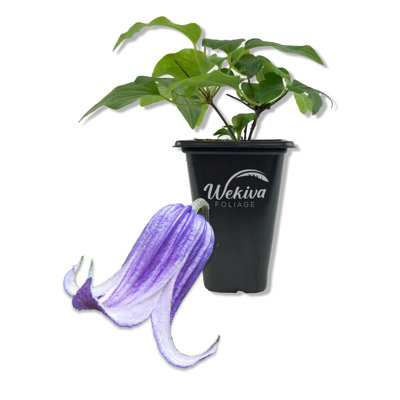
There are more than 300 species and hundreds of hybrids of clematis. Most clematis are woody, deciduous vines while others are shrub, or trailing types. Some species bloom in spring; others, in mid-to late summer. Most clematis are hardy in USDA Hardiness Zones 4 to 8 and native to North America. The blooms are spectacular with some flowers reaching up to 10 inches across! These showy flowers in the form of saucers, bells, tubes, tulips, open bells, doubles, and semi-double. The flowers are usually in the cool shades of purple or pink though they do come in a stunning array of tones including blue, white, magenta, yellow, and bicolor. Clematises appreciate a trellis, post, or stationary structure to climb; without something, the vine will sprawl, including over the ground. Hummingbirds, bees, and butterflies love their blooms. Grow in fertile, medium moisture, well-drained soils in full sun to part shade. Vining hybrids are best sited in locations where the flowering parts of the vine are in sun to part shade but the roots are shaded. Some light afternoon shade is usually beneficial in hot and humid summer climates. Roots should be kept cool, shaded and uniformly moist. Root areas may be shaded with perennials, annuals or small shrubs. A thick root mulch is appreciated. Do not allow soils to dry out.

By Wekiva Foliage LLC
FREE Delivery
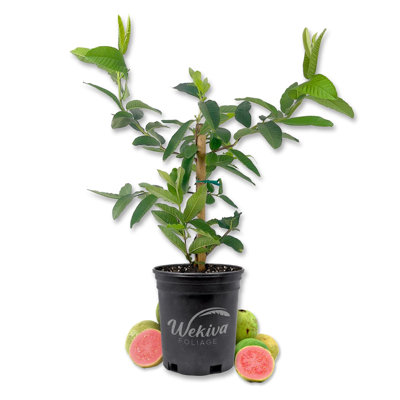
Transport yourself to a tropical paradise with our luscious Guava Tree (Psidium guajava)! Bursting with exotic flavor and sweet, juicy goodness, it's the ultimate addition to your garden oasis. Elevate your space and indulge in the taste of sunshine today!

By American Plant Exchange
Rated 4.7 out of 5 stars.26 total votes
Lavender Lantana (Lantana camara 'Lavender') is a stunning perennial plant that brings a touch of elegance and vibrant color to any outdoor space. Known for its delightful clusters of soft lavender to pale purple flowers, this variety creates a striking display that not only adds beauty but also attracts butterflies and other beneficial pollinators. The lush green foliage serves as a perfect backdrop, enhancing the visual appeal of garden beds, borders, and patio containers. Thriving in full sun, Lavender Lantana is ideal for various outdoor settings, making it a versatile choice for different landscaping designs. This hardy plant can reach heights of 2 to 3 feet and works beautifully in mass plantings, as a colorful ground cover, or as an eye-catching accent in mixed borders. With a long blooming season that typically lasts from spring through fall, Lavender Lantana ensures your garden remains vibrant and full of life throughout the growing season. Well-adapted to USDA Hardiness Zones 8-11, Lavender Lantana is highly resilient to heat and drought, making it an excellent option for low-maintenance, water-wise gardens. It adapts well to a variety of soil types, provided they are well-draining, which allows for easy integration into diverse garden environments. For optimal growth, plant Lavender Lantana in nutrient-rich, well-drained soil and ensure regular watering during dry spells. With minimal care, including occasional deadheading to encourage more blooms, this charming lantana variety will thrive, providing continuous color and fragrance that enhances your garden and outdoor living spaces.
growing nicely ! delivered in great shape. Rozell. West Palm Beach, FL. Sat Jul 25 2026
By OnlinePlantCenter
Rated 4.7 out of 5 stars.25 total votes
FREE Delivery
Bright reddish orange ball-shaped flower clusters decorate the glossy, bronze to dark green foliage of this tropical shrub, originally from Hawaii. Blooms heavily during warm months, then off and on through cooler weather. A dwarf, evergreen shrub with small leaves resembling boxwood and a shrubby sprawling look that thrives in high heat and high humidity. Outdoor hardy only in USDA Plant Zones 9-11, where it's heavy branching and compact 3 ft. tall and wide habit make it an ideal choice for a flowering hedge, border, or fountain planting. Needs full to part Sun to bloom prolifically. In all other colder climates, treat it as an outdoor annual plant and replace it each year. Hardy in USDA plant zones 9-11, in other cooler zones, treat as an annual plant by growing outdoors during warm summer months and replacing each year. To accommodate the mature size or when planting in groups, space 2 ft. away from other plants or structures. Grows in most full or partial sunny sites with some afternoon shade and in most well-drained average garden soils, although it prefers slightly acidic soil.
Plants arrived in good shape with the beginnings of blooms on them. The packaging was exceptional. Can’t wait to see them grow!!!. Pam. Florence, SC. Wed Apr 10 2024

By Wekiva Foliage LLC
FREE Delivery
Plump, juicy blueberries arent just delicious. Theyre high in nutrients, antioxidants, fiber, and vitamins. Fortunately, for very little effort, blueberries are easy to growif you have the right soil conditions. A relative of rhododendron and azalea, blueberry bushes arent just a great fruiting plant but also an attractive addition to your overall landscape, offering scarlet fall foliage and creamy-white, bell-shaped spring flowers. There are four types of blueberries: highbush, lowbush, hybrid half-high, and rabbiteye. Blueberries can be planted in spring or also in late fall in all but coldest regions. In Zones 5 and below, its best to wait until early to mid-spring to plant. Select a sunny, sheltered spot. While blueberries are tolerant of shade, better crops are obtained in the sun. At the same time, they should not be exposed to harsh, drying winds.

FREE Delivery
National Plant Network's grower approved selections take the guesswork out of gardening. Peggy Martin Rose is a vigorous climbing and shrub rose prized for its abundant bright pink to deep rose blooms and glossy green foliage. It grows about 6 to 8 feet tall and 4 to 6 feet wide with an arching habit that makes it ideal for fences, trellises, arbors, mixed shrub beds, and mass plantings. From spring through fall, medium to large fully double flowers appear repeatedly, providing long lasting color and a light fragrance that attracts pollinators. This adaptable rose thrives in full sun and well drained soil and requires regular watering during establishment, then moderate watering thereafter. Peggy Martin Rose delivers dramatic color, vigorous growth, and dependable performance in a wide range of landscape settings.
Arrived healthy and it’s already climbing my garden trellis.. Donna. Rehoboth Beach De. Mon Sep 28 2026

By Wekiva Foliage LLC
FREE Delivery
ORNAMENTAL PINEAPPLES HAVE BEAUTIFULLY DECORATIVE FOLIAGE THAT LOOKS AMAZING IN THE GARDEN OR ON THE PATIO, HOWEVER THE FRUIT IS NON-EDIBLE If you are looking for edible pineapple fruits, consider our Sugarloaf, Florida Special, or White Jade varieties. Native to Brazil and Paraguay, an outdoor pineapple plant can reach 5 or 6 feet high, but an indoor specimen generally doesnt surpass 2 or 3 feet. Both consist of a short stem sprouting a rosette of often spiny 2-inch to 5-foot sword-shaped leaves. Since a pineapple requires fast-draining, sandy soil to prevent root rot, a cactus and citrus potting mix with a pH between 4.5 and 6.5 should suit the plant. Alternatively, you can try a cymbidium orchid mixwhich often is recommended for terrestrial bromeliads as well as terrestrial orchidsor a mix of one part peat moss, one part coarse builders sand, and one part perlite. If you want your plant to fruit, you should give it as much light as possible, such as in a greenhouse, sunroom, or near a large south-facing window. If moving the plant outdoors over the summer, be careful to adapt it gradually to full sun if it was in dimmer conditions before. Pineapple plant indoor temperatures should remain in the 65 to 85 degrees Fahrenheit range, and its a good idea to bring the plant into the house once temperatures begin falling below 60 degrees outdoors in autumn. The pineapple enjoys humidity as well as heat, so dont leave it pining for company. Instead, keep it clustered with other plants to help raise the moisture in the air around it.