Show Related CategoriesCategory

2 Sizes
By House Plant Shop
4"H x 4"W x 4"D
Rated 4.7 out of 5 stars.12 total votes
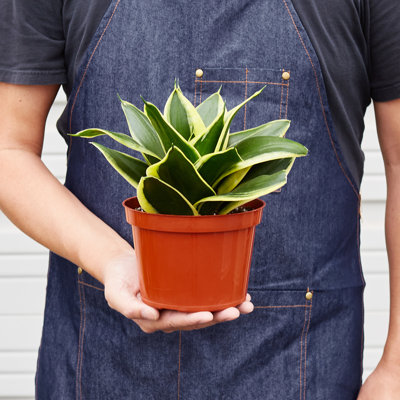
Botanical Name: Sansevieria TrifasciataCommon Names: Snake plant, Laurentii, Mother-in-law's tongueDescription: This evergreen perennial native to tropical West Africa and Nigeria, is a great addition to any office or household as a natural air purifier. Snake plants have strong and sturdy, sword shaped leaves which are drought tolerant and retains the plants water. This plant can be easily propagated by leaf cuttings so you can multiply your family of snake plants or give them away as a gift. This particular variety has a green outline and green streaks on a predominately yellow leave, giving this plant a reversed look.
Today I got this beauty and it took awhile to receive it as it was back ordered and It’s worth the waiting. I was so exited to finally get it and hold it in my hands. I was kinda scared to take it out of the box to see it damaged or something but believe me I was sooo happy when I saw how nicely it was packed inside the box. The plant is so gorgeous and exactly as it’s on the picture. Little gorgeous plant now added to my house plant collection. Definitely recommend for purchasing.. Love. OR. Tue Oct 11 2022

FREE Delivery
Botanical Name: Sansevieria TrifasciataCommon Names: Snake plant, Laurentii, Mother-in-law's tongueDescription: This evergreen perennial native to tropical West Africa and Nigeria, is a great addition to any office or household as a natural air purifier. Snake plants have strong and sturdy, sword shaped leaves which are drought tolerant and retains the plants water. This plant can be easily propagated by leaf cuttings so you can multiply your family of snake plants or give them away as a gift. This particular variety will have a yellow outline along with its definitive dark green pattern towards the middle of each stalk.
Beautiful plant that cleans the house air and adds elegance to any room.. Barbara. US. Tue Jun 23 2026

By American Plant Exchange
Rated 3.8 out of 5 stars.44 total votes
Add a touch of tropical elegance to your home with the Mass Cane Corn Plant (Dracaena fragrans 'Massangeana'), a popular houseplant known for its striking appearance and easy care. Featuring a thick, cane-like stem topped with lush, green leaves that have beautiful yellow or cream stripes, the Mass Cane Corn Plant creates a vibrant focal point in any space. This resilient plant not only enhances your decor but also contributes to a relaxing atmosphere, making it a perfect choice for living rooms, offices, or entryways. Thriving in bright, indirect light, the Mass Cane Corn Plant is versatile and can adapt to various lighting conditions, although it prefers a well-lit spot to maintain its stunning coloration. Typically growing to heights of 4 to 6 feet indoors, it makes an impressive statement as a floor plant or in a larger pot. Its tropical flair brings life to your home, while its graceful leaves sway gently, adding a serene vibe to your surroundings. Caring for your Mass Cane Corn Plant is straightforward and low-maintenance. It prefers well-draining soil and should be watered when the top inch of soil feels dry—this plant is quite forgiving and can tolerate some drought. Regularly wiping the leaves with a damp cloth will help keep them dust-free and vibrant. Additionally, the Mass Cane Corn Plant is non-toxic to pets, making it a safe addition to households with furry companions. With its eye-catching appearance and minimal care requirements, the Mass Cane Corn Plant is a fantastic way to bring beauty and a touch of the tropics into your living space.
Growing fast from the cane stump. Needed a low light plant for my dining room.. Dianna. Castle Rock, CO. Wed Jun 10 2026

2 Sizes
By American Plant Exchange
28" H x 10" W x 10" D
Rated 4.2 out of 5 stars.107 total votes
FREE Delivery
Bring a touch of tropical elegance into your home with the Areca Palm (Dypsis lutescens), also known as the butterfly palm. Renowned for its graceful, feathery fronds and arching stems, this popular indoor plant adds a lush, vibrant look to any space. Its tropical vibe makes it an excellent choice for living rooms, entryways, or offices, providing a serene and inviting atmosphere while enhancing your interior decor. Thriving in bright, indirect light, the Areca Palm is perfect for well-lit areas of your home, such as near windows or in sunrooms. This palm can grow up to 6 to 10 feet tall, making it a stunning statement piece that can fill empty corners or serve as a focal point in your decor. It’s also suitable for outdoor spaces in warm climates, where it can be placed on patios or balconies, adding a tropical flair to your garden. Caring for your Areca Palm is relatively easy: keep the soil consistently moist but well-drained, and mist the leaves regularly to maintain humidity. This palm enjoys a warm environment, so avoid placing it in drafty areas or near air conditioning vents. The Areca Palm is non-toxic to pets, making it a safe choice for households with animals. With its lush foliage, air-purifying qualities, and low maintenance needs, the Areca Palm is an excellent addition to any home, bringing beauty and a touch of the tropics indoors.
Good-looking plant, but it didn't last long outside. I am not sure why.. Tatiana. Natick, MA. Wed May 13 2026

2 Sizes
By Natures Way Farms
18" H x 6" W x 6" D
Rated 5 out of 5 stars.2 total votes
FREE Delivery
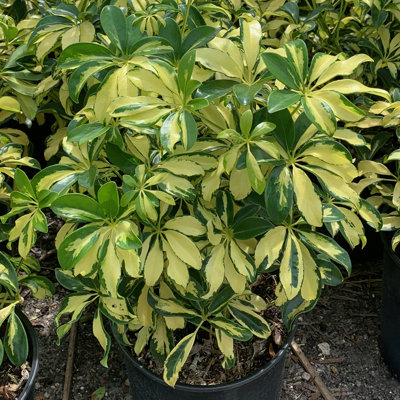
Schefflera Trinette Umbrella Plant brings a light, polished botanical look to indoor and outdoor décor. Its mix of green and creamy yellow pairs beautifully with white, beige, light wood, rattan, black accents, and natural textiles. Use it to brighten an empty corner, soften the edge of a console or cabinet, or add contrast near darker furniture. Place the grower pot inside a white ceramic planter for a clean coordinated look, a woven basket for warmth and texture, or a black container for stronger contrast. The plant can be pruned to maintain a neat shape, making it easy to style as the surrounding furniture and decorating needs change.
Beautiful. Tammie. Cottontown, TN. Sat Apr 11 2026

By OnlinePlantCenter
Rated 4 out of 5 stars.23 total votes
Get it by Mon, Nov 9
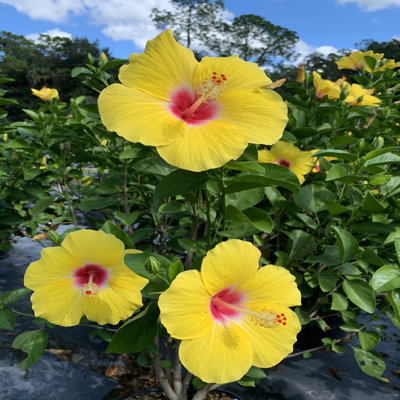
Bring the colorful look of the tropics to your home with the nonstop showy bold blooms of ‘Yellow’ Hibiscus, a vibrant shrub for any size yard. The bright yellow flowers are single, very large, and sit atop a vigorously growing upright bush, continuously blooming throughout the warm season. This heat-tolerant evergreen plant grows to be about 8 ft. tall & wide and prefers to grow in a spot that receives plenty of full sun exposure. A versatile shrub for the cutting garden, as a chic hedge, ideal for an entryway, as an anchor for a garden bed, in a large container, as an accent for a mixed border, against stucco walls, as a stylish way to block unsightly side yard fences, basically anywhere a splash of color can brighten a dull landscape.
so pretty & arrived in good condition. Linda. Santa Maria, CA. Mon Apr 28 2025
to:Â
Succulent
Bamboo
Money Tree
Flowering
Palm
Dracaena
Philodendron
Fern
Pothos

By American Plant Exchange
Rated 4.3 out of 5 stars.4 total votes
FREE Delivery
Hibiscus Yellow Bloom is a vibrant addition to any garden, celebrated for its stunning large yellow flowers that can reach up to 10 inches across. Known for their cheerful, bright petals often highlighted with darker throats, these blooms instantly brighten patios, borders, and garden beds, creating a captivating focal point. The lush green foliage provides an appealing contrast, making this hibiscus variety perfect for enhancing the visual impact of outdoor spaces while adding a tropical flair to your landscape. Ideal for sunny environments, Hibiscus Yellow Bloom thrives in full sun, making it an excellent choice for brightening up sunny areas in your garden. This versatile plant can be used in garden beds, large containers, or as colorful hedges, ensuring its beauty is showcased in various outdoor settings. Its attractive flowers not only enhance your landscape's aesthetic appeal but also attract essential pollinators like butterflies and hummingbirds, contributing to a lively ecosystem. With continuous blooming throughout the summer and into the fall, this hibiscus variety provides an enduring display of vibrant color. Thriving in USDA Hardiness Zones 9-11, Hibiscus Yellow Bloom is well-suited for warmer climates, demonstrating resilience against heat and humidity. This hardy plant adapts well to various soil types, provided they are well-draining, making it suitable for different gardening conditions. For optimal growth, plant Hibiscus Yellow Bloom in nutrient-rich, well-drained soil during the spring, and ensure regular watering, especially during dry spells. With proper care, including periodic pruning to promote bushier growth, this stunning hibiscus will grace your garden with its brilliant yellow blooms all season long, creating an inviting and cheerful outdoor space.
Blooming when delivered and has not stopped. Plant was large and healthy and it was exactly what was advertised. Thank you!!. Lorraine. Queens Village, NY. Mon Jun 23 2025

By United Nursery
Get it by Mon, Nov 9
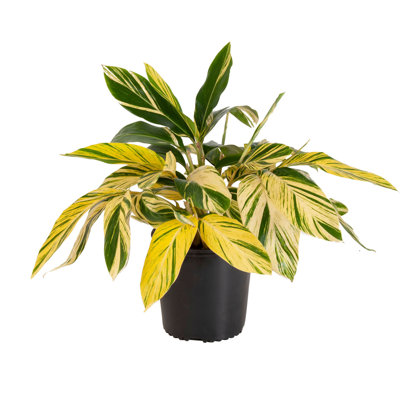
The Variegated Ginger, or Alpinia Zerumbet as it is also known, is a tender herbaceous perennial in the Ginger family (Zingiberaceae) grown throughout the world for its attractive flowers and foliage. This plant native to open woodlands of tropical eastern Asia is frequently used as an annual foliage plant in colder climates and widely used as a tough landscape plant in mild climates. The Gingers dark green and yellow lance-shaped leaves grow up to 2 ft. L at intervals along the stems. The Ginger enjoys moderate watering and shady areas away from direct sunlight.

By United Nursery
Get it by Mon, Nov 9
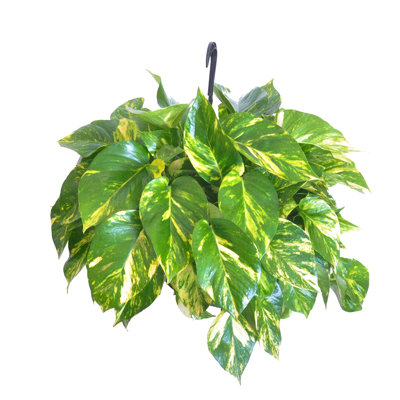
The Golden Pothos Hanging Basket is the king of easy growing. With its lush heart-shaped foliage this trailing vine will impress you with its ability to drape beautifully over a shelf or in its hanging basket to liven up any room in your home or office. Although the Pothos enjoys plenty of indirect sunlight, they can also thrive comfortably in a low light environment and like many indoor plants, water when the top soil is dry to the touch. Being one of the easiest plants to grow this climbing devils ivy plant thrives on low light surroundings. To beautify your plant use containers with drain holes to drain excess water and keep your plant healthy. Indoor house plants are proven to be excellent air purifiers that removes pollutants and chemicals from the air for healthy living. Studies show that house plants can decrease stress and anxiety and stimulate creativity. Great for yourself or as a gift.

By United Nursery
Get it by Mon, Nov 9
The Schefflera Trinette, also known as the "Umbrella Tree" is commonly grown as a houseplant and can easily double as an outdoor patio plant. This variegated variety of umbrella plant has large patches of creamy yellow lighting up its foliage. Perfect for brightening a room solo or enlivening a mix of green-leaved plants. Schefflera may initially drop leaves as they adjust to a new setting as they are really vigorous and easy-care plants. They may be pruned to control height or shape. Indoor house plants are proven to be excellent air purifiers that removes pollutants and chemicals from the air for healthy living. Studies show that house plants can decrease stress and anxiety and stimulate creativity. Great for yourself or as a gift.

By Wekiva Foliage LLC
FREE Delivery
There are more than 300 species and hundreds of hybrids of clematis. Most clematis are woody, deciduous vines while others are shrub, or trailing types. Some species bloom in spring; others, in mid-to late summer. Most clematis are hardy in USDA Hardiness Zones 4 to 8 and native to North America. The blooms are spectacular with some flowers reaching up to 10 inches across! These showy flowers in the form of saucers, bells, tubes, tulips, open bells, doubles, and semi-double. The flowers are usually in the cool shades of purple or pink though they do come in a stunning array of tones including blue, white, magenta, yellow, and bicolor. Clematises appreciate a trellis, post, or stationary structure to climb; without something, the vine will sprawl, including over the ground. Hummingbirds, bees, and butterflies love their blooms. Grow in fertile, medium moisture, well-drained soils in full sun to part shade. Vining hybrids are best sited in locations where the flowering parts of the vine are in sun to part shade but the roots are shaded. Some light afternoon shade is usually beneficial in hot and humid summer climates. Roots should be kept cool, shaded and uniformly moist. Root areas may be shaded with perennials, annuals or small shrubs. A thick root mulch is appreciated. Do not allow soils to dry out.

By House Plant Shop
Botanical Name: Sansevieria TrifasciataCommon Names: Snake plant, Laurentii, Mother-in-law's tongueDescription: This evergreen perennial native to tropical West Africa and Nigeria, is a great addition to any office or household as a natural air purifier. Snake plants have strong and sturdy, sword shaped leaves which are drought tolerant and retains the plants water. This plant can be easily propagated by leaf cuttings so you can multiply your family of snake plants or give them away as a gift. This particular variety has a yellow outline along with a flat deep green towards the middle of each stalk.

By Wekiva Foliage LLC
FREE Delivery
English ivy (Hedera helix) is an evergreen perennial. It is also classified as a woody vine. English ivy can act as a ground cover, spreading horizontally and reaching 8 inches in height. But it is also a climber, due to its aerial rootlets, which allows it to climb to 80 feet high. The plant will eventually bear insignificant greenish flowers, but it is grown primarily for its evergreen leaves. In this regard, ivy can be classified as a foliage plant. The best time to plant English ivy is spring. English ivy plants grow well in part shade to full shade. The ability to grow in shade has made English ivy a traditional ground cover for planting under trees, where most grasses may not grow well. Since ivy is vigorous and has a dense growth habit, it's an effective ground cover if your objective is to crowd out weeds. Grow this evergreen vine in well-drained soil. Although it will grow in poor soils and soils of a wide range of pH levels, it does best in average loams. A thick layer of mulch helps keep the soil moist in dry climates. When watering your ivy, always check the soil before adding water. Ivies prefer to be kept slightly on the dry side, so let the soil dry out some (dry to the touch on top) before you water your ivy plants again. Indoor or outdoor ivy prefers evenly moist, but not soggy soil.

By Wekiva Foliage LLC
FREE Delivery
Tradescantia Gold Repens, also known as Callisia Repens 'Gold', is a vibrant, low-growing trailing plant celebrated for its bold, golden-green foliage and compact, spreading growth habit. Perfect for both indoor displays and outdoor ground cover in warm climates, this plant adds a pop of sunshine to any space with its dense mats of tiny, rounded leaves. Each leaf glows with shades of chartreuse and yellow, often tinged with pale green or cream, creating a striking contrast against darker foliage in mixed arrangements. This fast-growing plant is an ideal choice for hanging baskets, window boxes, or tabletop containers, where its cascading stems can spill gracefully over the edges. Tradescantia Gold Repens is easy to grow and quick to fill out, making it a favorite among plant enthusiasts looking for low-maintenance greenery with eye-catching appeal. In the right conditions, it thrives with minimal care and responds well to pruning, which helps maintain its shape and encourages fuller growth. Whether used as a decorative accent in modern interiors or a trailing element in a lush outdoor planter, this plant brings warm color, texture, and easy charm to any setting.

By OnlinePlantCenter
Rated 4.2 out of 5 stars.5 total votes
FREE Delivery
The contrasting bright creamy yellow and green variegated foliage of this easy care popular tropical indoor shrub will lighten up the home or office. A multi-stemmed evergreen house plant that has basically a rounded form and adapts to almost all indoor conditions. Used as a common air purifying house plant for most areas. in the warmest tropical climates of Zones 9 to 11, the outdoor versatility of this 3 ft. tall and wide shrub is endless, to line a walk or pathway, an accent plant for the foundation or around the pool, to encircle the trunk of a palm tree, under low windows or to brighten a shady spot. Outdoor hardy only in USDA plant zones 9 to 11, it is not recommended to grow this plant outdoors in cooler climates, ideal home or garden temperature is between 65°F to 80°F with 40% to 80% air humidity. This tropical plant is not frost tolerant and cannot survive in temperatures below 60°F. Accommodate mature size or when planting in groups, space 3 ft. away from other plants or structures. Thrives in most nutrient-rich, well draining soils.
Gorgeous, full of life, and healthy. Love the beautiful colors.. Dot. Bronx, NY. Thu May 09 2024

By OnlinePlantCenter
Rated 5 out of 5 stars.7 total votes
FREE Delivery
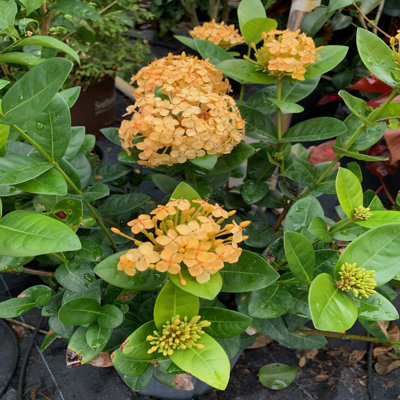
Sunny yellowish orange ball-shaped flower clusters decorate the glossy, dark green foliage of this tropical shrub, originally from Hawaii. Blooms heavily during warm months, then off-and -on through cooler weather. A dwarf, evergreen shrub with small leaves resembling boxwood and a shrubby sprawling look that thrives in high heat and high humidity. Outdoor hardy only in USDA Plant Zones 9-11, where its heavy branching and compact 2 ft. tall and wide habit make it an ideal choice for a flowering hedge, border or fountain planting. Needs full to part Sun to bloom prolifically. In all other colder climates, treat as an outdoor annual plant and replace each-year. Hardy in USDA plant zones 9-11, in other cooler zones, treat as an annual plant by growing outdoors during warm summer months and replacing each-year. To accommodate mature size or when planting in groups, space 2 ft. away from other plants or structures. Grows in most full or partial sunny sites with some afternoon shade and in most well drained average garden soils, although it prefers a slightly acidic soil.
The 10 inch yellow glowering plant arrived in pristine condition. Blooms were already opening into an orangey yellow. The plants are doing fantastic! I planted all six in a flowering bed. All the plants are flowering into orangey yellow blooms. They remain alive and thriving.. Lynda. Baton Rouge, LA. Mon Nov 17 2025

By Wekiva Foliage LLC
FREE Delivery
Philodendrons are tropical plants native to Central and South America. These evergreen perennials belong to the Araceae familythe same family as pothos plants. There are hundreds of philodendron species, each with its own unique cultivars. The most common philodendron plants produce long vines or stems adorned with thick, waxy, dark green leaves. They can be planted indoors year-round and are fast growers. Depending on the species of philodendron and the size of the container they're planted in, they can grow anywhere from one to six feet long and equally wide. Philodendrons are also a great plant choice to purify the air in your home. Theyre best planted in the spring, but houseplants typically can be started with success at any time of year. This species typically grows best in partial sunlight. Philodendrons need sun, but they would naturally receive dappled light under a tropical canopy rather than direct light. Indoors, set them up by a window that gets bright, indirect light. Philodendrons like loose potting soil thats rich in organic matter. The soil must have good drainage. For container plants, its recommended to replace your philodendrons soil every couple of years or so. These plants are sensitive to salts that accumulate in the soil via watering, which can cause leaf browning and yellowing. The temperature tolerance of philodendrons varies based on the species. In general, they should not be exposed to temperatures below 55 degrees Fahrenheit. Indoors protect them from cool drafts, such as those from an air-conditioning vent.

By Wekiva Foliage LLC
FREE Delivery
The Gold Dust Croton, known botanically as Codiaeum variegatum 'Aureomaculatum', is a vibrant foliage plant prized for its dazzling display of color and texture. This tropical evergreen features glossy, leathery leaves richly flecked with bright yellow spots that resemble a dusting of gold, set against a deep green background. As the plant matures, its colors may intensify, creating a more dramatic appearance. Compact and upright in growth, the Gold Dust Croton typically maintains a neat, shrub-like form, making it a striking choice for indoor dcor or as a bold accent in warm outdoor landscapes. With its lush and exotic look, this plant adds a touch of the tropics to any space. Ideal for plant enthusiasts who appreciate unique foliage, the Gold Dust Croton also responds well to routine pruning to maintain its shape. Whether placed on a bright windowsill, in a sunlit office, or as part of a patio display in frost-free zones, this plant commands attention. Easy to care for with the right light and humidity, it offers year-round visual interest and elevates plant collections with its bold coloration and distinctive speckled pattern.

By Wekiva Foliage LLC
FREE Delivery
Light: Philodendrons prefer bright indirect sunlight but can grow in lower light conditions. If your home doesn't have enough natural light, use LED grow lights for 8-10 hours a day as a supplement. New leaves may be smaller and colors may fade in low light conditions. Water: Water thoroughly after soil is almost dry, more often in the growing season and less frequently in winter. Test soil for dryness by picking up the plant. Water more often in warm or hot conditions. Temperature: Philodendrons love warm temperatures of 65-85F and benefits from air circulation. Keep away from cold drafts and hot temperatures over 90F. Humidity: Philodendrons can handle most household humidity levels but grow more rapidly with humidity above 60%. Increase humidity with pebble trays, grouping plants, or a cool mist humidifier. Fertilizer: Philodendrons benefit from regular fertilizing and should be fertilized with a weak solution of complete liquid fertilizer every two weeks during growing season. Do not fertilize during winter unless the plant is still growing.

By Wekiva Foliage LLC
FREE Delivery
Philodendron Moonlight is a hybrid variety of philodendron.Moonlight is very popular and easy to care house plants. This philodendron is low growing and shrub-like tropical plant. However, over time, it can grow quite large around 20-24-inch-high and 20-26 inch wide. Philo moonlight has light-green foliage meanwhile the new leaves is in a bright yellow-green chartreuse colour. Apart from that Its foliage tends to get coarser with age and its leaves become more prominently ribbed. Same as other Philodendron, it appreciates moderate lighting. Hence a Dappled sun or very early morning sun is very good for moonlight. Besides that, you must remember philodendron is best in positions where there is no direct sun. This is because direct sunlight will damage or burn the leaves. Philodendrons do best in loose, well-drained soil that is high in organic matter. They will grow in 100% sphagnum peat moss. Soilless mixtures such as peat-vermiculite or peat-perlite are also satisfactory. When growing philodendron plants, allow the top inch of soil to dry out between waterings. The length of your index finger to the first knuckle is about an inch, so inserting your finger into the soil is a good way to check the moisture level. Droopy leaves can mean that the plant is getting too much or not enough water.

By Wekiva Foliage LLC
FREE Delivery
Introducing the Gold Medal Rose Plant, a magnificent grandiflora rose that produces high-centered, double, deep yellow flowers with orange and light red streaks, and a sweet fruity fragrance. The foliage is dark green and glossy, making it an excellent addition to any garden. Describe the beauty of roses, which are a large group of flowering shrubs with showy flowers in various colors, sizes, and petal counts. Roses have a sweet fragrance and are an excellent way to add color and fragrance to your garden. It requires full sun, normal to moist soil, and a hardiness zone of 5 to 9. The soil should be between sandy loam and clay loam, with a pH range of 4.5 to 8. The plant should be fertilized regularly, especially young plants, which need extra phosphorus to encourage good root development. It is deer tolerant, adds fragrant blooms from mid-spring to mid-fall, and is an excellent way to add color and beauty to your landscape. Pair the Gold Medal rose with plants like Witch Hazel for a stunning garden display. The Gold Medal Rose is a magnificent grandiflora variety that shines with its high-centered, double-petaled flowers in a rich golden-yellow hue with orange and light red streaks. Each blossom is about 4 inches wide and contains 30-40 petals arranged in clusters, making it a stunning sight in the garden. The plant has glossy, dark green foliage that grows on nearly thornless stems, adding to its beauty. This hardy rose is at its most vibrant in cooler temperatures, but can withstand warmer climates as well.

By Wekiva Foliage LLC
FREE Delivery
Hoyas have thick, waxy leaves that overflow from a pot in beautiful trailing vines. They bloom in clusters of sweetly smelling flowers like those of their distant cousin, the milkweed. The flowers themselves are dense and waxy, like finely sculpted porcelain, often appearing in pink or white. Native to tropical Asia and Australia, they live a long time and will quickly become some of your favorite houseplants. Hoya prefers either bright indirect light or sunlight for no more than 2 to 6 hours per day. If you choose the sunny option, place your plant on an east- or west-facing windowsill rather than a south-facing one so that it receives rays only during the morning or late afternoon rather than at midday, when direct sun might burn its leaves. During the spring and summer months, water your hoya after the top third or so of its soil has dried out but before the mix is parched all the way downperhaps once per week, but that can vary with conditions. Irrigate it thoroughly enough that water runs from the drainage holes into the plant saucer, then discard the excess. In autumn and winter, cut back the watering to about once every 2 weeks. Some sources recommend 1 month without water during midwinter to spur the plant into blooming in spring. At any rate, never leave the plant sitting in water, such as in a container without drainage holes. It's a great plant to get if you want your house to feel like a jungle with the long vines, but also want extra color and liveliness. A Hoya is a combination between succulents and vining plants like a Pothos or Philodendron in the sense that they look like they're tropical plants, but they actually prefer to dry out, like a succulent.

Botanical Name: schefflera arboricolaCommon Names: Dwarf umbrella treeDescription: The Umbrella plant is the dwarf version of the larger schefflera acrinophylla native to Taiwan. This evergreen wields very slender stalks with oblong leaves arranged in a circular fashion at the end of each stem. This particular variegated variety will have splashes of washed out yellow on many of its leaves.
This a a real plant that arrived in the Midwest in November — carefully wrapped and in good shape, it arrived in perfect condition. I was very pleased. It’s thriving now. Highly recommend. Mimi. Coralville, IA. Wed May 29 2024

By United Nursery
Rated 5 out of 5 stars.3 total votes
Get it by Mon, Nov 9
The Dracaena fragrans or more commonly known as the Lemon Lime Warneckii, is among the most colorful and easy care plants from this species, which is why it makes it on the list as 1 of the best indoor house plants. Even more impressive is that the lemon lime made it on NASAs top 10 list of plants which help remove hostile chemical compounds from the air. This particular dracaena plant is known for its long green sword like leaves that are rigid and pointy. Each of its gray-green leaf is striped with yellow margins therefore creating a dazzling effect. 1 of the qualities which makes the lemon lime a popular interior house or office plant is due to its beautiful vibrant leaves which is how it got its common name, lemon lime warneckii. The Lemon lime warnekii, like all dracaenas, are hardy, slow-growing plants that will do well under low light conditions but will thrive in bright to medium indirect sunlight. The Lemon limes long green sword like leaves make a dramatic, graceful statement in your home and office, indoor or outdoor this plant is a great choice. Indoor house plants are proven to be excellent air purifiers which help decrease stress and anxiety while stimulating creativity and productivity. Great for yourself or as a gift.
Wonderful, plant is beautiful!United nursery packed the plant so special nothing could harm it!!. Steven. Brookeville, MD. Sun May 15 2022

FREE Delivery
The Dracaena 'Song Of India' - 6" Pot has narrow smooth leaves with a bright yellow color. This hardy plant has yellow and green leaves that make for a great addition to any area. This Dracaena Song of India in a 4-inch pot is great for larger assortments or areas in your home or office near windows. It composes of a large group of popular foliage plants. Most grow strongly upright with long variegated leaves with a large array of colors. Dracaenas grow well at average room temperature and like ample light.
Absolutely beautiful!! Just what I wanted!. Anonymous. Fri Feb 09 2024

2 Sizes
By Natures Way Farms
18" H x 6" W x 6" D
Rated 4 out of 5 stars.2 total votes
Variegated Ginger brings a bright, layered look to outdoor décor with coloring that stands out against solid green foliage and darker landscape backgrounds. Use one plant as a bold garden accent or repeat several to create rhythm along a walkway, fence, or outdoor seating area. Its striped coloring pairs beautifully with natural stone, warm wood, wicker furniture, black metal, and neutral outdoor textiles. Place it in a terracotta pot for a relaxed tropical look, a white planter to highlight the lighter tones, or a black container for stronger contrast. Combine it with palms, ferns, and colorful flowering plants to create a fuller resort inspired landscape with added depth and visual interest.
Excellent experience. Scott. Orlando, FL. Mon May 04 2026

By House Plant Shop
FREE Delivery
Botanical Name: Dracaena 'Song of India' Common Name(s): Dragon Tree Description: The Dracaena Plant has narrow smooth leaves with a bright yellow color. This hardy plant has yellow and green leaves that make for a great addition to any area. This Dracaena Song of India in a 4-inch pot is great for larger assortments or areas in your home or office near windows. Dracaenas compose of a large group of popular foliage plants. Most grow strongly upright with long variegated leaves with a large array of colors. Dracaenas grow well at average room temperatures and like ample light.

By House Plant Shop
FREE Delivery
Botanical Name: Sansevieria TrifasciataCommon Names: Snake plant, Laurentii, Mother-in-law's tongueDescription: This evergreen perennial native to tropical West Africa and Nigeria, is a great addition to any office or household as a natural air purifier. Snake plants have strong and sturdy, sword shaped leaves which are drought tolerant and retains the plants water. This plant can be easily propagated by leaf cuttings so you can multiply your family of snake plants or give them away as a gift. This particular variety will have a yellow outline along with its definitive dark green pattern towards the middle of each stalk.

By Wekiva Foliage LLC
FREE Delivery
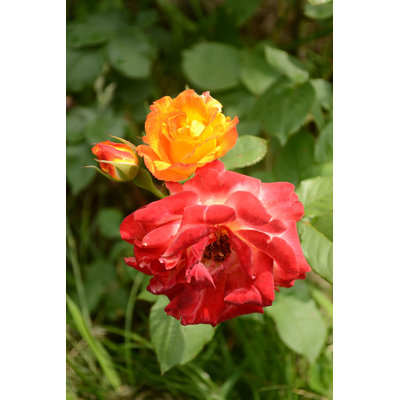
Bold Blooms and Aroma: The Piata rose (Rosa 'Piata') features bright, double blooms in a blend of yellow and orange, which mature to red. With 28 petals per bloom, this repeat-blooming cultivar also has a light fragrance. Heritage and Growth: Bred by Japanese rose breeder Suzuki Seizo in the 1970s, the Piata rose is a hardy climbing rose that grows to heights of 6 to 8 feet. The foliage is lush and glossy green, and the plant has a width of 3 to 4 feet. Ideal Culture and Sun Requirements: The Piata rose enjoys full sun and can tolerate a wide range of soils, with an ideal soil pH between 6.0 and 6.5. It is important to keep soil well-drained, and water deeply and frequently. Prevention of Diseases: Climbing roses are susceptible to a number of diseases, including black rose spot, powdery mildew, and rose rust. To prevent these diseases, it is important to remove diseased leaves and focus on watering the roots while keeping the leaves dry. Training and Winter Care: To allow the Piata rose to grow properly, it should be trained on a fence, arbor, trellis, or other structure, and pruned in early April to remove old canes and weak new growth. In the winter, protect the plant by wrapping it in burlap and stuffing it with straw. When handling the Piata rose, be sure to wear gloves, as it has thorns.

By Wekiva Foliage LLC
FREE Delivery
Philodendrons are tropical plants native to Central and South America. These evergreen perennials belong to the Araceae familythe same family as pothos plants. There are hundreds of philodendron species, each with its own unique cultivars. The most common philodendron plants produce long vines or stems adorned with thick, waxy, dark green leaves. They can be planted indoors year-round and are fast growers. Depending on the species of philodendron and the size of the container they're planted in, they can grow anywhere from one to six feet long and equally wide. Philodendrons are also a great plant choice to purify the air in your home. Theyre best planted in the spring, but houseplants typically can be started with success at any time of year. This species typically grows best in partial sunlight. Philodendrons need sun, but they would naturally receive dappled light under a tropical canopy rather than direct light. Indoors, set them up by a window that gets bright, indirect light. Philodendrons like loose potting soil thats rich in organic matter. The soil must have good drainage. For container plants, its recommended to replace your philodendrons soil every couple of years or so. These plants are sensitive to salts that accumulate in the soil via watering, which can cause leaf browning and yellowing. The temperature tolerance of philodendrons varies based on the species. In general, they should not be exposed to temperatures below 55 degrees Fahrenheit. Indoors protect them from cool drafts, such as those from an air-conditioning vent.

By Wekiva Foliage LLC
FREE Delivery
Calatheas are beautiful house plants grown for their stunning foliage. The top sides of the leaves look as if they have been painted with beautiful brushstrokes they're often intricately patterned, in many shades of green. The undersides of the leaves are often burgundy red. This striking foliage has earned calatheas several nicknames, including the peacock plant, cathedral window plant, zebra plant and rattlesnake plant. Calatheas are also sometimes called the prayer plant as they are closely related to the maranta plant, also known as the prayer plant. However unlike marantas, they do not close their leaves up at night. Many calathea varieties have recently been moved into the genus Goeppertia, so you may now find them being sold under this name. The light requirements make this plant an attractive choice for lower-light homes, but please note: These plants do poorly in direct sun, which can bleach the leaves. Place your prayer plant in a part of a room that receives low to bright indirect light. As a rule, the darker the foliagesuch as with the calathea ornatathe lower the light requirements. Like all houseplants, calathea enjoy filtered or dechlorinated water and can be a little more demanding than other houseplants. Simply fill your watering can and leave it overnight to dissipate the chlorine. If there are other chemicals in your tap water, try using filtered or distilled water instead. Prayer plants enjoy a humid environment, but many varieties can handle lower levels of humidity. Ideally, they prefer a humidity level of 50 percent or more, with more sensitive varieties requiring higher humidity levelsaround 60 percent.

By Wekiva Foliage LLC
FREE Delivery
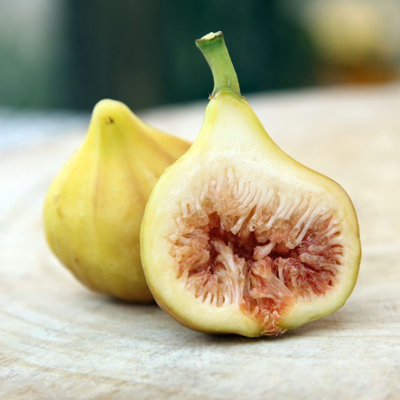
These iconic plants produce delicious fruit with flavors best experienced ripe from the tree. Unlike other fruits, figs ripen entirely on the branch, so planting your own allows you to harvest the freshest fruit. The common fig tree, thriving in warm climates, does not require pollination to bear new fruit. Figs are self-fruitful, so you need only one plant to produce fruit. Mature fig trees can be 10 to 30 feet tall. If you have more room, plant several. Choose early, mid and late-fruiting selections to extend your harvest from summer into early fall. Some figs will produce bonus fruit early in the season, called a breba crop and the main crop. Figs can vary in size, shape, flavor, texture, and harvest time and can be black, green, brown, violet, yellow, or purple. Full sun is essential for an abundant harvest and the sweetest fruit. It's ideal for planting fig trees in an area that receives six to eight hours of direct, daily sunlight. Less sunlight will prevent trees from producing as many figs compared to those planted with adequate light. Fig trees grow in various soil conditions, but slightly acidic and well-drained soils are best. Soil with rich, organic matter helps supplement growth. Regular potting mixes work well for fig trees as long as it retains moisture and is well-aerated. These plants grow well near coastal regions but also tolerate loamy, clay, or sandy conditions. When fruit is developing, it's important to water regularly. Check daily, and pick just as the fruit ripens. During the first year, as plants become established, water regularly and mulch. Once established, figs can be very drought tolerant.

By Wekiva Foliage LLC
FREE Delivery
Philodendron Moonlight is a hybrid variety of philodendron.Moonlight is very popular and easy to care house plants. This philodendron is low growing and shrub-like tropical plant. However, over time, it can grow quite large around 20-24-inch-high and 20-26 inch wide. Philo moonlight has light-green foliage meanwhile the new leaves is in a bright yellow-green chartreuse colour. Apart from that Its foliage tends to get coarser with age and its leaves become more prominently ribbed. Same as other Philodendron, it appreciates moderate lighting. Hence a Dappled sun or very early morning sun is very good for moonlight. Besides that, you must remember philodendron is best in positions where there is no direct sun. This is because direct sunlight will damage or burn the leaves. Philodendrons do best in loose, well-drained soil that is high in organic matter. They will grow in 100% sphagnum peat moss. Soilless mixtures such as peat-vermiculite or peat-perlite are also satisfactory. When growing philodendron plants, allow the top inch of soil to dry out between waterings. The length of your index finger to the first knuckle is about an inch, so inserting your finger into the soil is a good way to check the moisture level. Droopy leaves can mean that the plant is getting too much or not enough water.

By Wekiva Foliage LLC
FREE Delivery
There are various cultivars of the dracaena reflexa that display different leaf variations, although the most popular you'll see sold in garden stores is the yellow edged variegata type. They usually grow up to about 3ft tall indoors (which takes a fair few years) and have a bushy tree type of look about them. Like other dracaenas these are fairly easy to care for and grow and can withstand a certain amount of neglect, but not as much as other dracaena plants. The song of India does need it's bright light and quite high humidity levels to thrive. The leaves are the main attraction to this species - although it does flower. These leaves are glossy that arch over and grow up to 1ft long and a couple of inches or so wide. The song of India plant was used in the NASA's (National Aeronautics and Space Administration) clean air study which proved to remove a considerable amount of toxins from the environment. Another similarity to other dracaenas is the bottom leaves will begin to turn yellow and fall, which is totally the norm. They are just shedding leaves to grow new ones, so don't worry.

By Wekiva Foliage LLC
FREE Delivery
A Memorable Experience: The Dick Clark Grandiflora Rose is an extraordinary variety that will leave a lasting impression in your garden with its bold, fragrant cherry-pink blooms, yellow overtones, and creamy white reverse. With its distinctive dark red flower buds and shiny, dark green deciduous foliage, this rose will create a memorable experience for all who see it. Perfect for Cutting: The flowers of the Dick Clark Rose are excellent for cutting and are sure to make a stunning addition to any bouquet or centerpiece. With its classic form and fragrant blooms, this variety is perfect for adding a touch of color and elegance to your indoor or outdoor space. Hardiness and Disease Resistance: This variety is not only stunning, but also highly disease resistant, making it a great option for those who want to add a beautiful rose to their garden without worrying about disease. It is also hardy, so even in colder climates, it will thrive, even if the top of the bush dies off in a cold winter. Low Maintenance: The Dick Clark Rose is easy to grow with great vigor and will require minimal maintenance to keep it looking its best. With its upright spreading habit of growth and glossy oval compound leaves that turn yellow in the fall, this shrub will bring a touch of beauty to your garden for years to come. A Garden Must-Have: Whether you are a seasoned gardener or just starting out, the Dick Clark Grandiflora Rose is a must-have for your garden. Its beautiful flowers, hardiness, and disease resistance make it a great choice for any gardener, regardless of their experience level.

By Wekiva Foliage LLC
FREE Delivery
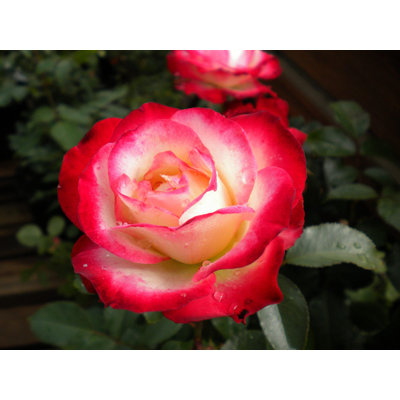
Colorful and Fragrant Blooms: Double Delight roses are a stunning hybrid tea rose cultivar that will add color and fragrance to any garden. With creamy yellow or white centers and petals edged in coral or strawberry red, these blooms are sure to delight. Rich Heritage: This rose was bred by the renowned hybridizers Swim Ellis, who introduced it to the garden world in the 1970s. With a lineage that includes the cultivars 'Granada' and 'Garden Party', it's no wonder Double Delight is a winner of several international awards. Perfect for Any Garden: These roses are perfect for planting in borders, as hedges, or as centerpieces in your garden. They can grow up to 4-5 feet tall and 3-5 feet wide, and bloom from May until the first frost. Easy to Care For: With the right conditions, Double Delight roses are easy to care for. They need full sun and regular watering to thrive, and are best grown in medium moisture, slightly acidic, well-drained garden loams. To ensure a healthy bloom, prune carefully in winter and remove spent leaves and foliage regularly. A Rose for Every Gardener: Whether you're a seasoned gardener or just starting out, Double Delight roses are a great choice. With their beautiful color and fragrance, they're sure to become a staple in any garden. And, with similar varieties such as 'First Love', 'Heat Wave', and 'Duet', there's a Swim Ellis rose for every gardener's taste!

By Wekiva Foliage LLC
FREE Delivery
Where Is The Best Place To Plant Rose Bushes? Rose bushes thrive in full sun and prefer the drying power of the morning sun. They need at least 6 hours of direct sunlight daily and well-drained, enriched soil with good air circulation. What Is The Best Month to Plant Roses? Roses can be planted year-round with proper care. However, spring (after the last frost) and fall (4-6 weeks before the first frost) are ideal for establishing them in your landscape. Do Rose Bushes Come Back Every Year? Yes, Rose bushes are deciduous woody perennials that return bigger and better each year. How Do I Find Rose Bushes for Sale Near Me? Discover a vast selection of Rose bushes at NatureHills.com. Use our handy plant hardiness zone tool to find the perfect fit for your area. Your order is backed by our product guarantee and Plant Sentry protection.

By Wekiva Foliage LLC
FREE Delivery
The Banana Croton is native to the Pacific Islands, Malaysia, and Northern Australia. This plant can be grown outdoors in warm climates, or indoors year-round. Crotons have such a wide variety of leaf shapes and colors all on the same plant. Thats what makes them so special. The Banana Croton has bright yellow and green odd shaped leaves near the base and then tall, slender all green leaves at the top. The yellow and green leaves are tall and narrow, short and wide, and some leaves even have thumbs. Crotons are evergreen shrubs that are hardy only to USDA plant hardiness zones 11 and 12, where they are often grown outdoors as ornamental shrubs. Outdoor plants can reach 10 feet in height, but pot-grown specimens tend to be much smaller, making them suitable for permanent houseplants or indooroutdoor container plants. Crotons need bright, indirect light. They do not like unfiltered, direct sunlight, but thrive in dappled sunlight. Vibrant colors depend on bright light. You will need to water your croton plants rather frequently during the growing season. They require the soil to be constantly moist, so when the top begins to feel dry, the plant must be watered again.

By Wekiva Foliage LLC
FREE Delivery
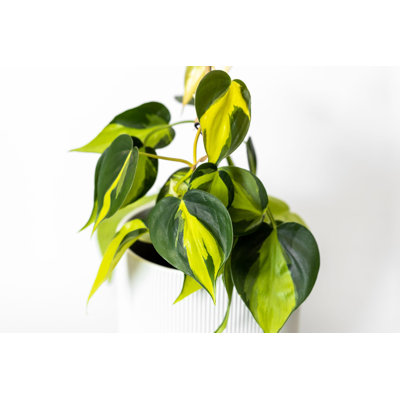
Enchanting Philodendron: Experience the beauty of the tropics with Philodendron. Choose from vining or non-climbing varieties, enjoy air-purifying benefits, and relish their low-maintenance charm. With a range of stunning species to choose from, these houseplants offer both elegance and environmental enhancement for your home.

2 Sizes
By Wekiva Foliage LLC
13" H x 4" W x 4" D
FREE Delivery
The Tiger Stripe Fern, also known as Nephrolepis exaltata variegata, is a striking and unique variety of the classic Boston fern. Its lush fronds are adorned with stunning variegated patterns of green and golden-yellow, resembling a tiger's stripes. This vibrant plant is perfect for adding a touch of tropical elegance to any indoor space, making it a favorite among plant enthusiasts and interior decorators alike. Transform your home into a lush, tropical retreat with the exquisite Tiger Stripe Fern. Its vibrant, variegated fronds and easy care make it the perfect addition to any plant lover's collection.

By Wekiva Foliage LLC
FREE Delivery
Its pretty clear how this Sweetheart Plant got its nickname, with its spade- or heart-shaped leaves (or bum-shaped, if you want to be cheeky about it). Its also called a Hoya Heart, Wax Heart, or a Lucky Heart. Hoya Kerrii (its official plant name) are actually tropical succulent vines that can grow quite long, but you most often just see individual cuttings of their thick waxy leaves in a single pot. Slow-growing, it will take a few years to become a long vine studded with hearts. Mature vining plants will grow clusters of flowers in summer, when given plenty of sunlight. Typically pink with red star-shaped centers, they resemble the blooms of the popular Hoya carnosa. When it comes to caring for hoya kerrii, thinking of them as succulents helps. They require lots of sun, a little bit of water, and well-draining soil. Basically, they thrive on neglect. Give them a sunny windowsill in your home and some water every few weeks and they will be happy. As it is, this plant is slow growing, so plenty of light will ensure its leaf (or leaves!) grows healthy and full. They need at least a few hours a day of direct sunlight, so consider placing it near an east or west facing window. Allow the soil to dry thoroughly between waterings. Hoya kerrii can withstand long periods of drought thanks to their thick, water-storing leaves and are highly susceptible to overwatering and root rot. The amount of water that your hoya kerrii needs will vary by season.

By American Plant Exchange
Rated 4.5 out of 5 stars.8 total votes
Confetti Lantana (Lantana camara 'Confetti') is a vibrant, low-maintenance perennial that adds a burst of colorful blooms and charm to any outdoor space. Known for its stunning clusters of multi-colored flowers that range from yellow to orange and pink, this variety creates a lively display that attracts butterflies and other pollinators, making it a favorite among gardeners. The lush, green foliage provides a beautiful backdrop for the bright flowers, enhancing the visual appeal of garden beds, borders, and patio containers. Thriving in full sun, Confetti Lantana is perfect for various outdoor settings, making it a versatile choice for different landscaping designs. This hardy plant can grow up to 3 feet in height and can be used effectively in mass plantings, as a colorful ground cover, or as an eye-catching accent in mixed borders. With its long blooming season, typically extending from spring through fall, Confetti Lantana ensures your garden remains vibrant and full of life throughout the growing season. Well-suited for USDA Hardiness Zones 8-11, Confetti Lantana is highly resilient to heat and drought, making it an excellent option for low-maintenance, water-wise gardens. It adapts well to various soil types, provided they are well-draining, which allows for easy integration into diverse garden environments. For optimal growth, plant Confetti Lantana in nutrient-rich, well-drained soil and water regularly during dry spells. With minimal care, including occasional deadheading to encourage more blooms, this cheerful lantana variety will flourish, providing continuous color and fragrance that enhances your garden and outdoor living spaces.
This plant was such a surprise. I love seeing the different colors. shipping was done with care.. Rozell. West Palm Beach, FL. Sat Jul 25 2026

By Wekiva Foliage LLC
FREE Delivery
Raspberries are a shrub belonging to the Rosaceae family, in the genus Rubus. Not only are raspberries perfect for picking and eating straight off the stem, but theyre also wonderful in jams, pies and tarts, or smoothies and drinks. Plus, fresh raspberries are an excellent source of vitamin-C. Raspberries grow best in a sunny location, but unlike many fruits, will also grow successfully in a partially-shaded spot. However: the more sun, the more fruit! The planting site should have rich and well-drained soil, great air circulation, and shelter from wind. Avoid a wet area, as well as a windy spot, as raspberries do not like to stand in water nor totally dry out. Water one inch per week from spring until after harvest. Regular watering is better than infrequent deep soaking. Keep your raspberry bushes tidy by digging up any suckers or canes that grow well away from the rows; if you dont dig them up, theyll draw nutrients away and youll have less berries next year.

By Wekiva Foliage LLC
FREE Delivery
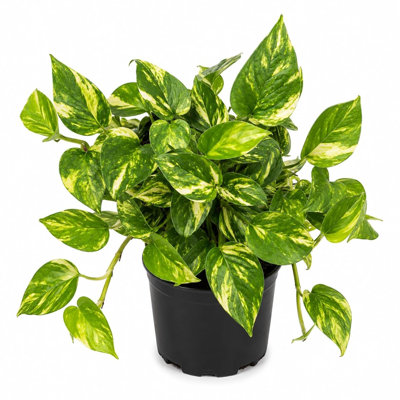
The Hawaiian Pothos, botanically known as Epipremnum aureum, is a vigorous trailing vine celebrated for its bold, heart-shaped leaves splashed with vibrant shades of green and golden-yellow variegation. Often referred to as Golden Pothos or Devil’s Ivy, this plant is admired for its ability to create lush, cascading displays from hanging baskets or climb upward when supported. Its adaptable nature and striking foliage make it a staple for both modern interiors and traditional plant collections. Native to tropical regions, Hawaiian Pothos develops larger, more dramatic leaves as it matures, especially when given vertical support such as a moss pole or trellis. Its fast-growing vines can quickly transform shelves, walls, or plant stands into dense greenery, adding depth and texture to any space. With its forgiving nature and eye-catching color contrast, this plant is ideal for beginners and collectors alike who want a reliable yet visually impactful addition to their indoor plant lineup.

2 Sizes
By Wekiva Foliage LLC
13" H x 4" W x 4" D
FREE Delivery
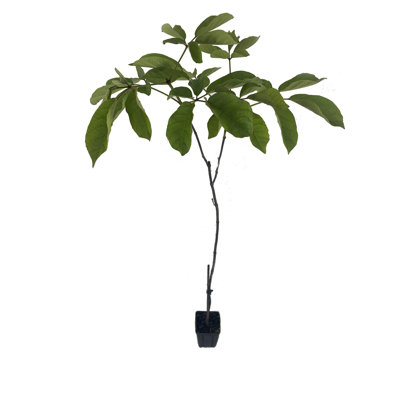
Trumpet trees are loved for their dazzling display of blossoms that burst forth ahead of their leaves in spring. Traditionally known as Tabebuia, some of these trees are now recognized with a different botanical name. The common name refers to the elongated flowers that resemble a trumpet. Handroanthus chrysanthus (formerly Tabebuia chrysotricha), is commonly called golden trumpet tree. This fast growing tree is great for Central and South Florida. Reaching a height of 25 to 35 feet tall with a spread of 25 to 35 feet, H. chrysanthus has brilliant yellow flowers that bloom in the spring just after the foliage drops away. These trees are relatively easy to grow and it seems that everyone wants one when they are flowering. This deciduous tree is native to South and Central America, and has been introduced to the Caribbean islands, United States, Kenya, and India. It grows best in warm and moist climates when in full sun. Sometimes evergreen but most often deciduous, golden trumpet tree has four-inch-long silvery leaves with tan, fuzzy undersides. These leaves drop for a short period in April to May, and it is at this time that the trees put on their heaviest flowering display, the trumpet-shaped, bright yellow blossoms appearing in clusters. Some trees produce a small number of flowers sporadically throughout the warm season. The eight-inch-long seeds which follow are brown, hairy, and persist on the tree through the winter.