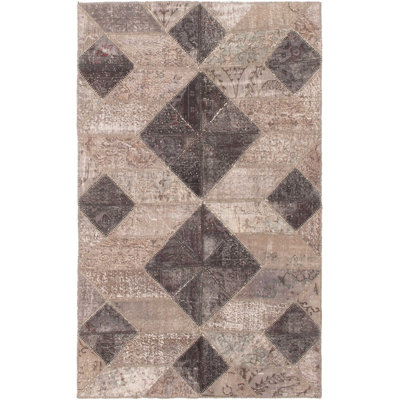
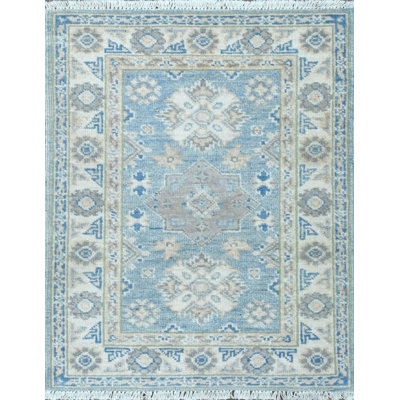
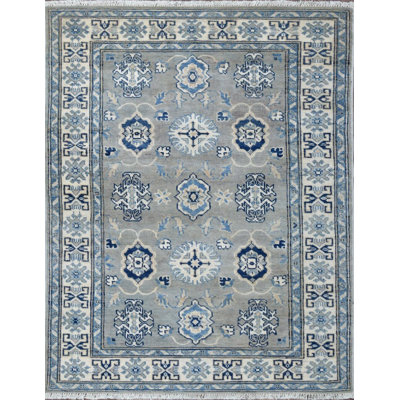
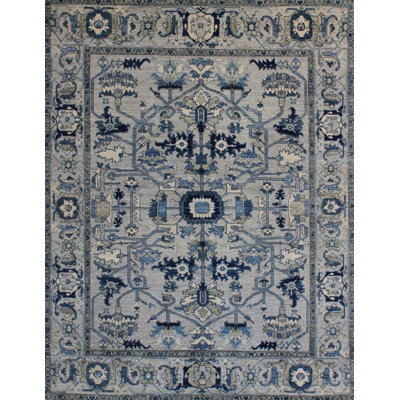
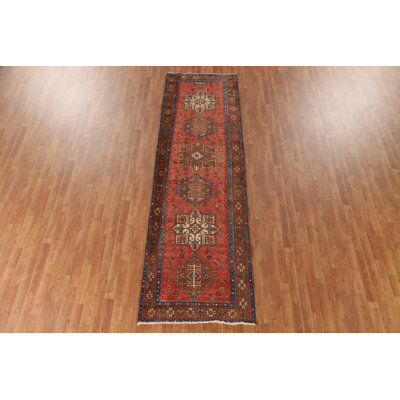
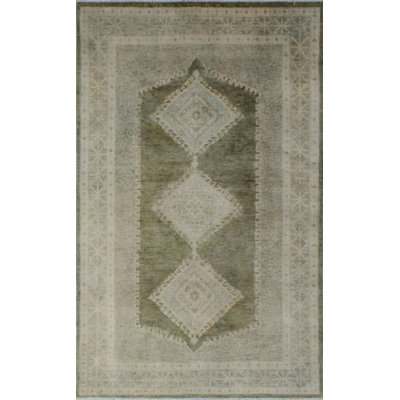
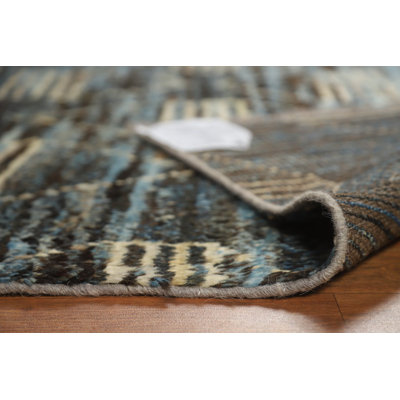
The antique rugs of the oasis towns of East Turkestan are incomparable. These exotic oriental carpets from Kashgar, Yarkand, and Khotan in the Chinese-occupied Autonomous region of Sinkiang are collectively known as Samarkand. Typically, they are in a long and relatively narrow format with simplistic spacious designs rendered in glossy wool, occasionally embellished with richly brocaded silk and metal thread. The distinctive and prevailing colorations of lacquer reds, and Chinese yellows, heavily influenced by the neighboring countries of China and Turkey, have been produced in this region since at least the seventeenth century. For thousands of years, these lands of arid steppes, deserts, and brutal mountain ranges were traversed by caravans of merchants and traders from China to Western Europe along the Silk Route. These unusual antique Samarkand carpets of Central Asia display themes from many oriental cultures including, China with fretwork borders, lotus blossoms, and cloud bands. India with the swastika denoting infinity. Turkey with bold reciprocal borders and carnations. and Persia with floral trellis work. Perhaps the most evocative of all the East Turkestan motifs is the pomegranate, signifying prosperity. Woven at the crossroads of many civilizations, it is fitting that these vintage rugs and carpets from Samarkand employ such rich and varied symbolism.