How to Choose the Right Mattress (Buying Guide)
The key to sound sleep.
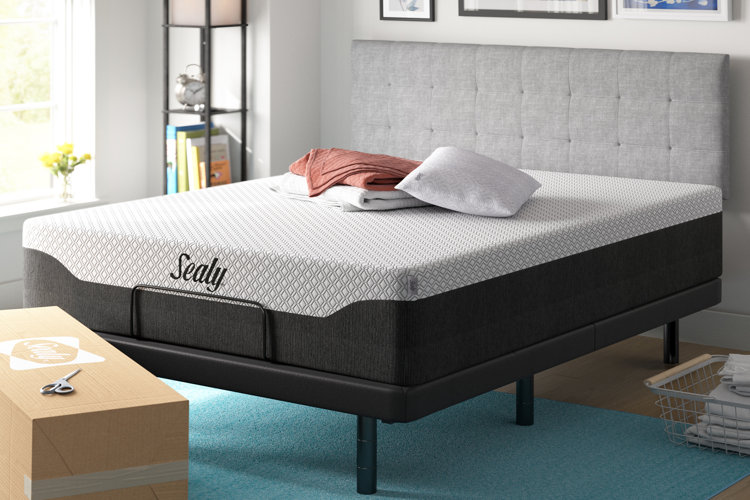
Choosing a mattress comes down to five decisions: firmness, construction type, size, sleep features (cooling, motion isolation, edge support), and the foundation underneath. Work through each step below to match your sleeper profile before you shop.
When Should You Buy a New Mattress?
Here are some signs that it might be time to replace your mattress:
- Your mattress is more than eight years old.
- You wake up with aches and pains in your back or joints.
- Your sleep is restless; you toss and turn or wake up frequently at night.
- Your mattress shows visible signs of wear and tear like sagging.
- You hear noises or creaks when moving around.
- You roll toward the middle of the bed or you easily roll off the edge of the bed.
- You’ve outgrown your current mattress size or want to upgrade.
How to Choose a Mattress in 5 Steps
Step 1: Pick Mattress Firmness by Sleep Position
| Sleep Position | Firmness | Why It Works | Shop |
|---|---|---|---|
| Side sleeper | Medium to plush | Cushions shoulders/hips | Plush / Medium |
| Back sleeper | Medium to firm | Supports natural lumbar curve | Medium / Firm |
| Stomach sleeper | Firm | Keeps hips from sinking | Firm |
| Combination | Medium hybrid | Balance of contour & bounce | Medium |
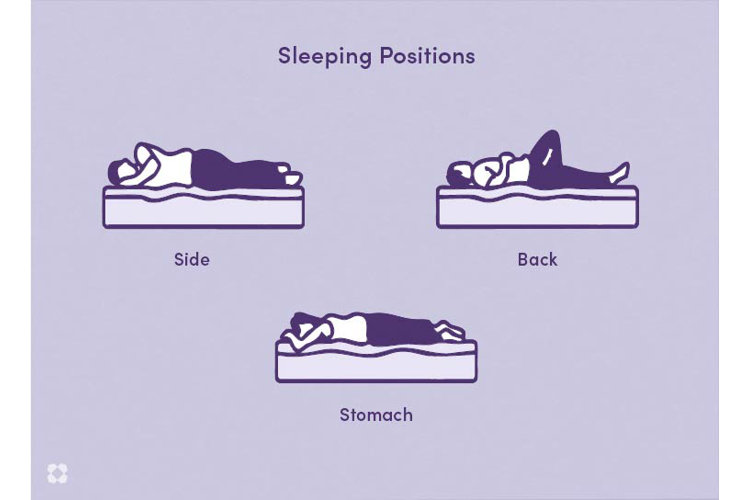
Firmness is a crucial aspect of a mattress. We recommend choosing firmness based on your personal sleeping habits. You want the mattress to contour to your body’s curves while providing enough support to maintain neutral alignment.
- Side Sleepers: If you sleep on your side, choose a mattress with a plush to medium comfort level. This will allow your body to sink into the mattress and align your hips and shoulders, preventing pressure points. You can even opt for an ultra-plush mattress for additional padding.
- Back Sleepers: Medium firmness is best for back sleepers. The mattress will contour to the curve of your lower back, while providing enough support to keep your body aligned and your legs from sinking.
- Stomach Sleepers: Stomach sleepers need mattresses with a firm or extra-firm comfort level to keep their torsos from sinking in throughout the night.
- Combination Sleepers: If you find yourself switching between different sleeping positions throughout the night, a mattress with medium firmness is ideal as it’s not too soft and not too stiff.
Neighborly Tip!
For a more in-depth look at mattress firmness, read our guide Understanding the Mattress Firmness Scale & How to Choose the Mattress Firmness for You.
Step 2: Compare Types of Mattresses
| Type | Feel | Best For | Potential Cons |
|---|---|---|---|
| Memory foam | Contouring, quiet | Side sleepers, couples | Can sleep warm |
| Hybrid | Foam & coils bounce | Mixed sleepers | Heavier to move |
| Innerspring | Bouncy, airy | Stomach/back, hot sleepers | More motion transfer |
| Latex | Responsive, buoyant | Eco-minded shoppers | Higher price range |
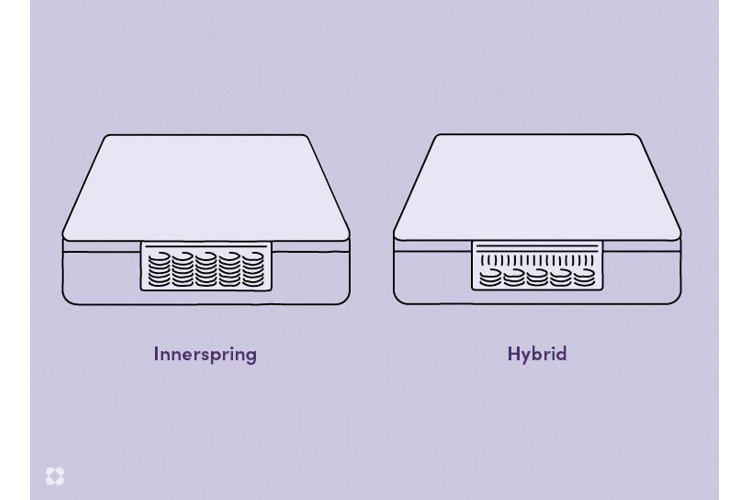
- Innerspring: These mattresses are typically made with metal coils, giving them a firmer and bouncier feel. Innerspring mattresses are ideal for stomach or back sleepers who prefer firm support.
- Hybrid: Hybrid represents the best of both worlds – a coil base topped with foam layers. This combines the traditional feel and support of innerspring mattresses and the contouring pressure relief of foam mattresses. Hybrid mattresses are great for combination sleepers or those who sleep hot.
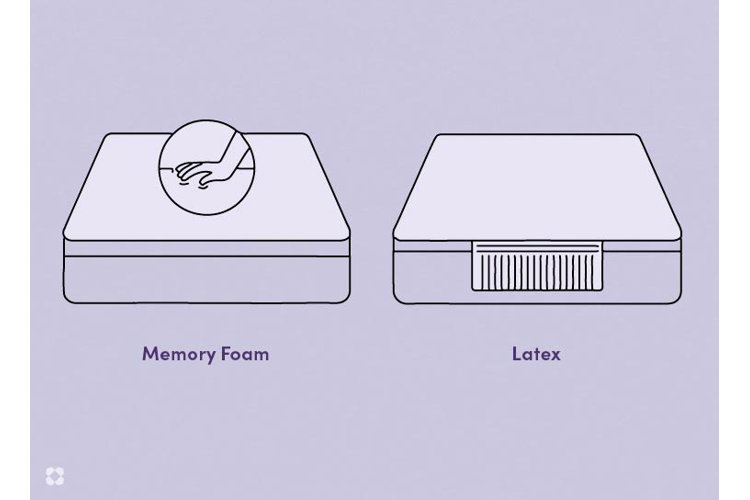
- Memory Foam: Foam mattresses mold to your shape and allow you to move around without bothering your partner. The stacked layers of foam evenly support your entire body and spread your weight across the bed’s surface, relieving aches and pains. Memory foam mattresses are best for side sleepers because they contour well to your hips and shoulders.
- Latex: Similar to memory foam, latex mattresses conform to your body's curves. The material is composed of a natural substance that is harvested from rubber trees. Latex mattresses offer a lighter and bouncier feel than memory foam, but are slightly less contouring. The material is breathable, hypoallergenic, and eco-conscious.
Step 3: Choose the Right Bed Size & Dimensions
| Bed size | Width | Length |
|---|---|---|
| Twin | 38" | 75" |
| Twin XL | 38" | 80" |
| Full | 54" | 75" |
| Queen | 60" | 80" |
| King | 76" | 80" |
| California King | 72" | 84" |
Neighborly Tip!
Still unsure what bed size is right for you? Read our guide What Are the Most Common Bed Sizes? for an in-depth look at mattress sizes and their best uses.
Step 4: Match Features to How You Sleep
While the material and construction of your mattress will largely determine its feel and support, you can also look for mattresses with special features to fit your unique needs. Consider the following design features:
- Cooling Technology: If you’re a hot sleeper, mattresses with cooling technology could be a simple fix. These mattresses use different features like infused foam, moisture-wicking fabrics, and built-in airflow channels to regulate temperature and create a cooling effect.
- Low Motion Transfer: Low motion transfer mattresses are designed to reduce the amount of movement when one person moves or gets out of bed. This feature is great for couples, especially if one person is a light sleeper and the other is prone to tossing and turning.
- Flippable: A flippable mattress – also known as a double-sided mattress – is designed with supportive layers on both the top and bottom so you can use the mattress on either side. Periodically flipping your mattress helps distribute wear evenly and prevents indentations to prolong your mattress’ lifespan.
- Edge Support: A mattress with edge support features reinforced borders made of high-density foam or firm outer coils. This design keeps the perimeter of your mattress more supported to prevent severe sagging.
Step 5: Pick a Foundation or Base
Your new mattress also needs a base to be placed upon. Some beds feature a flat platform or slatted base, while others require a box spring for added height, support, and ventilation. You can place mattresses directly on top of platform beds but a box spring will be needed for panel beds. Whether or not you need a box spring depends on your bed rather than your mattress, so it’s important to check the specifications of your bed to see if yours requires one.
Frequently Asked Questions
What type of mattress is best for side sleepers?
Side sleepers do best on a plush or medium mattress made of memory foam, latex, or a hybrid design. These materials cushion pressure points at the hips and shoulders while keeping the spine properly aligned.
What’s the difference between hybrid and memory foam mattresses?
Memory foam mattresses consist entirely of foam layers for a deep body contour, whereas hybrid mattresses combine a pocketed coil base with top foam layers for added bounce, stronger edge support, and better airflow.
How firm should a mattress be for back sleepers?
Back sleepers generally need a medium or firm mattress to keep their hips from sinking too deeply while providing enough contouring to support the natural curve of the lower back.
How long do mattresses typically last?
Most mattresses last between 7 and 10 years, though the exact lifespan depends on the construction and material quality. Standard innerspring mattresses typically wear out first (5–7 years), while natural latex models can last up to 15 years or more.
When should I replace my mattress?
Consider replacing your mattress if it's over eight years old, shows visible signs of wear, or causes discomfort.
What is Wayfair's 100-night trial policy?
Wayfair offers a 100-night trial with options for a free return for store credit or a refund with a fee.
