How Often to Replace a Mattress
We're putting to bed any questions you have about how often to replace a mattress.
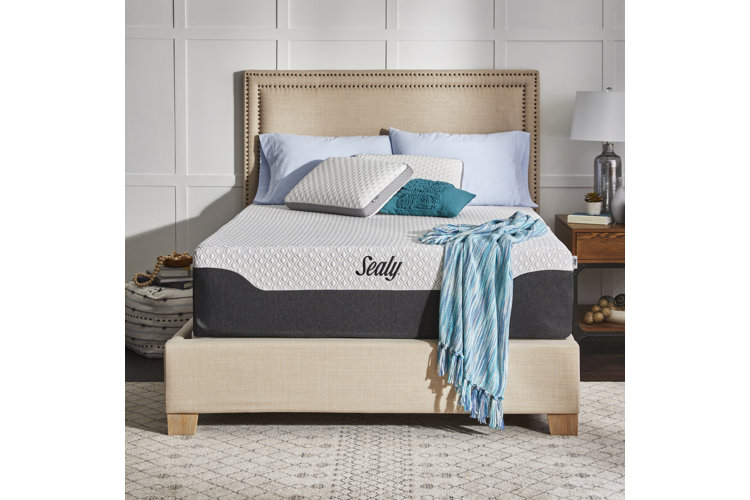
Along with diet and exercise, sleep is critical to achieving and maintaining good health. And while many things affect how well you sleep, a high-quality, comfortable mattress is essential for deep, restorative sleep. This is why it's so important to determine how often to replace a mattress.
In this guide:
Factors Impacting How Often to Replace a Mattress
Signs You Should Replace Your Mattress
Choosing a New Mattress
Frequently Asked Questions
Factors Impacting How Often to Replace a Mattress
Many experts recommend replacing your mattress every seven to ten years, and that's a solid rule of thumb. However, there are factors other than age that affect the lifespan and how often to replace a mattress.
Wear & Tear: Mattresses that get more wear and tear will likely need replacing sooner than later. For example, if the sleeper is heavy or if a couple shares a bed, the mattress will likely wear out faster. Also, mattresses shared with pets or children can get stained or collect pet dander and might need to be replaced more frequently.
Mattress Quality:In most cases, lower-quality mattresses wear out faster than higher-quality mattresses. With this in mind, if your existing mattress isn't high quality, it might not last seven to ten years.
Mattress Care: Regular maintenance and care, which includes flipping and rotating your mattress periodically, can extend the life of your mattress. Using a protective mattress cover can help your mattress last longer, too.
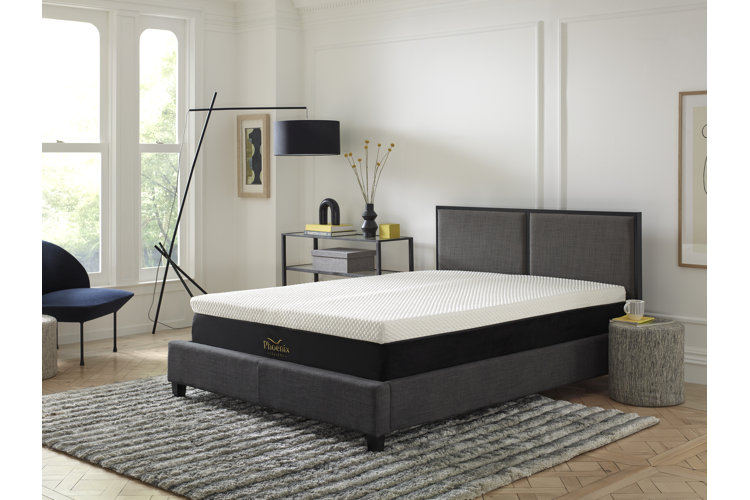
Here are some warning signs it might be time to replace your mattress:
Sagging or Drooping:Mattresses should provide a level sleeping surface, with no dips or indentations. If you start seeing sagging or drooping, or the spot where you sleep is clearly visible, it might be time to start mattress shopping.
Tears & Stains: Visible stains or tears in the fabric are a pretty sure sign your mattress is on its last leg.
Noise: If you have a mattress with metal springs or coils and it starts to make unusual noises, such as screeching or squeaking, chances are it's wearing out and will need to be replaced soon.
Increased Allergy Problems: As mattresses age, allergens such as dust, mold, and mildew can accumulate in the fabric. If you start to wake up with a stuffy nose, headache, or watery eyes, your mattress might be the culprit.
Impact on Sleep: If you can't get comfortable at night or wake up feeling sore, your mattress might not be providing the support your body needs at night. Also, if you realize you're not sleeping as well and wake up tired, your aging mattress might be affecting your sleep and need to be replaced.
Choosing a New Mattress
Pick a Mattress Type
There are many different kinds of mattresses available, however, the four main types of mattresses are foam, hybrid, innerspring, and latex.
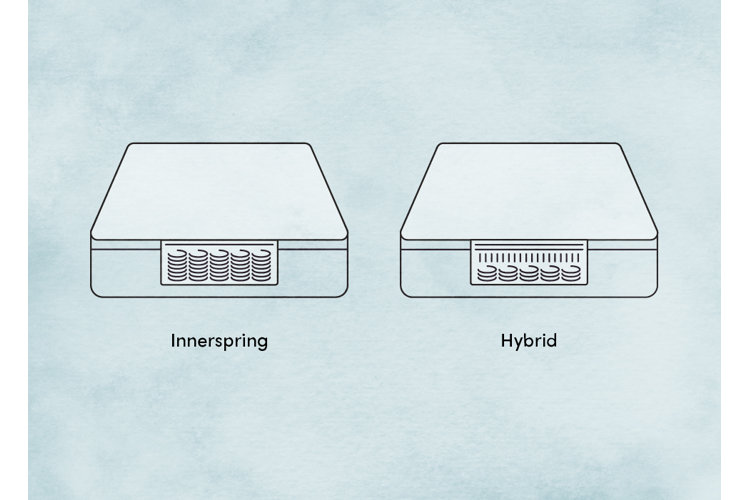
Innerspring: Innerspring mattresses are made of springs, or coils, wrapped in foam or other material to make them more comfortable. They are bouncier than other types of mattresses and come in a range of firmness levels. They can be noisier than other types of mattresses, but they do provide solid support and are typically the most affordable mattresses.
Hybrid: Hybrid mattresses have springs on the bottom with a heavy layer of foam over the springs. This provides the solid support of springs along with the cushioning of foam mattresses. Hybrid mattresses are typically not as soft as foam but not as firm as innerspring mattresses. They do allow for air circulation and do a good job of minimizing motion transfer.
Foam: Foam mattresses are made of several layers of thick foam and do not have springs. Foam mattresses provide good support and also adapt to your body for excellent pressure relief. Foam mattresses also minimize motion transfer, which is how much movement you feel when another person on the mattress moves.
Latex: Latex mattresses are made from latex foam, which comes from the sap of rubber tree plants. Like foam mattresses, they provide good support with excellent pressure relief. Latex mattresses do not retain heat and stay cool. They are also an excellent choice for allergy sufferers because they are hypoallergenic.
Other Factors to Consider When Selecting a Mattress
In addition to material, there are other factors you should consider when searching for the mattress that's right for you. These include:
Firmness/Softness: Some people simply prefer to sleep on a soft or firm mattress. While others with physical issues, such as back pain, need a specific type of mattress to sleep well. If you prefer a softer mattress, foam or latex could be a better choice. While innerspring mattresses are typically better for those who prefer a firm mattress.
Want more information on mattress firmness? Read our guide.
Cooling Technology: For people who tend to get warm when they sleep, a mattress with cooling technology can keep air flowing and minimize heat retention for a more comfortable night's sleep. Pillows with cooling technology are also available to bring the temperature down at night.
Flippable: With a flippable mattress, you can flip the mattress regularly to the foam on each side to recover and return to its original form. The main benefit of flippable – or double-sided — mattresses is they can last longer than non-flippable mattresses.
Low Motion Transfer: If you have a partner who is a restless sleeper, you might want to consider a mattress with low motion transfer, which minimizes the motion you feel when your partner moves.
Breathable Construction: If you suffer from allergies, a breathable construction mattress is probably a good choice. You can purchase antimicrobial mattress covers and pillows that can help with allergy problems as well.
Now that you know how often to replace a mattress, check out the many mattress options Wayfair has to find the right mattress for a perfect night's sleep.
Frequently Asked Questions
What factors affect how often to replace a mattress?
Factors include wear and tear, mattress quality, and mattress care.
What are signs I should replace my mattress?
Signs include sagging, tears, noise, allergy issues, and poor sleep quality.
What mattress type is best for motion transfer?
Foam mattresses are best for minimizing motion transfer.
Written by Amy Wright
