What Is a Recliner Chair? Types & Buying Tips
Get your lounge on.
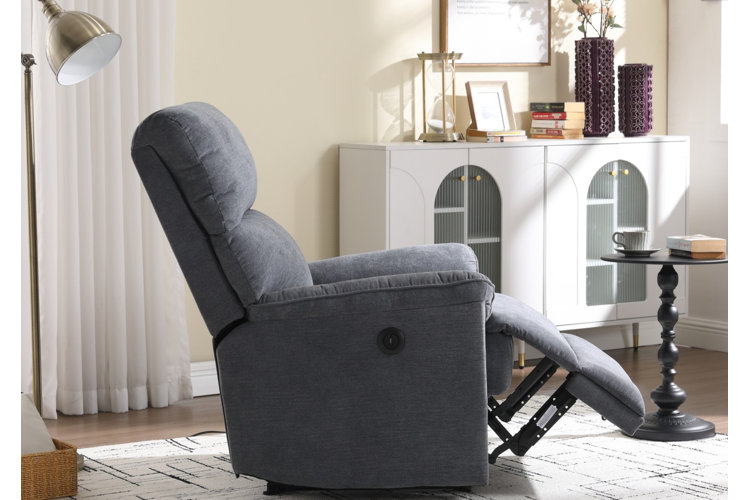
Recliners are lounge furniture staples that come in a wide range of designs to fit any aesthetic. Whether you’re looking for high-tech comfort, space-saving designs, or classic relaxation, here is everything you need to know about recliner mechanisms, types, and buying tips.
In this guide:
Recliner Meaning (Quick Definition)
How a Recliner Works
Recliner vs. Chaise Lounge Chairs
Types of Recliners
How to Choose a Recliner
Frequently Asked Questions
Recliner Meaning (Quick Definition)
A recliner is an upholstered armchair designed with an adjustable backrest that lowers and an integrated footrest that extends upward. Unlike stationary armchairs, recliners allow you to shift from an upright sitting position to a relaxed, angled, or near-flat layback position at will.
How a Recliner Works
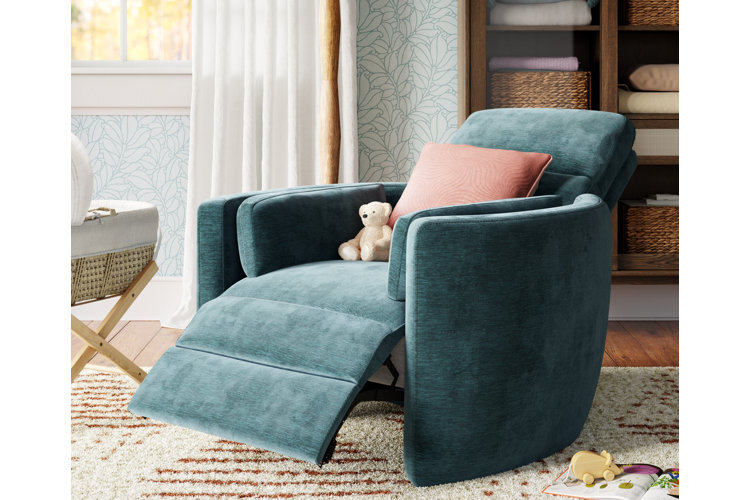
Recliners function using internal metal frameworks and mechanical hinges. When engaged, via a manual push, a physical lever, or electric power, the tension releases to tilt the backrest backward while concurrently extending the footrest forward.
By allowing you to lean back rather than sitting at a strict 90° angle, recliners help redistribute body weight. This alleviates pressure on lower back joints, relieves hip strain, and improves overall body alignment during extended periods of sitting.
Recliner vs. Chaise Lounge Chairs
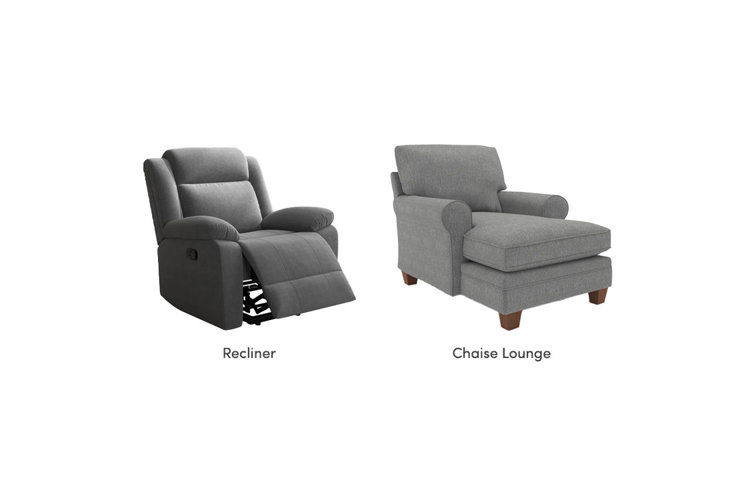
Both recliners and chaise lounges encourage laid-back relaxation, but their designs offer different lounge experiences:
- Adjustability: Recliners can transition back and forth between a standard upright armchair and a reclined seat. Chaise lounges feature a permanently fixed, elongated seat.
- Base Motion: Recliners frequently feature functional bases such as swivels, gliders, or rockers. Chaise lounges almost always rest on stationary four-legged bases.
- Special Features: Recliners offer optional mechanical enhancements like power-lift assist, built-in massagers, and integrated heat panels.
Neighborly Tip!
Check out Is a Chaise Lounge Right for You? to learn more about stationary loungers.
Types of Recliners
Recliners come in a wide variety of operation styles and motion designs to match your routine. Learn more in our detailed guide on the Different Types of Recliners to Help You Relax & Unwind.
Manual (Push-Back / Lever) Recliners
Manual recliners require no electrical power. They operate using a side-mounted lever, a pull cable, or a simple push-back mechanism (where leaning back into the backrest releases the footrest).
Power Recliners
Power recliners adjust at the press of a button or remote control. Powered by an internal electric motor, they allow smooth, custom angle adjustments and often feature built-in USB charging ports.
Rocker Recliners
Rocker recliners rock back and forth on an arched track when in the upright position, making them popular for nurseries or living rooms. The rocking mechanism locks safely into place when the footrest extends.
Glider Recliners
Unlike traditional rockers, glider recliners slide back and forth on a smooth horizontal track, providing a linear, soothing motion ideal for lulling babies to sleep.
Swivel Recliners
Swivel recliners feature a circular base that allows the chair to rotate 360 degrees (or 180 degrees), making it easy to turn toward a conversation or a television screen without dragging the furniture.
Lift (Power Lift) Recliners
Power-lift recliners use a powered mechanism that gently tilts the entire chair upward and forward to assist individuals with mobility challenges in standing safely up from a seated position.
Wall-Hugger Recliners
Wall-hugger recliners move forward along a track while reclining, allowing them to achieve a full recline while sitting just 4 to 6 inches away from a wall.
Zero-Gravity Recliners
Zero-gravity recliners recline to 120° or more, raising your knees above your heart level. This position evenly distributes body weight, reduces pressure on the spine, and promotes circulation.
Types of Recliners Compared
| Type | How it moves | Best for | Space tip |
|---|---|---|---|
| Manual recliner | Lever or push-back | Simple everyday lounge | Needs rear clearance |
| Power recliner | Motor + buttons/USB | Effortless adjust, nap | Needs outlet nearby |
| Rocker recliner | Recline + rock | Nurseries, TV rooms | Allow rock arc space |
| Glider recliner | Smooth glide base | Quiet soothing motion | Low floor clearance |
| Swivel recliner | 360° turn + recline | Open conversation rooms | Clear pivot radius |
| Lift recliner | Seat rises to help stand | Mobility support | Power + side clearance |
| Wall-hugger | Reclines close to wall | Apartments, tight rooms | ~3–6 in. from wall |
| Zero-gravity | Legs above heart angle | Pressure relief, rest | Check full extension |
How to Choose a Recliner
Room Size & Clearance
Measure your space carefully. Traditional recliners require up to 14 to 18 inches of clearance between the back of the chair and the wall to fully extend. If you are working with limited square footage, opt for a wall-hugger recliner.
Body Fit & Support
Ensure the chair fits your physical build. When seated upright, your feet should sit flat on the floor, and your head should rest comfortably against the headrest without straining your neck.
Fabric & Care
- Synthetic Leather: Highly durable, stain-resistant, and ideal for homes with kids or pets.
- Genuine Leather: Offers classic luxury, ages beautifully, and wipes down easily.
- Chenille & Microfiber : Maximum warmth and tactile comfort for cozy lounging.
Manual vs. Power
Choose manual if you want lower costs, simpler maintenance, and placement flexibility independent of wall outlets. Choose power if you want custom recline angles, effortless push-button controls, or built-in tech features like phone chargers.
Frequently asked questions
What is a recliner?
A recliner is an upholstered chair that tilts the backrest backward while a footrest extends, moving you from upright sitting to a lounging or near-flat position.
What are the main features of a recliner?
Core features include a reclining backrest, extending footrest, supportive cushioning, and either a manual lever/push-back or powered mechanism. Optional features include rocking, gliding, swiveling, lift-assist, USB ports, and wall-hugger clearance.
How do recliners differ from chaise lounge chairs?
A chaise lounge is typically a fixed elongated seat for lounging, while a recliner uses a mechanism to change angles and usually deploy a footrest from an upright chair position.
What is a zero gravity recliner?
A zero-gravity recliner positions the legs roughly level with or above the heart to reduce pressure points and encourage a weightless resting posture.
What is the difference between an incliner and a recliner?
An incliner typically reclines the back without a full extending footrest, while a recliner reclines the back and extends a footrest as one motion system.
Do I need a wall-hugger recliner?
Choose a wall-hugger if the chair will sit close to a wall; the mechanism reclines forward into the room so you often need only a few inches of rear clearance.
