How to Use an Espresso Machine: Your Beginner's Guide
At-home espresso – cafe-like results.
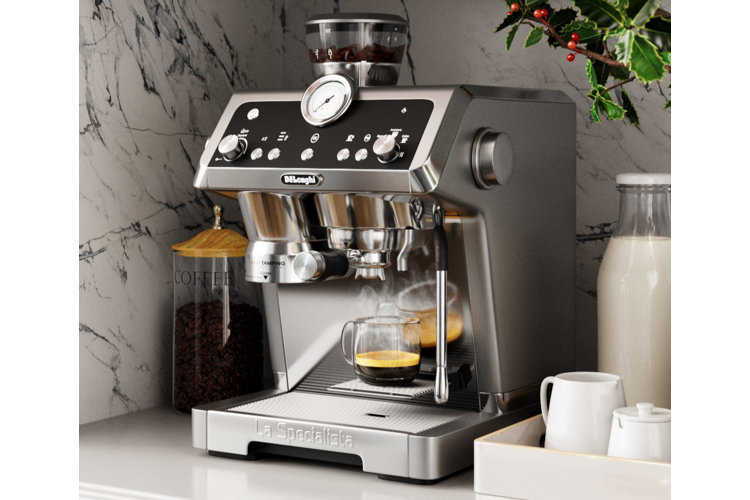
Imagine starting each morning with rich crema-topped espresso – and you don't even have to leave the house. Instead, you can bring the cafe to your kitchen by learning how to use an espresso machine. In this guide, we outline everything you need to know, from measuring coffee beans to "pulling shots".
In this guide:
1. Choose an Espresso Machine
2. Set Up & Clean the Machine
3. Get Familiar With the Machine & Included Supplies
4. Fill the Water Tank & Preheat the Espresso Machine
5. Run the Machine With Water First to Check the Temperature
6. Measure & Grind Coffee Beans as the Machine Preheats
7. Then, Make Your Espresso
8. Steam Milk or Use a Separate Milk Frother for Specialty Espresso Drinks
9. Enjoy!
Frequently Asked Questions
1. Choose an Espresso Machine
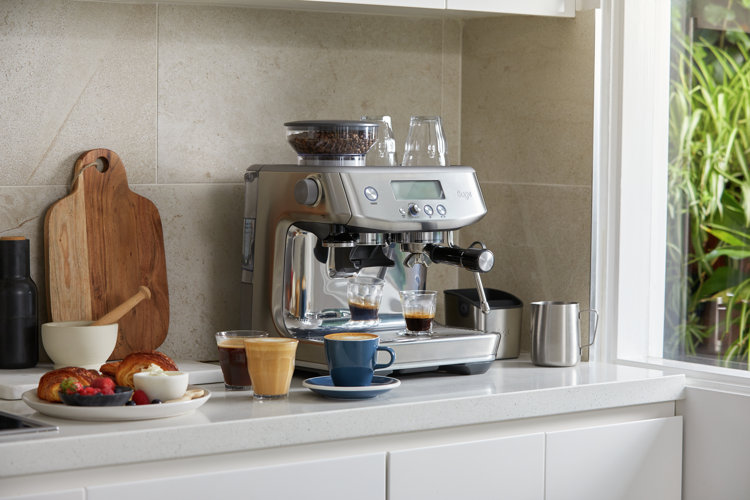
(Shop this image: silver espresso machines, glass espresso mugs, cappuccino and latte mugs, and wood cutting boards.)
Before you can learn how to use an espresso machine, you need to choose the best espresso machine. For the purposes of this guide, we'll be focusing on how to make espresso using automatic/super-automatic or semi-automatic machines. Automatic and super-automatic espresso machines do basically all of the work for you (great for beginners or coffee-pod users), while semi-automatic espresso machines give you a bit more control (perfect for espresso connoisseurs who like to play around with temperature, grind settings, or bean blends). Since there are also so many more espresso machine options/techniques, we've put together a guide on How to Pick the Best Espresso Machine for Your Needs to help you pick the right one for you. Looking for budget-friendly options? Check out The Best Espresso Machines Under $100.
2. Set Up & Clean the Machine
Once you've decided on an espresso machine and made a purchase, it's time to set it up! Reference the owner's manual for specific setup and cleaning instructions. As a general rule of thumb, you'll want to remove and clean the water tank with mild soap and water before using it for the first time. You can also use this time to clean and dry any accessories that came with the machine (like the portafilter, filter baskets, frothing pitcher, etc.). Then run the espresso machine with only water.
If your espresso setup comes with a milk steamer/frother, you'll also want to trial-run it with water. This helps clean the internal mechanisms of the machine and ensures it's ready for use. Just make sure you have a cup beneath the portafilter (where the espresso comes out) and hold a cup beneath the milk steamer to catch any water that comes out.
3. Get Familiar With the Machine & Included Supplies
(Shop this image: programmable espresso machines and coffee accessories.)
The next step in how to use an espresso machine is to take stock of what you have and to determine how to operate the machine. Standard espresso machines come with the following:
- Filter Baskets: One or more filter basket sizes (for single, double, or triple espresso shots) designed to fit into the portafilter and hold coffee grounds.
- Portafilter: This includes a handle attached to a round filter with a double spout attached to the bottom from which freshly-brewed espresso will come out. The portafilter is removable and fits into the group head of the espresso machine.
- Group Head: The group head, also called the brew head, is located on the front of the espresso machine. This is a permanent mechanism that the portafilter locks into (once filled with coffee grounds), and it emits the hot water that helps create delicious espresso!
- Tamper: A flat handheld tool used to level/flatten the coffee grounds in the portafilter/filter basket before the portafilter goes in the group head of the espresso machine. The tamper ensures that there is an even distribution of coffee grounds in the filter for quality results.
- Coffee Grinder: Automatic/super-automatic espresso machines usually come with a built-in coffee bean grinder. Semi-automatic espresso machines may or may not come with a built-in coffee grinder. In some cases these machines will come with a separate compatible coffee grinder, or you may need to source your own.
- Milk Steamer/Frother: Most semi-automatic and automatic/super-automatic espresso machines come with a built-in milk steamer/frother. Smaller models may come with a standalone milk frother that you can plug into the wall to operate, or you may need to source one yourself.
- Scale: A kitchen scale is completely optional, as you can use the filter baskets to determine the amount of coffee grounds and the espresso shot size. However, a scale is the best way to accurately measure coffee beans by grams to ensure you grind the optimal amount for a single, double, or triple espresso shot. More on preparing and measuring coffee beans for espresso in step six.
4. Fill the Water Tank & Preheat the Espresso Machine
Fill the water tank to the fill line and start the preheating process. It takes approximately five to ten minutes for an espresso machine to reach the ideal espresso-brewing temperature (195°F – 205°F), so it's important to complete this step before you start preparing your coffee grounds. Follow the instructions for your particular espresso maker on how to preheat your machine. For certain models, all you have to do is press a button! For other models (like semi-automatic), you might be able to set your machine to a specific temperature.
5. Run the Machine With Water First to Check the Temperature
This step is only necessary if your espresso machine doesn't have a temperature gauge to show when it's reached its brewing temperature. Place the empty portafilter in the group head and place an espresso cup beneath. Then, press the start button (or single shot button). If the water comes out with steam/bubbles, then you know it's ready! Pour the water out of the cup and remove the portafilter to dry it – a wet portafilter can affect the extraction process of the coffee grounds and reduce the quality of the result.
6. Measure & Grind Coffee Beans As the Machine Preheats
If you're wondering if you can use regular coffee in an espresso machine, the answer is yes! Most espresso is made using the same bean blends that standard coffee uses. Dark roasts are the most common for espresso because of their smooth taste and strong flavor. However, you can also experiment with medium or light roasts. It all comes down to the coffee grounds themselves. Here's how to measure and grind coffee beans for espresso:
For Machines With Built-in Coffee Grinders
Espresso machines with built-in coffee grinders grind coffee beans to perfection and you can even choose a grind setting that matches the shot size you want (single, double, triple). With these models, you place the portafilter with the correct filter size basket into the group head and select the grind size.
The machine releases finely ground coffee into the portafilter, and then you can remove the portafilter to tamp the grounds before putting it back in the group head to brew the espresso.
If your espresso machine doesn't have a built-in coffee bean grinder/measurer, you can still achieve fine coffee grounds and precision measurements for the perfect espresso shot! The quickest and easiest way is to use a burr grinder to grind coffee beans and then fill the desired portafilter basket size, removing any excess coffee grounds that overflow from the top. We highly recommend using a burr coffee grinder for espresso because it has the ability to create fine, even coffee grounds.
If you're all about precision, there are a few extra steps you can take to ensure you grind the perfect amount of coffee beans for a specific shot size. Start by filling the desired portafilter basket with coffee beans, allowing for space at the top. Then, place it on a kitchen scale. Add or remove coffee beans until you reach the gram size for a single, double, or triple espresso shot. Here is a breakdown of how to measure the weight of coffee beans for espresso:
Single Shot: 7–9 grams of coffee beans to produce 14–18 grams of espresso
Double Shot: 18–21 grams of coffee beans to produce 36–42 grams of espresso
Triple Shot: 21–24 grams of coffee beans to produce 42–48 grams of espresso
Please note that you may have to adjust the coffee bean dosage once you've made your espresso depending on how it tastes.
After weighing your coffee beans, you can put them in a burr coffee grinder and blend until you get a fine, flour-like texture. Pour the coffee grounds back in the filter basket inside the portafilter. Place the portafilter into the group head of the espresso machine and start a brew.
Tip!
Using a separate coffee grinder? Review How to Use a Coffee Grinder for the best tips and practices.
7. Then, Make Your Espresso
Now for the fun part of how to use an espresso machine – making espresso! This step is also commonly referred to as "pulling a shot."
Prep the Portafilter
- Place your portafilter on the counter and insert the filter basket size you want into the portafilter. Filter baskets are usually labeled to indicate shot/cup size.
- For espresso machines with coffee grinders, insert the portafilter into the group head that's attached to the coffee grinder and turn it on. Once the process is complete, remove the portafilter and lightly shake it to level the coffee grounds.
- For espresso machines without built-in coffee filters, grind the coffee beans and pour freshly-ground coffee into the basket.
- Lightly tap/shake the portafilter to help level out the coffee grounds.
Tamp the Grounds
- Then, using a tamper, press down on the coffee grounds.
- Remove the tamper. The coffee grounds should look compact and flat inside the portafilter basket.
- Insert the portafilter into the group head and lock it into place.
- Position an espresso cup (or a larger cup if you plan to add milk) directly beneath the portafilter spout.
- Press the button on the machine for the size espresso shot you want.
Tip!
Time how long it takes for the espresso machine to produce a full espresso shot. It should only take 25–35 seconds (regardless of shot size). If it takes less than 25 seconds, this means that the coffee grounds weren't ground fine enough and could cause the espresso to taste acidic or watery. If it takes more than 30–35 seconds, it could mean that the filter basket was over-packed with coffee grounds or that you actually need to use a coarser coffee ground mixture. When it takes too long to brew espresso, it produces a bitter flavor.
When learning how to make espresso coffee, you may need to play around with the coffee ground dose/filter basket size until your espresso machine outputs drinks within the 25–35 second range. This ensures the best flavor profile.
8. Steam Milk or Use a Separate Milk Frother for Specialty Espresso Drinks
For anyone who drinks lattes, cappuccinos, flat whites, or other specialty espresso drinks – this step is for you. Most automatic/super-automatic espresso makers have a separate tank for milk, and it gets steamed/frothed inside the machine and released from a separate spout. Smaller espresso machines may require you to get a separate milk frother. However, most traditional espresso machines have a milk steamer/frother located on the outside of the machine.
You fill a froth pitcher halfway (or to the fill line) with whole milk (or another milk substitute) and hold it up to the steamer mechanism. You actually want the bottom portion of the steamer in the milk. Then, press the steam button, and wait until the milk achieves the frothy look that's perfect for making latte art.
Tip!
Love a specific espresso drink? Check out these espresso machines that are programmed to make lattes, cappuccinos, and more.
(Shop this image: frothing pitchers, glass espresso mugs, and automatic espresso machines).
This is perhaps the most fun part of making espresso at home. Slowly top up your espresso with steamed milk and experiment with latte art designs!
(Shop this image: cappuccino cups, abstract decorative trays, pink faux flowers, and pleated lamp shades.)
Now that you know how to use an espresso machine, you can sit back and enjoy a freshly-brewed cup of espresso.
Tip!
Considering another method for how to brew espresso? Review Wondering How to Make Espresso Without a Machine? Three Methods to Try.
Frequently Asked Questions
How do I choose the right espresso machine?
Consider automatic/super-automatic machines for ease or semi-automatic for more control over brewing.
What are the key steps to preheat an espresso machine?
Fill the water tank and wait 5–10 minutes for the machine to reach 195°F – 205°F.
Why should I run the espresso machine with water first?
Running water first cleans the machine and checks if it reaches the correct temperature.
