What Is a Keeping Room?
Hint: You're going to want one.
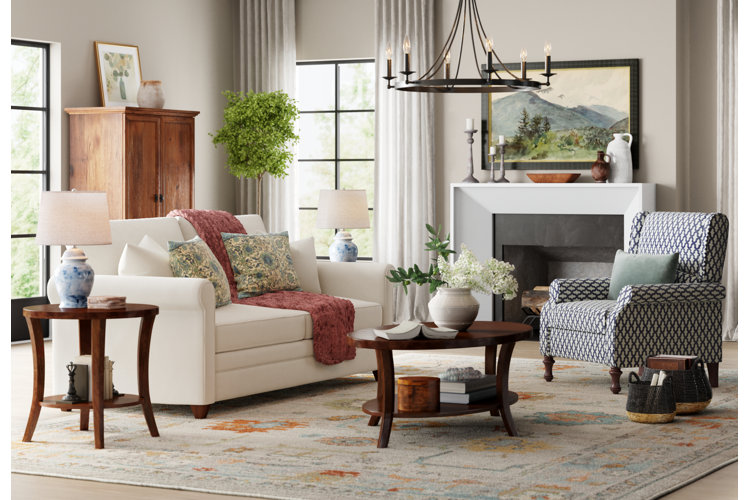
In today's homes, the idea of an open-concept space has transformed the way we live, interact, and entertain. With the merge of living spaces, one room that has seen a resurgence is the keeping room. To understand this interesting space and its origins, let's delve deeper into the question "what is a keeping room?" and explore its historical significance, design considerations, and how homeowners are embracing this space in their contemporary homes.
In this guide:
Historical Origins
What Is a Keeping Room in Contemporary Homes?
Design Tips for Creating a Keeping Room
Frequently Asked Questions
Historical Origins
The keeping room, also known as a hearth room or family room, was a common feature in early Colonial American homes, particularly in the Southern states. Central to the home and typically located near the kitchen, the keeping room functioned as a multi-purpose room that served as an extension of the cooking and dining areas. Keeping rooms often featured hearths, so that those who weren't cooking could gather and enjoy the warmth when central heating wasn't a thing. Keeping rooms also provided a warm and comfortable place for families to sit, eat, talk, and perform various household tasks. Some homeowners would even sleep in the keeping room during cold winter nights, given its close proximity to the fireplace.
What Is a Keeping Room in Contemporary Homes?
Although the concept of a keeping room dates back centuries, modern homeowners are rediscovering the appeal of creating warm, cozy family spaces that allow for interaction and togetherness. As the question "what is a keeping room?" gets revisited, contemporary keeping rooms may include comfortable seating, such as sofas, armchairs, and benches, as well as functional elements like side tables, storage spaces, and a fireplace.
Design Tips for Creating a Keeping Room
There are no hard and fast rules when it comes to designing a keeping room. However, these suggestions can help you successfully create a welcoming and functional space for your family and guests:
1. Keep it cozy.
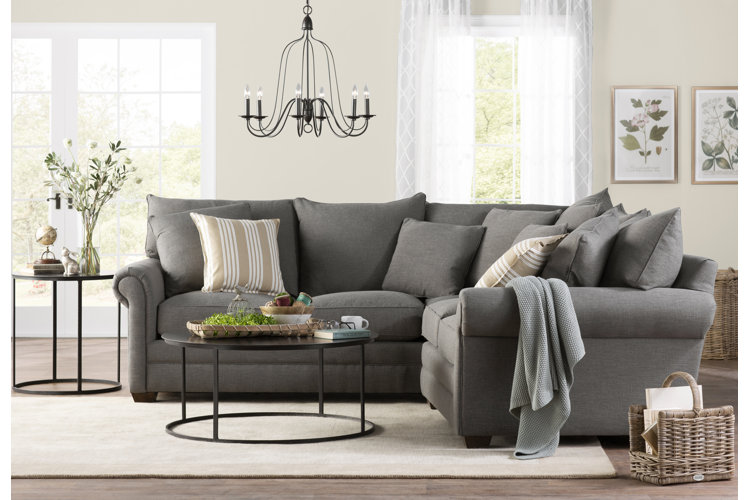
One of the key elements of a keeping room is its emphasis on warmth and comfort. Use plush furnishings, soft textiles, and warm color schemes to create an inviting atmosphere. Don't forget to prioritize ample and comfortable seating options as well.
To truly answer the question, "what is a keeping room?" the space should be extremely functional. Consider incorporating elements like built-in bookshelves, cabinets, or storage benches to help keep the room organized and clutter-free.
Design your keeping room to encourage conversation and socializing. Arrange the seating in a way that invites various groups to engage in informal conversation, or position the furniture to encourage interaction with family members.
Tip!
Learn how to arrange a small living room for the ultimate cozy space.
4. Create a focal point.
In many traditional keeping rooms, the fireplace served as the room's focal point. If you have a fireplace, ensure it is well-maintained and prominently featured in your design. Alternatively, you can choose to create another focal point, such as a built-in bookcase or television console.
To make your keeping room feel natural, blend styles to create a seamless transition between the room and its adjoining spaces. Look for design elements and color schemes that can help tie the room together with adjacent rooms, such as the kitchen or dining area.
Incorporating a Keeping Room into Your Home
As you ponder the question, "what is a keeping room?" consider the benefits and features that make this space so unique and appealing. Whether you're renovating an older home or designing a new build, a keeping room can provide a cozy and welcoming space where family and friends can gather, engage, and connect.
By understanding the historical significance of a keeping room and adapting it to modern sensibilities, you can create a functional and comfortable space that promotes togetherness, warmth, and interaction in your home.
Frequently Asked Questions
What is the historical origin of a keeping room?
The keeping room originated in early Colonial American homes, especially in Southern states, as a multipurpose room near the kitchen.
How is a contemporary keeping room typically designed?
Modern keeping rooms include a fireplace, comfortable seating, and functional elements like side tables.
What are some design tips for creating a keeping room?
Design tips include creating a cozy ambience, prioritizing functionality, emphasizing social interaction, and creating a focal point.
