What Is a Sconce? Types, Meaning, & How They Work
Wall-mounted light fixtures.
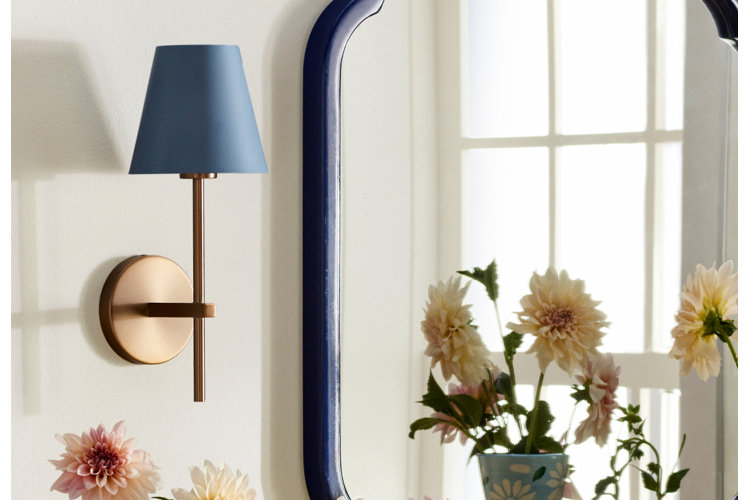
A wall sconce is a decorative lighting fixture mounted directly onto a wall – making them distinctly different from pendants, chandeliers, and table or floor lamps. Learn more about these versatile light fixtures below.
Sconce Meaning (Quick Definition)
A sconce is a light fixture mounted to a wall rather than suspended from a ceiling or placed on a table or floor. The term originates from the Old French word esconce, referring to a protective bracket or wall pocket used to hold a candle or torch.
Modern wall sconces operate on electricity (hardwired, plug-in, or battery-operated) and serve both functional and aesthetic purposes. They provide ambient, task, or accent lighting without occupying valuable floor space or tabletop surface area, making them an essential element in balanced room lighting design.
Types of Wall Sconces
| Type | Look | Best for |
|---|---|---|
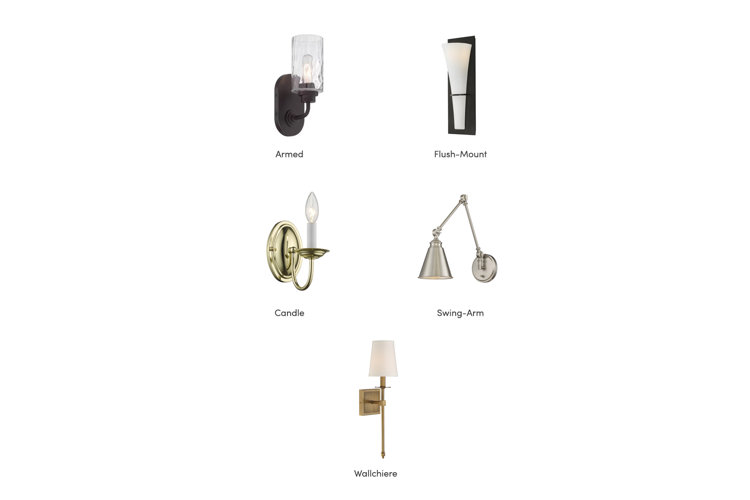
| Armed / swing-arm | Arm projects from the wall | Bedsides, reading nooks |
| Flush-mount | Sits close to the wall | Hallways, tight rooms |
| Candle-style | Candle or candelabra look | Dining, traditional rooms |
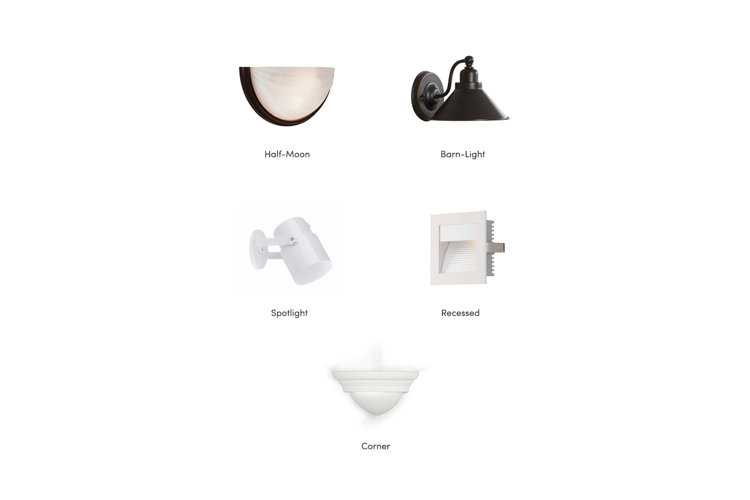
| Barn-light | Metal shade, farmhouse | Mudroom, kitchen, porch |
| Spotlight | Aimed beam | Art, signs, tasks |
Wall sconces come in a wide variety of silhouettes tailored to different aesthetic styles and lighting needs.
Armed/Swing-Arm Sconces
Armed sconces feature a fixed or jointed extension arm extending from the wall plate. Swing-arm wall sconces allow you to adjust the light fixture horizontally or vertically, providing customizable task lighting right where you need it.
Flush-Mount Sconces
Flush-mount wall sconces mount flat against the wall with minimal projection. They are optimal for narrow hallways and high-traffic pathways where protruding fixtures present an obstruction.
Candle & Lantern Sconces
Nodding to classic design, candle-style sconces feature exposed flame-shaped bulbs set on faux-candle holders. Lantern sconces enclose the bulb inside glass casing, suitable for rustic or traditional decor indoors and out.
Spotlights & Barn-Lights
Spotlight and picture lights direct focused light downward or toward wall displays to highlight art and decorative accents.
Barn lights feature a curved gooseneck arm with a wide dome shade to cast downward directional light.
Wallchieres
Wallchieres are tall, slender sconces designed like floor torches that direct soft light upward across the wall and ceiling.
Neighborly Tip!
Learn more about styling fixtures in our Wall Sconces Buying Guide.
Hardwired vs. Plug-in vs. Battery sconces
| Power | Install | Cords / batteries | Best for |
|---|---|---|---|
| Hardwired | Electrician + wall box | Hidden in the wall | Permanent switch control |
| Plug-in | DIY, needs an outlet | Visible cord | Renters, no new wiring |
| Battery | DIY, no outlet needed | Battery changes | Accents, no wiring |
Choosing the right power source comes down to three main factors: your living situation, your budget, and how comfortable you are with electrical DIY.
- Renters vs. Homeowners: If you own your home, hardwired sconces offer a permanent, seamless look with hidden wiring that connects directly to a wall switch. If you rent or prefer not to cut into drywall, plug-in and battery-operated sconces let you add stylish wall lighting without risking your security deposit or requiring landlord approval.
- Installation & Upfront Costs: Hardwired fixtures generally require hiring a licensed electrician, which adds labor costs to your lighting project. Plug-in models install in minutes with basic mounting hardware near an available outlet, while battery-powered options offer the ultimate budget-friendly flexibility – letting you place a fixture anywhere on the wall completely free of cords and wiring.
Sconce vs. Wall Light: Is There a Difference?
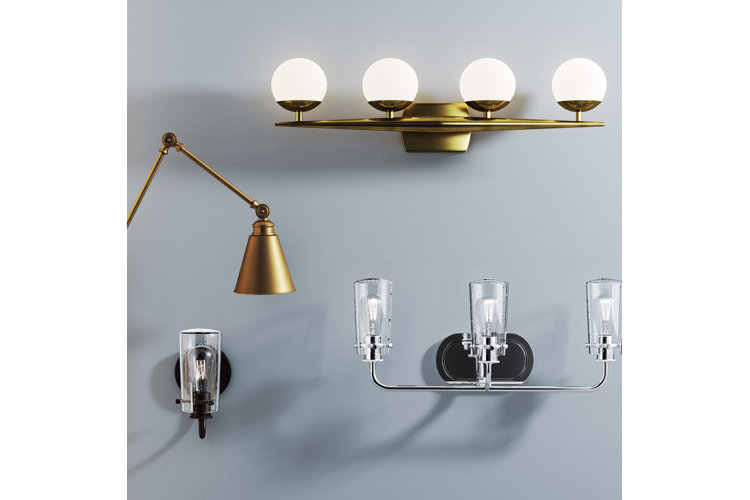
In home lighting terminology, all sconces are wall lights, but not all wall lights are sconces.
- Sconces: Typically smaller, decorative fixtures mounted in pairs or sets to provide layered ambient, accent, or task lighting (e.g., swing-arm bedroom sconces or candle-style dining room sconces).
- Wall Lights: A broader category encompassing all wall-mounted fixtures, including large multi-light bathroom vanity bars, commercial wall packs, security floodlights, and picture lights.
Where to Put Wall Sconces (Placement & Height Guide)
Proper mounting height ensures comfortable illumination without glare from exposed light bulbs. The standard rule of thumb for indoor wall sconce placement is 60 to 66 inches from the floor to the center of the fixture, keeping the light source near eye level.
Bedroom Sconces
Mount sconces on either side of the bed headboard 6 to 12 inches above the nightstand, or roughly shoulder-height when sitting up in bed. Swing-arm sconces allow easy reading without taking up bedside table space.
Bathroom / Vanity Sconces
Flank the bathroom vanity mirror with two sconces mounted at eye level (roughly 60 to 65 inches high) spaced 28 to 36 inches apart. This side-lighting eliminates harsh shadows under the eyes and chin when prepping at the mirror.
Hallway & Living Room Sconces
Space sconces 8 to 10 feet apart along hallways to create even ambient light without dark gaps. In living rooms, pair sconces on either side of a fireplace mantle, accent mirror, or main artwork piece.
Outdoor / Porch Sconces
Mount outdoor wall sconces at eye level (60 to 66 inches high) on either side of entry doorways, garages, or patio doors.
Key Features to Look For
Dimmable Wall Sconces: Adjust brightness levels from functional task lighting to soft ambient evening light.
LED Wall Sconces: Adjust brightness levels from functional task lighting to soft ambient evening light.
- Waterproof Wall Sconces: Perfect for protecting your light fixtures in bathrooms or outdoor spaces.
Neighborly Tip!
After choosing the perfect sconce for your space, check out our comprehensive guide on How to Install a Wall Sconce.
Frequently Asked Questions
What is a sconce?
A sconce is a light fixture mounted to a wall. Historically it was a bracket for a candle; today most sconces are electric and used indoors or on a porch.
Is a sconce the same as a wall light?
In US home lighting, yes for most shoppers. Sconce usually means a decorative wall-mounted fixture, often used in pairs. Wall light can also include vanity bars and outdoor lanterns.
Do wall sconces have to be hardwired?
No. Hardwired sconces hide the cord and use a wall switch. Plug-in and battery sconces install without new wiring and are better for renters.
How high should you hang a wall sconce?
A common indoor height is about 60 to 66 inches from the floor to the fixture center. Beside a bed, sit the sconce just above the nightstand or aligned with the headboard. Always follow the fixture instructions.
Why is it called a sconce?
The word comes from a wall bracket that held a candle or torch. Modern sconces keep that wall-mounted shape with electric bulbs or LEDs.
