What Is a Greenhouse? Tips & How It Works
Everything you need to know about greenhouses.
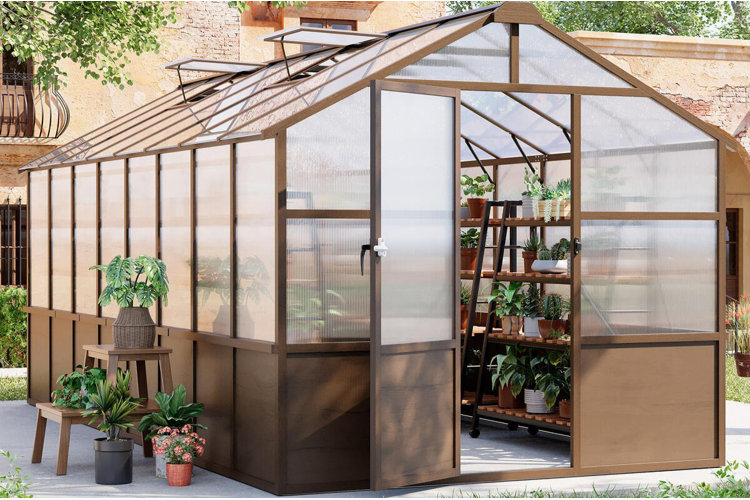
When it comes to gardening, you may be wondering exactly what a greenhouse is and how it works. These structures create ideal growing conditions for plants while also protecting them from excessive heat or cold. If you’re ready to take your gardening to the next level, read on to find out what exactly greenhouses do and the benefits they’ll bring to your garden.
Key Takeaways
- How They Work: Greenhouses work by allowing sunlight through transparent panels, where internal surfaces absorb the light and convert it to heat, while the structure traps the warm air and limits heat loss.
- Protection & Growing Benefits: Greenhouses protect plants from extreme weather, frost, pests, and wildlife – enabling year-round growing, faster plant growth, higher yields, and the ability to cultivate delicate or non-native species.
- Types & Growing Uses: Greenhouses range from small mini/portable setups and cold frames to large walk-in structures and tunnel hoops – supporting everything from early seedlings and leafy greens to heat-loving vegetables, tender flowers, and exotic fruits.
Greenhouse Definition (What Is a Greenhouse?)
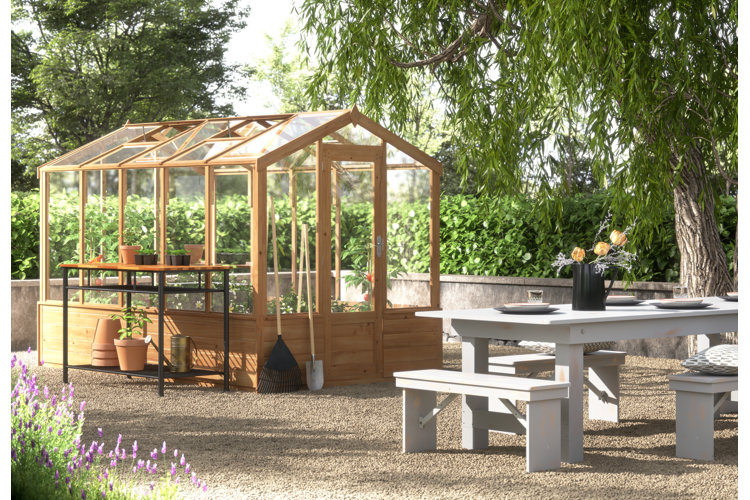
A greenhouse is a garden structure with transparent walls and a roof – usually glass, polycarbonate, or plastic – that lets sunlight in and traps warmth so plants can grow in a more controlled climate. Home gardeners use greenhouses to start seedlings, protect tender plants, and extend the growing season without the constraints of seasonal weather.
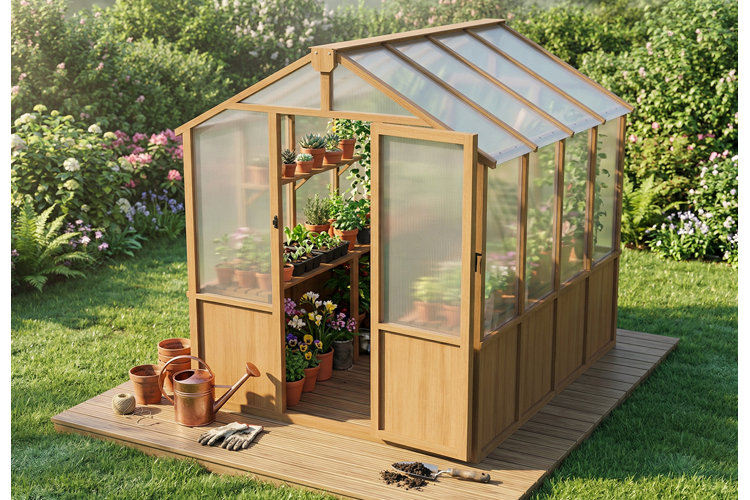
Sunlight Enters Through Transparent Panels
Solar energy passes freely through the greenhouse’s clear glass or plastic covering. The transparent material allows visible sunlight to penetrate the interior without significant resistance.
Light Converts to Heat
Inside the greenhouse, plants, soil, and floor surfaces absorb the incoming sunlight. These surfaces warm up and radiate energy back out as thermal heat, heating the surrounding air.
Heat Becomes Trapped
The structure prevents this generated heat from escaping. The solid panels block thermal radiation and restrict air movement, trapping the warm air within the enclosed space and raising the internal temperature of your greenhouse.
Ventilation Regulates Temperature & Humidity
Roof vents, louvers, or fans control the internal environment by allowing hot air and excess moisture to escape. Opening these vents draws in cooler outside air, maintaining stable temperature and humidity levels for plant growth.
Benefits of a Greenhouse
Greenhouses provide a controlled environment that protects crops from unpredictable weather, pests, and local wildlife. By trapping heat and managing moisture, they extend the growing season – allowing gardeners and farmers to cultivate fresh produce and plants year-round, even in colder climates. This stable microclimate promotes faster growth, higher crop yields, and greater variety than traditional outdoor gardening.
- Year-Round Growing: Extends the harvest season regardless of outside weather or season.
- Protection from Hazards: Shields plants from severe storms, frost, pests, and hungry wildlife.
- Optimal Climate Control: Maintains ideal temperature and humidity levels for faster, healthier growth.
- Higher Yields & Variety: Improves crop quality and allows you to grow non-native or delicate plants.
Neighborly Tip!
Also read How to Use a Greenhouse and How to Use a Mini Greenhouse for step-by-step instructions to help you make the most of your new garden feature.
Types of Greenhouses at a Glance
| Type | Best for | Footprint |
|---|---|---|
| Mini / portable | Seedlings; patios | Small / movable |
| Walk-in | Year-round beds | Medium–large |
| Tunnel / hoop | Rows; season extend | Long & low |
| Cold frame | Hardening off | Ground-level box |
Mini/Portable
Mini greenhouses are compact, lightweight structures designed for balconies, patios, or small gardens. They are best for city dwellers, starter-seed germination, or protecting a few potted plants during sudden frosts without taking up permanent yard space.
Walk-in/Freestanding
Walk-in greenhouses are standalone, full-sized greenhouses offering ample headroom and interior shelving. This type of greenhouse is best for serious hobbyists and home gardeners who need a dedicated space to cultivate a wide variety of plants year-round with complete climate control.
Tunnel/Hoop
Tunnel or hooped greenhouses are curved-frame structures wrapped in greenhouse-grade plastic, usually longer and ground-mounted. These cost-effective greenhouses are best for market gardeners and farms seeking coverage over large, row-based crop areas to extend the growing season.
Cold Frame
Cold frame greenhouses are low-profile boxes with clear glass or plastic lids set directly on the ground. They are best for hardening off young seedlings before outdoor planting, overwintering hardy greens, and protecting low-growing crops on a tight budget.
Neighborly Tip!
For more details on how to choose the perfect greenhouse for your gardening needs, read Types of Greenhouses and Your Guide to Greenhouse Sizes.
What Can You Grow in a Greenhouse?
Greenhouses offer a protected environment that opens up possibilities well beyond traditional seasonal gardening. By insulating against frost and regulating humidity, they allow you to cultivate delicate heat-loving crops, kickstart early harvests, and raise non-native varieties that wouldn't normally survive your local climate.
- Warm-Weather Vegetables: Tomatoes, peppers, cucumbers, eggplants, and squash that thrive in consistent heat.
- Fresh Herbs & Leafy Greens: Spinach, lettuce, kale, basil, and cilantro for year-round harvests.
- Exotic & Tropical Fruits: Citrus trees (lemons, limes), figs, passion fruit, and even dwarf bananas.
- Delicate & Tender Flowers: Orchids, hibiscus, dahlias, and early spring starters to transplant outside.
- Seedlings & Starts: Early vegetable and flower sprouts protected from spring frosts before outdoor planting.
Frequently Asked Questions
What is a greenhouse?
A greenhouse is a structure with transparent walls and a roof that lets sunlight in and traps heat so plants can grow in a more controlled climate than outdoors.
What is the purpose of a greenhouse?
Greenhouses protect plants from weather extremes, extend the growing season, and create steadier temperature and humidity for seedlings, vegetables, herbs, and tender ornamentals.
How does a greenhouse trap heat?
Sunlight passes through glass or plastic and warms plants and soil. The covering slows heat loss, so the air inside stays warmer than outside—especially with limited ventilation.
What can you grow in a greenhouse?
Common greenhouse crops include seedlings, leafy greens, herbs, tomatoes, peppers, and other warm-season vegetables, plus frost-tender ornamentals depending on your setup and climate.
Do greenhouses work in winter?
Yes—many hobby greenhouses still buffer cold and wind in winter, especially for hardy greens and overwintering plants. Performance depends on insulation, sunlight, and whether you add supplemental heat.
You Might Also Like
