Types of Greenhouses
Find the perfect one for you.
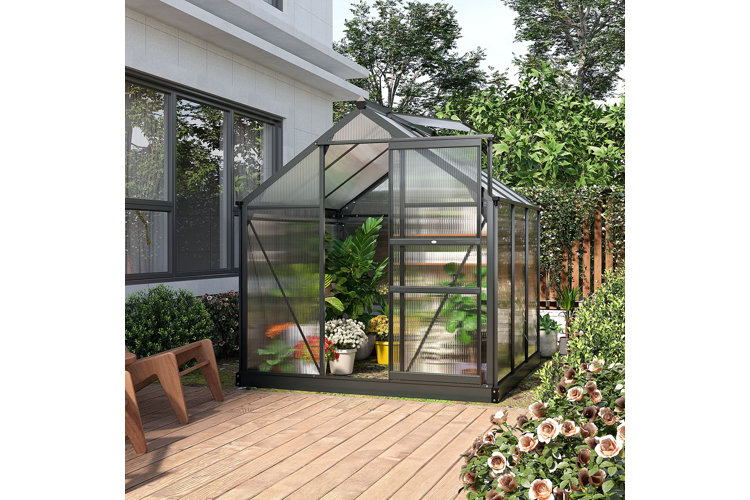
Whether you are growing plants or growing food, a greenhouse can extend the life of your garden. Keep reading to learn more about the types of greenhouses available and how to choose the right one for you.
How to Choose a Greenhouse
How to Use Your Greenhouse
How to Clean A Greenhouse
How to Choose a Greenhouse
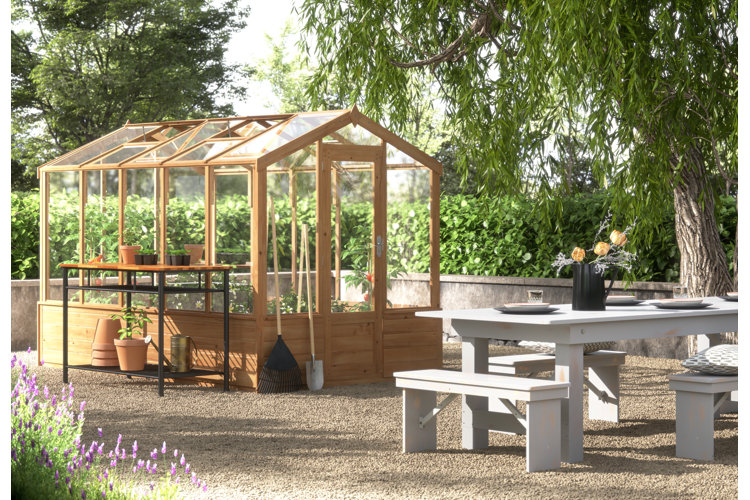
Before learning how to use a greenhouse, you should first understand how to pick the right one for your yard and environment.
Types of Greenhouses
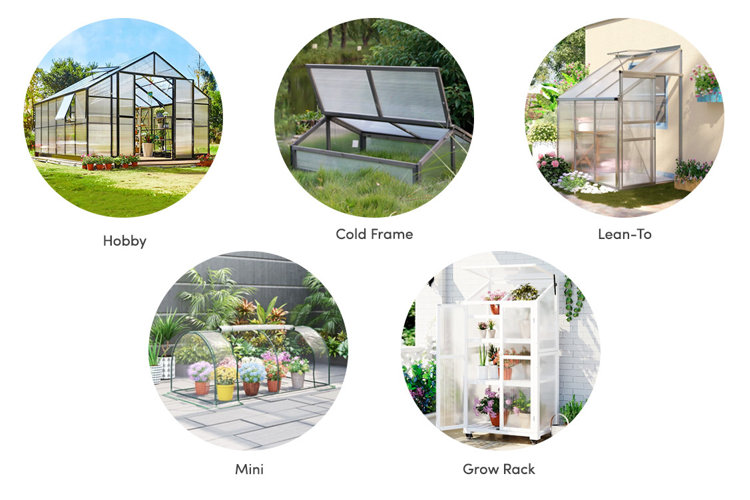
How you intend to use your greenhouse directly impacts which type you need.
Hobby: Ideal for backyard growers, hobby greenhouses are smaller and more affordable than commercial greenhouses. They are available in a variety of sizes to suit your needs and are a great way to ensure that your plants will thrive year-round.
Lean-To: These greenhouses are constructed against an existing wall, making access to water and electricity extremely easy. Lean-to greenhouses must have proper ventilation and a way to isolate their heating away from the main house, as they can make the rest of your house too warm. The convenience of an attached greenhouse can encourage you to take care of your plants more often.
Cold Frames: Cold frames are typically used in early spring to get seeds to sprout and take root, as it’s difficult to do so with excessive cold or rain. They are built low to the ground with a wooden frame and a transparent roof to channel the sun’s heat. Cold frames are similar to mini greenhouses and are meant to extend the growing season.
Growing Racks: These vertical shelves are used to raise seedlings and save space, while having all the benefits of a large greenhouse. Growing racks are a great choice if you have limited space or want a portable option. These often have roll-up panel doors and are typically made from vinyl.
Mini: A perfect option for a small space, mini greenhouses can be used to grow seedlings and small plants and are designed to be set directly on a garden bed. These require little to no installation and are a great choice for beginners.
Tip!
For an in-depth description of greenhouse types, read our guide How to Pick the Perfect Greenhouse Design.
Materials
Determine which combination of materials best fit your needs.
Panel Materials
Glass: This is the traditional greenhouse panel material, known for its beauty and effectiveness. Modern glass blocks harmful UV rays and is a consistent material, however, it is less efficient at retaining heat and does not diffuse light because of its transparency. Direct, non-diffused light, can burn plants if they are exposed to it for too long. Glass can be fragile during harsh weather, so look for thicker glass (about 3 – 4 millimeters), to better resist damage. To be on the safe side, glass is not recommended if you live in a severe winter climate. Glass is also the heaviest panel option, so it will require more substantial framing.
Polycarbonate Panels: Polycarbonate is often used to replace glass in greenhouses, as it is cheaper and longer-lasting. It is extremely durable and has significant insulating properties. Polycarbonate panels are translucent and diffuse light, which is beneficial to your plants. While polycarbonate panels are strong, they can cloud or yellow over time and reduce light transmission, so be sure to monitor their color regularly.
Polyethylene Film: Film is a favorite of commercial growers because of its simple maintenance. It is also low cost and lets in a good amount of light. However, polyethylene needs to be recoated every three to five years and can be torn in high winds. Preserve it with a UV-ray protective coating to extend its lifespan.
PVC Vinyl: Ideal for DIY-ers, PVC is affordable and easy to install. However, vinyl is not as durable as other panel materials, so we recommend only using this on smaller greenhouses. Vinyl should also be treated with a UV-ray protective coating to reduce fading.
Acrylic Panels: Acrylic is the most durable option, lasting for up to 20 years. Acrylic can easily withstand heavy winds, snow, and even hailstorms. It is also much lighter compared to glass – making installation simpler. However, it scratches more easily than other materials, so special products and towels must be used when cleaning it. Choose acrylic panels with more layers for better insulation.
Frame Materials
Steel: Most large, commercial greenhouses use steel frames because they are durable, low cost, and require less framework than other materials. Less framework also means that there are less shadows, which is a huge bonus as every inch of space without light is wasted. Most steel frames are covered with polyethylene film to accommodate the rigid panels.
Aluminum: Aluminum frames are typically coupled with glass or polycarbonate panels. This long-lasting framing material won’t rust, corrode, or break down from UV rays.
Plastic: The main advantages of plastic greenhouses are their affordability, portability, and easy installation. Plastic is typically used in smaller greenhouses, as it’s not as strong as other materials. Plastic frames retain heat better than similar-sized metal frames, but may deteriorate faster than other materials. It should therefore be treated against UV rays.
Wood: Wood frames are often covered with rigid plastic or glass. Though wood is a classic look for greenhouses, it is susceptible to rot over time. Redwood and cedar are recommended, as they have a natural resistance to the elements and pests. Wood should be treated regularly to increase its lifespan and placed in an area with good drainage. Since wood is usually heavier and thicker than other frame materials, the amount of shadows inside increases.
Resin: This is an inexpensive option for frame material and is often seen in small or portable structures. Resin is not used regularly because it weakens when exposed to extreme temperatures, but it is a great option for starter greenhouses.
Features
These features will help you get the most out of your greenhouse.
Lockable-Door: This feature is great if you have children who play in the backyard often. A lockable door allows you to be stress-free at night knowing that your plants are locked away.
No-Foundation-Needed: Many greenhouses can be placed directly on the ground, saving money and installation time. Greenhouses of all different sizes are designed to not need a foundation and can be put on top of a garden or on hard ground.
Foundation-Included: If you need a foundation, there are plenty of options that have one already included. This makes installation simpler and relieves you from needing to find alternative flooring. Flooring is also beneficial for drainage, heat absorption, and stability.
Built-In Vents: Greenhouses with built-in vents eliminate the need to purchase extra ventilation accessories. Built-in roof vents give you enough ventilation to control your greenhouse temperature and are easy to open and close.
Light-Diffusing Panels: Diffused light is scattered by particles, making the impact of the sun’s rays less direct, less harsh, and more spread out. Light diffusing panels can benefit plants by encouraging better growth due to a more uniform distribution of light. Diffused light is especially recommended in areas with very direct light where plants can get burned.
Tip!
Not sure what a greenhouse is or how one works? Read our guide How to Use a Greenhouse to learn more.
