How to Use a Greenhouse
Keep your plants thriving year-round.
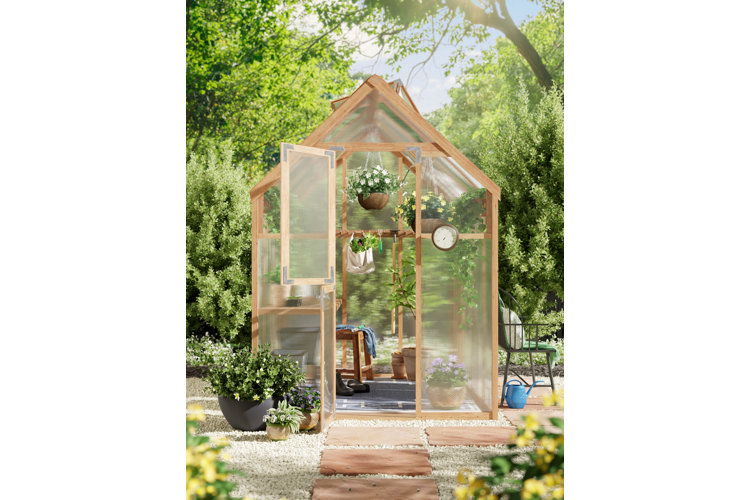
Greenhouses are continually growing in popularity. If you are new to greenhouse gardening, this guide will teach you how to use a greenhouse.
In this guide:
How to Use Your Greenhouse
How to Clean a Greenhouse
Frequently Asked Questions
Before You Begin
Before you use a greenhouse, if you don't already own one, learn about the different types of greenhouses available in our "Types of Greenhouses" guide.
How to Use Your Greenhouse
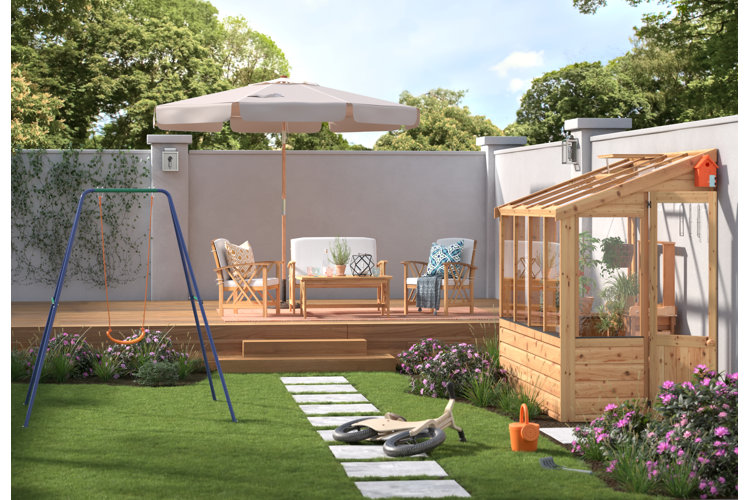
Consider Placement
Knowing where to place a greenhouse is vital for plant growth. Before choosing a site for your greenhouse, check your local zoning regulations to see if you’ll need a building permit. Here are some important factors to consider when choosing your greenhouse’s placement.
1. Sunlight
Look for level ground with maximum exposure to the sun. If possible, the greenhouse should be getting at least six hours of direct sunlight per day during the winter. It is best to position the greenhouse with the ends facing east and west. This provides more heat gain from the sun during winter and creates less shadows. If you don’t have an area with enough sun, consider buying grow lights to compensate.
If you have a lot of trees in your yard, it is important to know what type they are. Deciduous trees, such as oak, maple, elm, and hickory, lose their leaves in the fall, so they allow for sunlight in the winter and are acceptable to surround the greenhouse. However, avoid placing the greenhouse near coniferous trees, such as pine, fir, spruces, and cedars, as they won’t allow as much sun in the winter.
2. Weather
Consider the weather patterns where you live, for example, heavy rains, snow, or winds. If rain is an issue, be sure to choose a spot on high ground with adequate drainage, or install a drainage system beforehand. While snow is less of a problem, you should provide insulation or heating to keep your plants from freezing. Strong winds pose the biggest problem, as they can increase energy costs by working your heater harder and disrupting growth. To fix this, create windbreaks around the greenhouse using shrubs, fences, or small trees to break up the force of the wind.
3. Accessibility
It is important to choose a site for your greenhouse that has easy access to water and electricity, as these are both things that you will need to successfully take care of your plants. Also keep your greenhouse close to your home or garden – it will encourage you to go check on your plants!
Have Essential Environmental Control
Be sure to protect your greenhouse no matter what environment you live in.
1. Heating
If you live in an especially cold area, you need to insulate your greenhouse to make sure your plants stay warm. Even if it gets a lot of sun during the day, an uninsulated greenhouse can be dangerous for plants at night. Electric heaters are the easiest, most popular, and most affordable option for heating a greenhouse. A 220-volt electric heater works for most moderately sized greenhouses. Follow all safety instructions and make sure that your heater is far from any flammable materials.
2. Shading
In warmer areas, properly shading your plants keeps them from getting burned by direct sunlight. Shade cloths and roll-up screens can diffuse light without completely blocking the sun.
3. Ventilation
Greenhouse ventilation is crucial for keeping your plants healthy and maintaining the correct temperature. Some ventilation methods include, installing fans to keep the air moving, or temperature-sensitive vents that automatically adjust to a set climate.
Select & Organize Your Plants
Consider the types of plants you want to grow and then organize plants based on their sunlight and water needs. Group similar plants together and ensure there's plenty of space for air circulation to prevent disease.
Water Consistently & Mindfully
Effective irrigation is key to thriving plants. Drip systems or soaker hoses are excellent for providing a steady water supply. Always monitor soil moisture levels and adjust based on the needs of your plants. This will ensure you’re using your greenhouse to its full potential.
Create a Greenhouse Planting Schedule
Knowing when to plant different types of seeds will increase your chances of a better harvest.
"Hardening off" is the process of moving plants from your greenhouse into the outdoors for a portion of the day to gradually introduce them to the elements. This allows you to cycle plants through your greenhouse and continually have space to add more.
Winter
Start potting frost-tolerant crops in your greenhouse in December and January. Gradually harden them off to cold outdoor conditions and then begin transplanting them to your garden beginning in February or March. Some common frost-tolerant crops are beets, leafy greens, turnips, carrots, and many more. Winter tolerant flowers include pansies and winter jasmine.
Spring
Begin planting cool weather plants in your greenhouse beginning in March. Most cool weather crops enjoy temperatures of around 55 to 65 degrees Fahrenheit. Slowly introduce these crops outside beginning in April. Common cool-season crops include broccoli, lettuce, and cauliflower. Bulbs and chrysanthemums also do very well in the spring.
Summer
Warm-season vegetables have the largest array of options. Plant these crops in your greenhouse starting in late March to April. These plants are not meant to withstand the cold and will typically sprout in four to eight weeks. Wait to harden off warm-season vegetables outside until the average temperature is at least 70 degrees Fahrenheit consistently. Popular summer crops include tomatoes, cucumbers, peppers, eggplant, potatoes, and melons. The same rules apply if you are planting warm-season flowers. Add some daisies or lilies for pops of color.
Fall
The fall season has many planting benefits, as the cooler air allows many varieties of plants to thrive. Plant vegetables in late August to September and allow them to germinate until the end of September. Common fall vegetables include green beans, brussel sprouts, and green onions. Some flowers that do particularly well in the fall are asters and marigolds.
Tip!
A common mistake for new growers is sticking to a set schedule for watering. We recommend only watering your plants when they actually need it to prevent overwatering. The best way to do this is to measure moisture in the soil either using a moisture meter or by the sight and feel of the soil.
Have All Your Supplies
Make sure your greenhouse has everything it needs.
- Shelving
- Flooring & Bases
- Watering & Maintenance
- Window & Door Accessories
- Propagation Mats
- Decorative Accessories
- Roof Accessories
How to Clean a Greenhouse
Cleaning your greenhouse regularly can keep unwanted pests out and will keep your greenhouse functioning properly.
Interior Cleaning
The best times to clean the inside of your greenhouse are when it's fairly empty. Be sure to wear gloves and protect your clothes before starting.
What You Will Need
- Brush and dustpan
- Bucket
- Microfiber cloth
- Mild dish soap
- Antibacterial spray
Step 1: Remove any plants from inside the greenhouse and place them in a sheltered spot.
Step 2: Use a brush to sweep any tabletops, remove dust, and clear remaining debris. Be sure to also scrub the floor of any excess soil that could attract pests.
Step 3: Using a mild soap mixed with hot water, dip a microfiber cloth into the mixture. Use this damp cloth clean the glass, metal, and any interior parts of the greenhouse. Rinse with water and allow to air dry.
Step 4: Spray an antibacterial cleaning product and wipe down tables, empty pots, and the floor.
Step 5: After everything is dry, move your plants back inside to begin cleaning the outside of the greenhouse.
Exterior Cleaning
Clean the outside of your greenhouse on a mildly windy day to allow the breeze to naturally help the drying process.
What You Will Need
- Sponge
- Mild dish soap
- Ladder or mop
Step 1: Using a sponge, gently wipe away any moss or dirt that has built up on the outside paneling of the greenhouse using soapy water. A ladder may be helpful during exterior cleaning to reach high spots, however, you can also attach the sponge to the end of a mop for a similar effect.
Step 2: Let the paneling air-dry and see your greenhouse look brand new.
Tip!
Keeping your greenhouse squeaky clean is essential to healthy plant growth in order to maximize light levels and deter pests.
Frequently Asked Questions
What are the best trees to plant around a greenhouse?
Deciduous trees like oak, maple, elm, and hickory are best as they allow winter sunlight.
How do I provide ventilation in my greenhouse?
Install fans or use temperature-sensitive vents to maintain healthy air circulation.
When should I plant warm-season vegetables in my greenhouse?
Plant warm-season vegetables from late March to April for best results.
