What Is a Bedspread? Sizes, Materials & Uses
Do you need a bedspread?
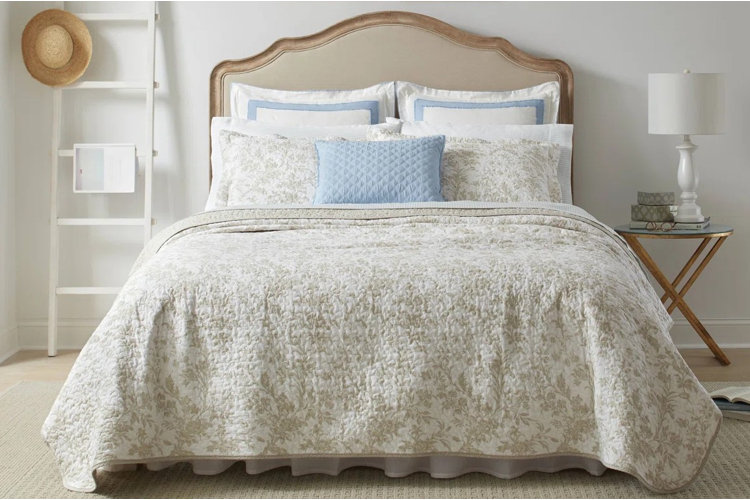
A bedspread is a one-piece decorative bedding layer designed to cover the entire mattress, pillows, and often the box spring – sometimes reaching all the way to the floor. Bedspreads are used to create a polished, coordinated bedroom look and add a light layer of warmth while you sleep. Continue reading to discover the difference between bedspreads and other types of bedding, as well as common bedspread materials, sizes, and styles so you can choose the right one for your bed.
What Is a Bedspread Used For?
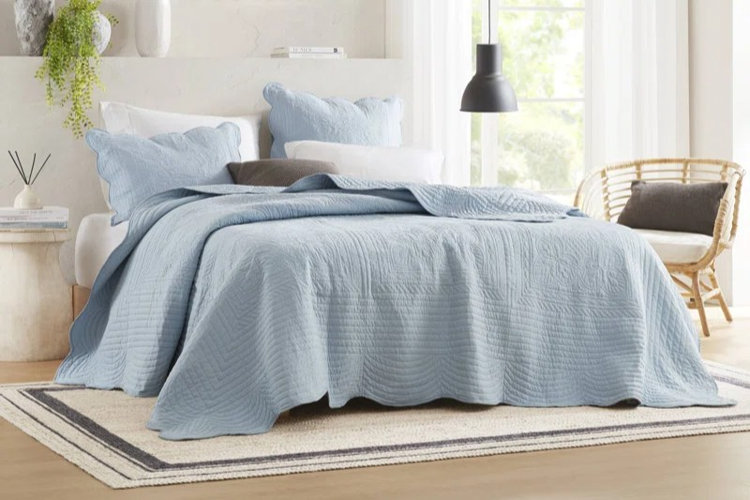
Though bedspreads are considered a more traditional bedding choice, they remain one of the most versatile pieces of bedding. Designed to cover the entire bed and drape to the floor, bedspreads serve two main purposes: to elevate your bedroom style through thoughtful layering, and to provide comfortable, lightweight coverage while you sleep.
Decorative Layering & Bedroom Style
Bedspreads are the ultimate tool for creating a styled, high-end look in your bedroom. Their subtle patterns and texture add visual depth to your bed, making it a beautiful focal point in the room. Plus, they provide full coverage to conceal mattress edges, box springs, or unsightly bed frames so your bedroom feels finished.
Lightweight Warmth & Convenience
Beyond their visual appeal, bedspreads offer practical, year-round comfort. Unlike bulky bedding like duvets and comforters, bedspreads are designed to provide comfortable coverage without trapping excess heat. They are ideal for hot sleepers, warm climates, or for replacing heavy bedding during summer months. Because they are thinner, bedspreads are also easier to wash than heavy bedding and perfect for layering, adding to their versatility and convenience.
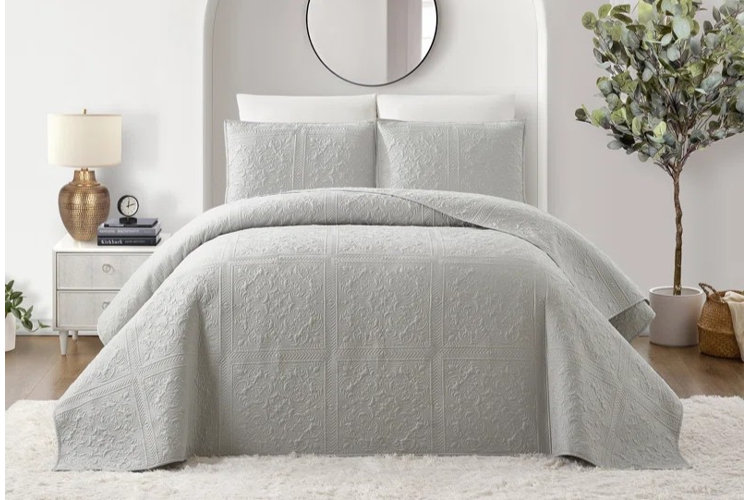
“Bedspread” is often used as a general term to describe a bedding layer, but they serve a distinctly different purpose compared to other types of bedding like quilts, comforters, and duvets. Check out our guide on Basic Parts of Bedding You Need to Know, or explore this breakdown of the different types of bedding:
Bedspread vs. Coverlet
Bedspreads and coverlets are sometimes used interchangeably. While they’re very similar in their feel and function, the main difference is size. Bedspreads are designed to reach the floor – giving them a sophisticated, traditional look – while coverlets are only meant to cover the top of the bed and mattress sides for a more modern and laid-back appearance.
Bedspread vs. Quilt
Quilts and bedspreads might have a similar texture and appearance, but they are different in terms of weight. While bedspreads are a single layer that provides breezy, lightweight coverage, quilts feature a dense layer of batting stitched between two pieces of fabric that give them a heavier, warmer feel. Also read Coverlet vs. Quilt: Which Bedding Choice Is Right for You? for an in-depth comparison.
Bedspread vs. Comforter
Bedspreads and comforters are easily distinguishable by their thickness and warmth levels. While bedspreads have a more tailored look due to their single-layer design, comforters have a lofted appearance thanks to their insulated filling. Comforters offer more warmth and cloud-like plushness than bedspreads.
Bedspread vs. Duvet
Bedspreads and duvets differ greatly in terms of their structure and maintenance. While a bedspread is a standalone, single-layer article of bedding, duvets consist of two parts: a fluffy duvet insert and a removable cover. Duvets rely on thick-fill inserts that give them an extra-warm and lofty feel compared to the thin profile and lightweight coverage of a bedspread. Read The Age Old Debate: Duvet vs. Comforter for more insights to help you choose the right bedding.
There are many types of bedspreads, each varying based on their weave technique, fabric material, and warmth level. These three elements determine how your bedspread looks, feels, and performs in your home, so it’s important to choose the right combination.
Bedspread Weaves & Textures
The weave type of a bedspread dictates its visual dimension and tactile feel. Consider these common weave types:
- Matelasse: Matelasse is a weaving technique that mimics the patterned stitching and raised appearance of a quilt without the extra layer of padding, giving you the classic quilted look in a lightweight, single-layer fabric.
- Waffle Weave: Waffle-weave bedspreads are woven with a three-dimensional grid pattern that resembles a honeycomb pattern. It’s a breathable but insulating type of weave that results in a highly textured bedspread.
- Jacquard: Jacquard is a complex technique that weaves intricate patterns directly into the fabric rather than printing or stitching them on top. These bedspreads are smooth and sophisticated but have ample visual depth.
Bedspread Materials
A bedspread’s material determines its durability, maintenance requirements, breathability, and overall feel. Here are some common options to consider:
- Cotton: Cotton is a popular material for bedspreads because it is highly breathable and soft to the touch, making it a favorite for any season. Choose premium cotton material for a luxurious feel and maximum longevity, or opt for a cotton blend as a budget-friendly option.
- Microfiber: Microfiber is made of tightly woven synthetic fibers and offers silky-smooth texture and durability. Because they are made of polyester, microfiber bedspreads are budget-friendly and often stain- and wrinkle-resistant.
- Chenille: Chenille is an ultra-soft tufted yarn that lends itself to plush feeling on bedspreads. It is often used to create embossed designs on the fabric that feel soft to the touch and add visual depth to the bedspread design.
Weight & Warmth Levels
Your climate and warmth needs may also impact which bedspread you choose. While bedspreads are generally a lightweight piece of bedding, they come in different warmth levels so you can customize your comfort.
- Lightweight: Lightweight bedspreads are designed to be exceptionally breathable, making them ideal for tropical climates, warm seasons, and people who tend to sleep hot.
- All Season: If you’re looking for a versatile option, all-season bedspreads are designed to balance breathability with heat retention to ensure year-round comfort in any climate.
- Extra Warm: Extra-warm bedspreads may feature an extra layer of insulation (similar to a quilt) to provide more warmth, making them ideal for winter months, cold climates, and people who sleep cold.
The size of your bedspread will not only affect your coverage while you sleep, but it will also determine how far the fabric drapes over the side of the bed. Traditionally, bedspreads are designed to reach the floor and cover the pillows, mattress, box spring, and bed frame.
Bedspread Dimensions by Bed Size
Take the guesswork out of measuring for a bedspread by buying one based on your mattress size. Keep in mind that these standard dimensions might result in different drop lengths depending on the thickness of your mattress and height of your bedframe.
- Twin: Bedspreads for twin beds are usually 80" W x 110" L and are designed to cover the mattress and pillows.
- Full: Full-size bedspreads typically measure 96" W x 110" L to provide approximately a 21" drop on each side of the bed.
- Queen: Queen bedspreads measure about 102" W x 118" L to achieve a floor-length drape or a 24" drop.
- King: Wider than queen bedspreads, a king-size bedspread measures 120" W x 118" Lto achieve a similar floor-length drape or a 24" drop.
- California King: Bedspreads for California king beds usually measure around 114" W x 124" L, offering extra length to accommodate these long mattresses.
How to Measure for a Bedspread
To calculate the precise dimensions needed for a floor-length bedspread, start with your mattress measurements and factor in the height of your bed. For the total bedspread width, measure the height from the floor to the top of your mattress, multiply by 2, and add the width of your mattress (2 × drop height + mattress width). For the total length, combine your mattress length, one drop height to reach the floor at the foot, and an additional 10" to 20" if you plan to tuck the bedspread under and over your pillows.
Frequently Asked Questions
Are bedspreads and coverlets the same thing?
While bedspreads and coverlets are very similar in that they are both single-layer, decorative pieces of bedding, they are slightly different. Bedspreads are designed to drop all the way to the floor while coverlets are shorter and typically only cover the sides of the mattress.
What’s the difference between a bedspread and quilt?
Bedspreads and quilts differ in their size and construction. While bedspreads are a single-layer cover designed to brush the floor, quilts are shorter and include a layer of batting stitched between two layers of fabric for extra warmth.
What is a bedspread’s drop length?
A bedspread's drop length is the vertical distance the fabric hangs down from the top edge of the mattress toward the floor. To achieve a traditional, floor-length bedspread look, this drop should equal the total distance from the top of your mattress straight down to the floor on either side.
Do you need a bed skirt with a bedspread?
No, bed skirts are not necessary when you use a bedspread. Traditional bedspreads drape all the way to the floor, covering the mattress, box spring, and bed frame so there is no need for a bed skirt to conceal beneath the bed.
Is a bedspread warm enough on its own?
Bedspreads provide lightweight coverage that is better for hot climates, summer months, or people who sleep warm. In cold climates or during winter months, a bedspread may not provide sufficient warmth on its own, but it can be used as an additional bedding layer over a comforter or duvet.
