What Does Hypoallergenic Mean? Home Materials Guide
Clean & comfortable.
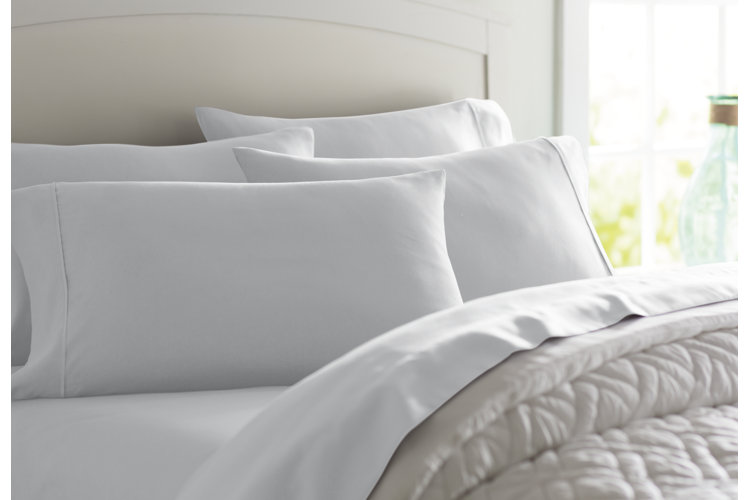
Hypoallergenic home products create a cleaner, irritation-free environment for you and your family – especially if you're prone to skin allergies or other sensitive reactions. But what does hypoallergenic really mean? Keep reading to sharpen your understanding of this term and learn how to identify the best hypoallergenic products for a comfortable home.
What Does Hypoallergenic Mean?
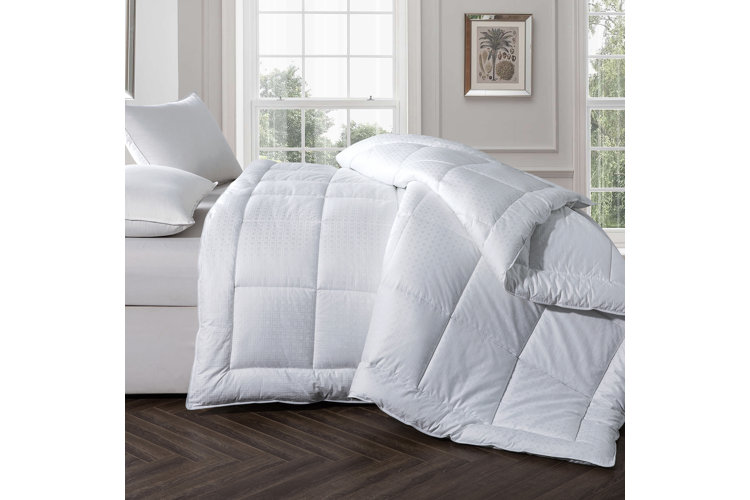
The term “hypoallergenic” means a product is designed to be less likely to trigger allergy symptoms than your typical alternatives. This label combines "hypo" (meaning less or under) and "allergenic" (likely to cause an allergic response). With home goods – such as sheets, pillows, rugs, and furniture upholstery – it means materials or constructions that naturally resist dust mites, mold, or skin irritants. This label does not guarantee complete prevention from allergic reactions when using a product.
Is “Hypoallergenic” a Regulated Claim?
It is important to know that "hypoallergenic" is a marketing claim rather than a single regulated standard for home textiles. There is no legal or scientific definition enforced by government agencies for consumer home products. Use the term as a helpful filter when searching for products made of materials that will be less likely to trigger allergy symptoms. Be sure to confirm fiber content, weave tightness, certifications, and product details before making a purchase.
Common Home Allergens Hypoallergenic Products Target
Hypoallergenic home items primarily focus on minimizing exposure to everyday indoor triggers, including:
- Dust Mites: Microscopic organisms that thrive in warm environments like mattresses and soft bedding.
- Mold & Mildew: Spores that build up where moisture collects in damp fabrics or thick carpets.
- Pet Dander: Flecks of skin shed by cats and dogs that trap easily in loose upholstery or high-pile rugs.
- Chemical Irritants: Dyes, finishes, or synthetic treatments that trigger contact dermatitis on sensitive skin.
What Materials Are Typically Considered Hypoallergenic?
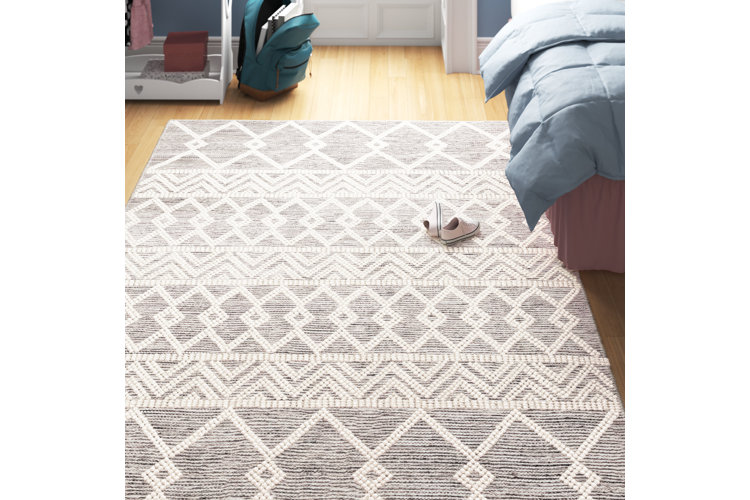
Now that we've established the meaning, let's look at common hypoallergenic materials and how they perform.
Cotton
Cotton is a natural fiber known for its gentleness on sensitive skin. High-quality cotton is soft and breathable, making it great at promoting airflow and preventing a moist environment where mold and dust mites can thrive. Cotton is easily machine-washable, making it simple to wash away accumulated allergens on a regular basis. For best results, look for products that are 100% pure cotton instead of a synthetic blend.
Best for: Those looking for budget-friendly bedding options for sensitive skin.
Linen
Linen is a durable natural material made from flax fibers. Its soft, naturally breathable weave allows moisture to absorb and evaporate quickly, preventing night sweats and damp environments where mold spores thrive. The structure of linen fibers makes it difficult for dust mites to settle inside. For more guidance on choosing natural fibers, check out our guide on Comparing cotton vs. Linen Sheets for Everyday Comfort.
Best for: Those looking for a durable, moisture wicking bedding for sensitive skin.
Neighborly Tip!
Review What Is Linen Made of & What Makes It So Luxurious? for more information on this hypoallergenic material.
Silk
Silk is a smooth, luxurious fiber that works wonders for dry skin or conditions like eczema. Silk features an extraordinarily tight natural weave, creating a physical barrier that deters dust mites. It also produces minimal friction against delicate skin, making it a great material for pillowcases that are gentle on hair and skin. Discover additional wellness benefits in our guide to The Benefits of a Silk Pillowcase.
Best for: Those with sensitive skin, and those who want to protect their skin and hair while sleeping.
Microfiber
Microfiber is a budget-friendly synthetic fabric that’s tightly woven from finely spun fibers. This dense weave acts as a shield against dust mites, pet dander, and pollen, preventing allergens from sinking deep into your bedding or furniture cushions. Read our breakdown on What Is Microfiber for a closer look at synthetic weaves.
Best for: Those with environmental allergies to dust mites, pet dander, and pollen.
Important Note:
Keep in mind that microfiber is a synthetic material. Be sure to check the product tag for specific dyes or chemicals if you know you're allergic to polyester or other synthetic materials.
Wool
Wool is naturally moisture-wicking and temperature-regulating, making it perfect for evaporating humidity before mold or fungus can form. While raw wool contains lanolin – a natural wax that can bother some individuals – processed home wool textiles are typically refined to remove irritants while retaining the fiber's natural allergen-resistant benefits. Follow care instructions closely when caring for wool products, and learn the basics in our guide to How to Wash a Wool Blanket.
Best for: Humid environments where mold and fungus is a concern.
Leather
Genuine leather is one of the best hypoallergenic choices for living room furniture, like sofas and chairs, due to its non-porous surface. Leather does not trap pet hair, pollen, dirt, or dust mites like upholstered furniture does. Any surface allergens can be easily wiped away with a damp cloth. Keep your leather pristine by reviewing our instructions on How to Clean a Leather Sofa.
Best for: Those looking to reduce contact allergens in living rooms and seating areas.
What Does Hypoallergenic Mean for Bedding?
Your bedroom is where you spend roughly a third of your life, making hypoallergenic bedding essential for preventing morning congestion, sneezing, or skin breakouts. Hypoallergenic bedding is designed to create an inhospitable environment for dust mites, pollen, and mold spores.
When shopping for sheets, pillowcases, and duvet covers, prioritize tightly woven fabrics like high-thread-count organic cotton, smooth silk, or breathable linen. Adding hypoallergenic mattress protectors or pillow protectors provides a washable barrier against allergens. Wash your bedding routinely in hot water to eliminate accumulated allergens.
Since terms vary between manufacturers, follow this practical checklist to verify whether a product meets your allergy needs:
- Read the Fabric and Fill Content: Check labels for organic or natural fibers like 100% cotton, silk, or linen. If selecting synthetic materials like microfiber or down-alternative fills, check for chemical-free guarantees.
- Check Independent Certifications: Look for reputable third-party certifications on product detail pages. OEKO-TEX® Standard 100 ensures the product is free from harmful levels of toxic substances, while GOTS (Global Organic Textile Standard) verifies organic fiber sourcing.
- Scan for Specific Barrier Claims: Look for specific product descriptors such as "dust-mite resistant," "antimicrobial," or "hypoallergenic barrier".
Frequently Asked Questions
What is a hypoallergenic material?
A hypoallergenic material is designed to cause few-to-no allergy symptoms or reactions.
How can I tell if a product is hypoallergenic?
Check the fabric material and product description for dust mite resistance or antimicrobial properties.
Why is cotton considered hypoallergenic?
Cotton is breathable, easy to clean, and free from harsh chemical treatments, making it gentle on sensitive skin.
Prioritize your comfort and start reaping the benefits!
