Comparing Cotton vs. Linen Sheets for Everyday Comfort
Spoiler alert – both offer a pretty convincing argument.
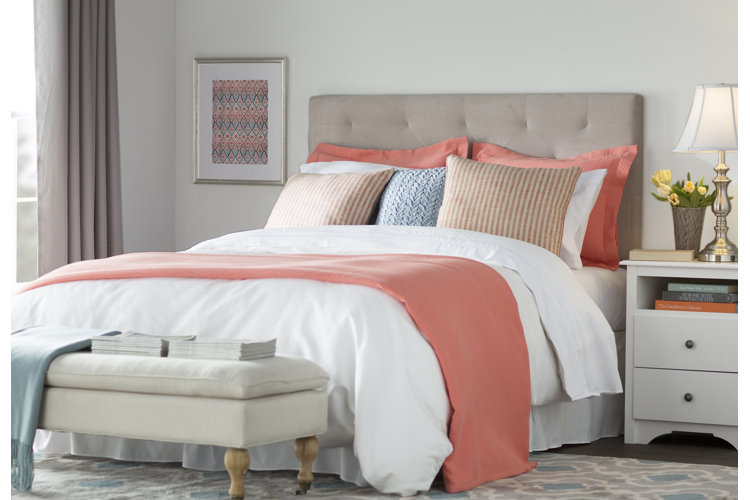
When you add up the number of hours you spend sleeping, it makes sense you want to put thought into what bedding you're sleeping on every night. Not only are the hours numerous, but the choices for bedding are even greater. If you're trying to upgrade your comfort and are comparing the differences of cotton vs. linen sheets – or you never knew bedding had so many choices in materials in the first place – then keep reading to learn if you'd rather spend your sleeping hours with cotton or linen.
Cotton Sheets: Comfort at Its Best
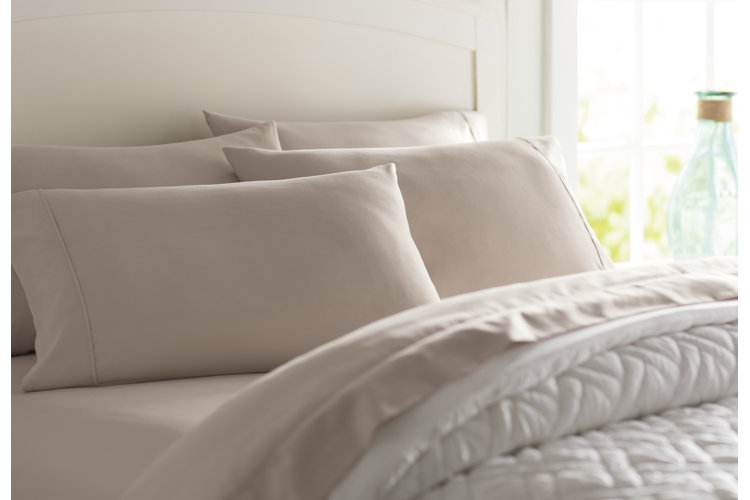
Cotton is likely one of the first materials you think of when you think of bedding. Cotton sheets are made from the cotton plant and the woven fibers are spun into yarn to create the various forms of bedding. Cotton is a fantastic option for bedding, with so many varieties available and the strength to last a multitude of washes, withstanding wear and tear.
Types of Cotton
There's more than one type of cotton used for sheets. Egyptian cotton, produced from cotton grown exclusively in Egypt, has longer fibers, which produces the softest, most breathable, and durable of the cotton varieties.
Upland cotton is the most popular variety, with the majority of cotton sheets using this. This cotton has shorter fibers and produced in regions throughout the world. Within this, you'll find specialty cottons offering greater softness, such as Supima and Pima cotton.
Cotton Weaves
You also have various weaves within these cottons. The weave refers to the pattern of how the fibers are woven together. This pattern creates specific properties for bedding. The most popular cotton bedding weaves are:
- Sateen: A silky and shiny texture, great for warmth.
- Flannel: Flannel creates the ultimate warmth, since the weave is highly textured and plush.
- Percale: Sturdy and lightweight, percale creates a smooth, cooler experience.
Cotton isn't the only one competing for your attention in bedding either. Linen bedding has remained popular through the centuries and is often considered a luxury item. Linen comes from the natural fiber of a flax plant, which is commonly grown in Europe. Natural linen is woven from cellulose fibers of the flax plant, which is naturally stronger than cotton, further adding to the luxuriousness of the fabric.
Not only are the flax fibers strong on their own, they're even stronger when wet. This means linen sheets get softer after repeated washings and designed to last for decades.
Like cotton, linen is available in various weave patterns, but for bedding you typically find what's referred to as the sheeting linen. The close-weave structure of this pattern makes linen bedding a strong, durable choice and sheets that can actually be passed down to the next generation. Because of the strength of linen, you may find it's a little too coarse when it comes out of the package. However, over time with multiple washings, the sheets become softer.
When adding items to your registry or selecting new bedding, how do you choose cotton versus linen sheets? Take a tally of what you need most from your bedding for a great night's sleep. Keep in mind, cotton and linen share many of the same great qualities such as breathability, sustainability, and durability, and are both excellent choices.
Choose cotton sheets if these traits are most important:
- Softness: For ultimate softness, cotton is king. Not only are some cotton weaves super soft the moment you open the package, but they only improve over time.
- Warmth: Cotton has a tighter weave, which contributes to a warmer experience. The warmth can change depending on the type of cotton weave you choose though.
- Colors: No matter what design choices you go with in your bedrooms, chances are there are cotton sheets to match the color or pattern. From bold and bright to subtle and patterned, cottons are available in any color. Linen sheets come in a beautiful palette too, but are often more muted tones.
- Cost: The beauty of cotton is it fits almost any budget. From cost-conscience options to high-end luxury, you can find soft, warm, and colorful choices in almost any price range.
- Variety of weaves: From flannel to pima and percale to sateen, cotton offers several options, which means you can customize your cotton preferences even further, whereas linen is only available in one type of weave.
- Less wrinkles: Compared to linen, cotton has less wrinkles. You can also find wrinkle resistant options if you prefer the crisp look.
Select linen sheets if you must have:
- Breathability: The unique weave of linen allows it to "breathe." This makes for better air flow, which contributes to overall coolness.
- Coolness:Although linen is heavier than cotton, the properties of the fabric allow it to stay cool. Whereas cotton has varying degrees of warmth and coolness (depending on which weave you choose), linen is naturally cooler. Perfect for hot sleepers!
- Moisture-wicking: Part of the breathability and coolness comes from linen's natural ability to wick away moisture, which is ideal for hot, sticky temperatures.
- Hypoallergenic: If allergies are a concern in your household, linen is often chosen as a better choice for sensitive skin. It also has anti-bacterial properties.
- Sustainability: Although cotton is an eco-friendly choice because it is biodegradable, linen is also biodegradable and made from flax seeds, which tends to use less pesticides and water in production versus cotton.
Are cotton vs. linen sheets better for your slumber? Both cotton and linen are fantastic choices, but it all comes down to your comfort level. Whatever you decide, Wayfair has a wide assortment of choices ready to build your bedding oasis.
Written by Sara Coleman
