Five Ways to Define Your Workspace at Home
Promote concentration and creativity.
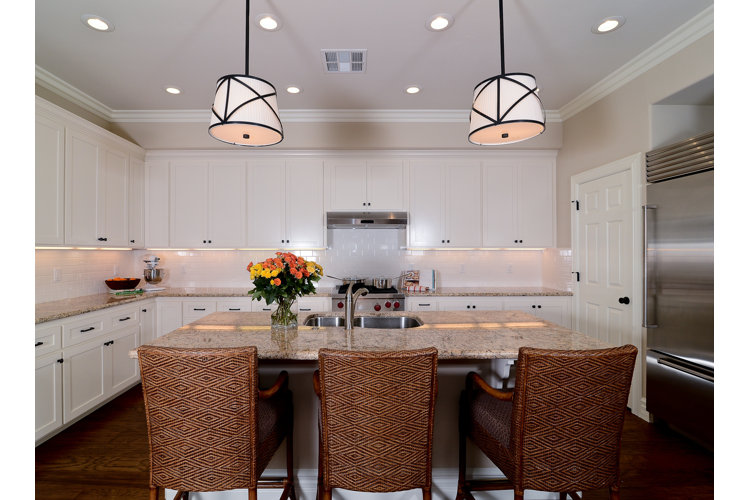
If you have the opportunity to work from home, you know the distractions can be endless. Working full or part-time in the home requires thoughtfulness to create a workspace that is suitable to the user for business while balancing the needs of family too.
Learn how to find the balance in your workspace.
1. Define Your Space
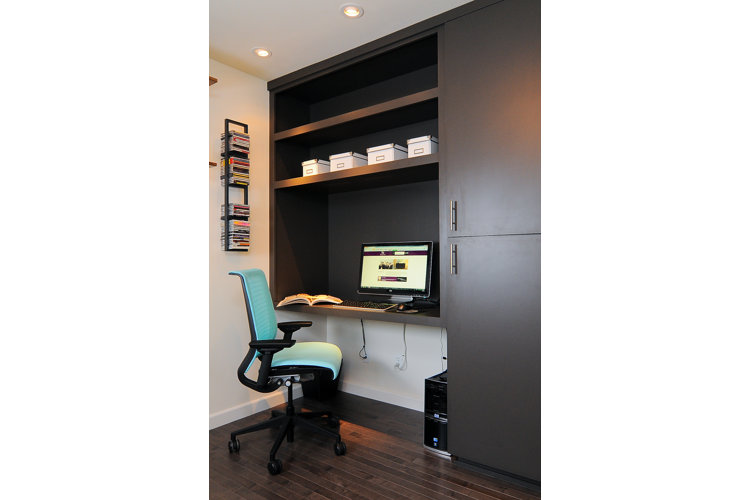
Outlining a workspace that works for the user can be as simple as switching the flooring material, adding an area rug, putting up a screen, or painting the walls. These visual cues signal a different workspace identity to the home’s other occupants and the user. Whether the user perches themselves in a spare corner, dining room, kitchen, extra bedroom, or garage, you can create the full office workspace style experience by creating a dedicated workspace. Decorate the workspace as you choose and be sure to include all functional needs, such as providing and installing an extra charging station that can be easily accessed and plenty of layered lighting via under cabinet lighting, lamps, and decorative fixtures.
If you haven't worked from home before, sitting on the sofa with your phone and laptop may seem like a sound seating solution. The sofa may seem comfortable at first, but over time you’ll learn and feel it impacting your motivation as well as your posture. Access to a proper desk chair and work desk will greatly increase your productivity, not to mention it will provide another visual cue to define your office as a professional workspace. Get a desk with a chair that is comfortable and stylish so you will want to spend hours in.
Surround yourself with examples of what inspires you to do your job well. Maybe it's the idea of being part of a team or that working as a team provides better results. This may include keepsakes from your travels, simply framing family photos or displaying quotes that motivate your daily routine. Leave a blank section of wall or open shelving area that can evolve overtime to keep things fresh. By incorporating these details in your office space, you’re positively impacting your creativity. The more you surround yourself with what you love, the more time you’ll want to spend in the space.
4. Centralize Your Storage
Invest in storage that you need solely for your office environment. For easy access, place everything you use on a regular basis closest to your work area. If your desk items or a key filing cabinet are in another room, you might find yourself leaving your office to grab a file and getting lost in distractions. Portable two-drawer cabinets for hanging files are very popular as you can slide one under a computer table or tuck one in a corner and move it when necessary.
Bookshelves are also a lifesaver for the home workspace. In addition to holding books, they can also be used for office supplies, in-and-out boxes, mail and just about anything else that needs to be easily accessible. Put loose items in patterned or solid colored boxes and they can be proudly (and conveniently) displayed on the open shelves.
5. Let the Light In
Even a little natural light can elevate your mood. Orient your workspace toward a window for fresh air, vitamin D, and views of the exterior. Looking out to a landscape can help ease your mind and reset your work-vibe throughout the day. This simple strategy can be extremely powerful, and can affect your overall productivity all day long. Have too much light? A simple window covering, using a shade or drape,can easily assist in controlling light and privacy, as well.
With over 25-years of experience, Kerrie Kelly is creative director for Kerrie Kelly Design Lab, an award-winning California interior designer, author and contributor; product designer and multi-media consultant, helping national brands reach the interior design market.
