Wood vs. Plastic Cutting Boards: Which Is Better?
Find out if they both make the cut.
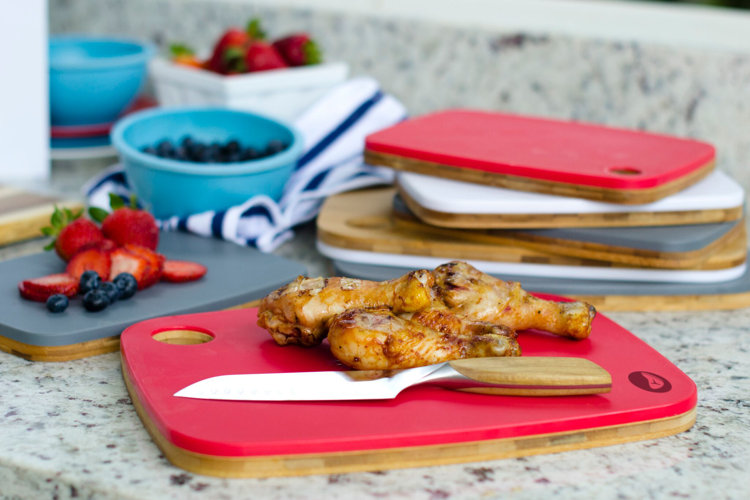
When it comes to choosing a cutting board, there are two main materials to choose from: wood and plastic. Both materials have their own advantages and disadvantages, so it's important to weigh the pros and cons before making a decision.
In this article, we'll take a closer look at wood vs. plastic cutting boards, and we'll discuss the pros and cons of each material. We'll also provide some tips on how to choose the best cutting board for your needs. Let's get started.
Wood Cutting Boards: Pros & Cons
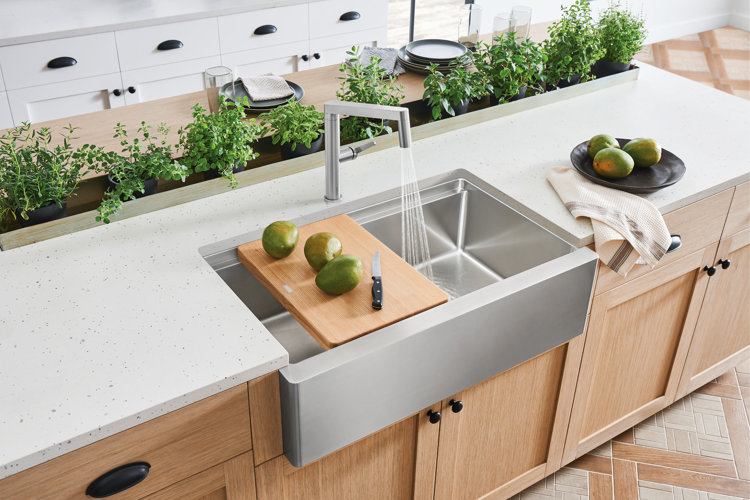
Wood cutting boards have been used for centuries in kitchens around the world. They are made from a variety of woods, including maple, cherry, and walnut. Wood cutting boards are known for their durability and ability to withstand repeated use. They also have natural antimicrobial properties that help to prevent the growth of bacteria.
One of the biggest advantages of wood cutting boards is that they are non-porous. This means that liquids and bacteria cannot easily penetrate the surface of the board, making them less likely to harbor harmful bacteria. Wood cutting boards are also easy to clean and maintain. Simply wash them with warm, soapy water and dry them thoroughly.
However, wood cutting boards can also be more expensive than their plastic counterparts. They can also be more difficult to care for, as they require more frequent oiling to prevent them from drying out. Additionally, wood cutting boards can be more susceptible to damage from sharp knives.
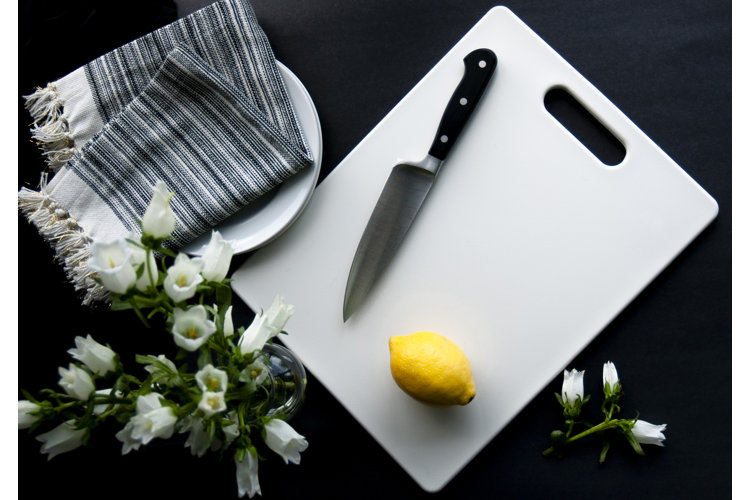
Plastic cutting boards are a relatively new invention, but they have quickly become a popular choice for many home cooks. They are made from a variety of plastics, including polyethylene, polypropylene, and nylon. Plastic cutting boards are lightweight and easy to clean, making them a good option for busy kitchens. They are also less likely to be damaged by sharp knives than their wood counterparts.
One of the biggest advantages of plastic cutting boards is their affordability – they are typically much less expensive than wood cutting boards. Plastic cutting boards are also non-porous, making them easy to clean and sanitize. However, plastic cutting boards are not as durable as wood cutting boards and can be more easily scratched or damaged. They are also more likely to harbor bacteria than wood cutting boards.
Ultimately, the best cutting board for you will depend on your individual needs and preferences. If you are looking for a durable cutting board that will last you many years with proper care, a wood cutting board may be a good option. However, if you are looking for a more affordable cutting board that is lightweight and easy to use, a plastic cutting board may be a better choice.
When it comes to wood vs. plastic cutting boards, both have their own advantages and disadvantages. The best cutting board for you will depend on your individual needs and preferences. If you are still undecided, you may want to consider trying out both types of cutting boards to see which one you prefer. Check out all we have to offer on Wayfair!
