What Is a Smart Home?
Give your home a smart upgrade.

In today's fast-paced, technology-driven world, our homes have evolved to become more than just a place of comfort and shelter. A growing trend in home design and functionality is the concept of the smart home. So, what is a smart home, and why is it becoming increasingly popular among homeowners?
A smart home is a residence that integrates advanced technology and automation systems to provide occupants with sophisticated monitoring, control, and enhanced functionality. This technology allows homeowners to manage their homes more efficiently, save energy, and increase security and convenience. From lighting and temperature control to home security and entertainment, smart homes have emerged as the epitome of modern living.
In this guide:
How Does a Smart Home Work?
What Are the Benefits of Smart Homes?
Key Components of a Smart Home
Frequently Asked Questions
How Does a Smart Home Work?
Behind the scenes of a smart home is a comprehensive network of interconnected devices and sensors that work together to create a seamless and intelligent living environment. The technology usually consists of a central hub or control panel, which communicates with individual devices using wireless communication protocols such as Wi-Fi or Bluetooth. Most smart home systems can be controlled through a smartphone, tablet, or computers, allowing you to manage your home from anywhere.
What Are the Benefits of Smart Homes?
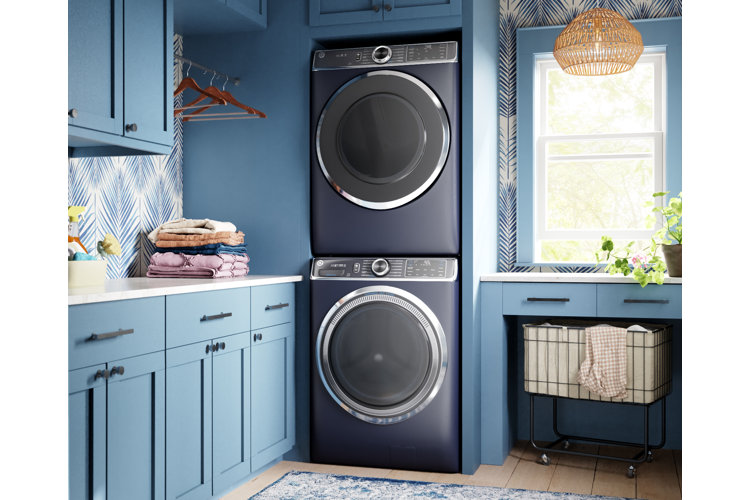
Now that we know what is a smart home, let's delve into the exciting benefits of living in such a space.
Convenience: One of the main advantages of a smart home is the ability to control various aspects of your home from a single device. With just a few taps on your smartphone or tablet, you can adjust the temperature, dim the lights, or monitor your security cameras.
Tip!
Turn electronics you already own into smart items with a smart plug that is compatible with your smart home device!
Energy Efficiency: A smart home can help you save on energy costs through automation and optimization. For example, smart thermostats can learn your schedule and preferences, adjusting the temperature accordingly; likewise, smart lighting systems can be programmed to turn off or dim when a room is not in use.
Customization: With a smart home, you can personalize your living environment to best suit your lifestyle and preferences. From creating unique lighting scenes to programming specific daily routines, your smart home can adapt to your needs and desires.
Security & Safety: Smart home technology can provide increased security and peace of mind for homeowners. Security features range from smart locks, electronic doorbells, and surveillance cameras to smoke detectors and leak sensors, providing real-time alerts and notifications when something is amiss.
Accessibility: For people with disabilities or the elderly, smart homes can offer convenience and support through voice control, remote operation, and other accessibility features, allowing them to remain independent and improve their quality of life.
Key Components of a Smart Home
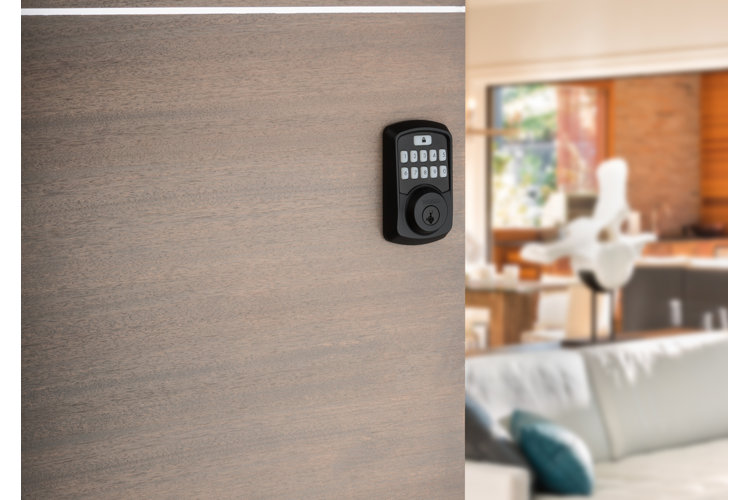
There are a variety of devices and technologies that can transform a traditional home into a smart home. Here are some of the key components to consider when creating your smart home:
Smart Lighting: From LED bulbs that change color to lighting systems that can be controlled from your smartphone, smart lighting offers a versatile way to enhance your home's ambiance while conserving energy.
Smart Thermostats: These devices can learn your schedule and adjust your home's temperature settings accordingly to save you energy and money.
Security Cameras & Systems: Keep an eye on your home from anywhere using security cameras that can be accessed on your smartphone or tablet. Smart locks and doorbells also offer additional protection and convenience.
Smart Appliances: From refrigerators that can be controlled by WiFi to washing machines that notify you when a load is complete, smart appliances can make everyday tasks more convenient and efficient.
Get Started with Your Smart Home
If you're wondering what is a smart home and how you can create one, it's easier than you might think. Start with a basic smart device, such as a smart bulb or plug, and gradually add more technologies that align with your needs and preferences. Be sure to research compatible devices and platforms before purchasing, to ensure a cohesive, user-friendly experience. With the right planning and investment, a smart home can revolutionize your daily routine and provide a new level of comfort and ease.
In conclusion, a smart home's ability to simplify our lives, conserve energy, and enhance our home environments has sparked a new wave in modern living. As technology continues to advance and integrate into our lives, the concept of a smart home will undoubtedly continue to grow and evolve, offering even greater levels of convenience, efficiency, and enjoyment. So, what is a smart home? It's a revolution in modern living that offers endless possibilities for creating our ideal homes.
Frequently Asked Questions
How does a smart home increase energy efficiency?
Smart homes use automation and optimization, like smart thermostats and lighting systems, to save energy.
What are the security benefits of a smart home?
Smart homes offer features like smart locks, doorbells, and cameras for increased security and real-time alerts.
What devices are essential for a basic smart home setup?
Essential devices include smart lighting, thermostats, security cameras, and smart appliances for convenience and efficiency.
