What Is a Paring Knife?
Let's cut to the chase.
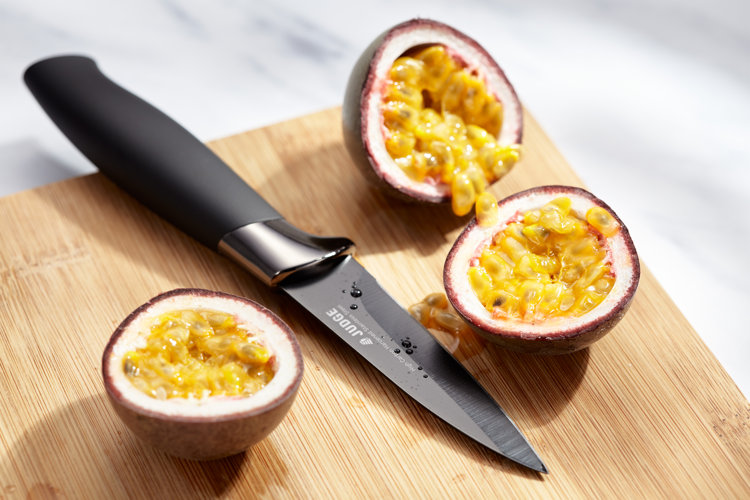
A paring knife is a true kitchen essential, but with so many options on the market, it can be hard to know which one to choose. In this guide, we're going to explain what a paring knife is, its unique selling features, and why it might be time to add one to your kitchen collection.
What Is a Paring Knife?
In the simplest terms, a paring knife is a small, all-purpose knife with a plain edge. It's usually around 3 to 4 inches long and is designed for precision tasks in the kitchen, hence its name, which comes from the word "pare" – to trim off excess or outer layers.
Why Choose a Paring Knife?

The paring knife is the unsung hero of the kitchen. Its small size and sharp edge make it perfect for a wide variety of tasks, from peeling and slicing fruits and vegetables, to deveining shrimp, or even scoring meat.
The blade of a paring knife is thin and sharp, making it perfect for tasks that require precision. Its smaller size also gives you excellent control, allowing you to make delicate cuts with confidence.
Paring knives also typically have a pointed tip, which comes in handy for tasks like removing the seeds from a pepper, or the eyes from a potato.
Paring Knife Materials
When choosing a paring knife, it's important to consider the material of the blade. The material not only affects the knife's performance but also its durability and maintenance. Most paring knives come in one of the following materials: stainless steel or carbon steel.
Stainless Steel: Stainless steel paring knives are highly popular due to their resistance to rust and corrosion. They're durable and relatively low-maintenance, making them ideal for everyday use. Additionally, stainless steel maintains a good edge and is easy to sharpen, ensuring that your knife stays effective for a long time.
Carbon Steel: Carbon steel blades are known for their exceptional sharpness and edge retention. These knives can take and hold a fine edge longer than many stainless steel blades. However, they are more prone to rust and staining, so they require a bit more maintenance. Regular honing and drying after use can keep a carbon steel paring knife in top condition.
Each material has its own set of advantages and considerations, so think about what fits best with your cooking habits and kitchen routine when choosing a paring knife.
When to Use a Paring Knife
If you're a fan of cooking from scratch, or you're looking to up your game in the kitchen, a paring knife can be a game-changer. It's perfect for tasks that require a bit more finesse, such as hulling strawberries, segmenting an orange, or making decorative cuts for garnishes. It's also a great tool for tasks like trimming fat from meat or slicing small, delicate items like herbs or garlic.
How Much Does a Paring Knife Cost?
The cost of a paring knife can vary significantly, depending on factors like the brand, the materials used, and the quality of the blade. You can find budget-friendly options for under $20, while high-end paring knives can cost over $100. However, you can usually find a good-quality knife that will last for years for around $30 to $50.
So, whether you're an aspiring chef or just someone who appreciates the joy of a well-prepared meal, a paring knife is a tool you'll definitely want in your kitchen arsenal. It's versatile, practical, and once you start using it, you'll wonder how you ever managed without it.
