What Is a Low-Profile Bed?
Get the low-down on this trendy bed.
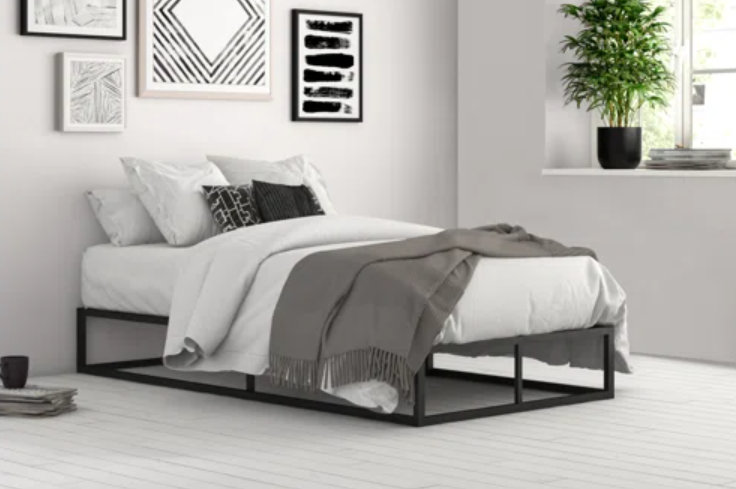
Low-profile beds have a variety of benefits, from their sleek aesthetic to their space-saving design. Wondering whether this bed is right for your home? Keep reading for everything you need to know.
In this guide:
What Is a Low-Profile Bed?
Benefits of a Low-Profile Bed
How to Choose the Best Low-Profile Bed
Frequently Asked Questions
What Is a Low-Profile Bed?
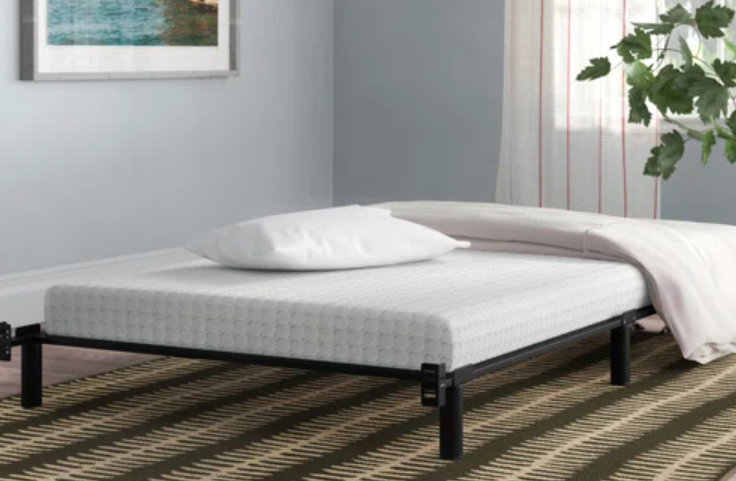
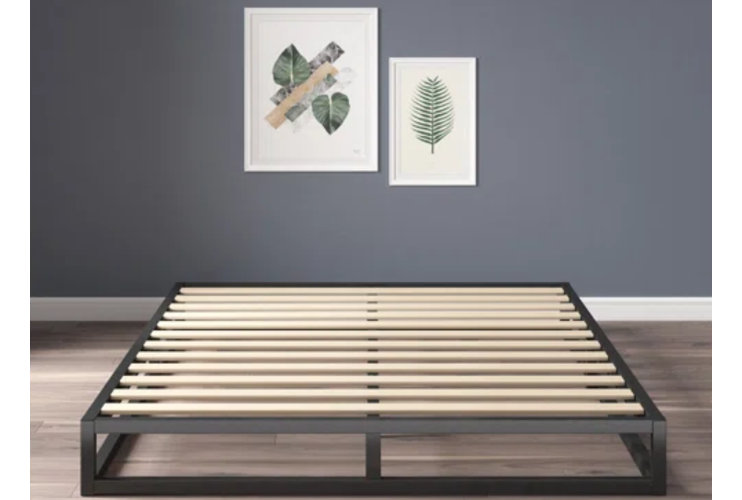
Popularized for their streamlined look and modern design, low-profile bed frames forgo box springs in order to sit closer to the ground. Typically made of metal or wood, they instead use slatted bases to uphold a mattresses. Ranging from 4–12 inches in height, low-profile bed frames can accommodate all mattress sizes, ranging from twin to California king.
Low-profile beds provide a variety of benefits, from functional to stylish. Here are all the perks of adding one to your abode:
- Modern Aesthetic: Low-profile beds perfectly fit minimalist, modern, and contemporary looks. With streamlined silhouettes, they’re free of excess ornamentation.
- Space-Saving Design: Low-profile beds take up significantly less vertical space, making even the coziest of bedrooms feel open and airy.
- Increased Accessibility: The reduced height of low-profile beds makes them simple to enter and exit. Their accessibility is beneficial for those with limited mobility.
- Reduced Injury Risk: Closer to the ground, low-profile beds minimize the risk of potential injuries. This makes them ideal for restless sleepers and children, who are more likely to fall out of bed.
- Improved Air Circulation: With slatted bases rather than box spring platforms, low-profile beds promote airflow beneath the mattress. This airflow prevents moisture buildup, which increases your mattress’s lifespan. If you’re prone to overheating throughout the night, the low-profile bed’s structure also keeps you cool while you sleep.
Ready to add a low-profile bed to your home, but unsure where to begin? Here are a few things to consider before making your selection:
1. Mattress Compatibility: It’s important to choose a bed frame that matches your mattress size, which is typically listed on the mattress tag. Whether you have a full or queen-sized bed, make sure that the low-profile bedframe you select is compatible.
2. Material Options: Low-profile beds are available in both metal and wood. Wood bed frames offer a warm and natural aesthetic, and are built with sturdiness in mind. On the other hand, metal bed frames provide clean lines that contribute to an industrial look, and are typically lighter in weight.
3. Bedroom Size: Compact in design, low-profile beds are ideal for smaller bedrooms. If you have a larger space, consider choosing a wider bedframe for your low-profile bed, or pairing it with a headboard to create visual interest.
Frequently Asked Questions
What are the benefits of a low-profile bed?
Low-profile beds offer a modern aesthetic, save space, increase accessibility, reduce injury risk, and improve air circulation.
How does a low-profile bed promote airflow?
Low-profile beds use slatted bases instead of box springs, which allows for better air circulation beneath the mattress.
What materials are low-profile beds made from?
Low-profile beds are typically made from metal or wood, each offering different aesthetic and practical benefits.
