Types of Molding
Learn the different types of molding and trim accessories and how they can enhance your home.

Molding is a decorative architectural detail that can elevate any space – and your options for customization are limitless. In this guide, we highlight the key differences among these types of molding to help you decide what will work best for your space.
From baseboard to crown molding, and from chair rails to wainscoting and everything in between, learn how molding can add a distinct character to the walls in every room in your home.
In this guide:
Types of Molding & Trim
Molding Accessories
Frequently Asked Questions
Types of Molding & Trim
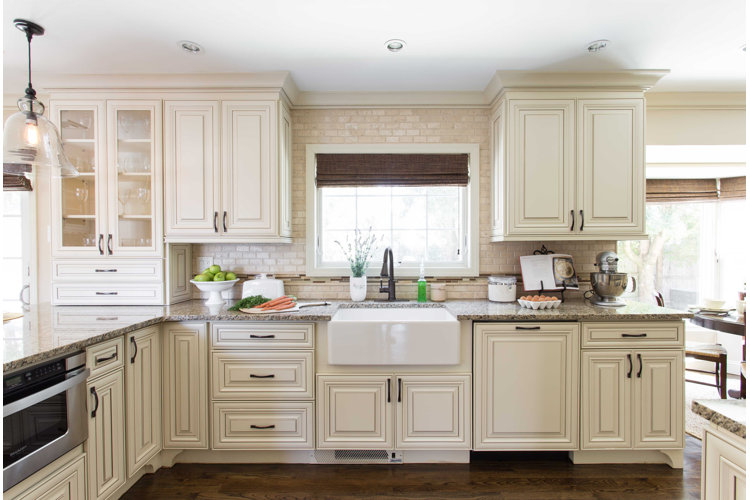
Molding can be used to showcase architectural elements, create a unique design feature, and even hide imperfections. Here's what these popular molding types can do for your space.
Crown Molding
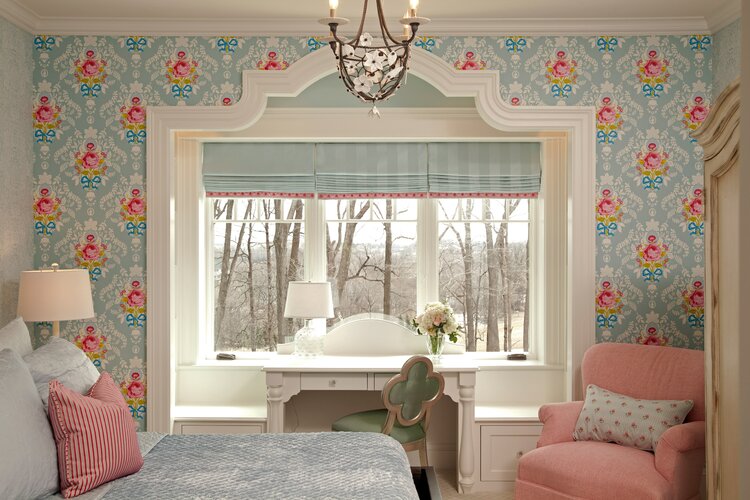
As the crown jewel of your walls, crown molding draws attention upward toward the ceiling and makes a space feel larger. Installed at the top edge of your wall where it meets the ceiling, crown molding can also disguise an uneven paint job or cracks, all while creating a sophisticated and classic style. Generally, the wider and more ornate the crown molding style, the more traditional and elegant the look. Flat and low profile crown molding typically looks more modern.
Baseboard is a simple trim that goes along the very bottom of your wall right above the floor, which is used to create an attractive and protective border. Make sure your baseboard style complements your crown molding or trim above and doesn't compete with it. When used as design elements, all components of your wall trim balance each other beautifully.
Both decorative and functional, a chair rail is a type of trim that protects your wall from chairs hitting them (usually in a dining room). Set your chair rail roughly one-third of the way up the wall, for a functional and visually-pleasing display. One design option: Go with a contrasting paint color, wallpaper pattern, or wall paneling for the portion of the wall below the chair rail for a custom look.
Casings are a type of molding that are used around a window frame or door frame that's not only decorative but also functions to close the gap between the door or window and the wall. Some styles are more intricate and formal, while simple and clean-lined versions have a modern aesthetic.
Wainscoting is a wall paneling that can be installed between the chair rail and baseboard to protect the lower 3 to 4 feet of your walls. Framed with raised decorative details, wainscoting adds depth and interest to your walls.
Smaller molding accessories can enhance your molding design choices and help you create the look you want. Keep reading for some examples.
Corbels
A corbel is an ornamental L-shaped bracket used as a structural support for a ceiling, doorway, countertop, or range hood. Corbels are recognized by their scrolled flourishes and easily suit traditional and farmhouse styles, but more minimalist versions are also available for contemporary homes.
Rosettes are small molding block accessories that are placed at the corner where trim pieces meet around a door or window. Rosettes are ornamental, but they also conceal trim cut flaws. They typically feature floral motifs, but contemporary versions are available, too.
A capital is a design element that appears above structural details like columns and balusters in the style of classical Roman architecture. This molding type can be a weight bearing structural support piece for ceilings, columns, doorways, and more. Capitals may also be combined with crown molding for a more opulent look.
Usually round in shape, a ceiling medallion is a ceiling accessory used to highlight a hanging light fixture such as a chandelier or pendant. (Most often the light fixture is threaded through its center.) This traditional design element once was made of plaster, but today lightweight PVC and urethane options are durable and easy to install. Ceiling medallions can be painted to match or juxtapose your color scheme.
Frequently Asked Questions
What is the function of crown molding?
Crown molding draws attention upward, makes a space feel larger, and can disguise imperfections.
How does chair rail molding protect walls?
Chair rail molding protects walls by preventing chairs from hitting and damaging them.
What are ceiling medallions typically used for?
Ceiling medallions highlight hanging light fixtures like chandeliers or pendants.
Article by Margie Monin.
