How Long Do Grills Last? A Buying Guide for Longevity
Understand grill lifespan and when it's time for a replacement.
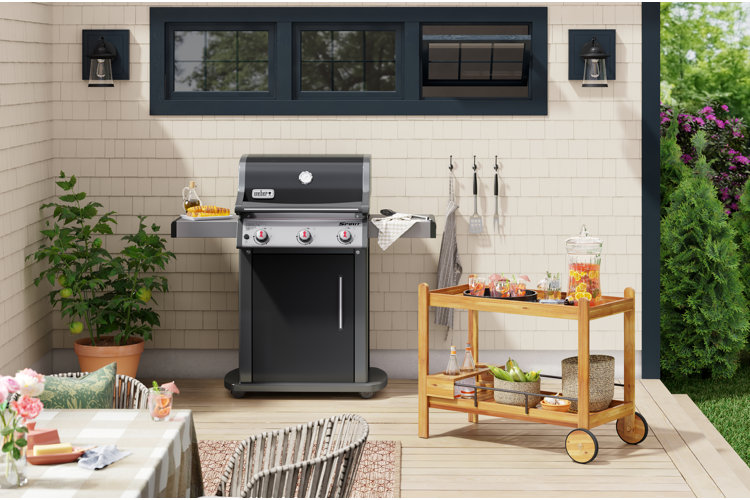
Grilling is an essential part of outdoor entertaining, and a good grill can make all the difference. But every grill has its day. So, how long do grills last? The answer depends on a variety of factors, including the type of grill, the materials it's made from, how often it's used, and how well it's maintained. Let's dive in and explore the life expectancy of different types of grills, and the signs to look for when it may be time to replace your old grill.
Understanding the Lifespan of Different Types of Grills
Charcoal Grills: Charcoal grills are the most basic type of grill, and they can last for many years if properly taken care of. On average, a quality charcoal grill can last between 5 to 15 years. However, cheaper models with thinner materials may rust or wear out faster.
Gas Grills: Gas grills are more complex than charcoal grills and have more parts that can potentially break down. Generally, a good quality gas grill can last between 5 to 15 years. High-end models may last up to 20 years with proper care and maintenance.
Electric Grills: Electric grills typically have a lifespan comparable to that of gas grills, lasting anywhere from 5 to 15 years. However, just like gas grills, the lifespan can be extended to around 20 years with regular cleaning and proper care.
Pellet Grills: Pellet grills are relatively new to the grilling scene but are becoming increasingly popular. These grills can last anywhere from 5 to 15 years, depending on the quality of the grill and how well it's maintained.
Tip!
Remember, if you use your grill regularly all year long, it will likely need to be replaced sooner than a grill that is only used during summer months. To protect your grill when you aren't using it, we recommend purchasing a grill cover.
No matter what type of grill you have, there are some universal signs that it may be time to replace it:
Rust: Rust isn't just unsightly; it can also cause your grill to malfunction or become unsafe. If you notice rust on the body of the grill or the grates, it may be time to consider a replacement.
Uneven Heating: If your grill isn't heating evenly, it could be a sign that the burners are wearing out. Uneven heating can lead to uneven cooking, which can be frustrating when you're trying to grill the perfect steak or burger.
Repeated Flare-Ups: Occasional flare-ups are normal when grilling, but if they're happening frequently, it might be a sign that your grill isn't working as efficiently as it should be.
Frequent Repairs: If you find yourself constantly replacing parts or calling in a professional for repairs, it might be more cost-effective to replace the grill entirely.
Remember, the lifespan of a grill can vary greatly depending on how well it's taken care of. Regular cleaning, proper storage during off-seasons, and prompt repairs can all extend the life of your grill. However, if you're facing any of the issues mentioned above, it might be time to consider shopping for a new grill.
