How to Soundproof a Room: A Foolproof Guide
Say hello to peace and quiet.
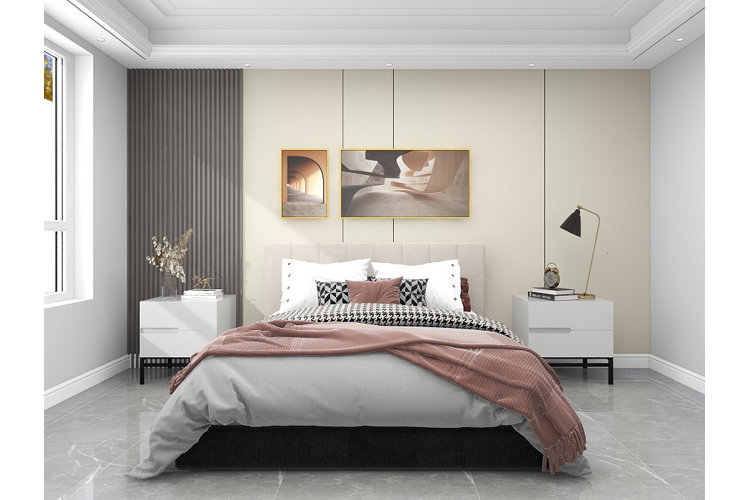
Are noisy neighbors, loud appliances, or the bustling street outside keeping you up at night or disrupting your peace and quiet? Worry no more! In this comprehensive guide, we will show you how to soundproof a room effectively and easily.
How to Soundproof a Room
Step 1: Identify the problem areas.
Inspect your room for the primary sources of noise and determine any weak spots where sound may be entering or escaping. Common problem areas include windows, doors, walls, and ceilings. You may also consider the layout of your furniture. Addressing these issues is the key to learning how to soundproof a room effectively.
Step 2: Seal any gaps and cracks.
To prevent sound from entering or leaving your room, address any gaps in windows and doors by adding weatherstripping or sealant. This will create a tighter seal and help reduce unwanted noise. If necessary, invest in a door sweep to further block sound from seeping under your door. Check for cracks or gaps in the walls, and use acoustic caulk to fill them in, creating a sound barrier.
Step 3: Upgrade your windows and doors.
If sealing gaps and cracks aren't enough to soundproof your room, consider replacing your existing windows and doors with more soundproof options. Double-pane or triple-pane windows with increased insulation will help reduce noise transmission. Solid core doors will provide better soundproofing compared to hollow core doors.
Step 4: Soundproof your walls.
Adding insulation to your room's walls can significantly reduce sound transmission. Consider adding dense, sound-absorbing materials such as fiberglass insulation, mass loaded vinyl, soundproof wall panels, or acoustic foam to the existing walls.
Step 5: Soundproof your ceilings and floors.
Ceilings and floors can also be culprits for unwanted noise. To combat this, install acoustic panels or ceiling tiles, or add a layer of insulation such as spray foam or mineral wool between the ceiling joists. If you're dealing with noisy upstairs neighbors or have a multi-level home, consider adding carpeting or rugs to dampen the sound of footsteps, or use floor underlayments to add an extra layer of soundproofing.
Step 6: Reposition your furniture.
Furniture can play a significant role in reducing noise transmission. Arrange your furniture in such a way that it creates a barrier between you and the noise source. For example, large bookshelves or cabinets can help absorb and block sound waves before they reach your ears.
Step 7: Use sound-absorbing materials.
Consider adding sound-absorbing materials to your room for an extra layer of soundproofing. Rugs, curtains, and upholstered furniture can help absorb sound waves and make your room feel quieter.
Keep in mind that learning how to soundproof a room effectively requires time and effort, but the results are well worth it. By following these steps, you'll be well on your way to creating a calm and quiet haven in your home. So go ahead, tackle that noise problem head-on, and enjoy the peace and tranquility of your newly soundproofed room!
