Beekeeping for Beginners: How to Start Beekeeping Step by Step
See what all the buzz is about.
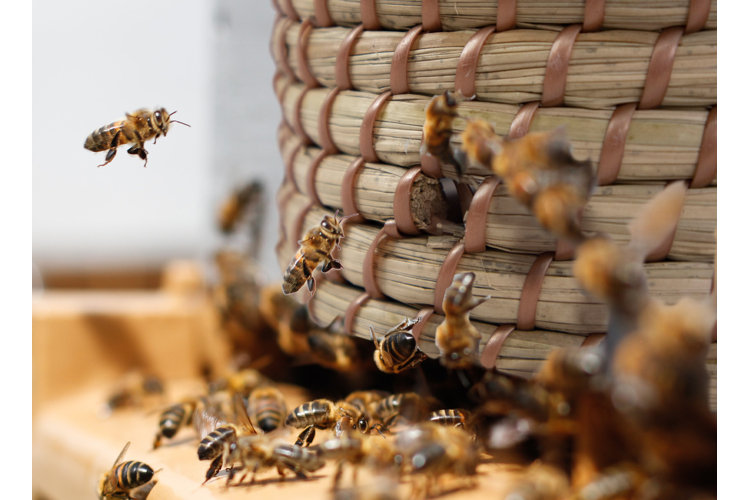
Beekeeping is a rewarding and enjoyable hobby that can be enjoyed by people of all ages. It's a great way to learn about nature and the importance of pollinators, and it can also be a source of fresh honey and other bee products.
If you're thinking about starting your own beehive, here's a step-by-step guide on beekeeping for beginners to get you started.
What Should Beginner Beekeepers Know About Bees?
There are a few things that every beginner beekeeper should know about bees. First, bees are social insects that live in colonies. A colony is made up of a queen bee, drones, and worker bees. The queen bee is the only fertile female in the colony and she is responsible for laying eggs. The drones are male bees that do not have stingers and their only purpose is to mate with the queen bee. The worker bees are female bees that do all of the work in the colony, such as building the hive, collecting nectar and pollen, and caring for the young bees.
Second, bees are important pollinators. They help to pollinate many different plants, including fruits, vegetables, and flowers. Without bees, many of our favorite foods would not exist.
Third, bees can sting. However, they are not aggressive insects and will only sting if they feel threatened. If you are careful not to disturb the bees, you are unlikely to be stung.
If you are interested in learning more about bees before starting to beekeep, there are many resources available. You can find books, articles, and videos about bees online and at your local library. You can also join a local beekeeping club or association.
How to Start Beekeeping
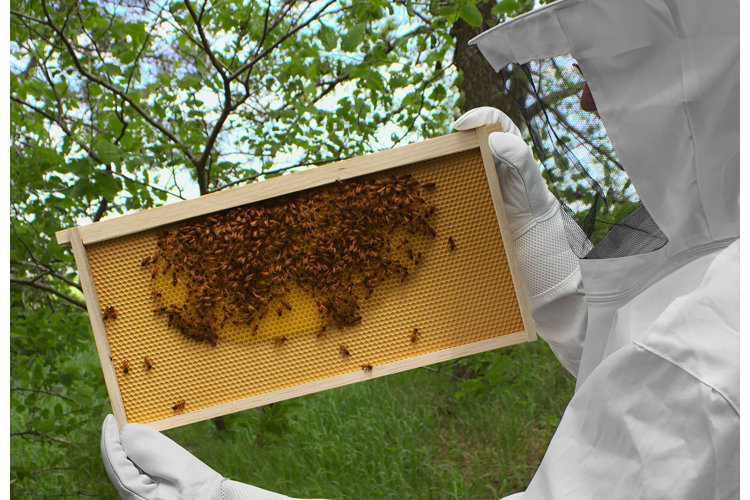
Step 1: Choose the Right Location
The first step is to choose a location for your beehive. Bees need a sunny spot that is sheltered from the wind. They also need access to water, so make sure there is a source of water nearby, such as a shallow dish of water.
Step 2: Get Your Equipment
You'll need a few pieces of equipment to get started with beekeeping. These include:
- A beehive
- A smoker
- A hive tool
- A bee brush
- A honey extractor
- A bee suit
- A pair of gloves
Step 3: Order Your Bees
Once you have your equipment, you'll need to order your bees. You can order bees from a local beekeeper or from a mail-order supplier.
Step 4: Install Your Bees
Installing bees in a beehive is a relatively simple process, but it's important to do it correctly. Here are the steps involved:
- First, you'll need to prepare the hive. This includes cleaning it out and making sure that it is free of any pests or diseases.
- Next, you'll need to install the frames. These are the structures that the bees will use to build their honeycomb.
- Once the frames are installed, you can add the bees.
Once the bees are in the hive, you'll need to close it up and leave them alone for a few days. This will give them time to get settled in and start building their honeycomb.
Tip!
Make sure to wear your bee suit and gloves while installing the bees.
Step 5: Feed & Care for Your Bees
Bees need a lot of care and attention to thrive. This includes providing them with food, water, and shelter. Feeding bees is an important part of beekeeping. Bees need a steady supply of food to survive, and they will not be able to produce honey if they do not have enough food. There are a few different ways to feed bees, but the most common method is to use a sugar syrup.
Sugar syrup is a mixture of sugar and water, and it is a good source of energy for bees. To make sugar syrup, simply mix equal parts sugar and water in a saucepan. Bring the mixture to a boil, then reduce the heat and simmer for 5 minutes. Allow the syrup to cool completely before feeding it to the bees.
You can feed bees sugar syrup by using a feeder. There are a variety of different feeders available, but the most common type is a hive top feeder. Hive top feeders are attached to the top of the hive, and they allow bees to access the syrup through a small hole.
You can also feed bees sugar syrup by using a sugar board. Sugar boards are flat pieces of wood that are coated with sugar. Bees will lick the sugar off of the sugar board, and they will also be able to collect the sugar to take back to the hive.
Tip!
When feeding bees sugar syrup, it is important to use a fresh mixture. Sugar syrup that has been sitting for too long can ferment, and this can harm the bees. It is also important to use a clean feeder. A dirty feeder can contaminate the sugar syrup, and this can also harm the bees.
Step 6: Harvest Your Honey
Harvesting honey from bees is a relatively simple process, but it's important to do it correctly to avoid damaging the hive or the bees. Here are the steps involved:
- First, you'll need to prepare the hive. This includes removing the honey supers, which are the boxes that hold the honey.
- Next, you'll need to use a gentle smoker to calm the bees. This will make them less likely to sting you.
- Once the bees are calm, you can use a honey extractor to remove the honey from the frames.
- Finally, you'll need to strain the honey to remove any impurities.
Tip!
Only harvest honey when the bees are not actively using the hive. This is typically during the winter months.
Step 7: Enjoy Your Honey!
Once you've harvested your honey, you can enjoy it in a variety of ways. You can eat it straight from the hive, use it in recipes, or make it into candles or other products.
Beekeeping is a great hobby that can be enjoyed by people of all ages. It's a rewarding way to learn about nature and the importance of pollinators, and it can also be a source of fresh honey and other bee products.
Additional Tips
Here are some additional tips for beekeeping beginners:
- Start with a small hive. This will make it easier to manage and care for your bees.
- Read up on beekeeping before you get started. There are many great books and resources available that can teach you everything you need to know about beekeeping.
- Join a local beekeeping association. This is a great way to connect with other beekeepers and learn from their experience.
- Be patient. Beekeeping takes time and practice to master. Don't get discouraged if you make a few mistakes along the way.
Now that you know how to start beekeeping, with a little effort and patience, you can successfully raise your own bees and enjoy their many benefits!
