5 Most Durable Kitchen Sink Materials for Busy Kitchens
Time for a hefty upgrade.
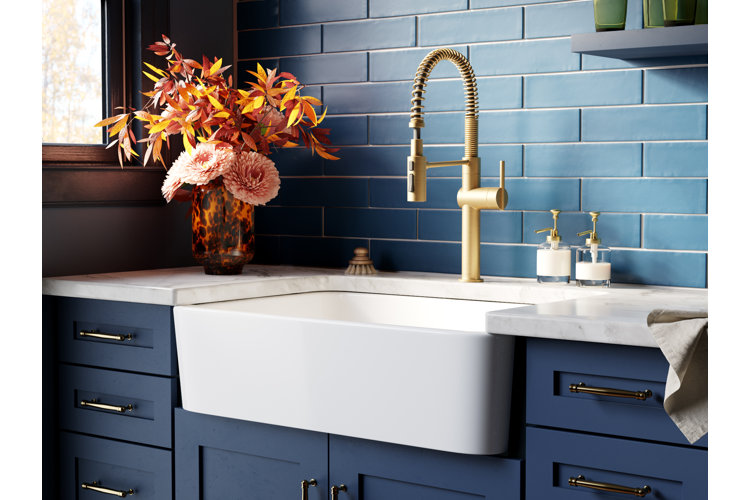
If your kitchen sees a lot of action, choosing the right material matters. The most durable kitchen sinks are designed to resist scratches, stains, heat, and everyday wear without compromising on performance or style. In this guide, we’ll break down the toughest sink materials to help you find the best option for your busy kitchen.
Stainless Steel
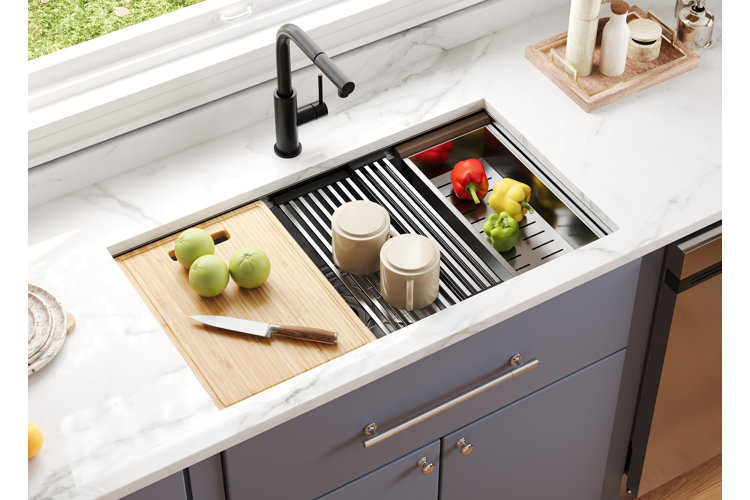
A fan favorite, stainless steel is made from a steel alloy containing chromium and nickel for corrosion resistance, making it a cost-effective and resilient choice for kitchen sinks.
Best for: Busy, modern households and budget kitchen renovations
Durability & Performance
Stainless steel is a durable and long-lasting material, with most stainless steel sinks lasting between 15 and 30 years. These sinks are resistant to cracking, chipping, and rust, making them ideal for heavy use. Stainless steel is stain-resistant and able to tolerate hot cookware.
Maintenance
Stainless steel is a very low-maintenance option and is easy to clean with soap and water. Although this material is prone to water spots, stainless steel cleaners can easily buff them out.
Benefits
- Budget-friendly, flexible price options (typically $100 – $1,000)
- Nonporous surface makes it easy to sanitize
- Safe for hot cookware
- Durability and resistance to corrosion make this a long-lasting option
Considerations
- Prone to cosmetic scratches
- Can be dented by heavy-duty cookware
- Can be loud when clashing with pots and pans
- Gauge determines thickness of steel and durability with lower gauge numbers indicating thicker steel
Tip!
If you’re not sure where to start, 16 gauge stainless steel is most commonly used for kitchen sinks as a durable and corrosion-resistant option.
Granite composite sinks are made from crushed granite stone and resin. This material offers maximum resistance to scratches, heat, and everyday wear. They offer a nonporous, matte finish as an alternative to metallic finishes.
Best for: Busy kitchens that need exceptional scratch, heat, and impact resistance with a modern matte finish
Durability & Performance
Granite composite is an ultra-durable option for kitchen sinks. They are highly scratch- and heat-resistant. With proper care and maintenance, these sinks last anywhere from 25 to 50 years.
Maintenance
These sinks can be maintained by cleaning regularly with soap and water. Granite composite should not be cleaned with harsh and corrosive chemicals.
Benefits
- Can withstand temperatures of up to 500°F
- Highly scratch- and dent-resistant
- Nonporous and easy to clean with soap and water
- Thick material dampens sounds from water and dishes
### Considerations - Heavy weight can require cabinet reinforcement and professional installation
- Medium price range (typically $300 – $1,200)
- Can be cracked or chipped by heavy, direct impacts
- Light-colored sinks may show stubborn stains
Quartz composite is made out of a dense mixture of crushed quartz and resin. This results in a highly durable and stylish material, perfect for upscale kitchens.
Best for: High-use kitchens that prioritize durability, quiet performance, and modern style
Durability & Performance
Quartz composite sinks are a premium option known for exceptional durability and resistance to scratches and chips. They can withstand high temperatures, making them well-suited for busy kitchens where hot cookware is often used. When properly maintained, these sinks can last for 15 to 30 years.
Maintenance
These sinks require daily rinsing and wiping to prevent staining and mineral deposits. Periodic cleaning with gentle soap and water keeps quartz composite sinks looking new.
Benefits
- Premium durability, including scratch-, dent-, and stain-resistence.
- Features consistent color throughout the material and a stylish matte finish
- Can withstand temperatures of up to 500°F
- Naturally absorbs sounds from water and dishes
Considerations
- Similar price range to granite composite sinks (typically $300 – $1,200)
- Heavy weight requires cabinet reinforcement and professional installation
- Ultra-hard surface can easily break dishes if dropped
- Darker colors can show hard water residue
Fireclay is a durable material made from clay fired at extremely high temperatures of over 2,000°F. This results in a glossy, nonporous enamel finish that makes for great scratch- and stain-resistant kitchen sinks.
Best for: Traditional or farmhouse-style kitchens that need a durable, stain-resistant sink for everyday use
Durability & Performance
Fireclay sinks are extremely heavy-duty and resistant to stains, heat, and scratches. This material can be prone to chips from coming in contact with heavier cookware, so sink grids are recommended to reduce this occurrence.
Maintenance
The glossy, nonporous surface of the fireclay makes it extremely easy to clean with mild soap and water. Avoid cleaning fireclay sinks with abrasive cleaners and materials.
Benefits
- Timeless aesthetic, common in classic farmhouse kitchens
- Highly resistant to high temperatures, scratches, and stains
- White color throughout the material makes chips less apparent if they do occur
- Naturally absorbs sound for quieter use
Considerations
- Higher price range, especially for larger sinks (typically $400 – $2,000)
- Heavy weight requires cabinet reinforcement and professional installation
- Can be chipped if heavy pots or pans are dropped
- Limited color options with white being the most common
Cast-iron sinks with porcelain enamel give you the best of both worlds with premium durability and style. This luxurious and long-lasting option offers a timeless appeal and long-lasting performance.
Best for: Classic or vintage-inspired kitchens that prioritize long-lasting durability and bold color options
Durability & Performance
The cast-iron base of these sinks makes them heavy-duty and highly durable. However, the enamel coating can be chipped, so a sink grid is recommended to prevent this. Chipped enamel should be fixed immediately, as the exposed steel is vulnerable to rusting. The longest-lasting option, a well-maintained cast-iron sink can last over 50 years.
Maintenance
The enamel coating makes these sinks easy to clean with gentle soap and water. The nonporous surface makes them highly stain-resistant and easy to sanitize.
Benefits
- Available in a wide range of colors, making it easy to fit multiple aesthetics
- Highly resistant to high temperatures, scratches, and stains
- The longest-lasting option due to robust cast-iron construction
Considerations
- High price range, especially for larger sinks (typically $500 – $3,000)
- Heavier than fireclay options, cabinet reinforcement and professional installation are required
- Prone to chips and rusting if cast iron is exposed
Frequently Asked Questions
What is the most durable kitchen sink material?
Cast iron and fireclay are among the most durable kitchen sink materials, offering excellent resistance to scratches, stains, and heat. Stainless steel also excels in everyday resilience and is unlikely to crack.
Quartz versus stainless steel sinks: which is better for hardworking kitchens?
Stainless steel is durable, cost-effective, and low-maintenance, making it ideal for busy kitchens. Quartz composite provides a quieter, stylish, and heat-resistant alternative but may require more care to avoid chips and stains.
What are the pros and cons of stainless steel sinks?
Stainless steel sinks are long-lasting, easy to clean, affordable, and resist bacteria, but can develop scratches and water spots over time if not cared for properly.
Why is stainless steel the most popular sink material?
Stainless steel is popular because it’s practical, durable, cost-effective, and handles high-volume use without warping or denting, making it suitable for most homes and kitchens.
