Flooring Options and Materials Guide
All you need to know about one of the most essential surfaces in your home.
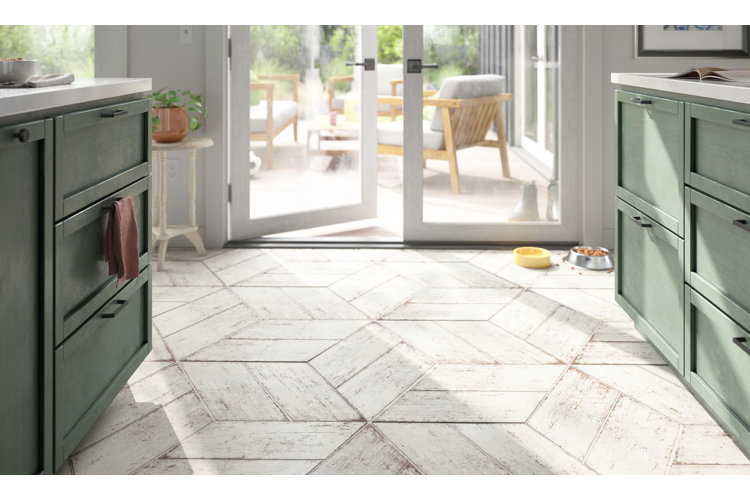
Whether it's foot traffic, spills, sliding furniture, or muddy paws, your floor has to weather it all. Depending on your lifestyle and room design needs, the best flooring materials for you might be the most durable rather than the softest. Use our guide to learn all about the flooring materials and options that will suit you.
In this guide:
Flooring Options
Flooring Qualities
Flooring Options by Location
Frequently Asked Questions
Flooring Options
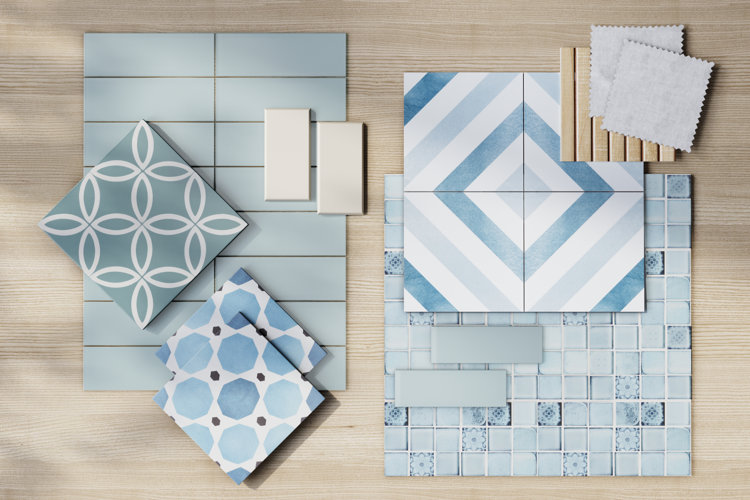
To help you find the right flooring option for your space, we've broken down the top picks and why each one might work for you.
Tile
Best for: Everyday spaces like kitchens, bathrooms, laundry rooms, and entryways
Scratch- and scuff-resistant, flooring tile is an excellent choice for areas that may face a lot of wear and tear, like bathrooms and kitchens. Though it can be hard and cold underfoot, tile resists stains and is easy to clean. Ceramic is a popular option for tile because it's affordable, easy to install, and comes in a variety of designs. Porcelain is another top pick for tile. Because it is more dense than ceramic, porcelain is more durable, less porous, and more water-resistant, but often costs more and may require professional installation due to its higher density. Be careful – even highly durable tile may crack if heavy objects are dropped on it, and cracked tiles must be replaced.
Tip!
Check out our guide Types of Floor Tiles You Need to Know Before You Remodel to learn more about tile materials and finishes.
Vinyl
Best for: Any space, but great for high-traffic areas like hallways and kitchens
Cost-effective and easy to install, vinyl flooring is waterproof, resists damage, and holds up well against heavy foot traffic. Unlike bamboo and hardwood, vinyl is synthetic. Many vinyl flooring types, including sheets, planks, and tiles, interlock to keep water from penetrating the floor. Its smooth, mostly seamless surface is easy to wipe clean. Sheet vinyl flooring is inexpensive given its durability and water-resistance. Luxury vinyl flooring is more expensive than standard vinyl flooring, but it can offer a realistic wood look and texture for less than real hardwood. Its ability to withstand high traffic makes it an excellent option for hard-wearing everyday areas like kitchens and hallways.
Tip!
Our vinyl flooring buying guide goes into depth about all things vinyl flooring, from the pros and cons to the designs and installation types.
Hardwood
Best for: Everyday spaces like living rooms, dining rooms, or bedrooms
Hardwood is one of the longest-lasting flooring options. Though hardwood is susceptible to scratching and denting, it can be restored from almost any condition back to its former glory with a little elbow grease. Hardwood is one of the most expensive flooring materials, but its lifespan makes it a worthwhile investment. Natural hardwood is susceptible to warping or molding when exposed to moisture, but engineered hardwood – made of layers of hardwood and plywood bound together – is not. Engineered hardwood is also a good option for spaces that are more prone to moisture exposure like bathrooms, laundry rooms, and entryways.
Tip!
Read more about solid and engineered hardwood flooring (including hardwood flooring installation types) in our hardwood flooring buying guide. If you want a rundown of more budget-friendly hardwood flooring alternatives, we've got a guide on that too.
Laminate
Best for: Any room in your home, including bathrooms, living rooms, and kitchens
Available in a wide variety of colors and styles, laminate flooring is inexpensive and easy to install. Laminate is very susceptible to dents, scratches, and water damage, so it's a good idea to consider laminate flooring types that have a waterproof coating on them to help them last longer. Laminate can be designed to mimic other materials like hardwood and stone at a more approachable price point (and lower maintenance), making it a popular choice for any budget.
Tip!
If you're interested in laminate flooring but want to learn more, check out our laminate flooring buying guide.
Bamboo
Best for: High-traffic spaces like living rooms and bedrooms
Made from tough, natural bamboo fibers, bamboo flooring is hard to scratch or dent. It is one of the most durable flooring materials available. Bamboo flooring is excellent if you have active pets. Like hardwood, bamboo flooring's natural fibers don't hold up well against moisture. Though less expensive than hardwood, high-quality bamboo flooring can cost more than synthetic flooring options, but it is much more eco-friendly.
Tip!
Read our guide Your Guide to Bamboo Flooring to learn more about this flooring type.
Carpet Tile
Best for: Cozy rooms like bedrooms, living rooms, and home offices
Made from soft, interwoven fibers, carpeting is the natural choice for cushioning your floor. Some carpet types will wear down when faced with daily foot traffic and may tear over time if placed under furniture that is moved around often. Carpet tends to be absorbent, which means it stains easily and moisture can easily damage the underlying surface. If maintained well, the low cost of carpet flooring can be a massive benefit. If you anticipate a lot of wear and tear, consider investing in a more expensive flooring option with a longer life-span.
Tip!
Before you buy, check out our guide on how to choose the best carpet tile for your space.
Cork
Best for: Everyday areas like bedrooms, living rooms, and hallways
Spongy and somewhat bouncy underfoot, cork is a natural flooring material that absorbs sound and is bacteria- and allergen-resistant, which makes it an excellent choice for households with pets or small children. It does require a little upkeep – it can scratch easily and moisture can cause it to swell and warp. Because cork flooring can be difficult to install, we recommend hiring a professional. Multiple layers of sealant are applied to the surface during installation to create a thin protective barrier that will make the cork flooring easier to maintain.
Flooring Qualities
If you still aren't sure what the best type of flooring for your home is, consider your lifestyle needs and use the chart below to help you decide.
Tip!
If you're shopping with a specific room in mind, we have guides on how to choose the best flooring for your bathroom and how to choose the best flooring for your kitchen. Plus, learn how to try before you buy by checking out our flooring samples buying guide.
You can also get a consultation with Wayfair's Flooring Installation Services by Installation Made Easy®. Learn more here.
Frequently Asked Questions
What makes tile flooring a good choice for bathrooms?
Tile is water-resistant, easy to clean, and durable, making it ideal for bathrooms.
How does engineered hardwood differ from natural hardwood?
Engineered hardwood resists moisture better as it is made of hardwood and plywood layers.
Why is bamboo flooring eco-friendly?
Bamboo is a natural material that grows quickly, making it a sustainable flooring option.
