Lockers Buying Guide
There are a number of considerations to keep in mind before purchasing lockers. Whether you are looking to outfit a classroom, a hallway, or a breakroom, Wayfair offers a number of lockers to suit your needs.
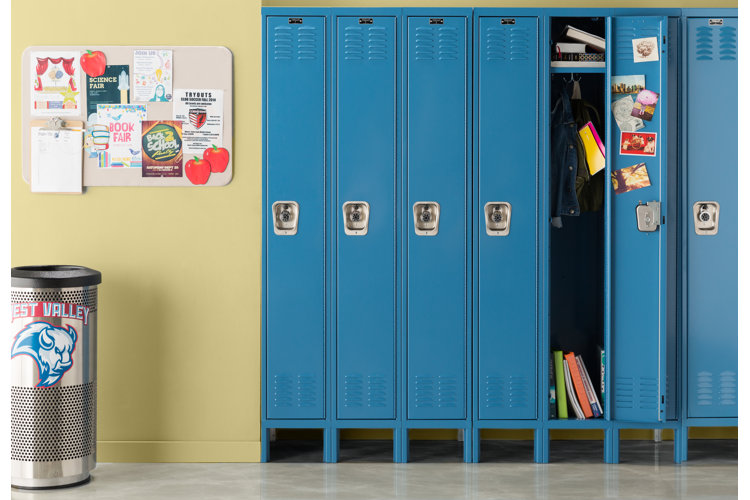
Whether you are looking to outfit a classroom, a hallway, or a breakroom, Wayfair offers a number of lockers to suit your needs. Lockers help keep spaces organized and personal items protected, and there are a number of considerations to keep in mind before making a purchase.
Number of Units
Lockers come in a number of shapes, sizes, and configurations. It is important to know how many people you need to accommodate and how much space you have. Once you have a sense of how many units you need, you can review options that best match your needs.
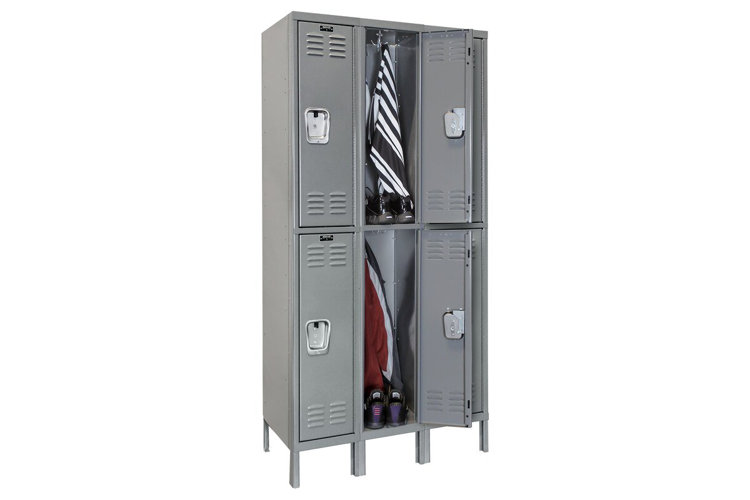
The standard height of lockers is 78”, which is generally offered in 1 through 6 tiers (i.e., rows). These tiers are used to help adapt the locker system to the number of people a given space needs to accommodate.
Application
The type of locker you need might vary by end-application.
Everyday School Use: Traditionally found in hallways, school lockers are typically 2-tiers so that they can fit jackets, books, and bookbags and will typically feature a metal frame to withstand everyday use at a cost-effective price point; however, phenolic lockers are also becoming a popular choice for their durability.
Locker Rooms: Gyms in schools and other spaces have a variety of choices to fit their facilities. Lockers can be fully enclosed, vented to prevent bacteria growth, or open-faced for equipment storage.
Employee Break Room: Businesses often put lockers in their break rooms for employees to store their belongings. Locker with a clear door, aiding in theft prevention, are a popular choice.
Sport Clubs & Country Clubs: Upscale venues may feature lockers that incorporate wood and other design-centered materials.
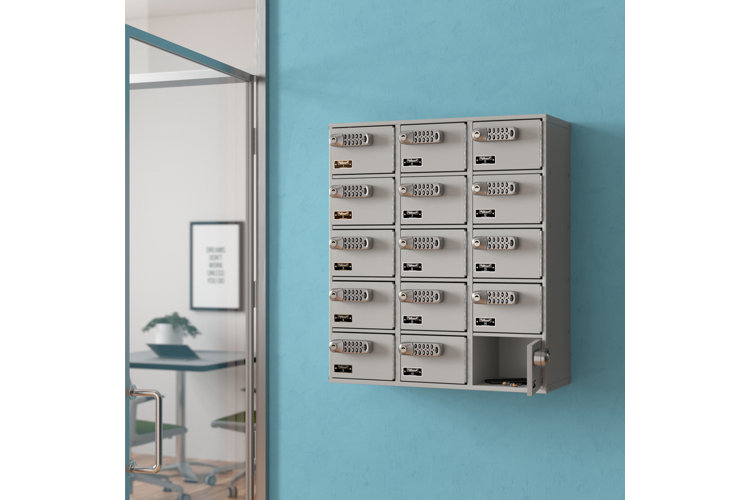
Electronic Storage: Featuring smaller compartments, these lockers are typically found in hospitals, call centers, some offices, and other public venues where storing cell phones and other small valuables is required.
Locking Mechanism
Standard Combination Lock: Most often, lockers will incorporate standalone combination locks or padlocks to secure the items inside.
Built-In Locks: These standard combination locks can be easily installed into the locker door to help the facility maintain control over locks.
Electronic Locks: A growing alternative to traditional padlocks are electronic keypads that allow for easy combination changes for new users.
Features
Bases: For ease of use, lockers typically come with four legs on the base to bring them off the ground. In order to maintain easy floor cleaning, customers will often add bases to their lockers that cover the legs.
Slope Tops: To prevent storage on top of lockers and to ease cleaning, slope tops can be added to storage lockers.
Number Plates: In order to help users keep track of where their valuables are stored, number plates are often used to help differentiate lockers from one other.
Clear Doors: In areas that require higher security, transparent polycarbonate door panels can be used. They allow visibility into what is stored in the locker, while also maintaining security of products stored inside.
Assembled or Unassembled: Lockers can come assembled or unassembled. Assembly of lockers is often a time-intensive process, but purchasing an unassembled locker (i.e., a knock-down locker) can help lower upfront costs.
If you have any questions about lockers sold on Wayfair Professional, contact your Business Account Manager.
