Classroom Chairs Buying Guide
Classroom chairs come in a variety of sizes, materials, and styles to suit students across early education, elementary schools, middle and high schools, and universities.
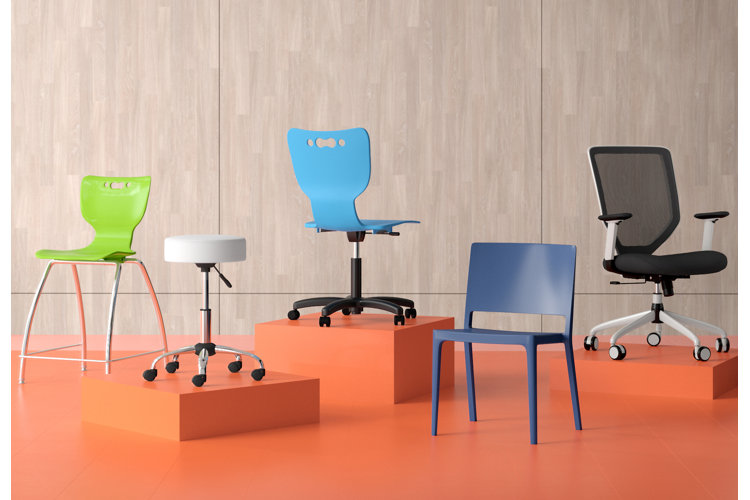
Classroom chairs come in a variety of sizes, materials, and styles to suit students across early education, elementary schools, middle and high schools, and universities. These products are designed to be durable enough for daily use, and can be used in a number of settings including computer labs, media centers, and, of course, classrooms.
Chair Sizes
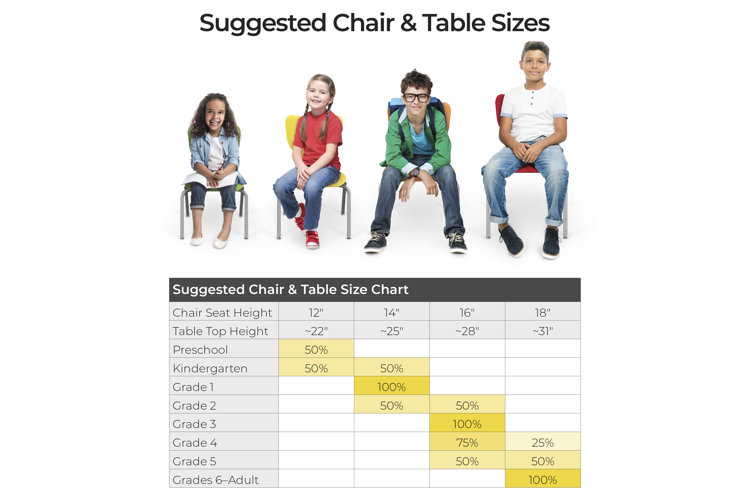
Classroom chairs come in sizes generally ranging from 7” to 18” and are measured by the distance from the floor to the seat. As a general benchmark, a seat height should be about 10” below the activity tabletop or desktop measurement to ensure comfort with ample leg space and reachable work surface height.
Types of Classroom Chairs
Classroom chairs are offered in a number of styles to align with the modern, versatile, and flexible teaching styles of today. Here are some of the most common types:
4-Leg Base: These chairs are traditional with four-leg frames for support. Chairs intended for classrooms with hard flooring will feature nylon floor glides to prevent floor damage. These chairs may feature casters or be designed as stack chairs to support mobility and storage. Chairs can feature a number of under-seat storage options, including metal or plastic bookbaskets.
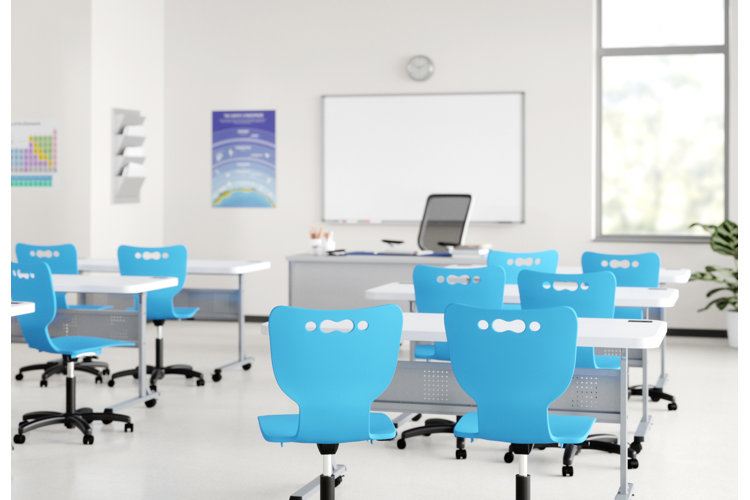
5-Star Base: These chairs have pneumatic height adjustments and a base made from durable plastic bases, generally featuring casters for mobility. They are well suited for teachers who frequently use group activities in the classroom.
Cantilever: These sled base chairs feature a continuous piece of steel for a sturdy base while remaining lightweight and comfortable. Cantilever chairs are a more modern, sleek alternative to traditional four-leg base chairs.
Combo Desks: Combination desks feature seating attached to a small square desk with an opening on one side for students to enter and exit. Generally considered economic options, combo desks are well suited for seminar style classrooms and testing centers.
Table Arm Desks: A modern take on the traditional combination desks, these desk and chair combos feature a tablet for student writing and generally include casters to foster collaborative and dynamic classroom environments.
Soft Seating: Typically found in early education classrooms and common spaces, these upholstered seats are generally easy to carry and store, and offer a comfortable environment for active learning and collaborative spaces.
Active Stools: Increasing in popularity in classroom spaces, stools are generally designed to wobble and swivel to assist students with managing their energy and remaining focused through active seating. Many stools are constructed to be height adjustable for comfort of students across ages and sizes. More traditional lab stools will generally feature solid metal that can withstand heavy use.
Feeding Chairs: Found typically in early education, feeding chairs typically offer sturdy bases, rounded edges, and seating with back support. Other safety features include straps and clips to help keep kids secure.
Materials For Classroom Chairs
Chairs generally feature specific material types based on their components. Here are the specifics:
Chair Frame: A majority of classroom chairs feature a metal frame that can be coated in chrome or powder, based on aesthetic preferences. Powder coats are able to feature matte or flat finishes. Wood is another common material used for frames.
Seat and Backrest: Most commonly, chairs will feature solid plastic seats and backrests. Plastics are typically made of polypropylene, ABS plastic, or melamine. ABS is a harder, lighter plastic compared to polypropylene, but is less flexible. Melamine is a lower cost plastic resin. Other common materials are fabric (upholstered) and wood.
Rivets: Chairs are assembled with hidden or concealed rivets to join two or more pieces together. Traditional rivets may feature exposed but more modern construction will cover or conceal rivets for comfort and safety.
Other Features For Classroom Chairs
Classroom chairs will often incorporate a number of features to support storage, design, and comfort. Here are some options to consider:
Stackable: Most classroom chairs stack for storage and transportation and feature handles in the backrest or in another location for mobility.
Adjustability: Height adjustability through pneumatic lifts or other mechanisms help accommodate a wide range of users.
Chair & Desk Sets: To simplify design and functionality of the classroom, many classroom chair manufacturers offer sets with tables or desks, often at prices below that when purchased separately.
If you have any questions about classroom chairs sold on Wayfair, please contact your sales manager.
