The Ultimate Guide to Traditional Style
Discover the ins and outs of making this timeless style work in your home.
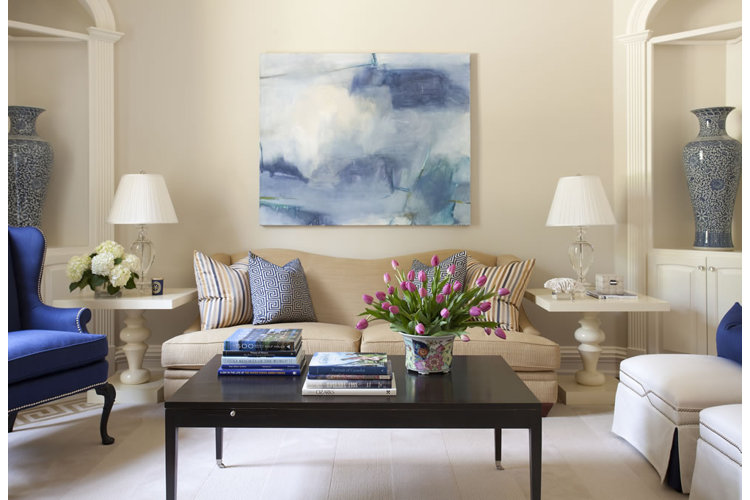
Design: Tobi Fairley Interior Design
https://www.wayfair.com/shop-the-look/slp/314--photo-id149275
A traditionally decorated home combines refined furnishings with elegant lighting, inviting color combos, and classic patterns for a dignified, familiar feel. The three key components of this timeless design are comfort, symmetry, and ornate details. A traditional home is expertly curated, from the individual pieces to a room's layout, yet this time-treasured look isn't hard to achieve.
Traditional Style Basics
- Room layouts and plush seating encourage conversation and lingering
- Pairs (from chairs and lamps to architectural details) create balance
- Warm wood tones mix well with saturated hues on a backdrop of neutrals
- Furniture features curved legs, rolled arms, and intricate detailing
Rich Color Palette


A traditional-style color palette starts with neutrals as a base: cream, beige, tan, and brown. Wood tones factor into traditional design in a big way; mahogany, cherry, and walnut are common finishes.
Deep, saturated hues—burgundy, saffron, emerald, or navy blue—help create a rich, lavish feel. However, modern iterations of traditional design feature paler shades for a fresh twist. Metal details on lighting and furniture are usually brass, which lends a sparkle to traditional spaces.
Classic Patterns
Design: Kim Macumber Interiors
https://www.wayfair.com/Get-The-Look/Photo/Peckham-Hill-P207062
Traditional spaces are filled with eye-catching layers of intricate and colorful patterns, from window treatments to area rugs. Common patterns include toile, floral, stripes, plaids, paisley, and damask. These motifs are layered together, in varying sizes, to enhance the extravagant look and feel of traditional design.
If a textile is not patterned, it's likely embroidered or embellished in some way. Whether it's a personal monogram, elaborate edging, sleek piping, or whimsical fringe or tassels, there's always another detail. This emphasis on quality and craftsmanship elevates this style.
Design: BHDM Design LLC
https://www.wayfair.com/shop-the-look/slp/dining-room--photo-id109336
The details set traditional design apart—nothing has been left as an afterthought. Luxurious floor-to-ceiling curtains (with panels or pleats) adorn windows, ornate Oriental rugs ground the rooms, walls display elegant mirrors and paintings, and shelves are carefully arranged with collections of antique vases, china, globes, plants, and figurines. Crystal chandeliers add sparkle and lightness to traditional rooms often saturated in deep color.
Symmetry in shape, lines, furniture arrangement, and decor are tell-tale signs of traditional design, such as twin tables and lamps. Curved or carved legs adorn accent tables, while sumptuous elements, like tufting, nailhead trim, and skirting, lend opulence to chairs and sofas. Seating in traditional living rooms is often arranged around a table or ottoman, rather than facing a focal point, to encourage conversation.
Traditional decor often has global ties. As the wealthy class would bring souvenirs back from their travels, these pieces worked their way into the fabric of traditional decor, from blue-and-white chinoiserie vases and urns to painted Japanese screens.
Ornate Architectural Details
Design: Kelly Rogers Interiors
https://www.wayfair.com/shop-the-look/slp/one-room-challenge-victorian-vestibule--photo-id127795
From immaculate hardwood floors to ornate coffered ceilings and every wall in between (crown molding, exposed beams, wainscoting!), intricate millwork is a style standard. Traditional homes often feature stunning built-in cabinetry throughout—in libraries, dining rooms, and bathrooms—not just in the kitchen. Attention to detail and exquisite handcrafted materials allow the lavishness of traditional style to shine through.
If your home doesn't have these features, use vintage frames, ceiling medallions, or furniture with curved lines and carved details to make a traditional statement. Use wallpaper, a classic traditional-style wall covering, to create an opulent feel.
An Iconic Element
Nothing embodies traditional style quite like the stately wingback chair. Its tall back, rolled arms, and exaggerated wings add a hint of grandeur to any room.
The wingback frame can be customized in many ways: patterned or solid upholstery, tufting, piping, nailhead trim, curvy or straight legs, and wood finishes (mahogany, cherry, and oak are popular).
When working a wingback into your home, employ a key traditional design tenet for a foolproof look: symmetry. In the living room, place two on either side of the sofa or bookending an ornate side table. Create a regal feel in the dining room, by pulling up a pair of wingbacks at either end of the table.
Editors' Tips for Perfecting the Look
- Start small and work your way up. Bring opulence to the hallway by incorporating an oriental rug runner or cap it with an ornate end table.
- To keep the look fresh, opt for traditional silhouettes upholstered in modern patterns.
- Incorporate family heirlooms (hope chests, grandfather clocks, framed photos) for an authentic, unique touch.
- Match your metals and woods. While current style is all about mixing metallics and wood tones, traditional style requires consistency.
