What Is Industrial Style? Complete Interior Design Guide
Get the factory-inspired look.
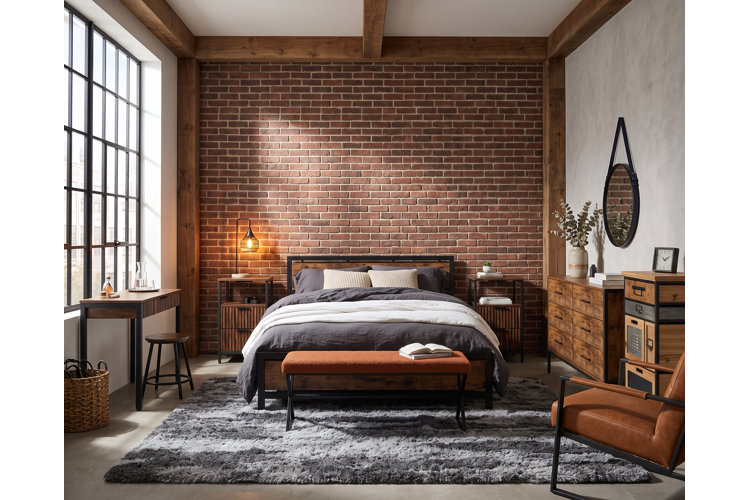
Industrial style is an interior look inspired by factories and converted lofts featuring raw metal, worn wood, exposed brick, and vintage lighting. If you want a home that feels like a workshop-turned-apartment, you’re in the right place.
Where Industrial Style Comes From
Industrial interior design traces back to the late 19th and early 20th centuries, inspired by the practical architecture of the Industrial Revolution. These early factories, warehouses, and manufacturing plants were built purely for efficiency and durability – featuring wide-open floor plans, high ceilings, large multi-pane windows, and raw structural materials that were left uncovered to keep construction costs down.
The industrial interior design aesthetic came to life in mid-20th-century cities like New York, when urban dwellers began converting abandoned industrial buildings into residential lofts. Rather than hiding the buildings' utilitarian roots, inhabitants celebrated the visible pipes, weathered brickwork, and raw concrete. Today, industrial design remains inspired by that effortless blend of historical character and functional simplicity.
Key Elements of Industrial Style
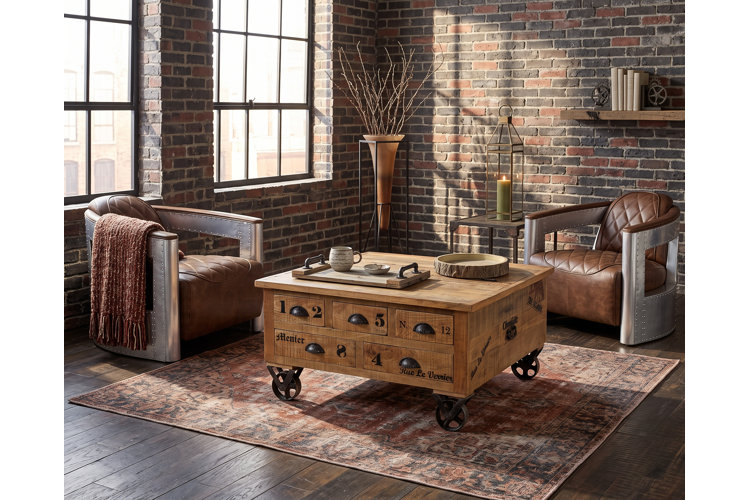
Industrial style has a unique aesthetic that uses key design elements to create the distinctive utilitarian, factory-inspired look. Explore the following elements found in industrial interior design to bring this urban feel to your home.
Metal & Wood
Metal and wood serve as the foundation of industrial style, creating a balanced contrast that feels equal parts rugged and refined. Hard, clean-lined metal elements – such as iron furniture frames, wire shelving, or matte black pendant lights – bring an authentic, factory-inspired look to the space. Distressed, varnished, or reclaimed wood warms up cold metallic edges, introducing natural texture and a work-in-progress charm.
Exposed Structure (& Faux Alternatives)
At its core, industrial design celebrates raw architecture by keeping functional building materials on display. Exposed brick walls, visible ceiling beams, polished concrete floors, and high ceilings with expansive windows create an open, airy loft feel. Even if your space lacks high ceilings or authentic brickwork, you can channel this aesthetic using exposed light bulbs, industrial chandeliers, or realistic brick wallpaper to amp up the industrial features.
Neutral Color Palette
An industrial-style color palette relies on grounding neutrals that allow the room's bold architecture and dynamic finishes to take center stage. Shades of brown, black, dark gray, tan, and cream form the primary color scheme and complement raw metals, leather, and natural wood finishes. Vivid hues are generally avoided, but muted accent colors like terracotta, mustard yellow, and navy blue can be used to add a pop of color.
Leather & Textiles
To prevent a factory-inspired space from feeling overly stark or cold, leather and soft textiles are essential for adding cozy comfort. Rich leather upholstery – whether on a deep-tufted sofa, accent chair, or bar stool – introduces timeless warmth and durability to the room. Layer wool throw blankets, faux fur pillows, or a soft cowhide rug underfoot for textures that bring inviting warmth to the space while preserving the sleek simplicity of industrial style.
Classic Industrial vs. Sub-Styles
| Style | Signature look | Materials |
|---|---|---|
| Classic industrial | Warehouse loft, exposed brick | Black steel, worn wood |
| Modern industrial | Cleaner lines, less rust | Matte black metal, walnut |
| Industrial farmhouse | Warmer, more cottage wood | Galvanized metal, oak |
| Industrial chic | Polished, fashion lighting | Brass or copper, smooth wood |
Modern Industrial
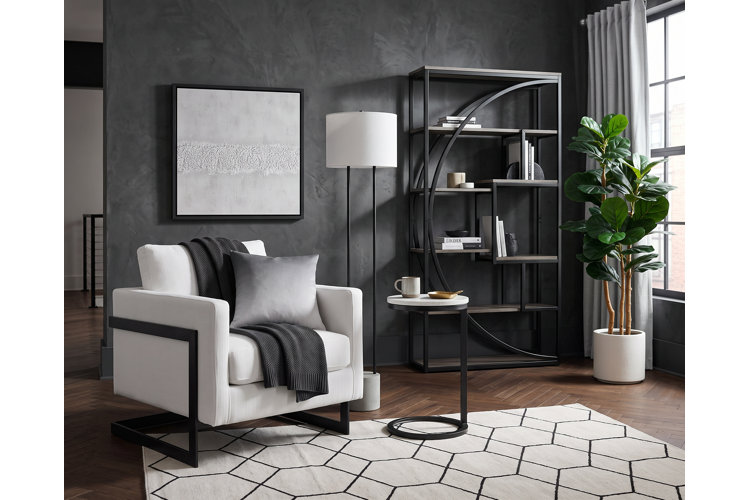
Modern industrial style refines the raw aesthetic into a sleeker, more contemporary look with cleaner lines and a polished finish. It minimizes heavy distressing and rust in favor of smooth surfaces, relying on rich walnut wood and matte black metal hardware for an impactful but minimalistic appearance. Concrete walls offer a smoother foundation than exposed brick, and a neutral, high-contrast color scheme elevates the room’s modern appeal.
Industrial Farmhouse
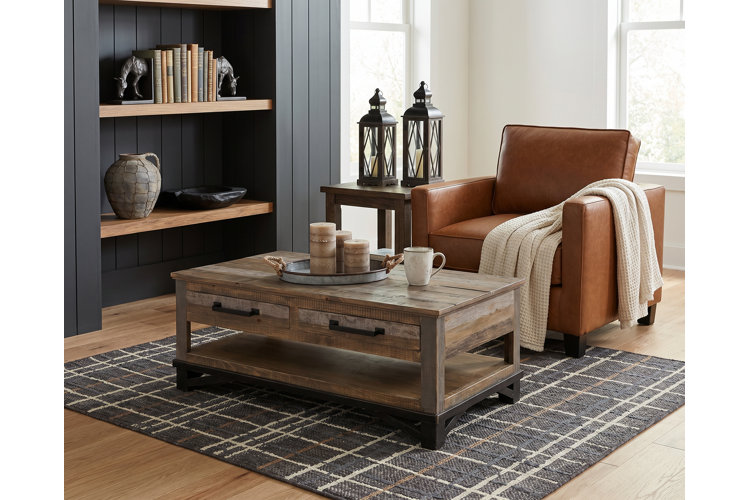
Industrial farmhouse style balances the ruggedness of classic industrial design with cozy, welcoming country characteristics. It introduces warmer tones through oak furniture and soft textiles, grounding the look with light fixtures, hardware, and decor made from galvanized metal. Timeless patterns like plaid soften the space and panelled walls offer a warmer alternative to cold brick, creating an industrial space that feels rooted in rural charm. Read What Is Industrial Farmhouse Style? to learn more.
Industrial Chic
Industrial chic style elevates the underlying structural aesthetic into a sophisticated, glamorous look suitable for high-end interiors. It uses statement lighting and refined finishes to replace weathered materials with warm polished metals like brass or copper. Smooth, high-grade wood furniture creates a more sophisticated look than distressed finishes found in classic industrial style. Genuine leather and cowhide add to the rugged but refined balance of the room.
How to Get Industrial Style in Any Home (8 Design Ideas)
1. Start With Architectural Cues (Brick, Steel, Height)
Don't have high ceilings or exposed brick in your home? Channel an industrial look with stainless steel accents, brick wallpaper, or an industrial chandelier. These elements have an old-fashioned, work-in-progress vibe that can transform any space into an urban oasis.
Most industrial homes feature a neutral color palette that blends with the weathered architectural features of the space. Browns, blacks, and dark grays work well with distressed wood, leather, and metal accents. Use neutrals for your large furniture pieces, but sprinkle in accents of terracotta or rust red to tie in the warm hues of brick.
Metal furniture and decor are often the focal points of industrial spaces. To achieve this aesthetic, implement metal pendant lights, furniture with metal legs, or decorative metal wall accents. Mix and match pieces made of copper, brass, galvanized steel, or matte black for an eclectic metallic arrangement.
Leather upholstery is prominent in industrial style interior design – it's equal parts rugged and refined. Whether you go for a leather sofa for the living room or a leather stool for your desk space, even the simplest touches of this material transform your home into an industrial abode.
Without soft accents, an industrial space can feel cold and uninviting. Soften the hard lines and cold metal of industrial furniture by draping a wool throw blanket over your bed or office chair. Consider adding a faux sheepskin or hide rug to soften the floor and hang drapes around large factory windows to take the edge off of stark walls.
Plants breathe life into any room and keep an industrial space from looking too dreary. If you struggle to care for live plants, artificial selections accomplish the same goal without requiring maintenance. Opt for metal planters to maintain a classic industrial look.
Vintage-inspired accessories like antique-looking globes, hourglasses, and typewriters give your industrial space a flair of personality. Choose decor with a distressed finish – like oil-rubbed bronze, galvanized steel, or burned wood – for a time-worn look to complement a historic industrial space.
When it comes to wall art, industrial style favors vintage-inspired prints over modern selections. Look for muted tones, distressed finishes, and the typography featured above. To add more texture, pair your wall art with hanging marquee novelty lights, like this dining space’s old-fashioned cafe sign.
Neighborly Tip!
Ready to start designing your dream industrial space? Check out our other style guides for more inspiration:
- Edgy & Elevated Industrial Bedroom Ideas
- Industrial Living Room Ideas to Revamp Your Home
- Industrial Decor Ideas for Every Room in the House
Frequently Asked Questions
What are key elements of industrial style?
Key elements include metal and wood furniture, a brown-black-gray palette, vintage lighting, leather, and open or loft-like layouts. Brick, concrete, and factory-inspired accessories complete the look.
How can I achieve industrial style without high ceilings?
Use brick wallpaper, stainless or black-steel furniture, and an industrial chandelier or metal pendants to suggest warehouse architecture without a loft.
Why are plants important in industrial interiors?
Plants offset cold metal and concrete so rooms do not feel dreary. Use live or faux plants in metal planters.
What furniture materials work best in an industrial room?
Pair metal frames with worn or rustic wood, then add leather seating. Avoid overly ornate traditional wood finishes.
How do I keep industrial style from looking unfinished?
Balance raw materials with textiles (wool, faux fur, hide-look rugs), layered lighting, and a tight neutral palette so the space feels designed, not like a job site.
You Might Also Like
