10 Things to Know Before Buying a New Floor
From materials to how much you’ll need, here's where to start.

Whether you're moving into a new home or renovating, the right flooring can make the space. To find the best option, consider these key factors and ten things to know.
In this guide:
The Installation Location
Your Lifestyle
The Look You Like Best
The Logistics
Frequently Asked Questions
The Installation Location

1. The room's location and moisture level: Moisture-prone, sub-level basements and humid bathrooms need flooring that can withstand temperature and humidity changes. Tile and vinyl flooring options work well in these spaces.
2. The room’s level of traffic: For busy living areas, solid hardwood floors and laminate options are durable and long-lasting, while porcelain tile is especially resistant to scratches and dents. Carpet tiles are easy to install and replace if you want more plush and softer flooring.
3. The amount of sunlight in the space: If rooms have many windows and high sun exposure, opt for fade-resistant laminates and engineered hardwoods to keep their appearance.
Tip!
Don’t know where to start with your new flooring? Check out our guide: Everything You Should Know About Wood Flooring Types
Your Lifestyle
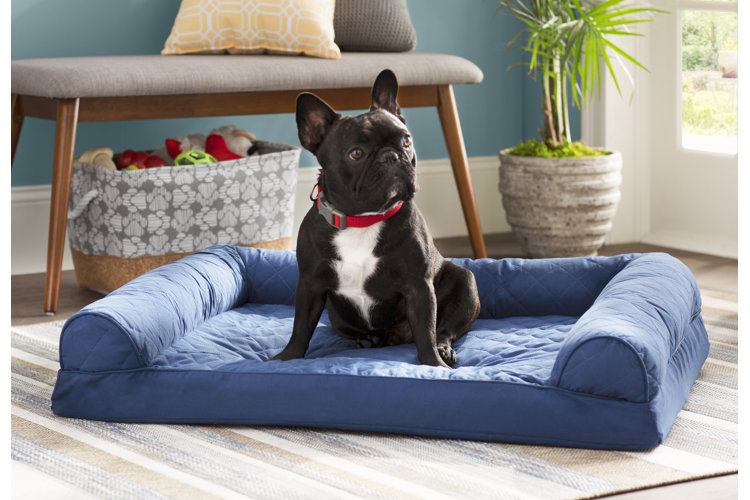
4. If pets and kids are a factor: To minimize scratches and make cleaning easy, opt for floors made of tile, hardwood, or cork, which is anti-microbial and sound absorbing.
5. If allergies are a factor: Hard, flat surfaces that are easy to clean, like tile and hardwood, are a good choice for those with allergies. Cork and bamboo are also natural, allergy friendly options. If you're looking for carpet, low-pile is best to reduce trapped allergens.
Tip!
If you do have a pet in the home, read our guide: Best Pet-Friendly Flooring Guide
The Look You Like Best

6. The color options: Lighter floors make a room feel spacious and bright, while darker materials add warmth. Natural, neutral tones are versatile for many interiors. Order samples ahead of time to see the color and material in your space. The gloss finish of floors is something else to consider with your color. Low gloss has more of a matte finish while semi-gloss and gloss have a sheen to their appearance.
7. The size options: Typically, thinner planks work well in traditional spaces, while wider planks are ideal for contemporary and rustic spaces. To make a cramped space feel bigger, choose wider planks or larger tile.
Tip!
Need help finding the right color and style of your new flooring? Check out our guide: Which of These Hardwood Flooring Colors & Style Are Perfect for Your Home?
The Logistics
8. Your budget: Vinyl and laminate flooring are affordable options. Hardwood flooring often costs between $8 and $12 per square foot while bamboo planks can be a budget-friendly alternative.
9. How much to order: No matter the material, measure the square footage of the room, then add 10% for flexibility during installation and future repairs.
10. Your installation plan: Many laminate and vinyl plank flooring options are easy to install over existing surfaces, while professional installation is suggested for solid hardwood and tile flooring. We've partnered with Installation Made Easy to ensure your flooring installation project is stress-free and stylish - check out the information below or click here for more details!
Frequently Asked Questions
What flooring is best for moisture-prone areas?
Moisture-prone areas like basements and bathrooms require flooring that can handle humidity changes.
How does sunlight affect flooring choice?
For high sun exposure areas, choose fade-resistant flooring to maintain its appearance.
What should I consider for flooring if I have allergies?
Opt for hard, flat surfaces like tile and hardwood, or allergy-friendly materials like cork.
