Cleaning 101: How to Clean Blinds & Shades: A Step-by-Step Guide
It's as easy as 1-2-3!
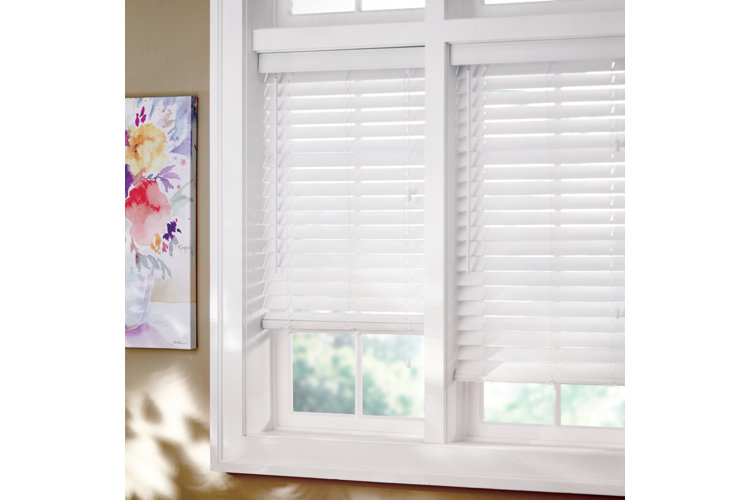
Blinds and shades collect dust, pet hair, allergens, and everyday grime, but most can be cleaned without taking them down. The easiest way to clean blinds is to dust them regularly with a microfiber cloth or vacuum brush attachment, working from top to bottom. For a deeper clean, use a material-safe method to avoid warping, staining, or damaging the slats.
Read on to learn the best way to clean blinds and shades based on their material, including wood, fabric, cellular, mini, vertical, and roller styles.
The Best Way to Clean Blinds
The best cleaning method depends on whether your blinds need routine dusting, a damp wipe, stain treatment, or a full deep clean. Begin with the gentlest method and only introduce water when the material can safely tolerate it.
1. Dust Blinds Every 1 to 2 Weeks
Regular dusting prevents grime from becoming stuck to the slats. Close the blinds so they lie mostly flat, then use a dry microfiber cloth, duster, or vacuum brush attachment. Work from the top of the window downward so falling dust does not land on areas you have already cleaned.
Tilt horizontal blinds in the opposite direction and repeat on the other side. For vertical blinds, always work from top to bottom to prevent the vanes from becoming unhooked.
2. Deep-Clean Blinds Seasonally
Most blinds benefit from a deeper clean every three to six months. Blinds in kitchens, bathrooms, or homes with pets may need attention more frequently because they are exposed to grease, humidity, and pet hair.
Use a damp cloth and mild soap solution for washable slats. Fabric and cellular shades should generally be vacuumed or spot-treated rather than saturated.
Tip!
Attach a clothespin to the slat you are cleaning. If you need to stop midway through the job, the clothespin will mark where you left off.
How to Clean Plastic, Aluminum, & Faux Wood Blinds
Aluminum, plastic, vinyl, and faux-wood blinds are generally easier to clean than natural wood or fabric styles because they can tolerate a lightly dampened cloth. Avoid abrasive tools that could scratch the finish or bend thin slats.
What You'll Need
- Vacuum
- Microfiber cloths
- Mild liquid dish soap
- Bucket
- Dry towel
- Stepladder
1. Lower & Close the Blinds
Lower the blinds until they are fully extended. Tilt the slats closed, but do not press them completely flat against each other. A slight angle makes it easier to reach the exposed surface of each slat.
2. Remove Loose Dust
Use a dry microfiber cloth or the vacuum's brush attachment to remove dust. For horizontal blinds, work from left to right and begin with the top slat. Tilt the blinds in the opposite direction and repeat on the reverse side.
Be sure to use low suction when vacuuming thin aluminum slats to avoid bending them.
3. Wash the Slats
Fill a bucket with warm water and add a few drops of mild liquid dish soap. Dip a microfiber cloth into the solution and wring it out thoroughly so it is damp rather than dripping.
Wrap the cloth around your hand and wipe each slat individually. Rinse or replace the cloth when it becomes visibly dirty.
4. Treat Stubborn Buildup
For grease or stuck-on grime, hold the damp cloth against the area for several seconds to soften the residue before wiping. Avoid harsh degreasers, abrasive pads, or excessive scrubbing, which may damage the finish.
5. Dry the Blinds
Run a clean, dry microfiber cloth over the slats to remove lingering moisture. Leave the blinds extended until they are completely dry.
Natural wood and bamboo blinds require minimal moisture. Too much water can cause the slats to swell, warp, discolor, or lose their protective finish.
What You’ll Need
- Vacuum with brush attachment
- Two microfiber cloths
- Wood-safe cleaner or mild oil soap
- Stepladder
1. Dust the Slats
Lower and close the blinds. Dust from top to bottom with a dry microfiber cloth or vacuum brush attachment. Turn the slats in the opposite direction and clean the other side.
2. Wipe With a Wood-Safe Solution
Check the care instructions for your blinds before applying a cleaning product. If permitted, dilute a small amount of wood-safe cleaner or mild oil soap according to its directions.
Apply the solution to the cloth rather than directly to the blinds. Wring the cloth out thoroughly, then wipe each slat using as little moisture as possible.
3. Dry Immediately
Follow with a dry microfiber cloth. Do not close or raise wood blinds until every slat is fully dry, as trapped moisture may contribute to warping.
How to Clean Fabric Blinds & Roman Shades
The safest way to clean fabric blinds is to remove dust regularly and spot-treat stains as needed. Before using any product, check the manufacturer's care label and test the cleaner on an inconspicuous area.
What You’ll Need
- Vacuum with upholstery or brush attachment
- Microfiber cloth
- Lint roller
- Fabric-safe spot cleaner
- Stepladder
1. Vacuum the Fabric
Lower the blinds or fully extend the shade. Use the vacuum's lowest suction setting and move the brush attachment gently over the fabric.
Support the material with your free hand if needed to prevent it from being pulled into the vacuum. Use a lint roller to collect remaining pet hair or fibers.
2. Spot-Test the Cleanser
Apply a small amount of fabric-safe spot cleaner to a clean white cloth. Test it on a hidden area to make sure it does not alter the color, texture, or finish.
3. Blot the Stain
Apply the cleaner to the cloth rather than spraying the shade directly. Blot the stain gently, working from the outside toward the center. Do not scrub, as rubbing can spread the stain or distort the fabric.
4. Let the Fabric Air-Dry
Blot away excess moisture with a dry cloth and leave the shade fully extended until dry.
Silk, wool, linen, fiberglass-blend, or non-washable Roman shades may require professional cleaning. Check the care label before attempting to treat them at home.
How to Clean Cellular or Honeycomb Shades
Cellular shades contain hollow pockets that can trap dust and small debris. Because water may damage the fabric or weaken the adhesive holding the cells together, use dry cleaning methods whenever possible.
What You’ll Need
- Vacuum with brush attachment
- Hair dryer
- Feather duster
- Two microfiber cloths
- Bucket
- Mild liquid dish soap
- Stepladder
1. Remove Dust From the Cells
Use a hair dryer on its cool, low setting to blow dust from inside the cells. Hold it several inches away from the material to prevent damage.
Next, use a feather duster or vacuum brush attachment on low suction to clean the front and back of the shade. Vacuum any debris that falls onto the sill or floor.
2. Clean the Track
Vacuum the track to remove dust, insects, and loose debris. Add a few drops of liquid dish soap to a bucket of water, dip in a microfiber cloth, and wring it out thoroughly. Wipe the track and dry it with a second cloth.
3. Spot-Clean Stains
Check the manufacturer's instructions before applying water. If spot cleaning is permitted, add a few drops of mild dish soap to cold water. Dip a microfiber cloth into the solution and wring it out until it is barely damp.
Gently blot the stained area. Do not rub, soak, or apply bleach or harsh stain remover. Blot the area with a dry cloth and leave the shade extended until dry.
Cellular or honeycomb shades should not be submerged or placed in a washing machine. They may also be unsuitable for traditional dry cleaning unless the manufacturer specifically recommends it.
How to Clean Mini Blinds
Mini blinds have narrow aluminum or vinyl slats that can collect dust quickly. Their compact size makes cleaning each slat individually time-consuming, but a pair of kitchen tongs can help speed up the process.
What You’ll Need
- Vacuum with brush attachment
- Two microfiber cloths
- Kitchen tongs
- Rubber bands
- Mild liquid dish soap
- Bucket
- Dry towel
1. Dust the Blinds
Lower and close the mini blinds. Vacuum the slats on low suction or wipe them with a dry microfiber cloth, working from top to bottom.
2. Make a Tong Cleaning Tool
Wrap one microfiber cloth around each side of a pair of kitchen tongs and secure the cloths with rubber bands. Clamp the tongs gently around a slat and slide them from one end to the other to clean both sides at once.
Do not squeeze tightly, as thin aluminum slats can bend.
3. Wipe With Mild Soap
For deeper cleaning, dip the covered tongs or a separate cloth into warm water mixed with a few drops of dish soap. Wring out the cloth thoroughly before wiping the slats.
4. Dry the Slats
Use a dry microfiber cloth to absorb remaining moisture. Leave the blinds lowered until they are fully dry.
Removable aluminum or vinyl mini blinds with heavy buildup may also be suitable for the bathtub method described below.
How to Clean Vertical Blinds
Vertical blinds should be cleaned while hanging whenever possible. Working in the correct direction helps keep the individual vanes attached to the headrail.
1. Dust From Top to Bottom
Close the blinds so the vanes lie flat. Use a vacuum brush attachment, duster, or microfiber cloth and move from the top of each vane toward the bottom.
Never vacuum vertical blinds from bottom to top, as the upward pressure could unhook the vanes.
2. Remove Pet Hair
Use a lint roller on fabric vanes to collect pet hair and fibers. Roll gently to avoid pulling or stretching the material.
3. Wipe Washable Vanes
If the manufacturer permits damp cleaning, mix a few drops of mild dish soap with water. Wring out a microfiber cloth thoroughly, support the back of the vane with one hand, and wipe downward with the other.
Use minimal moisture on fabric vertical blinds. Do not immerse the entire headrail or track in water.
4. Clean the Track
Vacuum dust and debris from the track. Wipe accessible surfaces with a barely damp cloth, then operate the blinds gently to make sure the vanes move smoothly.
How to Clean Roller Shades
Roller shades are generally best cleaned while fully extended. Because materials vary from fabric to vinyl-coated designs, check the care instructions before applying water or cleaner.
1. Remove Surface Dust
Extend the roller shade completely. Use a vacuum brush attachment on low suction, working from the top of the shade downward. A lint roller can also help lift pet hair from fabric shades.
2. Spot-Clean the Material
If damp cleaning is permitted, mix a small amount of mild dish soap with water. Test the solution on a hidden area, then blot stains with a barely damp microfiber cloth.
Avoid saturating the material, especially near seams, decorative trim, and the roller mechanism.
3. Let the Shade Dry
Leave the shade fully extended until it is completely dry. Rolling up a damp shade can trap moisture and lead to creasing, odors, or mildew.
How to Clean Blinds Without Taking Them Down
Routine cleaning can usually be completed while the blinds are still hanging. Removing them is only necessary when washable aluminum or vinyl blinds have heavy, stuck-on buildup.
1. Vacuum First
Close the blinds and use a vacuum brush attachment to collect loose dust. Start at the top and work downward.
2. Clean Both Sides
Tilt horizontal slats in the opposite direction and vacuum again. For faster wiping, wrap microfiber cloths around a pair of kitchen tongs and run them gently along each slat.
3. Damp-Wipe Washable Materials
Dip a cloth into a solution of water and a few drops of mild dish soap. Wring it out thoroughly, then wipe each slat. Follow with a dry cloth.
4. Clean the Sill & Surrounding Area
Vacuum or wipe the window frame, sill, and floor below the blinds. Dust that falls during cleaning can otherwise settle back onto the freshly cleaned slats.
Cleaning blinds in place generally works well for regular dust, fingerprints, and light grime. Consider taking down washable blinds only when grease or long-term buildup remains after wiping.
How to Deep Clean Blinds in the Bathtub
A bathtub soak can help clean removable aluminum, plastic, or vinyl blinds with stubborn grime. Do not use this method for wood, bamboo, faux wood with an absorbent core, fabric, Roman, roller, or cellular shades.
What You’ll Need
- Bath towels
- Mild liquid dish soap
- Soft sponge or microfiber cloth
- Detachable showerhead or clean bucket
- Stepladder
1. Check the Care Instructions
Confirm that your blinds are removable and suitable for immersion. Take a photo of the mounting hardware before removing the blinds so you can reference it when reinstalling them.
2. Protect the Tub
Place a towel along the bottom of the tub to help protect both the blinds and the tub's surface.
3. Soak the Blinds
Fill the tub with enough warm water to cover the blinds and add a small amount of mild dish soap. Place the blinds in the water and allow them to soak briefly.
Avoid very hot water, which may warp vinyl or damage finishes.
4. Wipe Away Grime
Use a soft sponge or microfiber cloth to clean both sides of the slats. Do not use abrasive scrubbers or bend the slats.
5. Rinse & Dry
Drain the dirty water and rinse the blinds thoroughly with clean water. Lay them flat on dry bath towels and blot away excess moisture.
Rehang the blinds only when they are dry enough not to drip. Leave them lowered and fully extended until completely dry.
How to Clean Blind Cords & Hardware
Dust cords with a dry microfiber cloth before applying any cleaner. If a washable cord has visible marks, add a small amount of mild soap to a damp cloth and gently pinch the cord between the cloth as you move downward.
Avoid saturating the cord or allowing liquid to enter the headrail. Do not use bleach, which may weaken or discolor the fibers.
Vacuum the headrail and mounting hardware with a brush attachment. Wipe accessible areas with a barely damp cloth, then dry them immediately.
For safety, keep blind cords secured and out of the reach of children and pets.
What Not to Do When Cleaning Blinds
Using the wrong cleaning method can damage the slats, fabric, finish, or internal mechanism. Keep these precautions in mind:
- Do not soak wood or bamboo blinds. Excess moisture can cause swelling, warping, cracking, or discoloration.
- Do not immerse cellular shades. Water can damage the fabric and loosen the adhesive inside the honeycomb cells.
- Do not use bleach on fabric shades. Bleach and harsh stain removers may discolor or weaken the material.
- Do not use abrasive scrubbers. Rough sponges and cleaning pads can scratch aluminum, vinyl, faux-wood, and painted finishes.
- Do not vacuum delicate blinds on high suction. Strong suction can crease fabric, bend slats, or pull vanes from the track.
- Do not spray cleaner directly onto the blinds. Apply it to a cloth first to prevent oversaturation and uneven staining.
- Do not close damp blinds. Allow wood, faux-wood, and washable slats to dry completely before closing or raising them.
- Do not work upward on vertical vanes. Moving from bottom to top can unhook them from the headrail.
- Do not assume every material is washable. Review the manufacturer's care instructions before using water, soap, or spot cleaner.
Tip!
Check out these other cleaning guides for everything you need to maintain a spotless space:
- Spring Cleaning Checklist: What to Clean Room-by-Room
- Cleaning 101: How to Clean an Area Rug
- Cleaning 101: How to Wash a Dog Bed
- Cleaning 101: How to Clean Wood Furniture
Frequently Asked Questions
What is the easiest way to clean blinds?
The easiest way to clean blinds is to close the slats and dust them with a microfiber cloth or vacuum brush attachment, working from top to bottom. Tilt horizontal slats in the opposite direction and repeat. For washable blinds, follow with a barely damp cloth and dry them immediately.
What is the best cleaner for blinds?
A few drops of mild liquid dish soap diluted in water works for many aluminum, vinyl, plastic, and faux-wood blinds. Natural wood and bamboo require a product specifically approved for their finish. Fabric shades should be treated only with a fabric-safe cleaner recommended by the manufacturer.
How often should you clean blinds?
Dust blinds every one to two weeks to prevent buildup. Deep-clean washable blinds every three to six months or as needed. Kitchen blinds, bathroom blinds, and blinds in homes with pets may need more frequent cleaning.
How do you keep blinds from getting dusty?
Dust blinds regularly, vacuum nearby window sills, and replace or clean HVAC filters as recommended. Running an air purifier and keeping windows closed during high-pollen days may also help reduce how quickly dust and allergens collect.
How do you clean dusty blinds without taking them down?
Vacuum the blinds while they are closed, then tilt the slats in the opposite direction and repeat. Wrap microfiber cloths around kitchen tongs to wipe both sides of each slat at once. Use a damp cloth only when the material can safely tolerate water.
